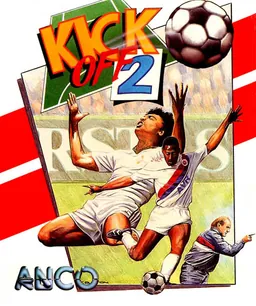
Kick Off 2
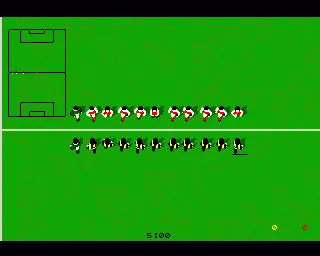

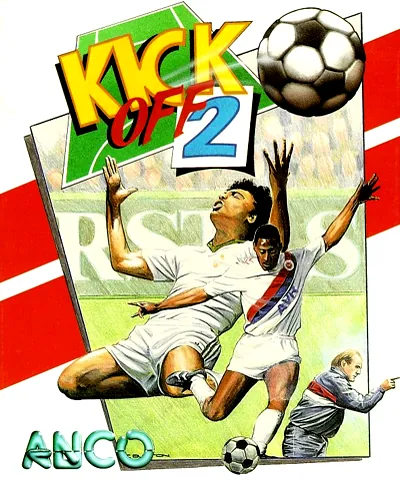
There are football games, and then there is Kick Off 2, a title that unleashed passions on the Amiga comparable to a real derby. Anyone who lived through the late-nineties and eighties nights at the joystick knows that this game could set even the best of friends against one another. And in the sports game genre, that is the highest praise.
The key to the whole magic is the revolutionary ball control. Unlike the competition, the ball does not stick to the player's foot but constantly bounces ahead of him, so you have to genuinely lead it, tame it and control it. This single design choice transformed football from mere button-mashing into a game of skill, reflexes and timing. Learning to pass, dribble and shoot curled balls took real effort, but the reward of a perfectly executed play was unforgettable.
Kick Off 2 also offered a richness unheard of for its time. A top-down view, fast pace, tactical setup, action replays of goals and the option of multiplayer duels, all of it made it a complete football package. The game was one of the most popular and critically best-received titles on the Amiga and became a symbol of the golden era of this computer.
Its cultural significance is hard to overstate. Kick Off 2 and its ball control wrote themselves into the history of gaming football as one of the most influential approaches ever, and to this day the game has devoted fans who hold tournaments and compete for the best times and results. For many players it remains the benchmark against which they measure every other football game.
Today Kick Off 2 is a legend to which the retro community returns with sacred reverence. It is a reminder of a time when a bold design idea could define an entire genre and when football on the screen demanded genuine skill.
Why play: For uncompromising, skill-based football with legendary ball control that fires up competitiveness like few other games.
Game 62 of 121 for Commodore Amiga
The same title elsewhere (2)
Kick Off 2 came out simultaneously on the Commodore Amiga and Atari ST, and plays almost identically on both machines — the same fast top-down view, responsive joystick control and rules carried over unchanged. The main difference is heard rather than seen: thanks to its Paula sound chip, the Amiga offers richer sampled audio, louder crowd noise and punchier kick effects, while the Atari ST makes do with simpler sound from its older chip. Graphics and game speed are comparable on both platforms, so picking one over the other is more a matter of taste than a real difference in the experience — anyone who prefers fuller sound should go for the Amiga.