Golden Axe
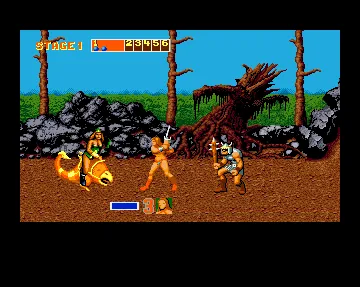
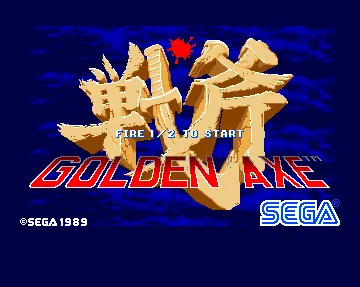
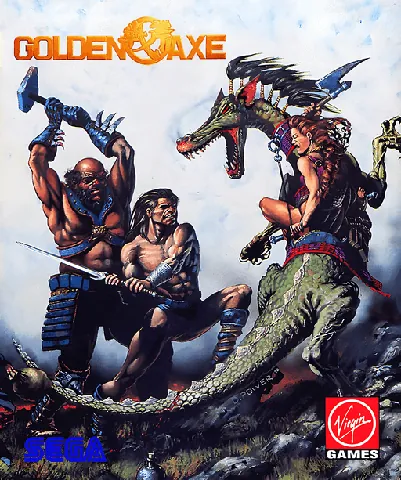
A barbarian, a dwarf, and an amazon standing against the tyrant Death Adder, riding fire-breathing dragons and casting magic from vials - Golden Axe is a fantasy beat 'em up that combined Conan with gritty street action, and on the Amiga it launched a splendid adventure.
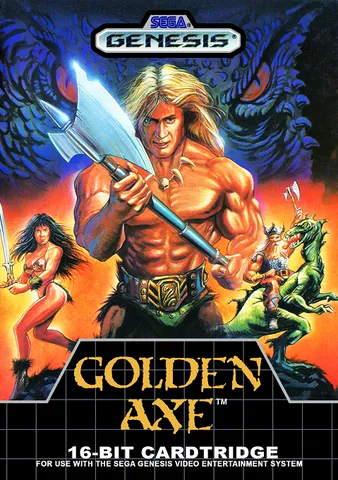
The original was created by the Japanese company Sega in 1989 and brought to arcades a beat 'em up set in the fantasy world of Yuria. The player chose one of three heroes - the barbarian Axe Battler, the dwarf Gilius Thunderhead, or the amazon Tyris Flare - each of whom had different abilities and different magic spells. Battles played out with swords, axes, and staves, and a great specialty was commandeering mount beasts, the so-called Bizarrians, who breathed fire or swung their tails.
Spells were collected by stealing vials from the gnomes who appeared between rounds, and the more of them the hero amassed, the more devastating an attack he could unleash. This mechanic constantly gave the player a reason to think about when to save the magic and when to release it. Just as with the era's competitors, two-player cooperation was a big draw here too.
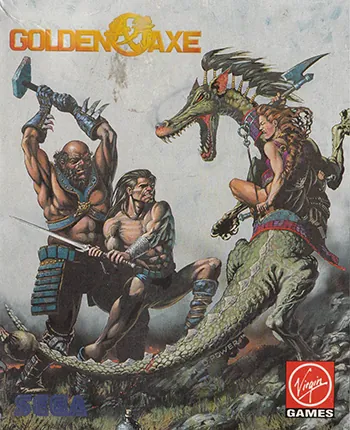
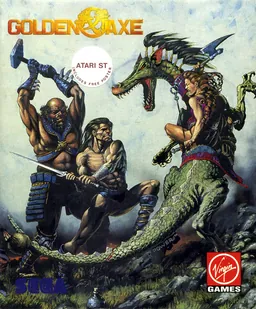
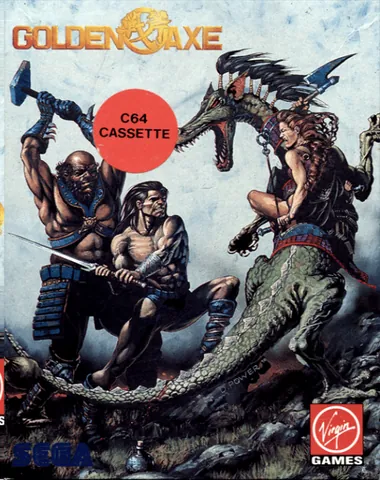
Conversions for home machines were released in Europe by the company Virgin, and the Commodore Amiga version was among the more visually appealing thanks to the colorful fantasy graphics. The 16-bit hardware managed to capture the atmosphere of the battlefields and the characteristic mount beasts better than weaker computers.
Golden Axe became one of Sega's best-known brands, saw a number of sequels and ports across platforms, and to this day is remembered as one of the defining fantasy beat 'em ups of its time.
Why play: For a fantasy hack-and-slash with a buddy, fire-breathing dragons, and magic in vials - Golden Axe is an arcade classic that never aged.
Game 55 of 121 for Commodore Amiga
The same title elsewhere (6)
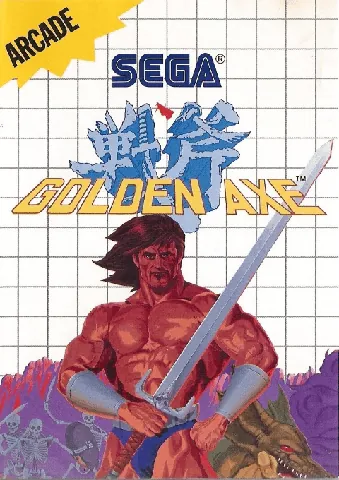
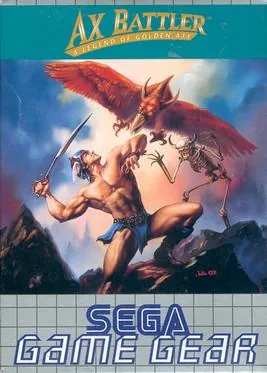
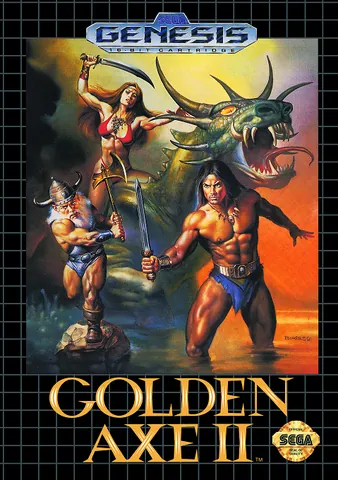
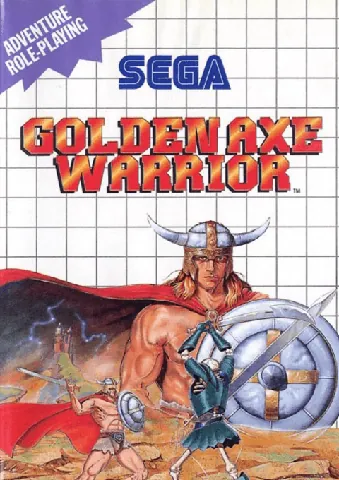
The 1989 Sega arcade original ran smoothly in bright, saturated colors and offered its full soundtrack alongside true simultaneous two-player action. The Mega Drive version came closest, keeping most of the atmosphere, music, and enemies, though some backgrounds and details had to be simplified. On the Master System, levels were shorter and the graphics plainer due to weaker hardware. Ports for eight- and sixteen-bit computers (Commodore 64, Amstrad CPC, Amiga, Atari ST) suffered from slower, choppier scrolling, a reduced color palette, and often lost simultaneous two-player co-op entirely. For the experience closest to the arcade cabinet, the Mega Drive version is the one to pick.