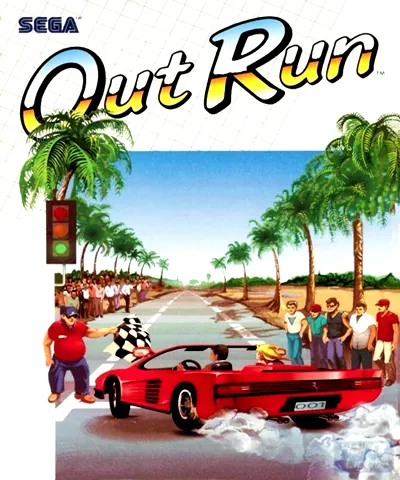
Out Run
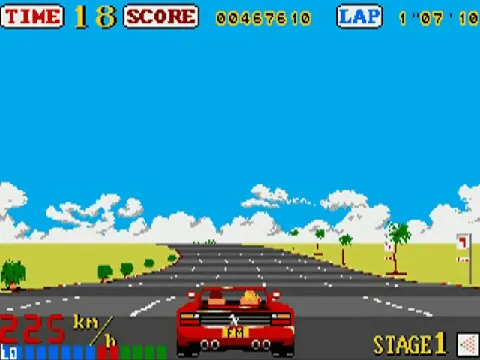
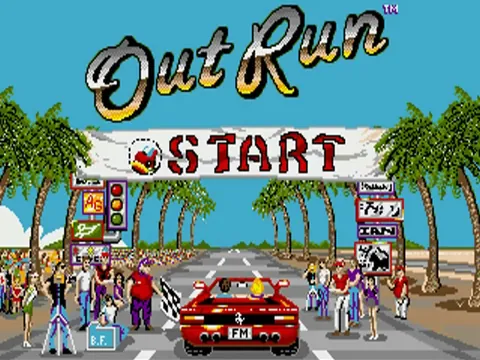
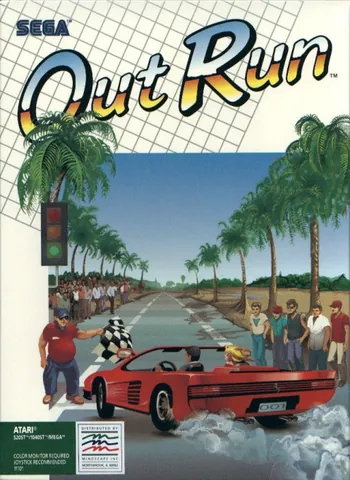
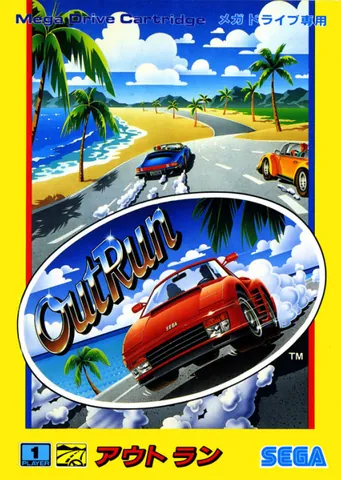
Wind in your hair, a Ferrari Testarossa beneath you, and on the radio you choose whether you'll be accompanied by an upbeat calypso beat or a brisker synth track. Out Run is more than a racing game; it is the essence of the feeling of freedom that Yu Suzuki and the Sega AM2 team distilled from the 1986 arcade original. On the Amiga you could get behind the wheel of the convertible at home too, though the road from the perfect arcade original to the home conversion was not always smooth.
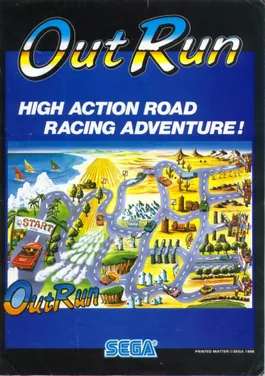
The magic of Out Run lies not in competing with other drivers, but in the choice of path. At the end of each track section the road forks, and you decide which direction to take; each of the branches leads to a different destination and a different environment, from coastal roads through deserts to snow-covered mountains. This system of branching tracks was revolutionary in its time and gave the player the feeling of actually traveling, not just circling a track. A female passenger sits beside you and the hand of the stopwatch drives you forward.
The arcade original was built on impressive hardware that could scale sprites to create the illusion of fast driving into the depth of the image. It was precisely this visual smoothness that transferred poorly to 8-bit and 16-bit machines, and the home conversions, published by U.S. Gold, met with mixed reactions; in some places the atmosphere was praised, elsewhere the stuttering and compromises in frame rate were criticized. Even so, the Amiga was among the platforms where Out Run came closer to the arcade experience than, say, on weaker computers.
Culturally, Out Run went down as one of the defining titles of the whole genre and inspired later series like OutRun 2 or, distantly, even modern arcade races. Selectable music right in the game was an unusual idea in the mid-1980s that foreshadowed how important a role the soundtrack would play in racing games. The tracks Magical Sound Shower and Passing Breeze remain among the best-known video game melodies to this day.
Today Out Run is a textbook example of how an arcade legend was ported to home machines, and at the same time a reminder of an era when the goal of the game was simply to enjoy the journey. If you want to understand where the genre of stylized races with a feeling of speed and sunshine springs from, this is the right start.
Why play: For the genuine feeling of arcade freedom behind the wheel of a Ferrari and for one of the most influential racing games ever.
Game 56 of 121 for Commodore Amiga
The same title elsewhere (9)
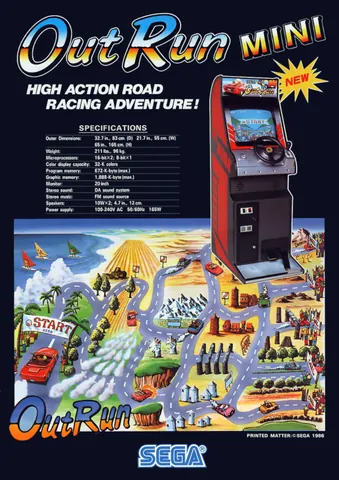
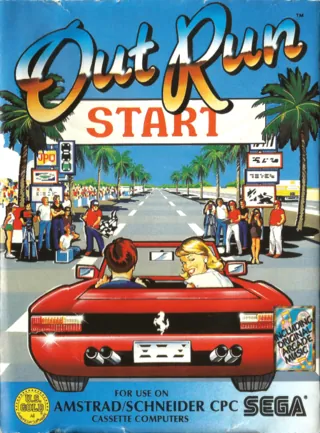
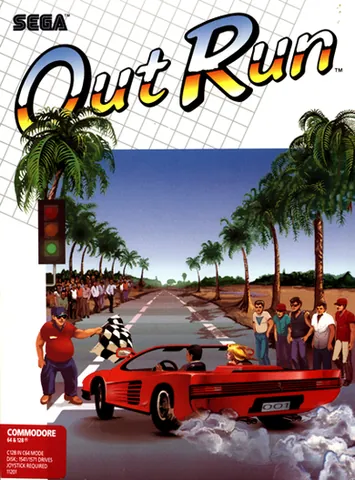
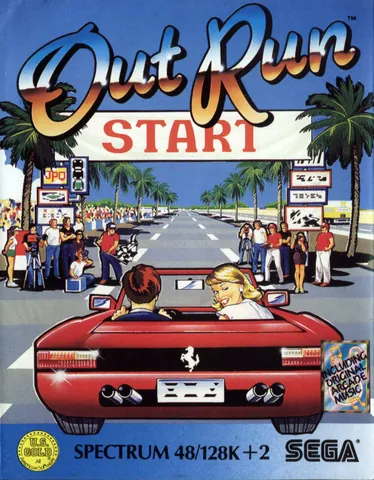
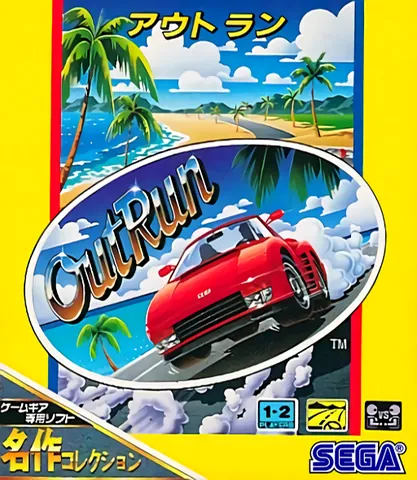
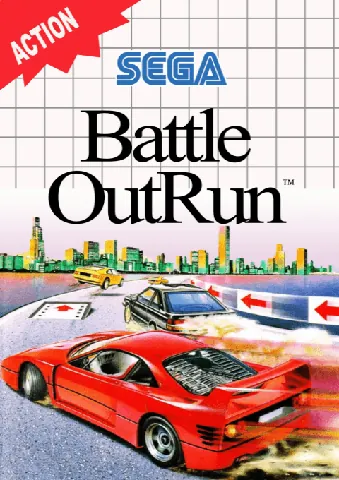
Sega's 1986 arcade original ran on special Super Scaler hardware that let the road scale smoothly into the distance, with three selectable tunes playing from the cabinet's speakers. Home computers could not fully recreate that illusion of speed: the Commodore 64, Amstrad CPC, and Atari ST versions all show noticeably choppier road scrolling and less track detail. The Amiga kept decent smoothness and nicer visuals despite the limitations, while the Master System surprised with fairly faithful graphics and music for an eight-bit console. For the real arcade feeling, the original remains unmatched.