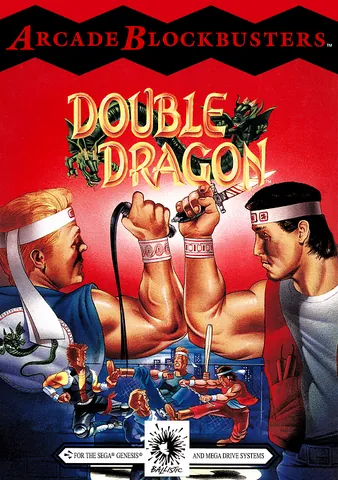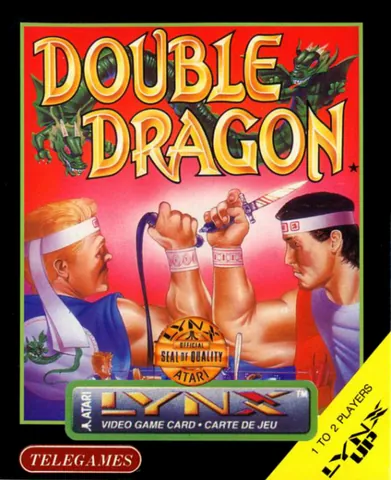
Double Dragon
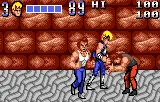
Your girl has been kidnapped by the Black Warriors gang and you have only two fists and a properly angry heart. Double Dragon arrived on the Atari Lynx in 1991 and many consider it the very best beat 'em up of the entire console, which for a genre so dependent on smooth action is no small thing.
The story is the archetypal 1980s brawler in its purest form. As Billy Lee you fight your way through streets full of thugs to free the kidnapped Marian from the clutches of a criminal gang. You advance from left to right, dishing out kicks and punches, picking up dropped weapons like a whip or a knife, and facing waves of enemies who harass you from every direction.
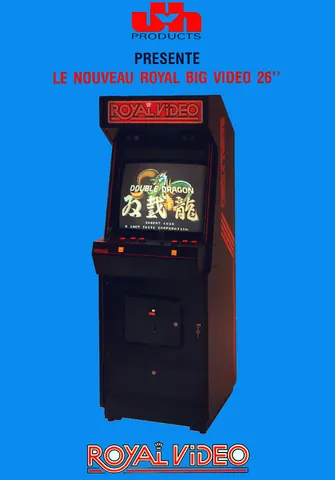
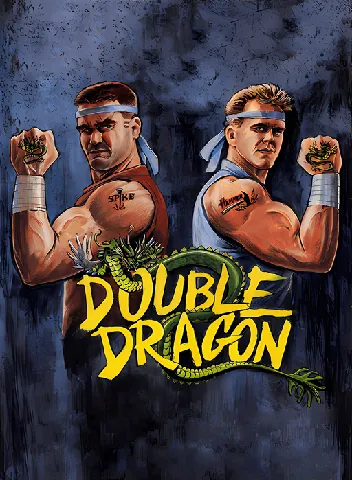
Double Dragon is today rightly regarded as one of the cornerstones of the entire beat 'em up genre. The arcade original by the Japanese studio Technōs in 1987 popularized cooperative screen-scrolling brawling and inspired a whole wave of imitators from Final Fight to Streets of Rage. Its influence on what arcades looked like at the turn of the 1980s and 1990s is enormous.
The Lynx port carries this classic over with solid, smooth action, which for brawlers is everything. On the small display the characters move briskly and the fights have the necessary punch, so the game suits short, intense play sessions where in a few minutes you thoroughly air out your reflexes and leave the day's frustration on the street hoodlums.
Although the most famous versions of Double Dragon were made in arcades and on home consoles, the Lynx conversion deserves recognition as one of the few truly successful handheld attempts to bring a fast brawler into your pocket. For genre fans and for those who want to taste a piece of history, it's an accomplished choice.
Why play: For a classic street brawler with smooth action, ideal for short, juicy doses of dispensing justice with your fists.
Game 17 of 30 for Atari Lynx
The same title elsewhere (9)
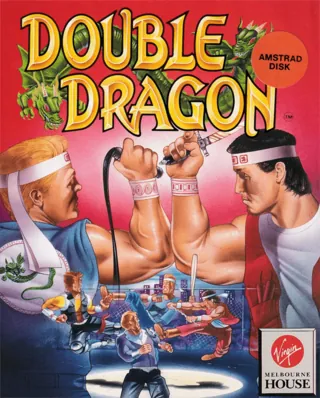
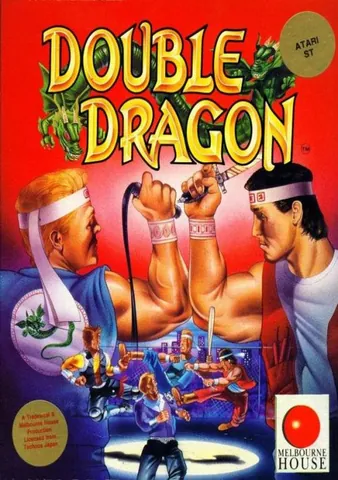
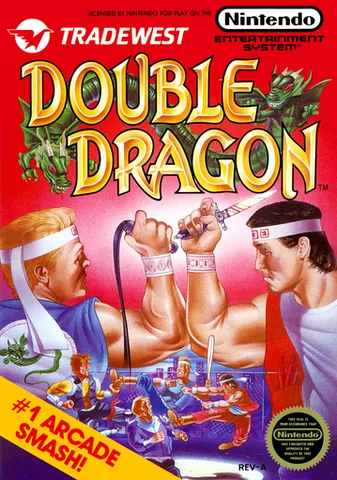
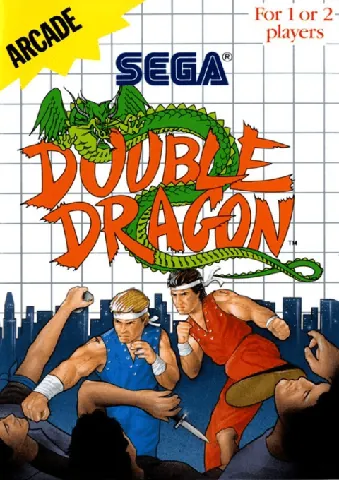
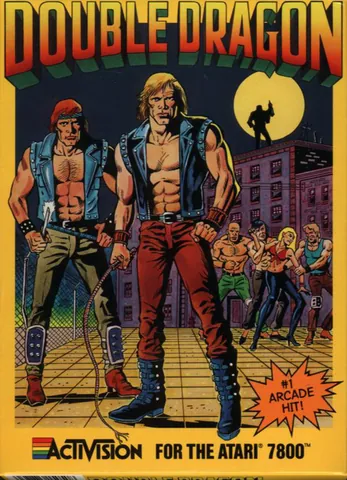
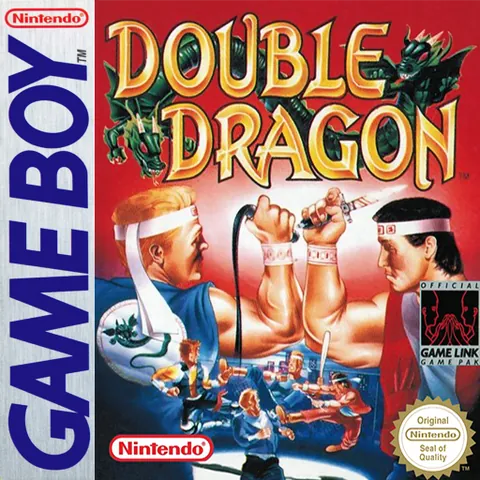
The differences between Double Dragon versions are among the most striking in the genre's early history. The NES version couldn't offer simultaneous two-player action like the arcade due to hardware limits — fights run in alternating turns or a duel mode — but developers compensated with an experience system and new moves, which many players still consider more enjoyable than the arcade. Versions for 8-bit computers like Commodore 64, ZX Spectrum, and Amstrad CPC drew sharp criticism for clunky controls, slow animation, and imprecise hits. Atari Lynx delivered a portable version many rank among the console's best action titles thanks to fluid movement and good sound. SEGA Master System and Mega Drive offered more colorful graphics closer to the arcade spirit, including two-player co-op.