Game studio
Taito
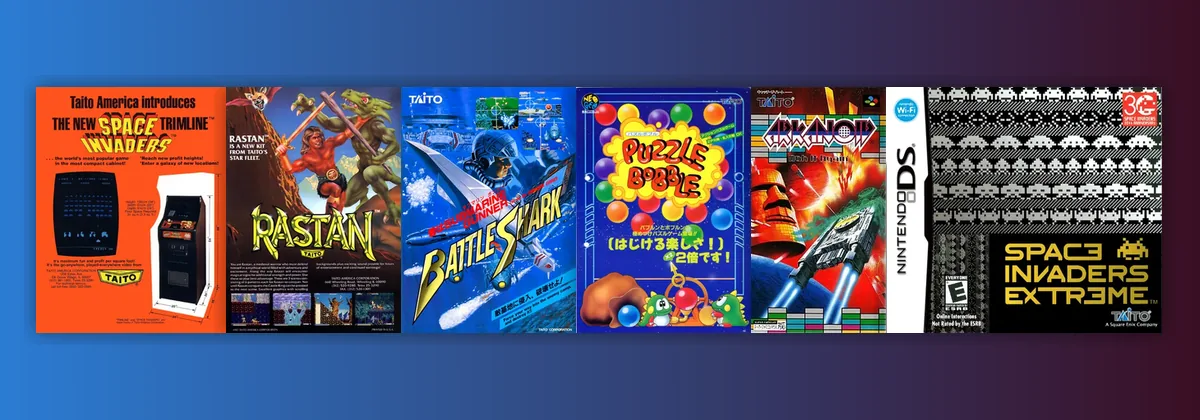
When you say Taito, retro players smile and the unmistakable "whoever destroys the block first" instantly rings out in their heads. This Japanese company is one of the oldest in the entire gaming industry, and its imprint on the history of arcades is indelible. Taito is behind Space Invaders — the game that literally kicked off the golden era of video games and emptied the pockets of an entire generation. But it is also behind the endlessly catchy Bubble Bobble and the brick-breaking of Arkanoid, that is, titles that to this day rank among the best that arcades and home computers had to offer. Retro enthusiasts love Taito precisely for that combination: a simple rule, devilish addictiveness, and melodies that burrow under your skin for life.
History
Taito's roots reach surprisingly deep — the company was founded in Tokyo in 1953 by the Russian entrepreneur Michael Kogan under the name Taito Trading Company. At first it dealt in importing goods and manufacturing vending machines, gradually moving on to amusement machines. The pivotal moment came in 1978, when designer Tomohiro Nishikado created Space Invaders. The game became a worldwide phenomenon, reportedly caused a coin shortage in Japan, and forever showed the potential dormant in video games.
But Taito was not a one-hit company. In the 1980s it churned out one arcade classic after another. In 1986 came Arkanoid, an ingenious modernization of the old Breakout with a paddle called the Vaus, vanishing bricks, and a series of gimmicks that changed the pace of the game. It soon moved from the arcades to all the home platforms of the time — from 8-bit Ataris to the Commodore 64 — and years later, in the form of Arkanoid: Doh It Again, it returned to the Game Boy so players could enjoy it on the go. Later that same year, 1986, Bubble Bobble saw the light of day, a magical cooperative platformer with the little dragons Bub and Bob, who trap enemies in bubbles. It became a symbol of shared fun at a single arcade machine and remains to this day the benchmark for how a two-player game should look.
The 1990s brought further gems — the Bubble Bobble sequel titled Rainbow Islands, the hectic Puzzle Bobble (known elsewhere as Bust-A-Move), in which you shoot colored bubbles, and the brisk horizontal shooters of the Darius series with their characteristic mechanical fish. Taito also operated the renowned Taito Station game centers, thanks to which the brand remained tied to Japanese gaming culture even beyond the games themselves.
Key figures
At the head of the whole story stands founder Michael Kogan, who gave the company its name and international outlook. The face of the gaming legacy, however, is Tomohiro Nishikado — the engineer and designer who not only designed Space Invaders but practically programmed the whole thing himself, including his own hardware. He belongs among the true pioneers of the field.
An unmissable presence is the composing group Zuntata, Taito's in-house musical body founded in the mid-1980s. It is Zuntata that stands behind the unmistakable soundtracks of the Darius series and many other titles, and it holds a cult status among fans of retro music. Music thus became one of the brand's hallmarks — Taito never treated sound as a by-product, but as a full-fledged part of the experience.
Transformations and transfers
Taito underwent a fundamental change of owner. After decades of independent existence, it was bought in 2005 by the Japanese company Square Enix, best known for the Final Fantasy and Dragon Quest series. Taito became its subsidiary and gradually focused primarily on operating arcade parlors and on mobile and online games.
This acquisition meant the end of Taito as the independent giant it had been in the golden era of arcade machines, but the brand as such did not disappear — on the contrary, it gained the strong backing of a large publisher. Its rich catalog of classics thereby passed under the wings of Square Enix, which continues to look after it.
The present
In 2026 Taito still exists, as a subsidiary of the Square Enix group. It focuses mainly on the Japanese market — it operates the extensive network of Taito Station arcades, develops and publishes mobile games, and looks after its valuable archive. The classic titles have not been forgotten: Taito makes them available to modern players through collectible compilations such as the Egret II Mini (a miniature replica of a period arcade cabinet) or the range of digital releases of Space Invaders and other legends for current consoles.
For the retro community, Taito remains one of the most important names of all. Without Space Invaders the gaming industry would look different, and without Bubble Bobble or Arkanoid, collections of classics would be poorer. It is a studio whose games can be described in a single sentence but played for whole hours — and it is precisely in that timeless simplicity that the magic lies, the reason players keep coming back to them even after decades.
Games by the studio (50)
-
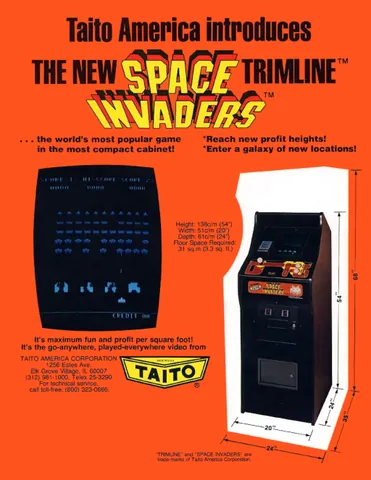
Space Invaders · 1978
-
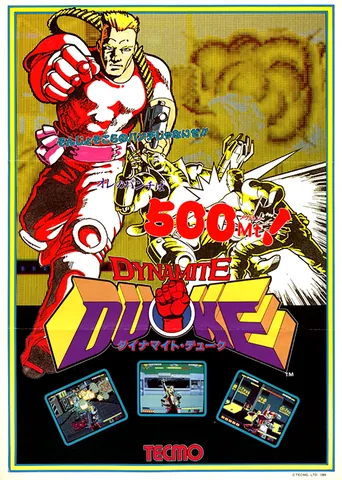
Elevator Action · 1983
-
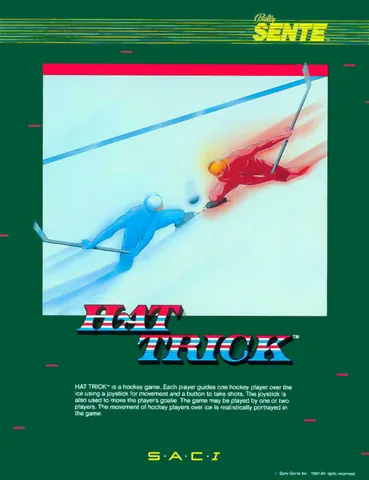
-
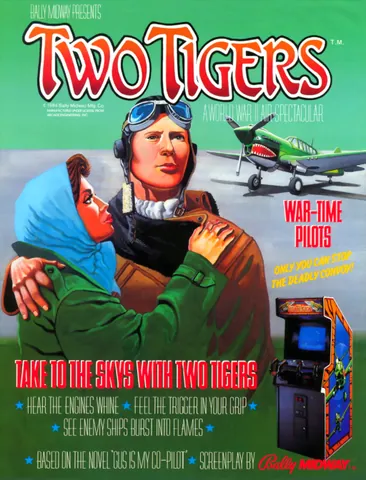
Two Tigers · 1985
-
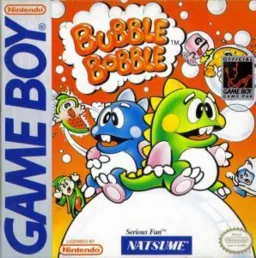
Bubble Bobble · 1986
-
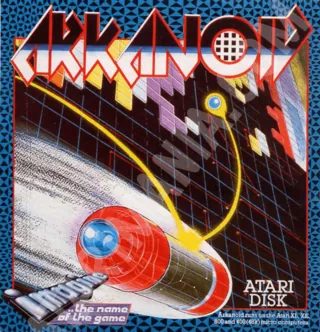
- MAME
Arkanoid 2: Revenge of Doh · 1987
-
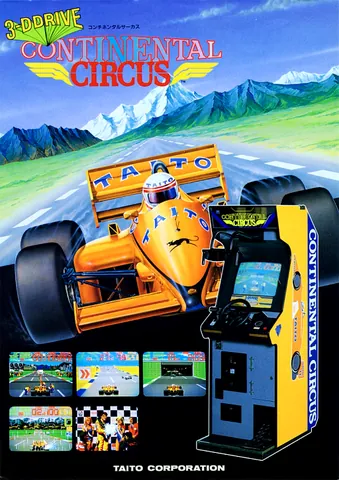
Continental Circus · 1987
-
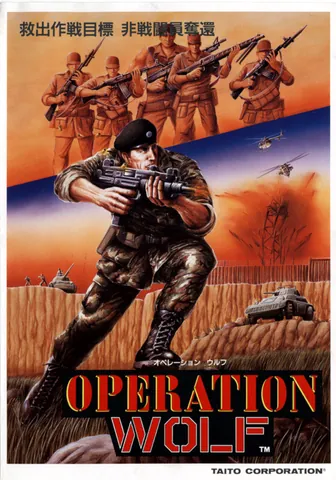
Operation Wolf · 1987
-
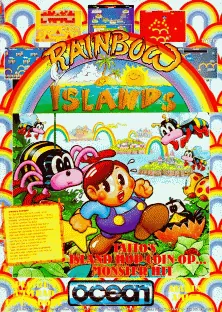
Rainbow Islands · 1987
-
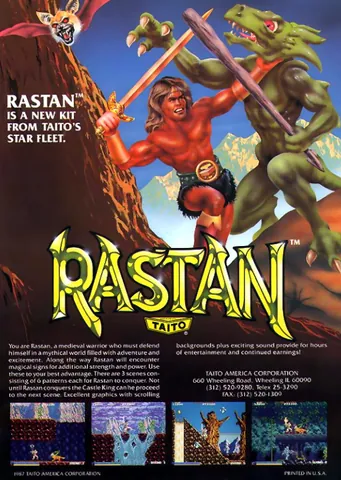
-
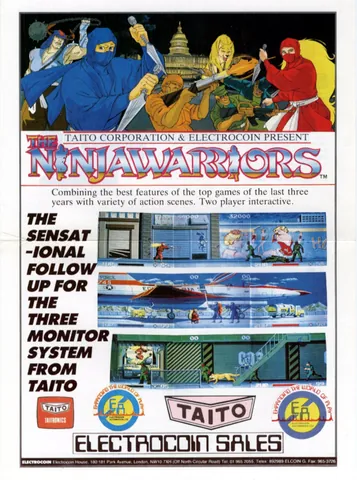
The Ninja Warriors · 1987
-
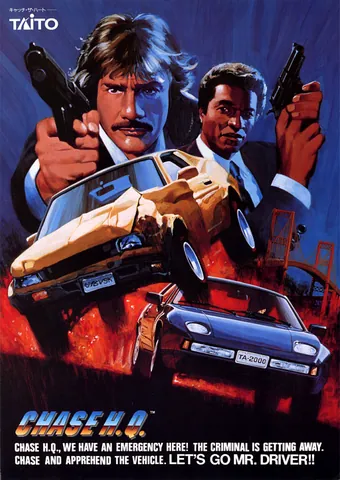
Chase H.Q. · 1988
-
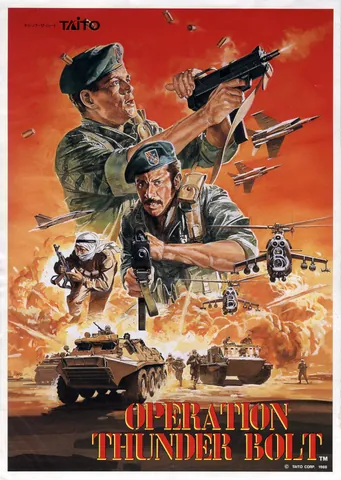
Operation Thunderbolt · 1988
-
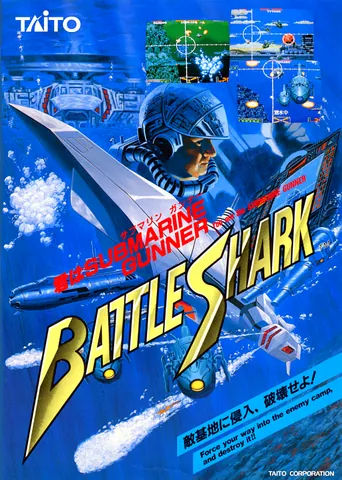
Battle Shark · 1989
-
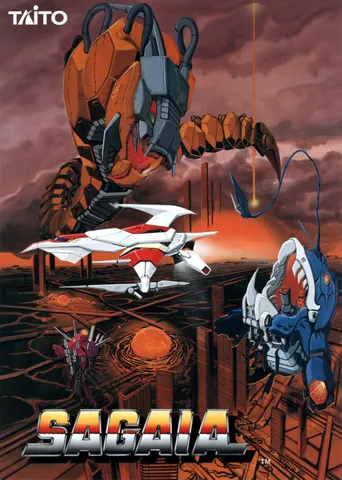
-
-
-
-
-
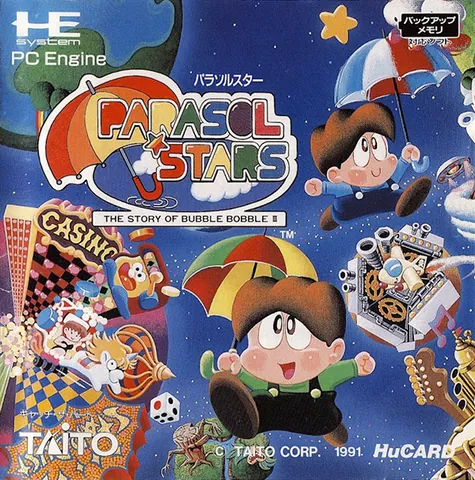
Parasol Stars · 1991
-
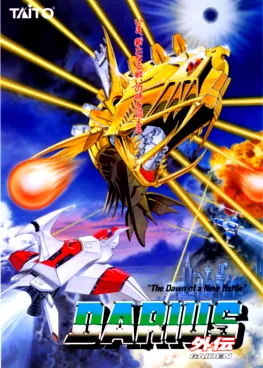
Darius Gaiden · 1994
-
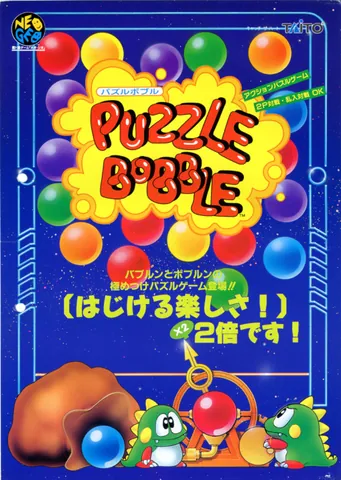
Puzzle Bobble · 1994
-
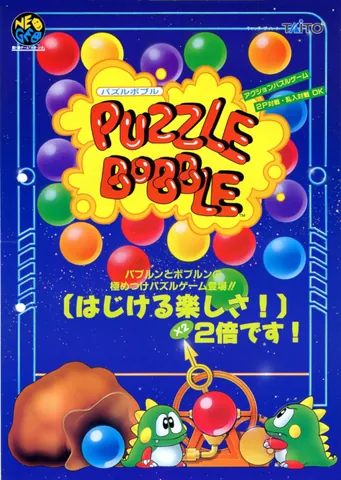
-
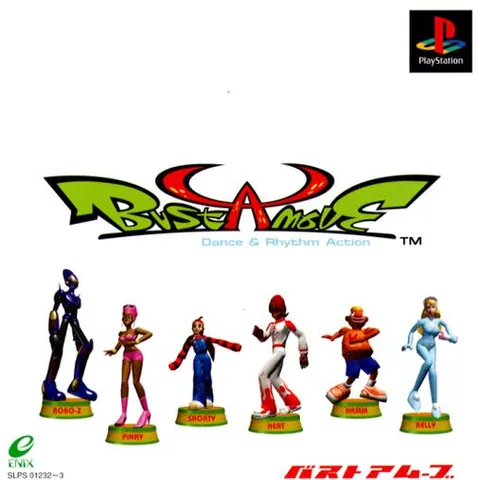
Bust-A-Move · 1996
-
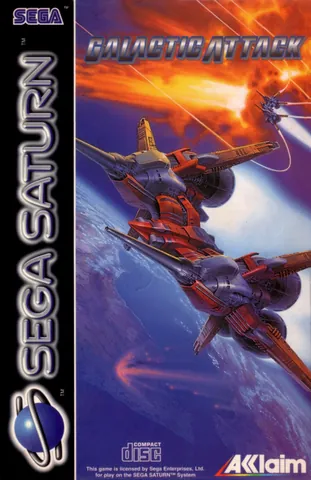
Layer Section / RayForce · 1996
-
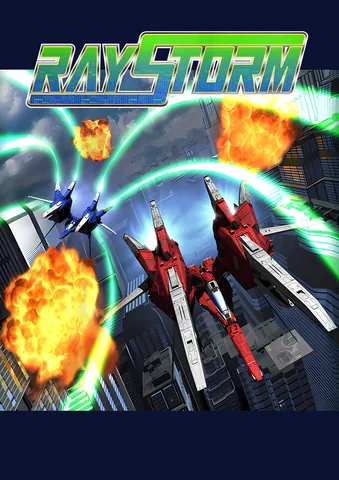
-
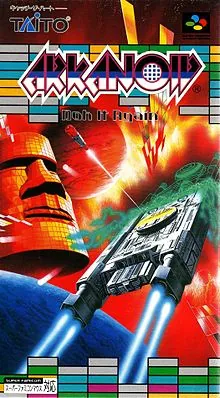
Arkanoid: Doh It Again · 1997
-
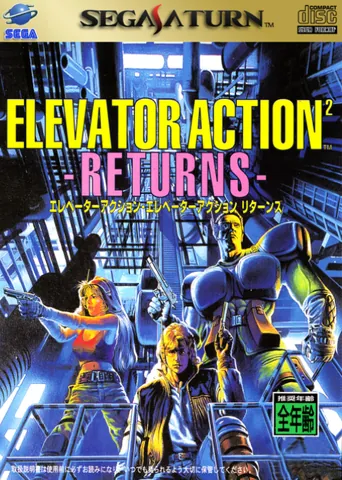
Elevator Action Returns · 1997
-
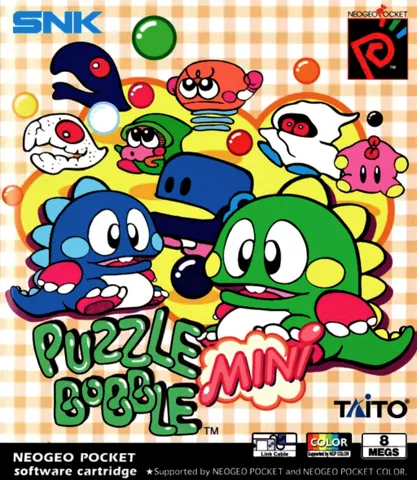
Puzzle Bobble Mini · 1999
-
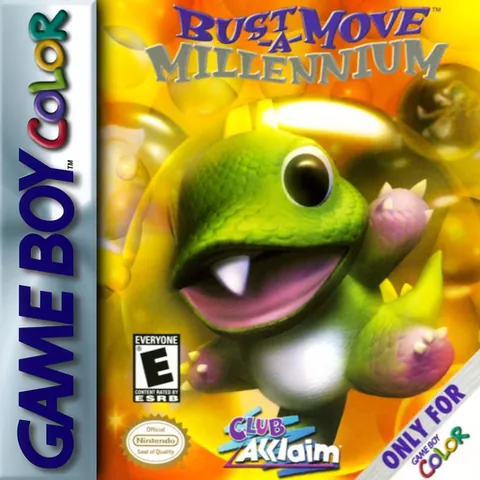
Bust-A-Move Millennium · 2000
-
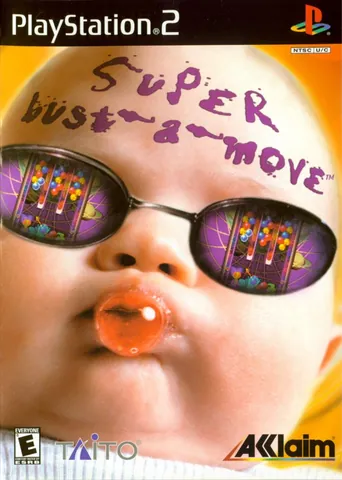
Super Bust-A-Move · 2004
-
-
Arkanoid DS · 2007
-
Space Invaders Extreme · 2008