Franchises
The Legend of Zelda
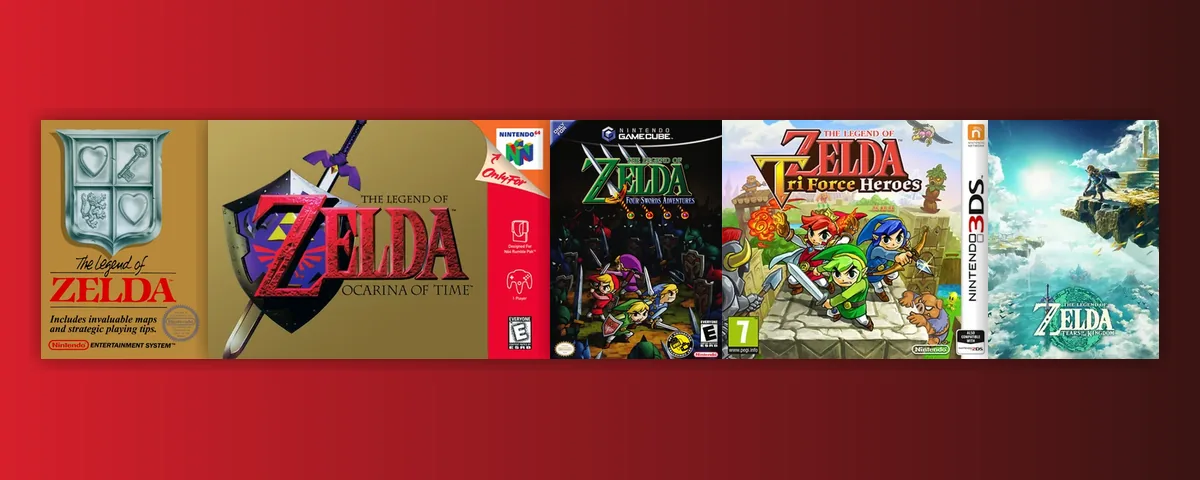
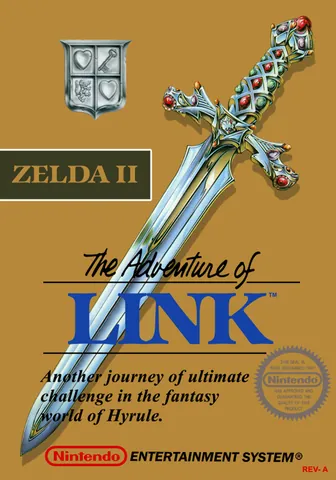
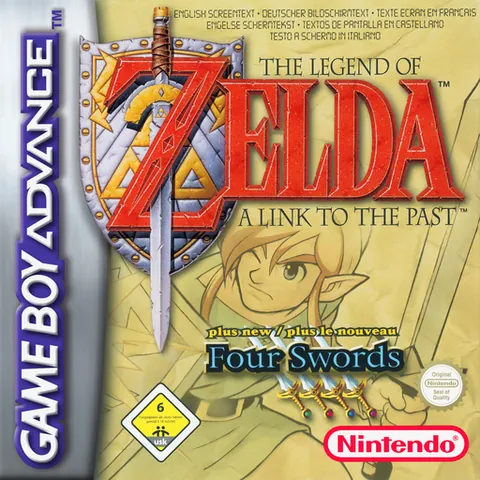
The Legend of Zelda arrived in 1986 and did something console games of the era rarely dared: it dropped the player into an open landscape with no arrow and no instructions. A battery-backed cartridge let you save your progress, so the adventure could stretch across weeks. Three elements define the series and have stayed put ever since: exploration of a world that opens up as you acquire tools, dungeons built as logic puzzles around a key item, and combat based on timing and reading your opponent. The second entry, Zelda II: The Adventure of Link, tried a side view and RPG systems and remained a lone exception; it was A Link to the Past that perfected the return to the original top-down plan.
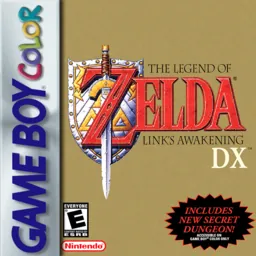
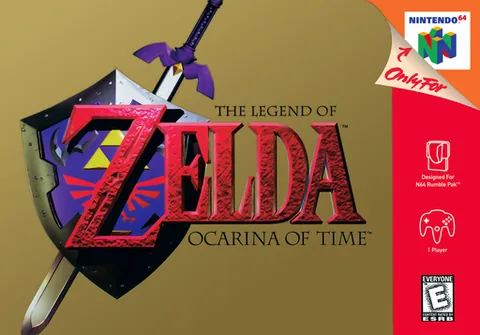
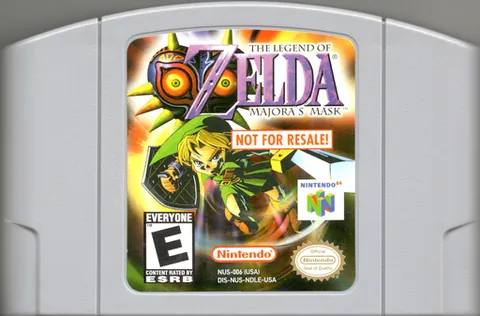
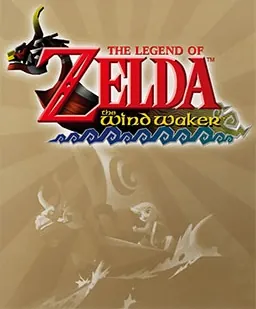
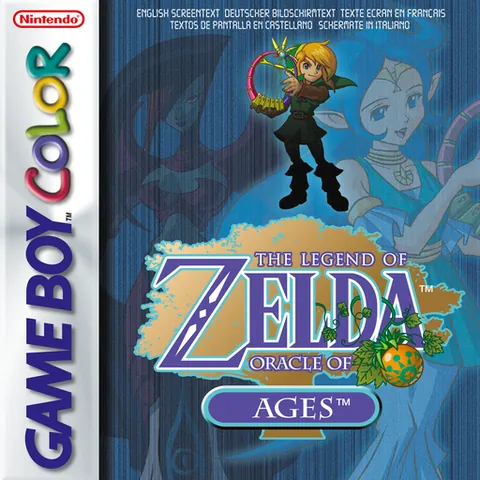
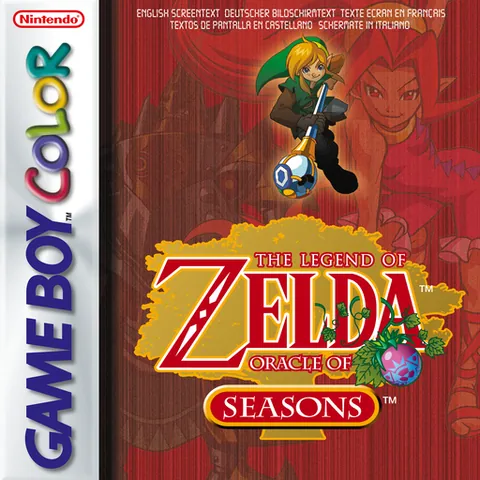
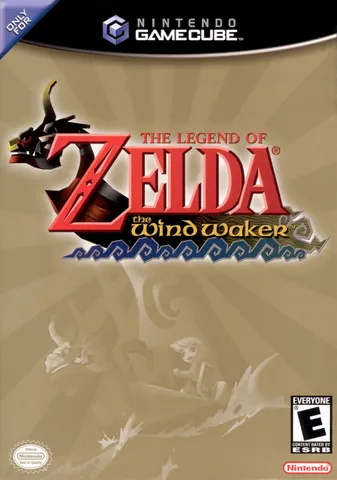
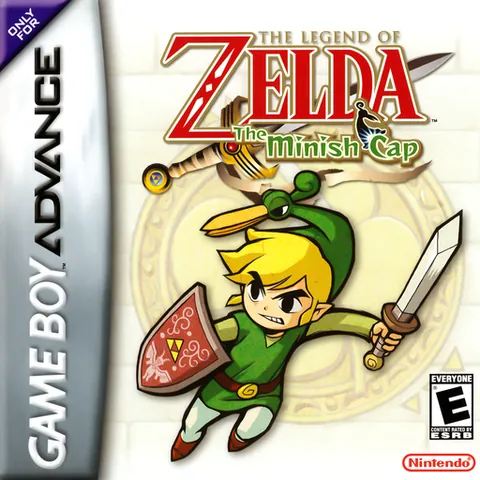
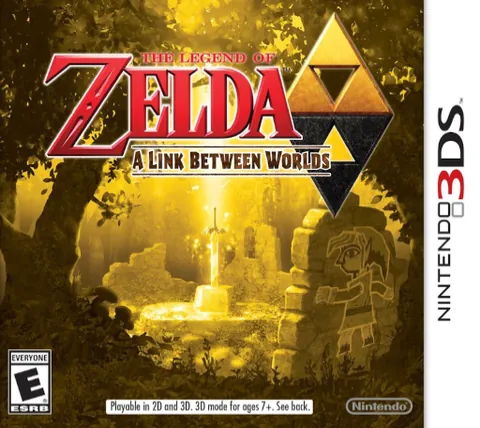
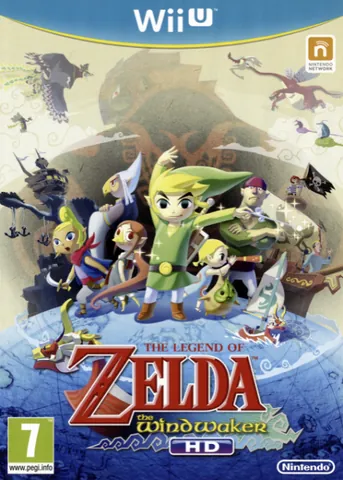
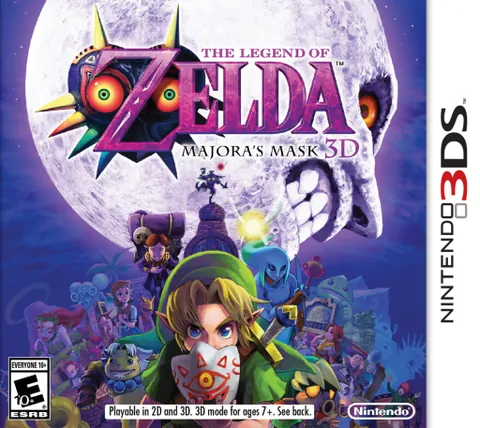
1998 brought Ocarina of Time on the N64 and with it lock-on targeting, which solved the problem of melee combat in three-dimensional space — action games across genres still borrow it. Majora's Mask added a three-day cycle repeating to the point of obsession, and a far darker tone. A strong parallel line ran on handhelds: Link's Awakening on the Game Boy, the paired Oracle of Ages and Oracle of Seasons on the GBC, The Minish Cap on the GBA and A Link Between Worlds on the 3DS. The GameCube received the visually daring The Wind Waker. One chapter the series prefers to forget is the CD-i games, made outside Nintendo and remembered chiefly for their animated cutscenes. A Link to the Past, Ocarina of Time and Breath of the Wild are the entries usually named as peaks.
Entries in the series (34)
-
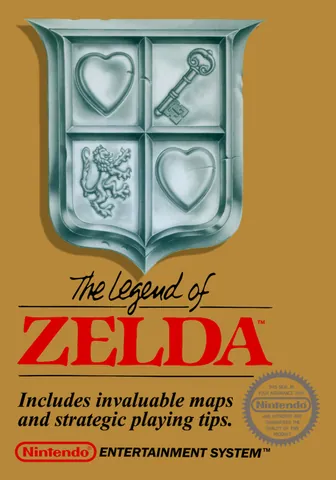
The Legend of Zelda · 1986
-
-
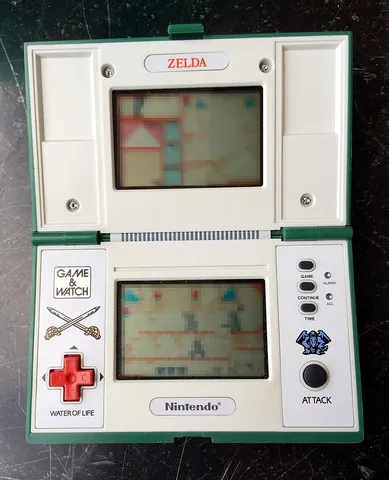
Zelda (G&W) · 1989
-
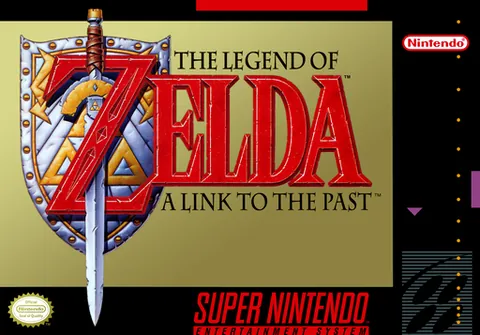
-
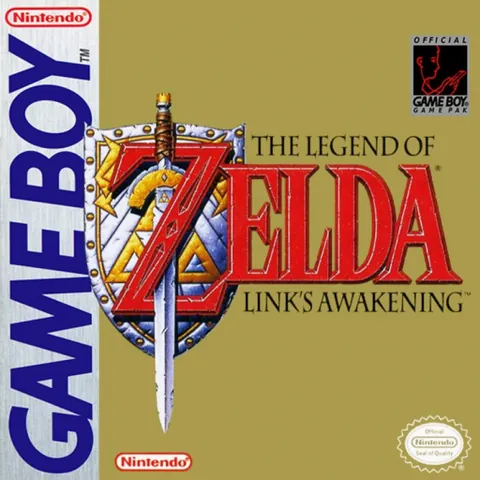
-
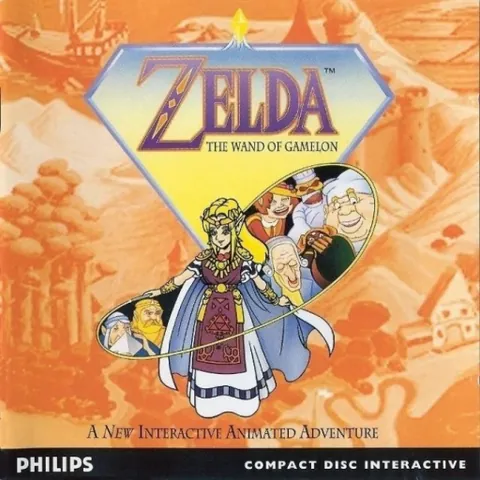
Zelda: The Wand of Gamelon · 1993
-
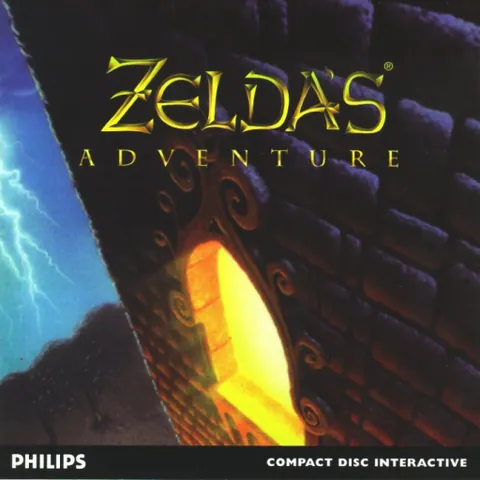
Zelda's Adventure · 1994
-
-
-
-
-
-
-
-
-
-
-
-
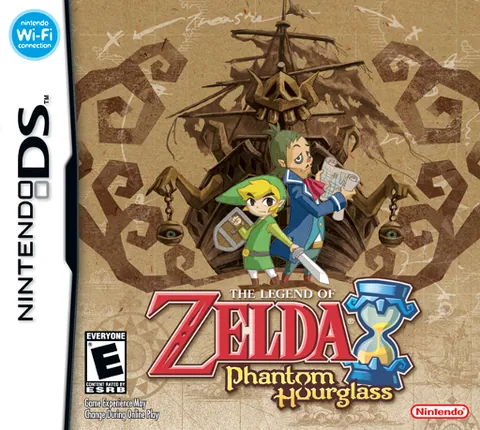
-
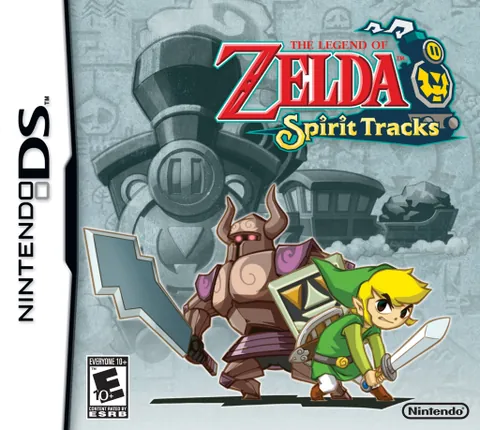
-
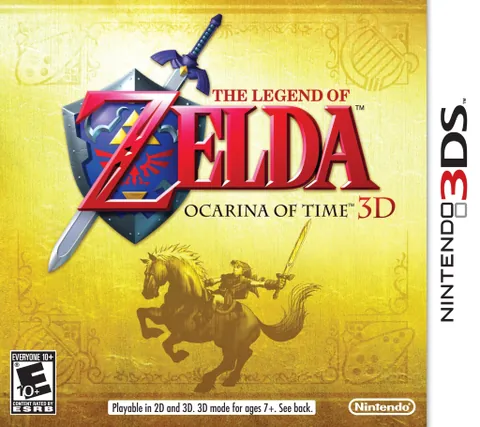
-
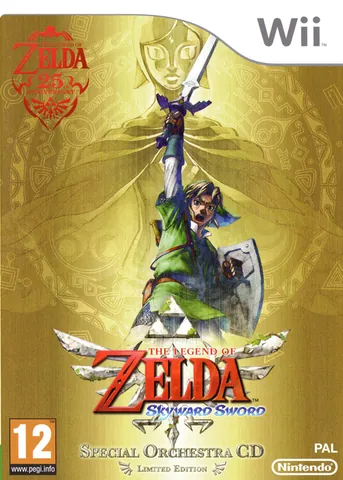
-
-
-
-
-
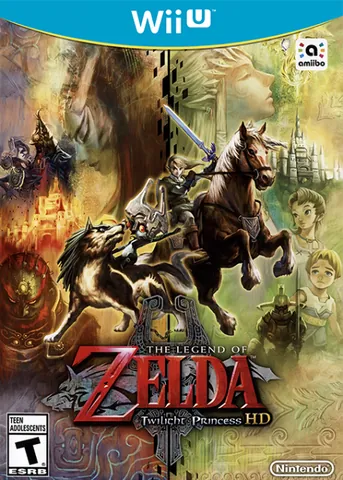
-
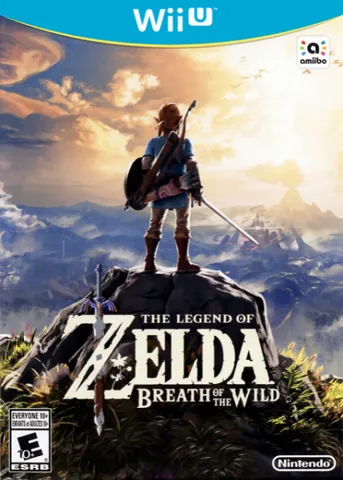
-
-
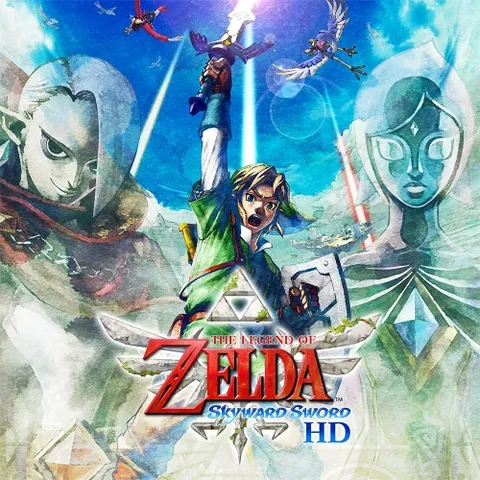
-
-
-

-