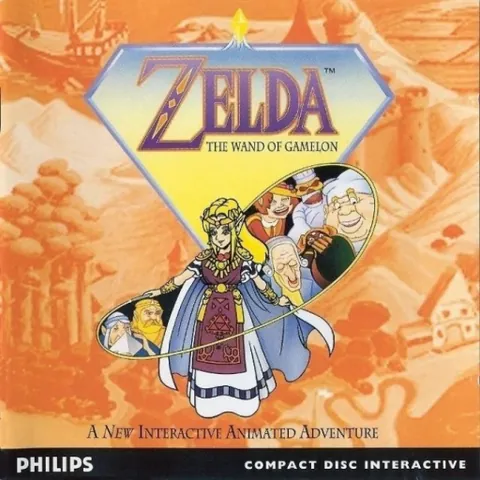
Zelda: The Wand of Gamelon
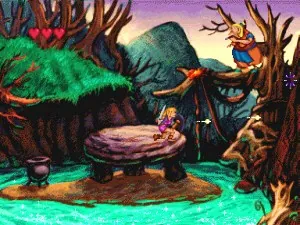
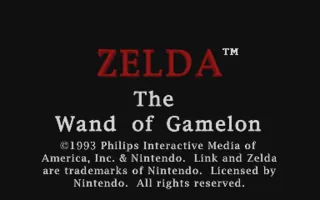
Zelda: The Wand of Gamelon is a sister title to Link: The Faces of Evil, and holds a special distinction in one respect: Princess Zelda is here, for the first time, a fully playable heroine controlled by the player for the entire game. While Link and her father have vanished in the land of Gamelon, where they went to help Duke Onkled, Zelda sets out on the quest alone. The game runs on the same principle as Faces of Evil — a side-scrolling platformer linked by a map the heroine crosses between castles, swamps, mines, and harbors. Her weapon is a sword supplemented by items she finds, from a lantern to a rope to magic wands, and a large part of progress comes down to talking to residents who hint where to go next and what to bring.
Compared to its brother title, Gamelon feels a bit more manageable and less punishing, though here too the controls are sluggish and the jumps imprecise. Technically the game again benefits from the CD medium: backgrounds are painted, the music recorded, and drawn animations play between chapters, whose bare-bones style and unforgettable voice acting have earned it lasting internet fame. Thanks to dark colors and calmer music, the atmosphere is surprisingly gloomy, which is unusual for a game based on a fairy-tale source.
Contemporary reviews were merciless, and the Zelda brand suffered on the CD-i a notorious blow that Nintendo never officially mentions. Yet the game has its circle of defenders: it offers a decently sized world, plenty of optional nooks, and progress that rewards patient exploration. Today most players approach it as a document of an era when Japanese franchises ended up in the hands of Western studios with no experience making action games. Anyone who pushes through the first rough hour and gets used to the sluggish controls will find an honestly expansive adventure that's more interesting than its reputation suggests. It gains extra value from the fact that a playable Zelda in the lead role wouldn't reappear for many years afterward, so for a long time this botched CD-i outing remained the only chance to actually play as the princess.
Game 3 of 13 for Philips CD-i
From the same series The Legend of Zelda →
 The Legend of Zelda: Ocarina of Time - Master Quest GCN
 The Legend of Zelda NES · 1986 (JP) / 1987 (US)
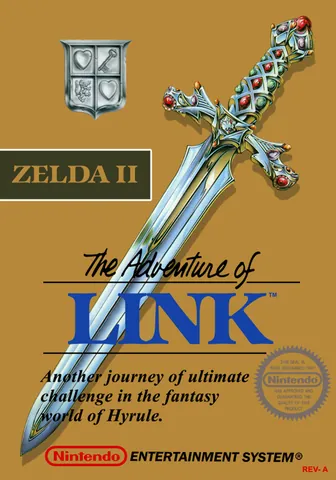 Zelda II: The Adventure of Link NES · 1987 (JP) / 1988 (US)
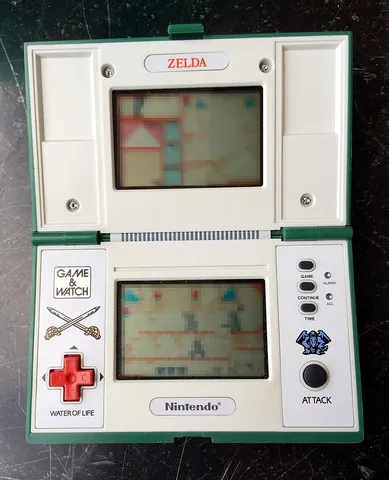 Zelda (G&W) G&W · 1989
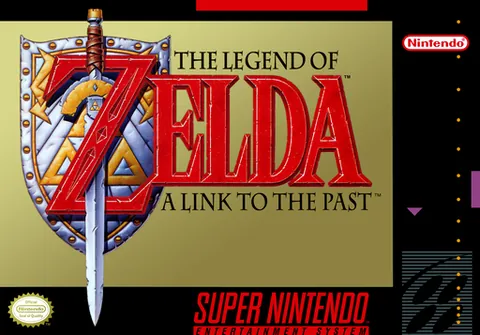 The Legend of Zelda: A Link to the Past SNES · 1991 (JP) / 1992 (US)
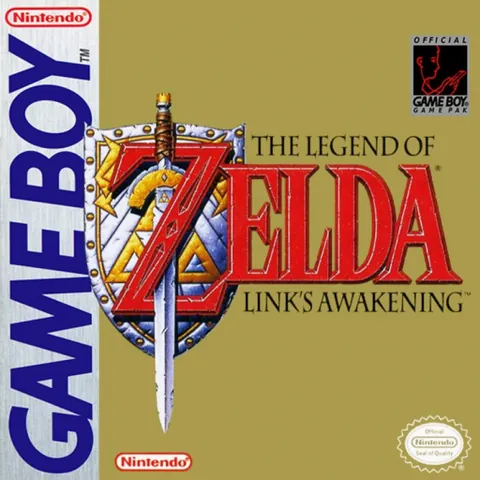 The Legend of Zelda: Link's Awakening (DX) GB · Switch · 1993 (DX 1998)
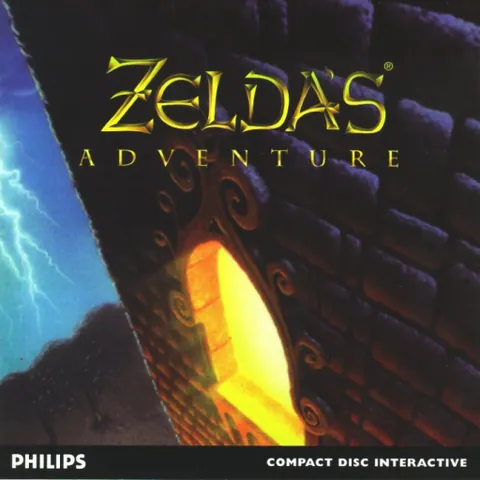 Zelda's Adventure CD-i · 1994
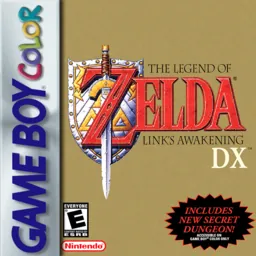 The Legend of Zelda: Link's Awakening DX GBC · 1998
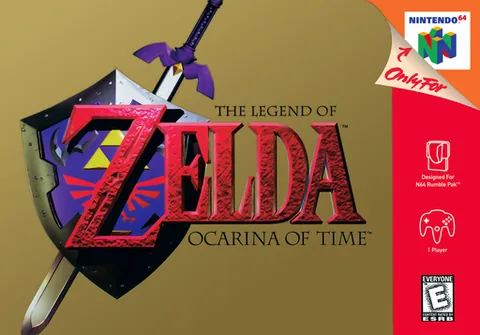 The Legend of Zelda: Ocarina of Time N64 · 1998
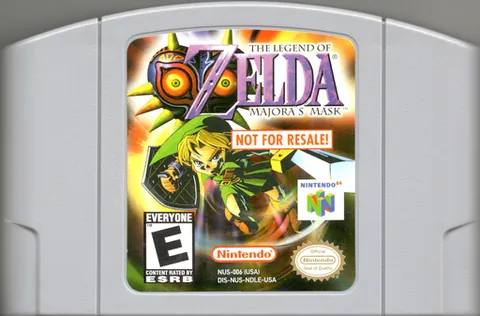 The Legend of Zelda: Majora's Mask N64 · 2000
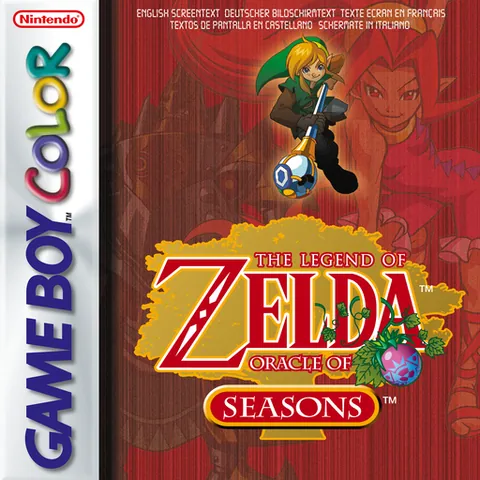 The Legend of Zelda: Oracle of Seasons GBC · 2001
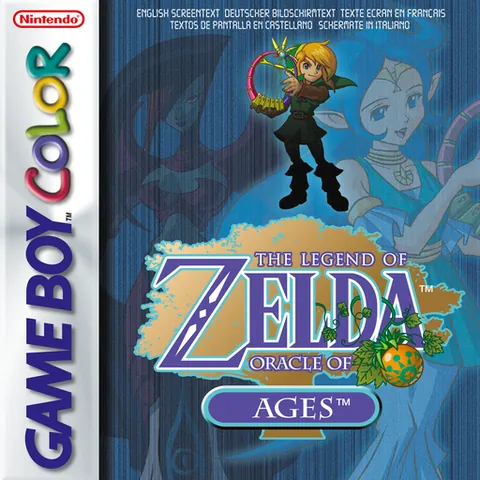 The Legend of Zelda: Oracle of Ages GBC · 2001