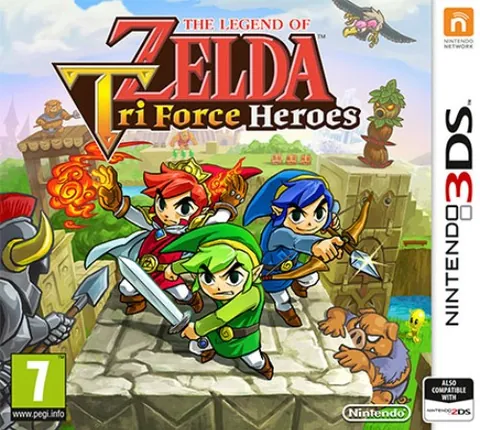
The Legend of Zelda: Tri Force Heroes
The Legend of Zelda: Tri Force Heroes is a cooperative spinoff developed by Grezzo, which departed from the series' traditional single-player storytelling in favor of a three-player game where players join forces to solve puzzles and fight enemies. A key gameplay element is the so-called Totem, where three Link characters physically stack on top of each other to form a column that lets them reach higher platforms or activate distant mechanisms, requiring close cooperation and communication between players. The game also offers a smaller single-player mode with control over all three characters at once, though it is significantly more difficult and rather supplementary to the main cooperative experience.
The visual style follows on from previous handheld Zelda titles with colorful graphics and clearly readable level design, while the Nintendo 3DS's stereoscopic 3D effect emphasizes the depth of the puzzle rooms. An untraditional element for the series is the costume system, where characters can earn and wear costumes, each granting a different passive ability, which motivates repeated play and reward collecting. The game also uses the StreetPass feature to exchange costumes between players, which supported the title's community dimension even outside direct cooperation, and gave players a reason to return to the game even after completing the main levels.
Tri Force Heroes divided the series' fanbase with its emphasis on multiplayer at the expense of the traditional storytelling and solitary exploration that Zelda games are known for, but as a cooperative experience it offered an original and well-crafted concept built on a simple yet imaginative mechanic of stacking characters on top of each other. For groups of players willing to play together, it was one of the few Zelda games built primarily around cooperation from start to finish, and that is why it remains a unique, easily recognizable experiment within the series to this day. Without partners, on the other hand, the game lost much of its appeal, which was also the main complaint of players who preferred the classic, solo journey through the world of Hyrule.
Game 121 of 132 for Nintendo 3DS
From the same series The Legend of Zelda →
 The Legend of Zelda: Ocarina of Time - Master Quest GCN
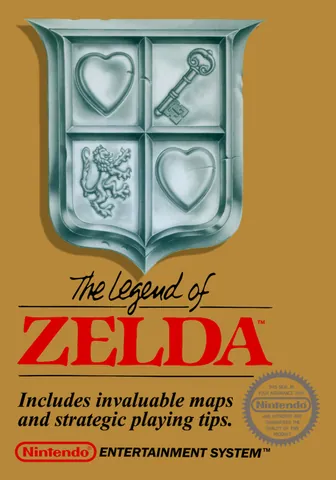 The Legend of Zelda NES · 1986 (JP) / 1987 (US)
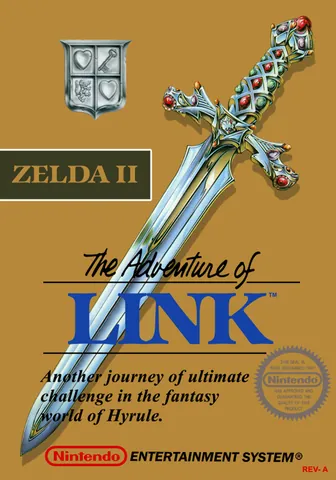 Zelda II: The Adventure of Link NES · 1987 (JP) / 1988 (US)
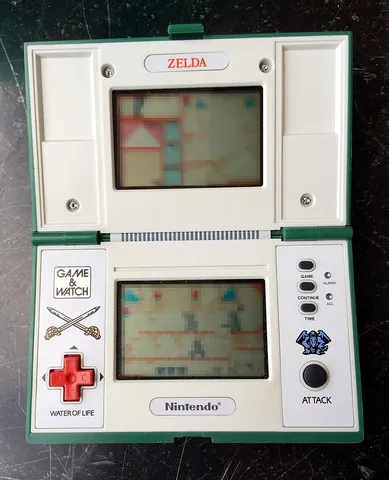 Zelda (G&W) G&W · 1989
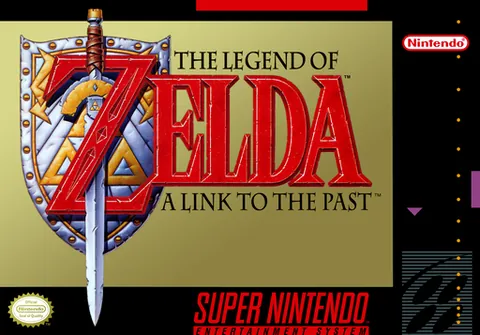 The Legend of Zelda: A Link to the Past SNES · 1991 (JP) / 1992 (US)
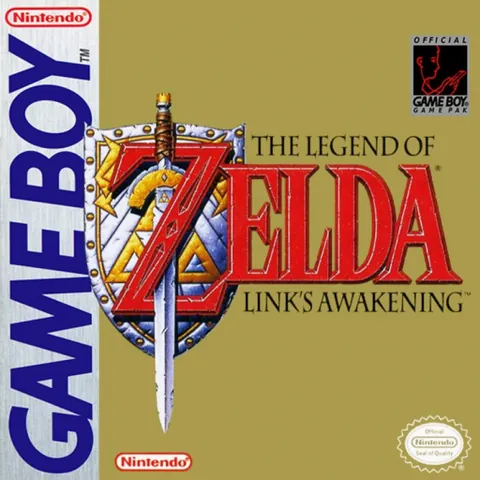 The Legend of Zelda: Link's Awakening (DX) GB · Switch · 1993 (DX 1998)
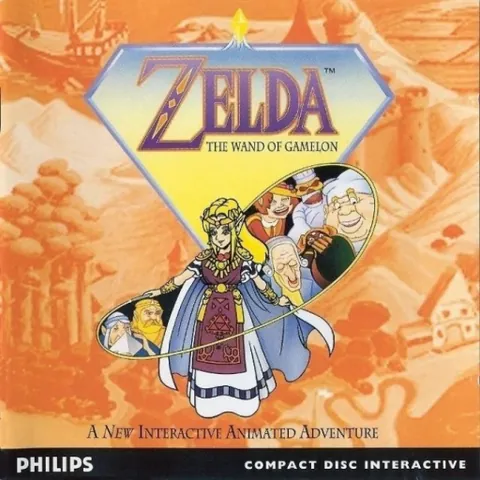 Zelda: The Wand of Gamelon CD-i · 1993
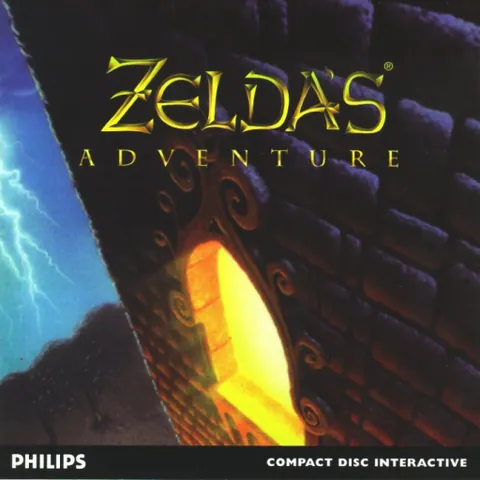 Zelda's Adventure CD-i · 1994
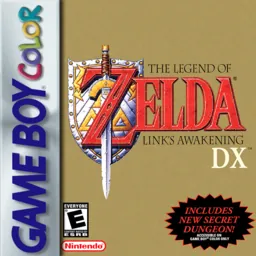 The Legend of Zelda: Link's Awakening DX GBC · 1998
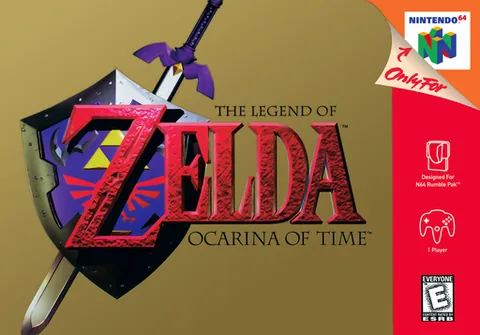 The Legend of Zelda: Ocarina of Time N64 · 1998
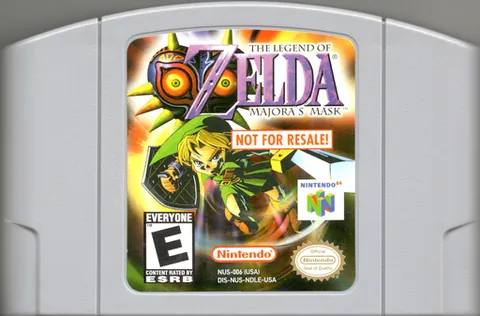 The Legend of Zelda: Majora's Mask N64 · 2000
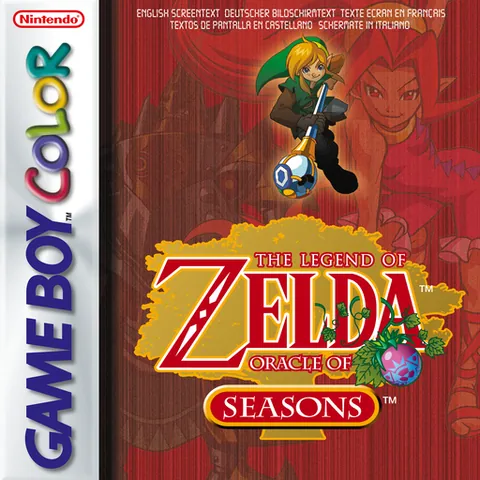 The Legend of Zelda: Oracle of Seasons GBC · 2001