The Legend of Zelda: Breath of the Wild
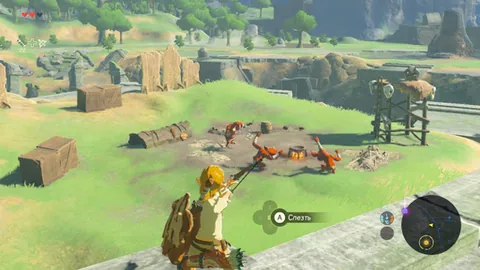
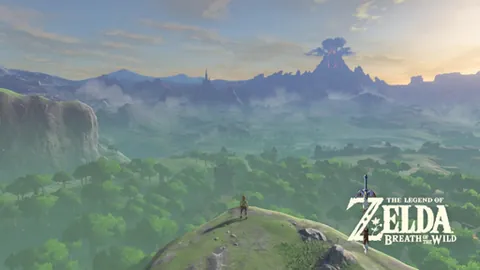
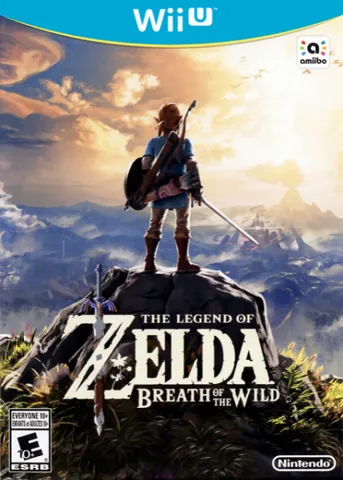
The Legend of Zelda: Breath of the Wild completely redefined what an open world in the Zelda series could be, and on Wii U it launched alongside the Switch as the older console's last major exclusive title. The player finds themselves in a vast Hyrule with no fixed path - they can head straight for the final battle, or spend weeks wandering the land, solving shrines, gathering gear, and gradually unlocking abilities to glide, place bombs, freeze objects, or briefly stop time. Yet the open world never feels empty - almost every hill hides a shrine, an enemy camp, or a small story fragment that pulls the player further in.
A key element is the physics and chemistry system of interactions: fire spreads across grass, metal attracts lightning, wood floats on water, and the player constantly uses these rules to solve puzzles as well as in combat. The combat system is built around breakable weapons, forcing improvisation and constant gear switching, complemented by climbing on almost any surface and cooking food with various effects, from restoring health to temporary resistance to cold or heat. On Wii U the game ran at a lower resolution and with noticeably lower frame rate than later on Switch, yet it was still a technically ambitious piece with sophisticated lighting, dynamic weather, and an extensive draw distance where practically the whole map is visible. The atmosphere is completed by sparse, mostly piano-driven music, which instead of traditional melodies lets the surrounding sounds of nature stand out and underscores the feeling of solitude in the vast landscape.
Contemporary reception was extraordinarily warm, and the game became a reference point for the entire open-world action-adventure genre, inspiring a wave of successors across platforms that adopted its emphasis on systemic gameplay over scripted tasks. Even years later it still feels surprisingly fresh thanks to its generous freedom and density of content, and for Wii U owners it remains one of the strongest reasons to hold on to the console, even though it technically shines best on newer hardware.
Why play it: For the generous freedom and density of content that still make the game feel fresh today, it remains one of the strongest reasons to hold on to a Wii U, even though it technically shines best on newer hardware.
Game 40 of 87 for Nintendo Wii U
The same title elsewhere (1)
From the same series The Legend of Zelda →
 The Legend of Zelda: Ocarina of Time - Master Quest GCN
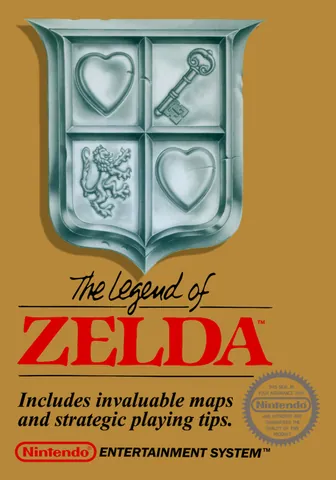 The Legend of Zelda NES · 1986 (JP) / 1987 (US)
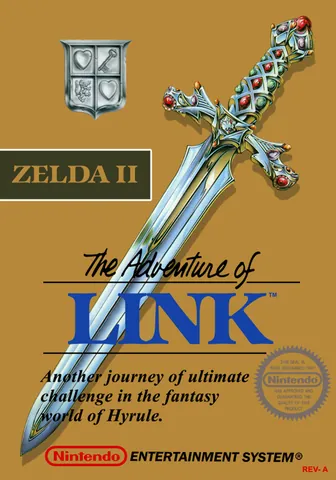 Zelda II: The Adventure of Link NES · 1987 (JP) / 1988 (US)
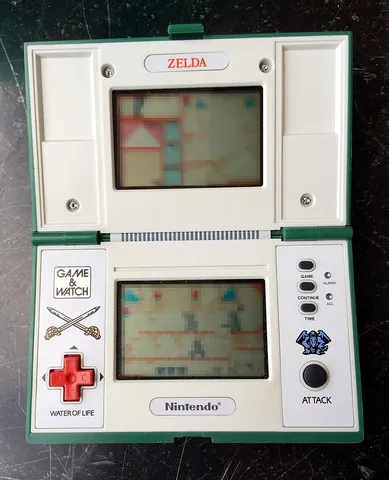 Zelda (G&W) G&W · 1989
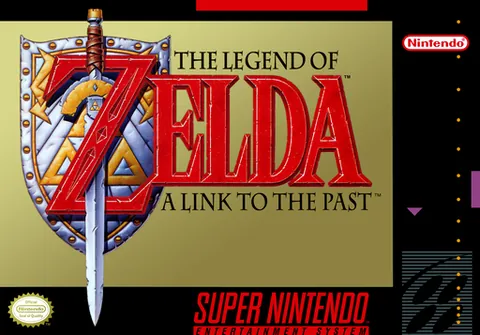 The Legend of Zelda: A Link to the Past SNES · 1991 (JP) / 1992 (US)
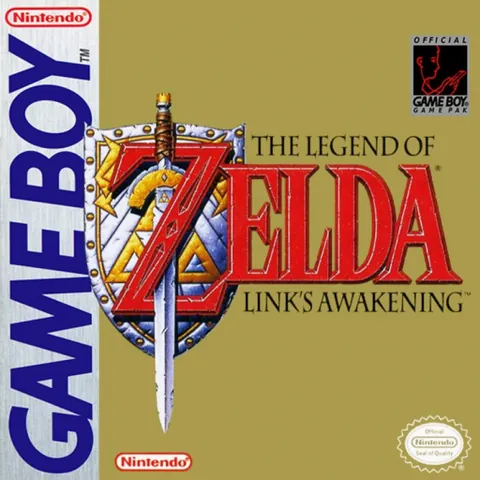 The Legend of Zelda: Link's Awakening (DX) GB · Switch · 1993 (DX 1998)
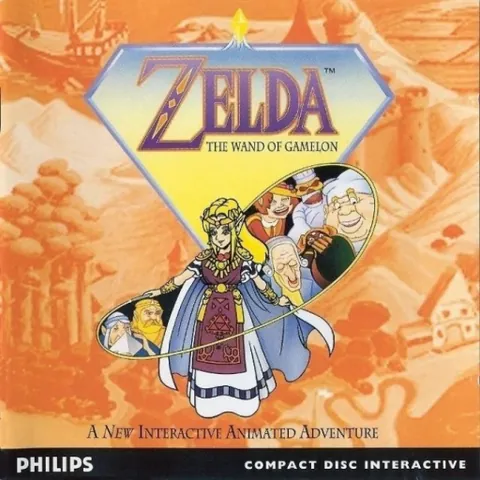 Zelda: The Wand of Gamelon CD-i · 1993
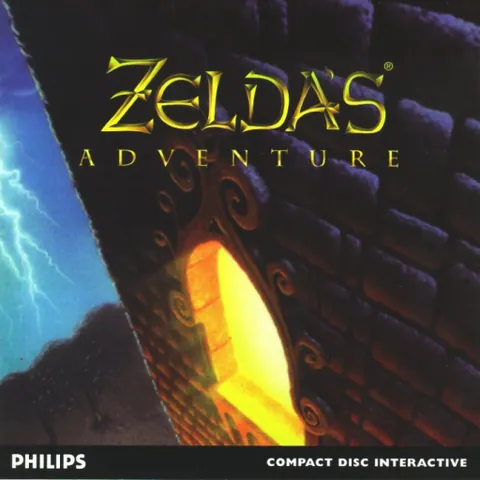 Zelda's Adventure CD-i · 1994
 The Legend of Zelda: Link's Awakening DX GBC · 1998
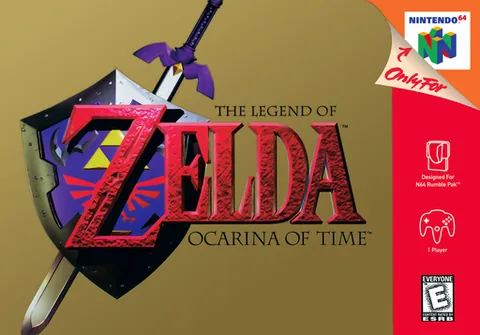 The Legend of Zelda: Ocarina of Time N64 · 1998
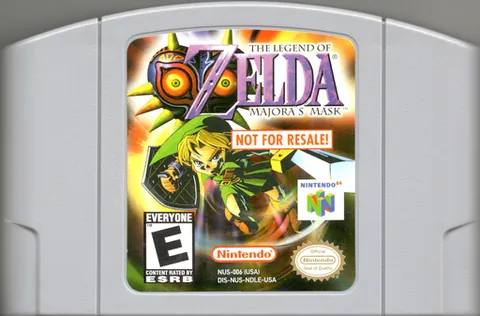 The Legend of Zelda: Majora's Mask N64 · 2000
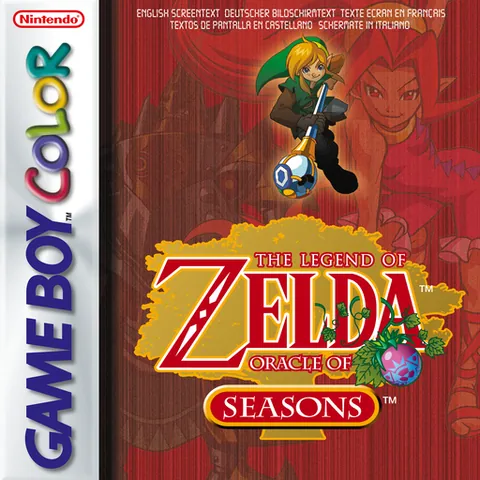 The Legend of Zelda: Oracle of Seasons GBC · 2001