 SEGA · 1998
Game consoles
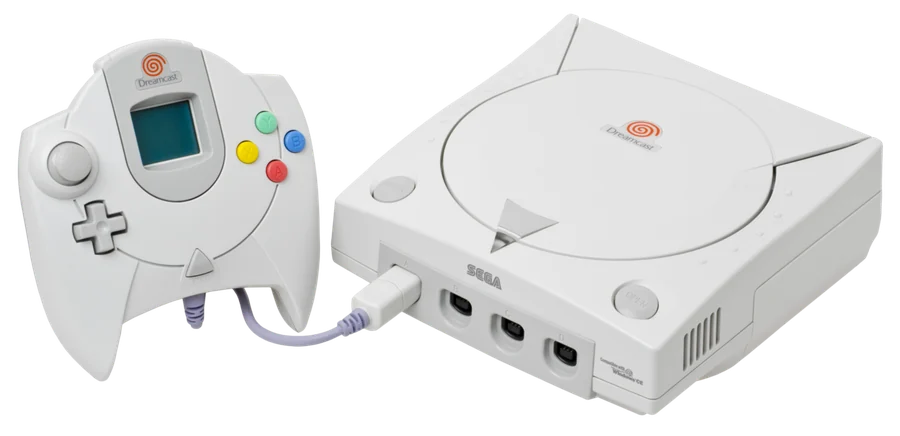
SEGA Dreamcast
History & context
When Sega introduced the Dreamcast in Japan in 1998 (and a year later in Europe and North America), few suspected they were witnessing the swan song of one of the biggest names in the gaming industry. After the painful failure of the Saturn, Sega bet everything on a single card: on a technically advanced but above all easy-to-program machine that was supposed to beat the competition on quality, not marketing muscle. And in many respects the Dreamcast really was a generation ahead — it arrived as the very first home console with a built-in modem for playing over the internet.
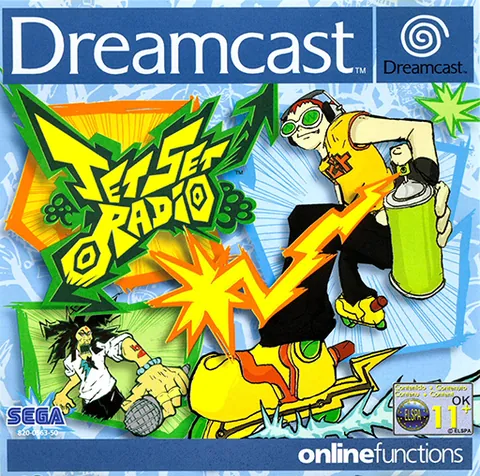
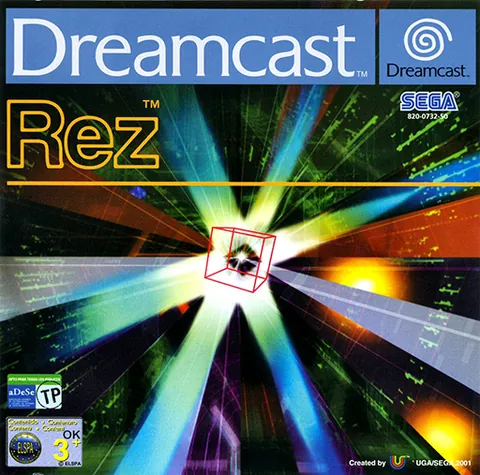
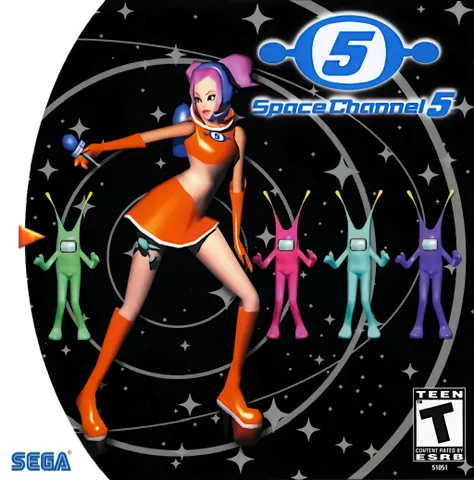
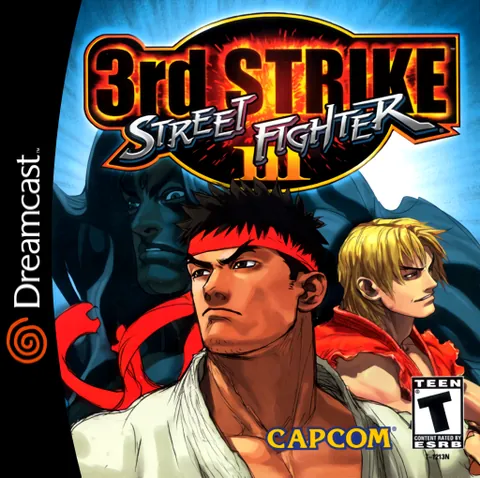
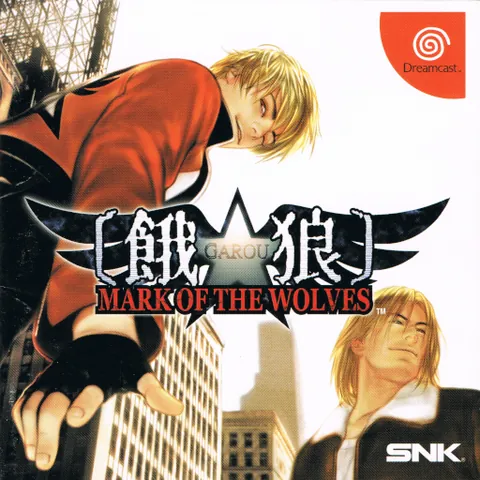
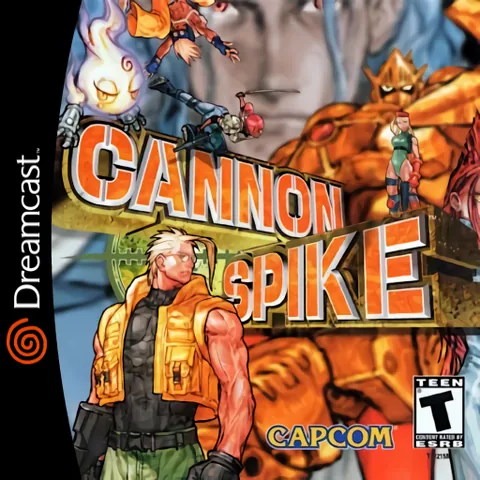
The start was great. In its first year the console sold excellently and the library filled up quickly. But then came the announcement of the PlayStation 2, which lured buyers with DVD playback and leaned on the enormous momentum of its brand. Publishers began shifting support to Sony even before the PS2 had even launched, and the financially exhausted Sega no longer had the strength to fight. In 2001 production ended and Sega withdrew from hardware for good. It was precisely this premature death that turned the Dreamcast into a cult machine with a concentrated, exceptionally high-quality library — from uncompromising arcade ports through crazy originals like Jet Set Radio, Space Channel 5 or Rez to fantastic 2D fighters and shmups.
Technology: graphics and sound
At the heart of the Dreamcast was a 128-bit Hitachi SH-4 processor clocked at 200 MHz with a built-in unit for floating-point work. Graphics were handled by the PowerVR2 chip (PowerVR Series2, CLX2) from NEC/VideoLogic, which used the technique of tile-based deferred rendering — efficiently discarding overdrawn surfaces and thus saving computing power. The console had 16 MB of main memory and 8 MB of video memory and typically managed a resolution of 640×480 with a full palette of colors.
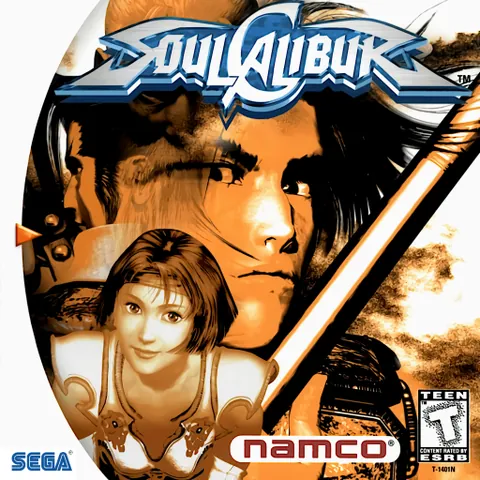
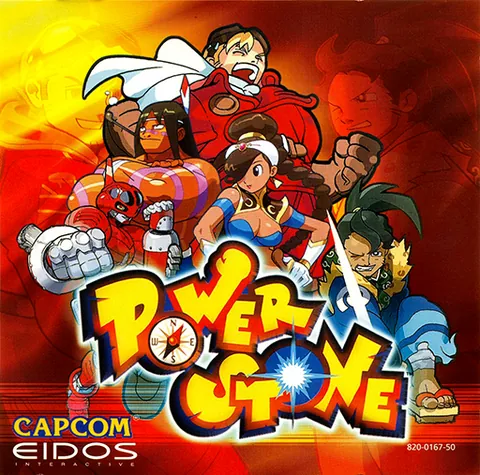
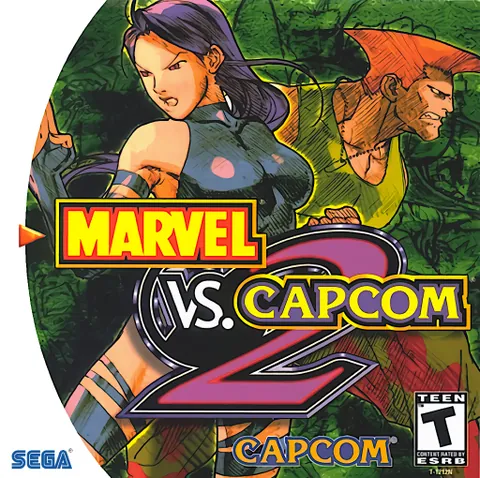
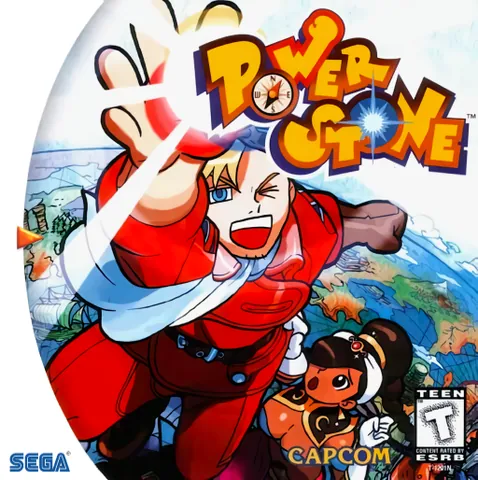
Sound was handled by the Yamaha AICA processor with an ARM7 core, capable of 64 voices and PCM as well as ADPCM playback — a very solid foundation for its time for quality music and spatial effects. The result was a console that could faithfully carry over arcade games: Soulcalibur even looked better at home than in the arcade, and titles like Marvel vs. Capcom 2 or Power Stone ran briskly and without compromise.
Connectivity and peripherals
The most famous Dreamcast peripheral was without doubt the VMU (Visual Memory Unit) — a memory card with its own small monochrome display and buttons, which slid right into the controller. It served not only to save positions but could also display supplementary information during a game, or even run tiny minigames as a standalone pocket toy.
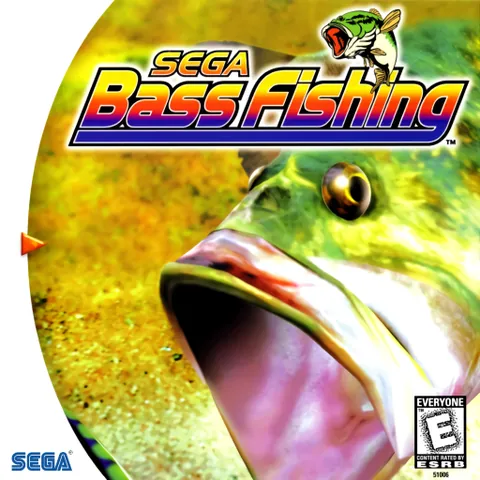
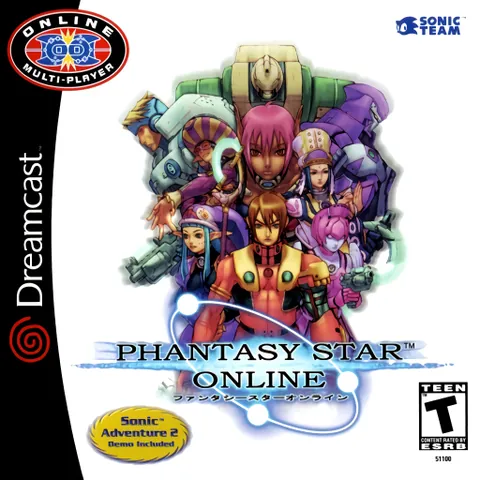
The aforementioned built-in modem (56k, in some regions later replaced by a broadband adapter) enabled online play in titles like Phantasy Star Online and thus was years ahead of its time. A vibration module (Jump Pack/Puru Puru Pack) could also be connected to the controller, and there were special arcade sticks, a fishing controller, a keyboard, a mouse, a microphone for Seaman and a light gun available. The console offered both composite/RGB SCART and VGA output for a sharp image on a monitor.
Models and revisions
The Dreamcast hardware remained fairly uniform throughout, differing mainly regionally and cosmetically. The Japanese, North American, European and Australian versions differed by regional lock and the color of the logo (an orange spiral in Europe and Japan, blue in North America due to a trademark). Besides the basic white variant, a number of limited color editions were released — well known are, for example, the black Sega Sports edition or various Japanese specials. A key internal difference was the GD-ROM drive and later motherboard revisions, which affected the susceptibility to running homemade copies.
The GD-ROM (Gigabyte Disc) medium was a format developed by Sega with a capacity of around 1 GB, intended to make piracy harder — paradoxically, however, it turned out that the console could boot even from ordinary burned CD-Rs, which in later years gave it unprecedented longevity among enthusiasts.
Clones and variants
The Sega Dreamcast had no classic "clones" in the sense of, say, the ZX Spectrum or the NES, because it was a technically demanding machine of a closed generation. A related platform was the arcade board Sega NAOMI, which shared its architecture with the Dreamcast (the same SH-4 and PowerVR2) — thanks to which the arcade ports were exceptionally faithful and conversions in both directions were easy. In the Czech and Czechoslovak environment the Dreamcast arrived only after the revolution as standard imported hardware; the era of domestic clones that we experienced with 8-bit machines like the Didaktik (a ZX Spectrum clone) or with famiclones and the Pegasus in the case of the NES no longer applied to consoles of this generation.
Today's scene
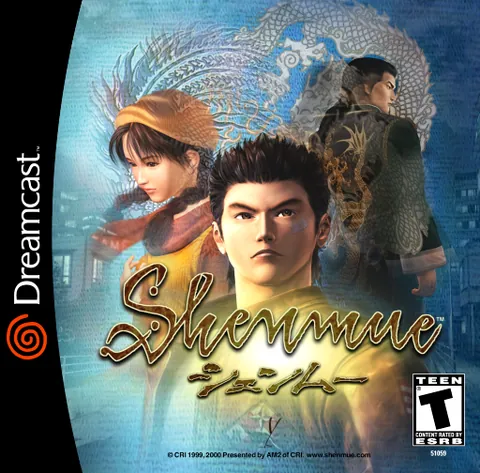
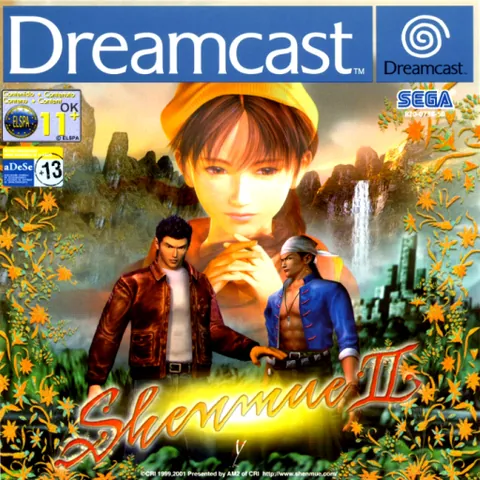
The Dreamcast still has a remarkably lively community. For retro gamers there is great news: the most widespread emulator Flycast (also available as a core in RetroArch) handles the vast majority of the library very well — especially 2D titles, fighters and shmups run great even on weaker portable hardware, only the most demanding 3D games like Shenmue can cause trouble. On more powerful handhelds (for example an Anbernic with the H700 chip, where the RG46R is noticeably snappier than the RG35XX Pro) the Dreamcast is the most powerful console you can reasonably play.
And what's rare — new games are still being released for the Dreamcast on real discs. The active homebrew and indie scene benefits from the fact that the console boots easily from burned media, so for fans of 2D genres and arcade action it remains a small, still-open sanctuary.
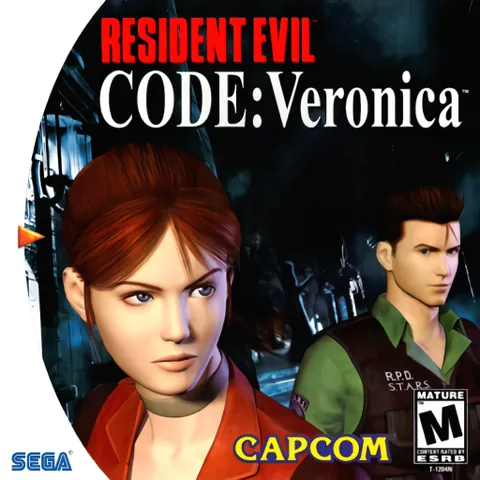
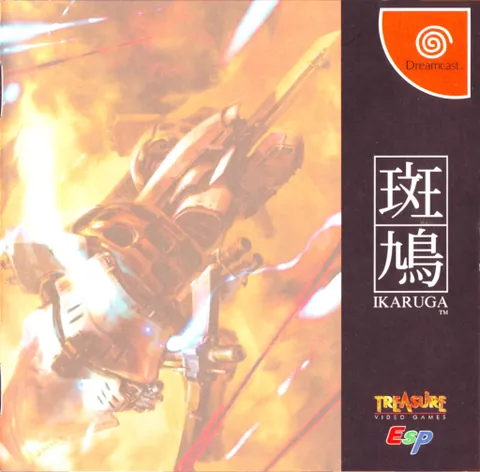
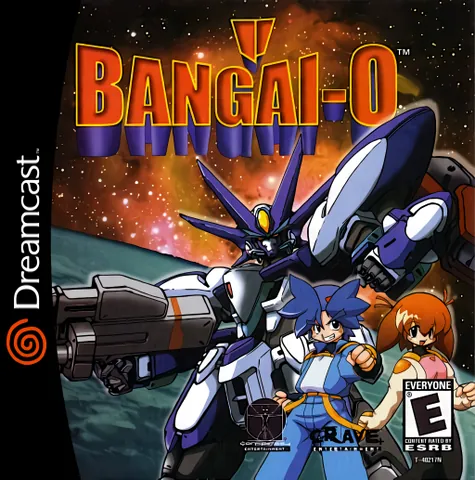
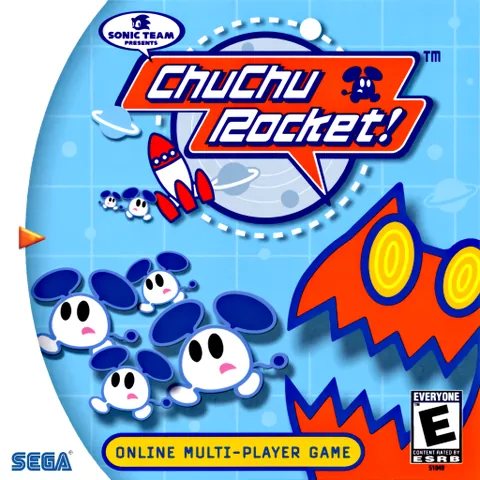
Games on this platform (54)
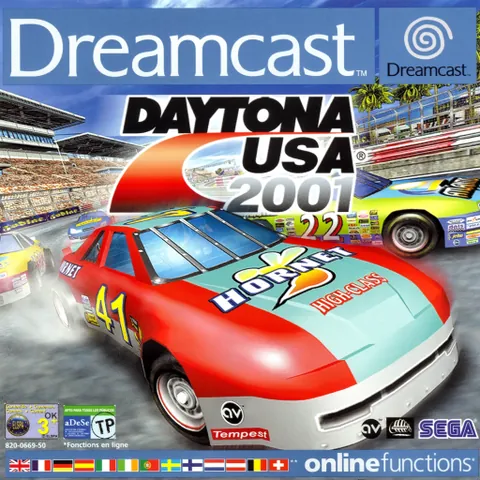
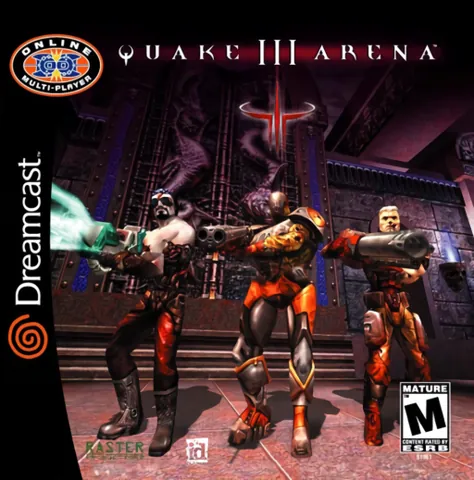
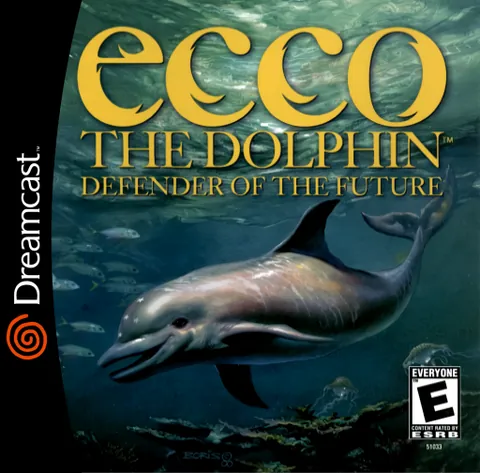
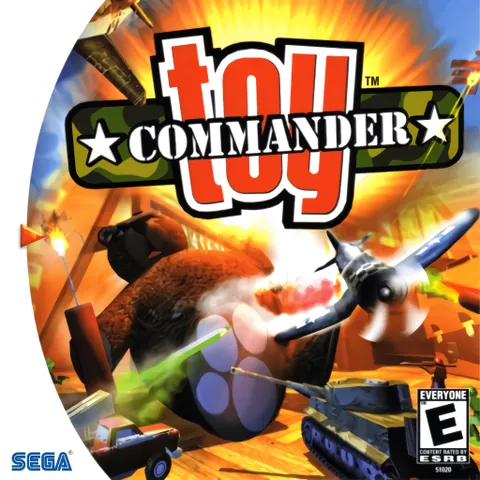
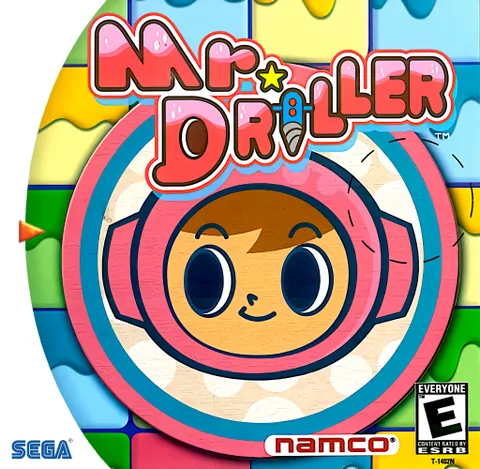
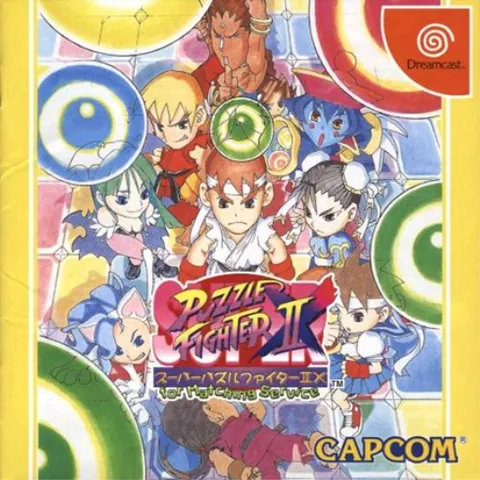
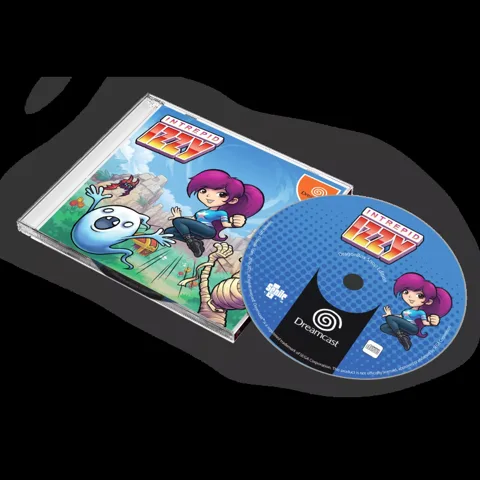
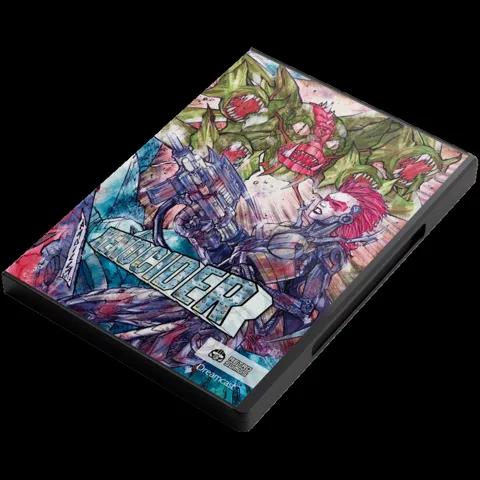
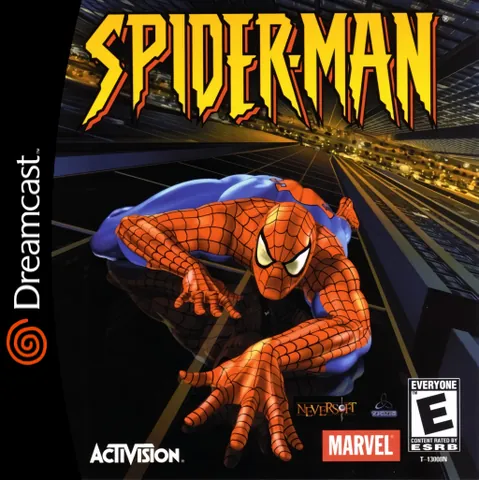
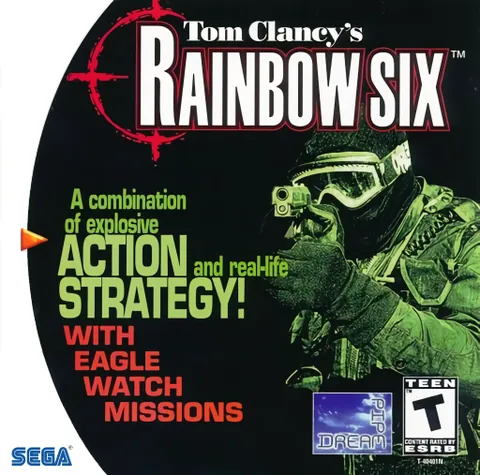
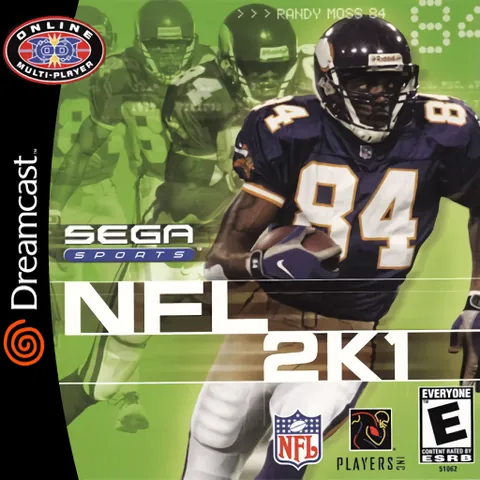
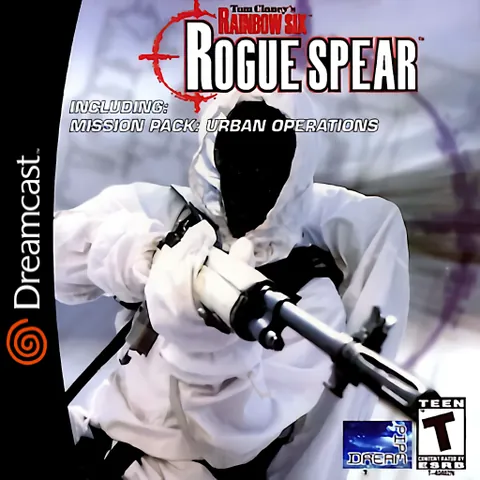
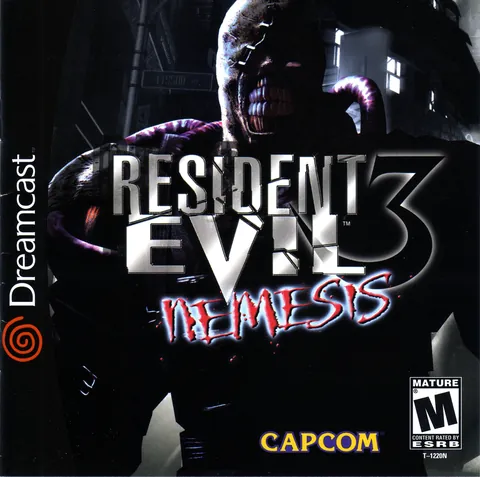
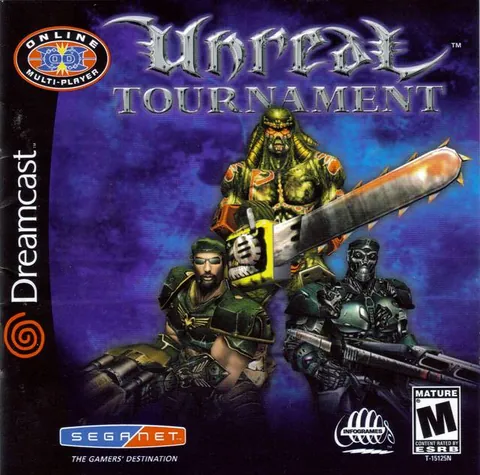
No game in this genre.