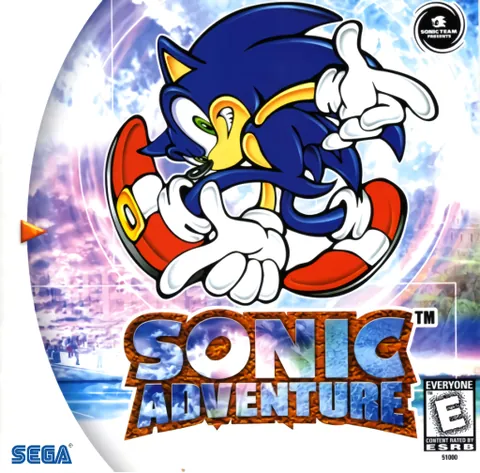
Sonic Adventure
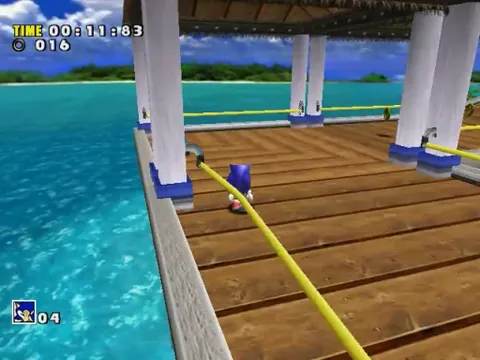
When the blue hedgehog first fully leapt into the third dimension in 1998, it was a moment Sega fans had awaited for years. Sonic Adventure became the flagship draw of the Dreamcast's Japanese launch, and its task was to convince the world that the legend of the 16-bit era could handle the transition to 3D without losing its pace. And to a large extent it succeeded.
At the core are the classic speed stages, where Sonic tears along loops, corkscrews and steep descents so briskly that the camera can barely keep up. To this the studio Sonic Team added a varied palette of playable characters, each offering a different style: Tails races, Knuckles hunts for shards of the Master Emerald, Amy flees and the robot E-102 Gamma shoots. Not every style was equally popular, but the variety kept the game fresh and gave it an unexpected breadth of content for its time.
Graphically it was a demonstration of the new console's power. The open hub zone of Station Square, the waterfalls, lava temples and the battle with the water god Chaos felt like sci-fi in 1998. The Dreamcast was flexing muscles the competition of the day did not have, and Sonic Adventure became one of the first calling cards of what the console could do.
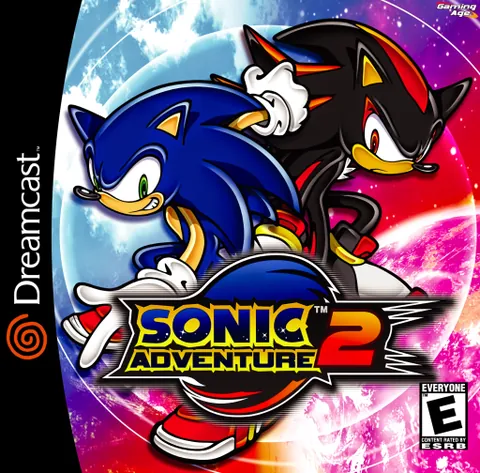
Development continued with Sonic Adventure 2, which significantly fine-tuned the pace. It focused on the strongest element - the fast stages of Sonic and his dark counterpart Shadow - while the treasure-hunting and mech levels remained more of a supplement. The game also brought the Chao garden, where you raised virtual pets and, thanks to the VMU memory card, played minigames with them even away from the television. This combination of platforming and a tamagotchi element still has devoted fans to this day.
Both games defined the shape of 3D Sonic for years to come and received re-releases on later platforms, which introduced them to a new generation of players. Despite occasional technical quirks, they remain a symbol of Sega's ambitions at the twilight of the era of its own consoles.
Why play it: Because it is the defining leap of the iconic hedgehog into 3D - energetic, ambitious and full of ideas that shaped an entire era.
Game 1 of 54 for SEGA Dreamcast
From the same series Sonic the Hedgehog →
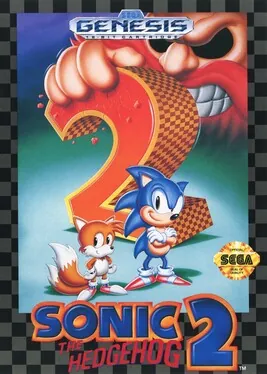 Sonic the Hedgehog 2 GG · Mobil · MD · SMS
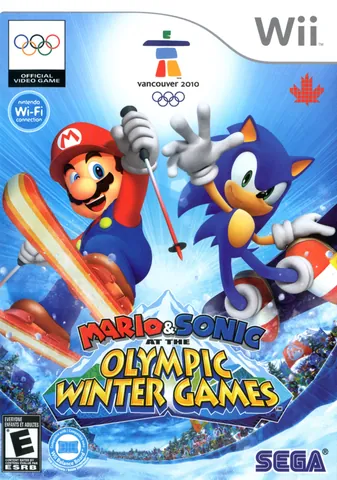 Mario & Sonic at the Olympic Winter Games Wii · DS
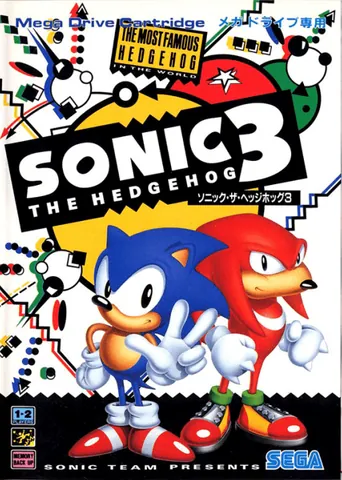 Sonic the Hedgehog 1–3 MD · 1991–1994
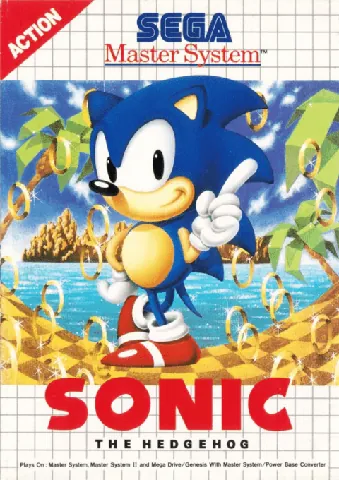 Sonic the Hedgehog (8-bit) SMS · GG · Java ME · 1991
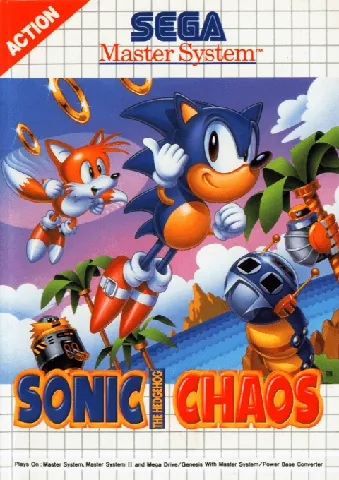 Sonic Chaos SMS · GG · 1991–1994
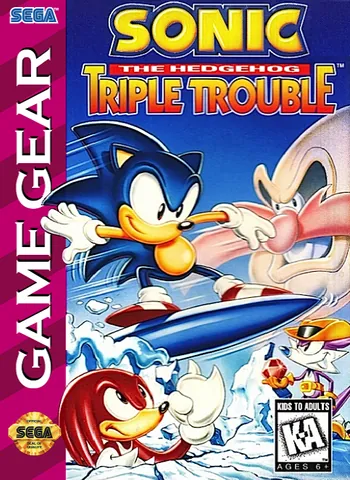 Sonic Triple Trouble GG · 1991–1994
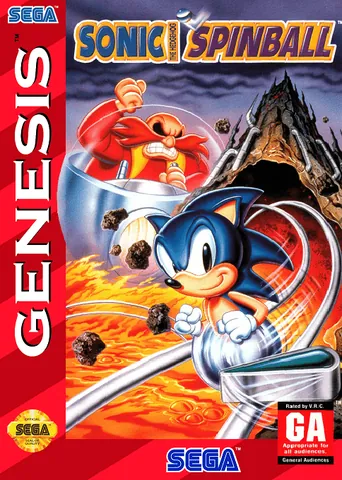 Sonic Spinball MD · 1993
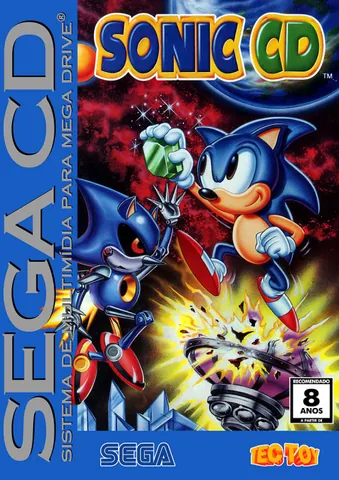 Sonic CD MCD · Mobil · 1993
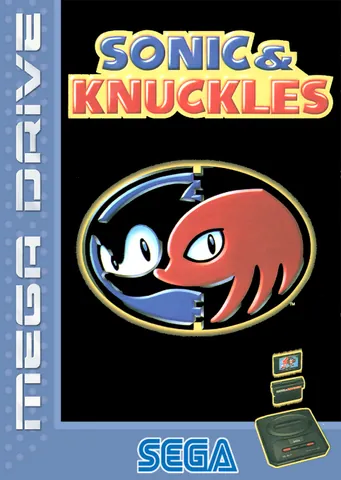 Sonic & Knuckles MD · 1994
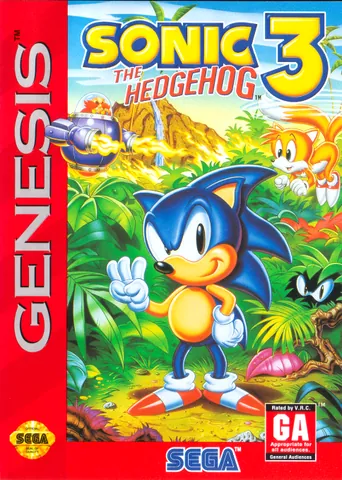 Sonic the Hedgehog 3 MD · 1994
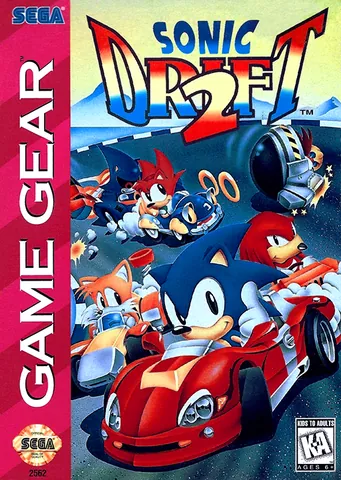 Sonic Drift 2 GG · 1995
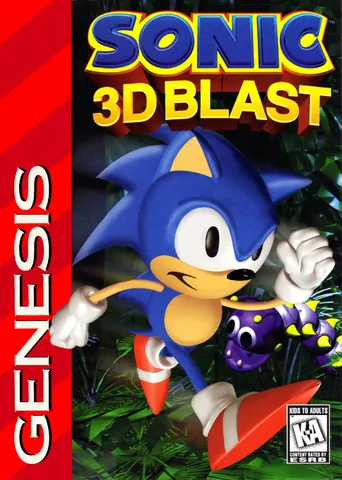 Sonic 3D Blast MD · Saturn · 1996