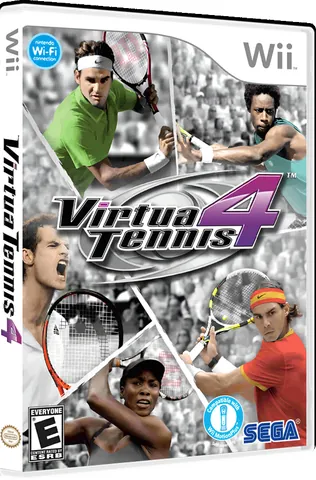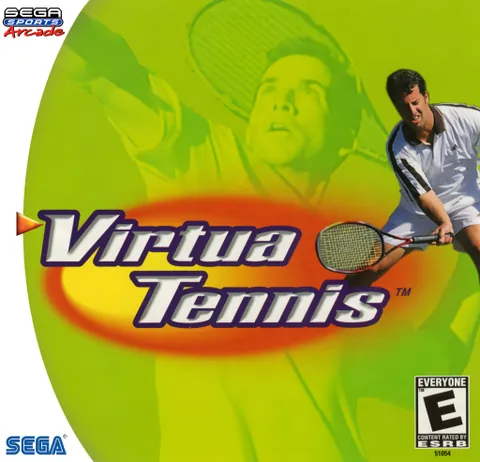
Virtua Tennis
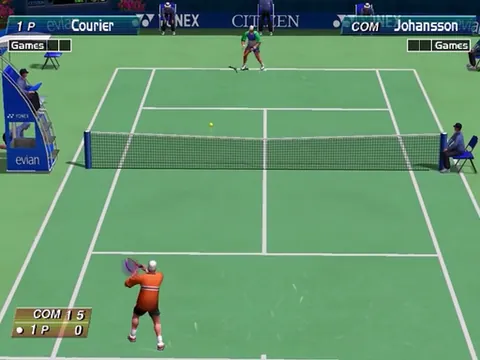
Just a few seconds with the controller and you'll understand why Virtua Tennis still holds its reputation as the purest tennis game the arcades ever spat out. No lengthy tutorials, no menus full of statistics — just the ball, the court and an instant plunge into a game that's hard to walk away from.
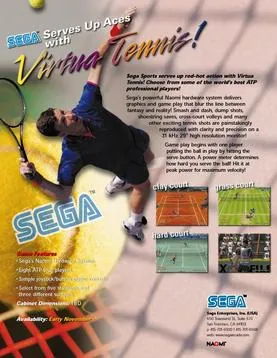
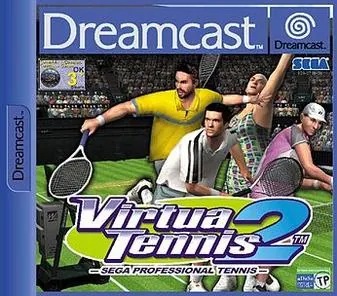
Sega AM3, led by Mie Kumagai, showed here what a perfectly tuned arcade feel looks like. The controls rest on just two buttons — topspin and lob — but the depth emerges from timing, positioning and reading your opponent. The game runs on the NAOMI hardware, which shares its architecture with the Dreamcast, so the 2000 home port was practically a lossless transfer of the arcade cabinet into the living room. The fluidity and pace felt revolutionary.
The heart of the home version, however, is the World Circuit (Tour) mode, which enriched the tennis with a career woven through with bizarre minigames. You'd knock down bowling pins with your serve, hit targets, smash giant balls — training disciplines that became just as addictive as the matches themselves. It was this layer that turned a short arcade ride into a game worth dozens of hours.
Where Virtua Tennis truly shines is multiplayer. Four-player doubles on a single console is one of the legendary social experiences of the era — immediately understandable to anyone, yet tactical enough to spark dramatic rallies and bitter defeats by a single point. It's the kind of game people shout over.
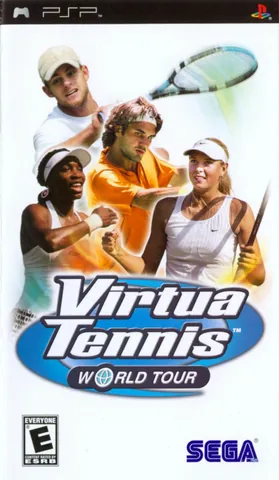
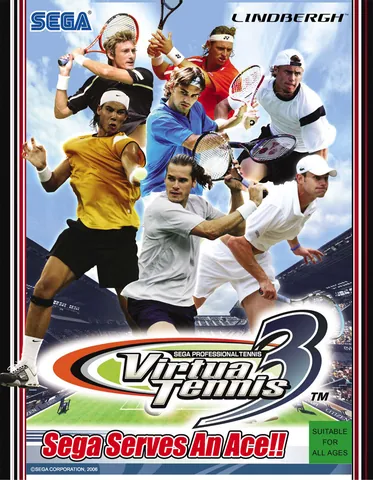
The title's influence on the genre was fundamental: it set the bar for arcade tennis and defined how such a game should look and play. The series continued with a string of installments, and Virtua Tennis became one of the pillars on which the Dreamcast built its reputation as a console of top-tier arcade conversions.
Why play it: The purest and most addictive arcade tennis of its era, one that reliably gets a whole room going around a single console.
Game 21 of 54 for SEGA Dreamcast