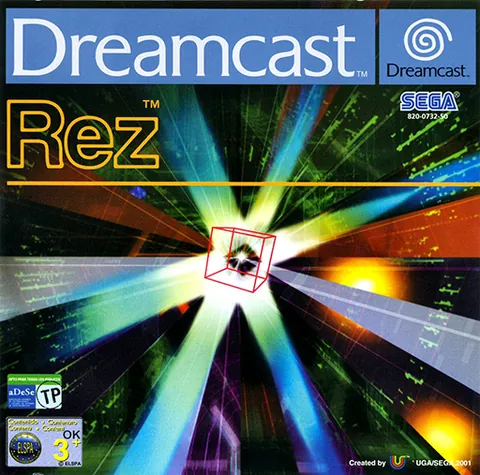
Rez
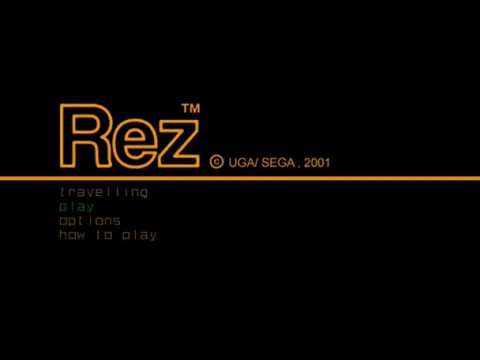
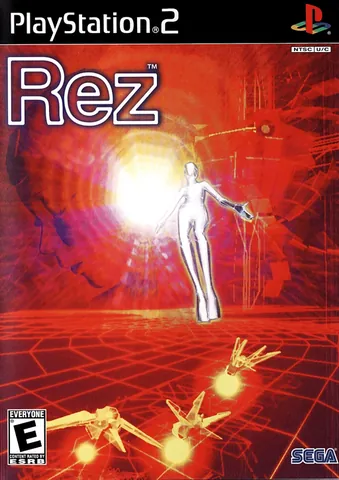
Some games you want to play, others you want to feel – and Rez clearly belongs to the second group. This synesthetic rail shooter from 2001 by United Game Artists, led by the visionary Tetsuya Mizuguchi, doesn't ask only about your reflexes but tries to link sight, hearing and touch into a single flowing stream of sensation.
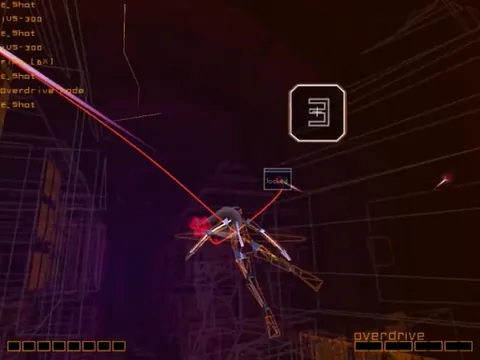
The principle is simple at first glance: you move a reticle across the screen, target enemies and fire off salvos of shots. The magic, though, lies in the fact that every action, every hit and every explosion generates sound and a visual effect in rhythm with the music. As you progress through the levels you literally compose an electronic track through your play – the better and more rhythmically you play, the richer and more satisfying the resulting wall of sound and image.
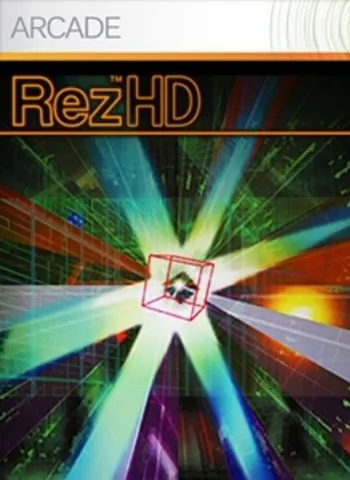
The visual side draws on abstract art, and Mizuguchi made no secret of his inspiration from the painter Kandinsky and the very idea of synesthesia, the blending of the senses. The world of Rez is built from wireframe models, glowing points and geometric shapes that pulse to the music and draw you into an almost trance-like state. It's an experience that eludes the usual categories and feels more like an interactive work of art.
At the time of its release Rez was significantly ahead of its time and became one of those titles referenced whenever the conversation turns to games as art. Its influence is felt across a whole wave of later rhythm and audiovisual games.
Its lasting significance is attested by the fact that much later it received a reworked version, Rez Infinite, with virtual-reality support that carried the original vision into an environment it seemed made for from the start. But on the Dreamcast this whole remarkable journey began.
Why play it: A synesthetic shooter where you compose both music and visuals through your play – a timeless, artistically ambitious work that was ahead of its time and inspired a whole wave of followers.
Game 15 of 54 for SEGA Dreamcast
The same title elsewhere (2)
The Japanese SEGA Dreamcast version from 2001 is the original release, made famous partly through the Trance Vibrator, a special peripheral that pulsed in time with the music and carried the game's synesthetic experience into the player's hands. The Sony PlayStation 2 release followed shortly after and brought Rez to a much wider audience worldwide; it benefited from the PS2's somewhat more powerful hardware, so it preserved the same vision of the game without compromise, just on a more popular console. Content and gameplay remain the same core experience — the main difference is that the Dreamcast version is the rarer Japanese original, while the PS2 version is the one that actually brought Rez to the world.