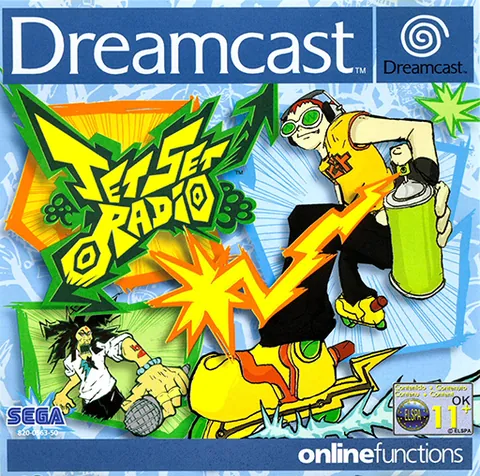
Jet Set Radio
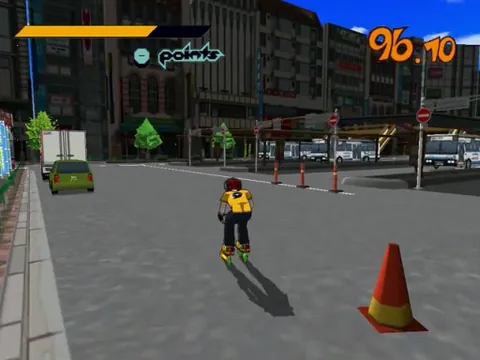
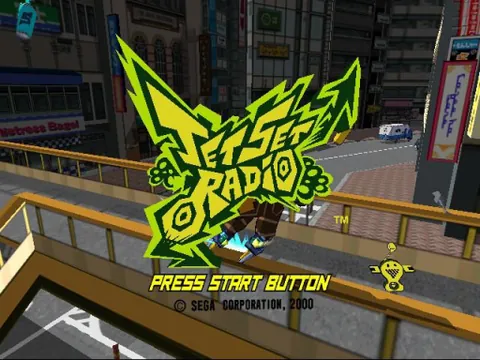
Few games looked as different in 2000 as Jet Set Radio. While the rest of the industry chased ever more realistic polygons, Sega came out with a comic-book-stylized world that looked like a moving poster — and in doing so changed the very idea of what a video game could look like.
The game from Smilebit was one of the pioneers of cel-shading, a technique that makes 3D models look like hand-drawn artwork with bold outlines. That moment set off a whole wave of imitators and stylized games that abandoned the chase for photorealism in favor of artistic expression. Visually, Jet Set Radio still holds a freshness that realistic titles of the era lost long ago.
The gameplay is as rebellious as the look. You play as a crew of young inline skaters who cruise the streets of a stylized Tokyo, spray graffiti on walls and billboards and dodge the police and rival gangs all the while. The combination of smooth skating, tricks and spraying in the right rhythm gives the game its own, almost dance-like tempo.
The soundtrack by Hideki Naganuma plays an indispensable role, blending funk, hip-hop and electronica into a unique sonic collage. The music here is just as important as the controls — it sets the mood, the energy and the pace of the whole street, and became one of the most distinctive elements of the entire game.
Jet Set Radio became a style icon of the era and a cult title that transcended commercial success. Its influence on the visual language of games is felt to this day, and the game received re-releases that opened its doors to new players.
Why play it: For its unmistakable style, rebellious atmosphere and a soundtrack that turns skating around Tokyo into an unforgettable experience.
Game 5 of 54 for SEGA Dreamcast