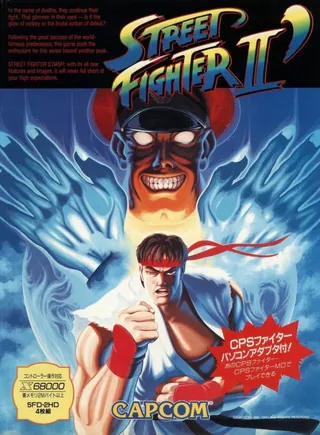
Street Fighter II' Champion Edition
Street Fighter II' Champion Edition arrived on the Sharp X68000 at a time when the fighting game was already a worldwide phenomenon, and it became one of Capcom's last great achievements on this platform. Compared to the original version, Champion Edition adds playable bosses Balrog, Vega, Sagat and M. Bison, and above all allows mirror matches, where two identical fighters in different colors can face each other. The system is still a textbook example today: eight directions, six buttons of varying strength for punches and kicks, special moves input with quarter-circles and dragon motions of the joystick, and above it all a layer of timing, range and reading the opponent that made the game the first true competitive sport of the video game era.
The conversion to the X68000 had a difficult task, because the CPS arcade board had more memory and colors than the home computer offered. Nevertheless, the result preserves large, smoothly animated characters, recognizable backgrounds from an Indian shrine to a Chinese market, and above all the speed without which a fighting game wouldn't make sense. The music performed by the Yamaha FM chip sounds different from the arcade machine, but has its own sharp character, and the famous themes of the individual arenas are fully recognizable; sampled attack shouts then give the fights the needed punch. For comfortable play, a proper arcade joystick was recommended, of which there were plenty available in Japan for this computer.
At the time, this title marked the closing of the X68000's golden era as a home arcade machine, and Japanese players took it as proof that the machine could keep pace even after six years. The influence of the game itself on the genre cannot be overstated: Street Fighter II created the rules by which fighting games are still built today, from selecting characters with different fighting styles through the special attack system to the culture of tournaments and arcade challenges. Today this version is interesting mainly as a historical artifact and as a very solid way to play the classic on period hardware. The gameplay itself has aged remarkably well and even after decades can still split a room into two camps.
Game 4 of 25 for Sharp X68000
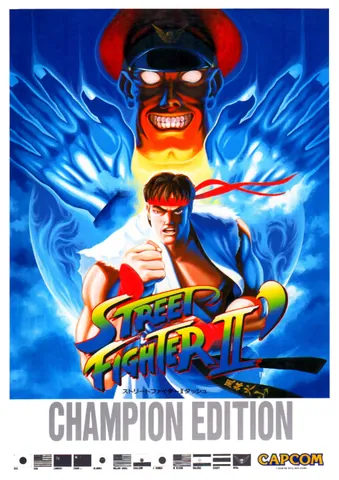
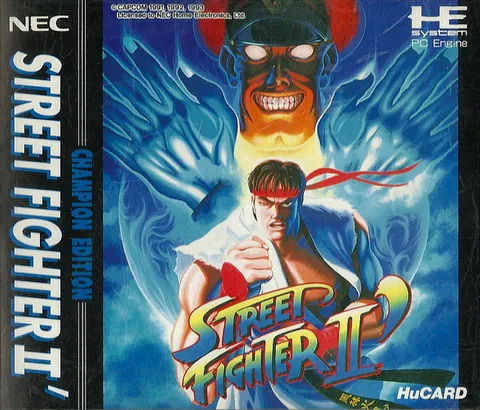
The same title elsewhere (2)
The Sharp X68000 version ranks among the most faithful home conversions of Street Fighter II ever made — the computer's hardware sat close to Capcom's own arcade boards, so it could keep colors, animation smoothness, and sound quality very near the arcade original. Other home platforms of the era fared worse: weaker sound chips couldn't reproduce each fighter's theme faithfully, color palettes had to be trimmed, and character animation lost frames just so the game would run on the available hardware. If you want to experience Street Fighter II' Champion Edition as close to the arcade as possible without feeding it coins, the X68000 version is the clear choice.
From the same series Street Fighter →
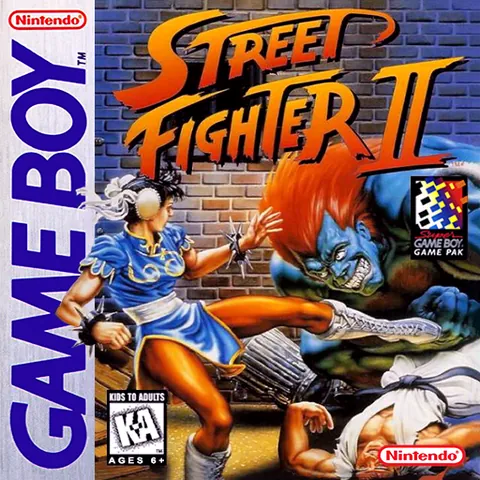 Street Fighter II GB · 1991
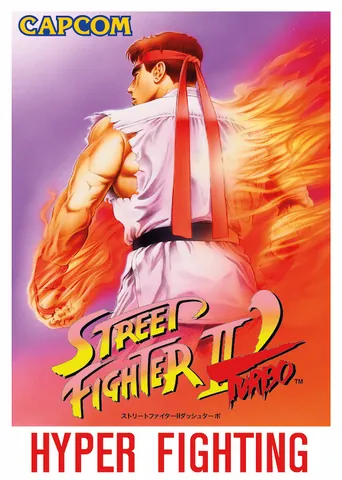 Street Fighter II: Hyper Fighting CPS · 1992
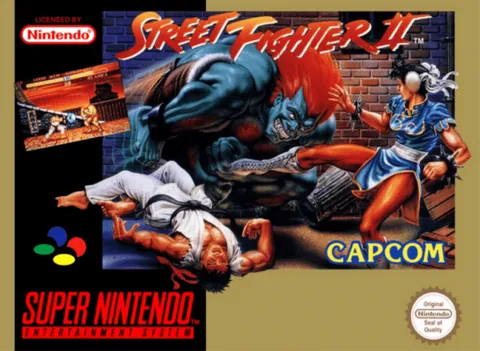 Street Fighter II Turbo: Hyper Fighting SNES · 1993
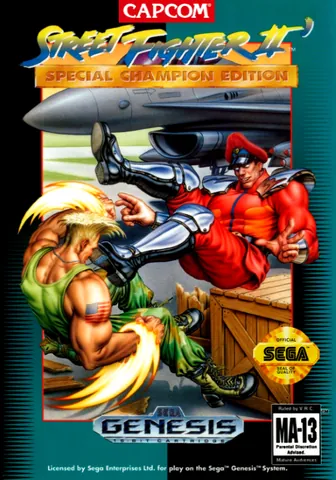 Street Fighter II: Special Champion Edition MD · 1993
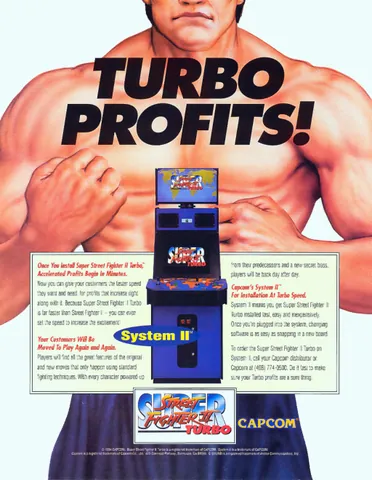 Super Street Fighter II Turbo MAME · 3DO · 1994
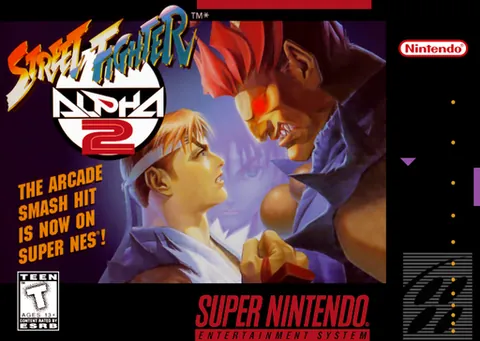 Street Fighter Alpha 2 SNES · Saturn · MAME · 1996
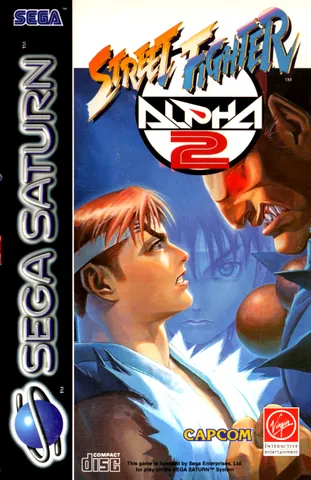 Street Fighter Alpha 2 / 3 Saturn · 1996+
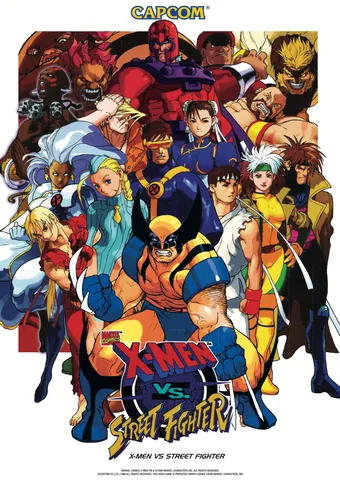 X-Men vs. Street Fighter MAME · Saturn · 1996
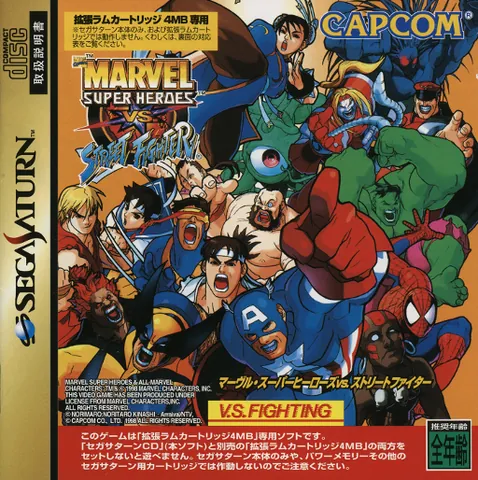 Marvel Super Heroes vs. Street Fighter Saturn · MAME · 1997
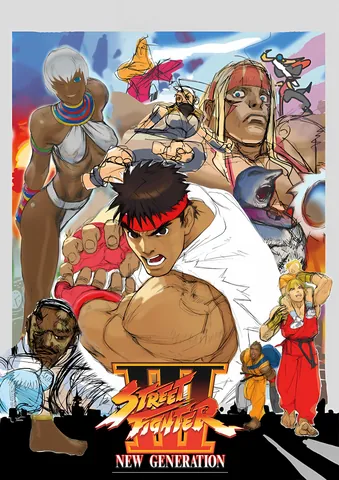 Street Fighter III: New Generation MAME · 1997
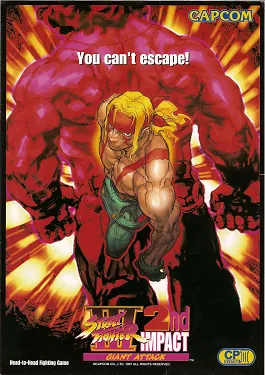 Street Fighter III: 2nd Impact MAME · 1997
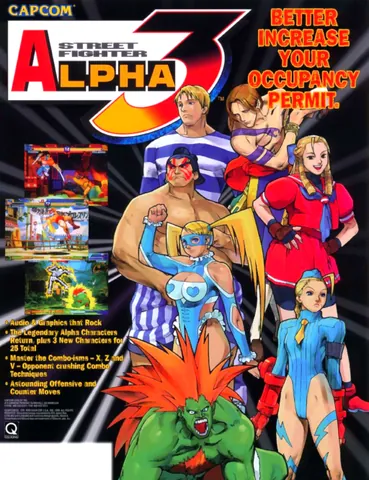 Street Fighter Alpha 3 CPS · PS1 · GBA · 1998