Ghouls 'n Ghosts
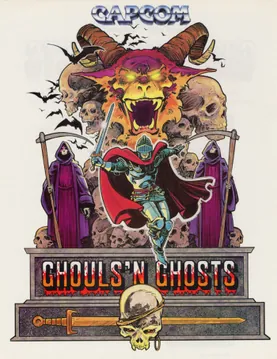
Ghouls 'n Ghosts, released in Japan as Daimakaimura, is the sequel to the famous Ghosts 'n Goblins, and on the Sharp X68000 it appeared in a form uncomfortably close to the arcade machine. Knight Arthur once again sets out for his beloved, this time against the demon Lucifer, and once again faces a journey across graveyards, ice fields, windmills, and burning villages. The core of the gameplay hasn't changed: Arthur throws spears, daggers, scythes, or shields, survives only a single hit before losing his armor and being left in his underwear, and a second hit means death. New compared to the first installment is the ability to shoot up and down, and above all the golden armor, which, once charged, unleashes a spell that varies depending on the currently equipped weapon.
The X68000 version is, from a technical standpoint, one of the high points of home conversions of its era. The computer managed rotating platforms, rippling water, collapsing bridges, and enormous bosses without noticeable cutbacks, while retaining the color richness that keeps the game's gloomy world looking so charming. The sound relies on FM synthesis and reproduces the famous melodies with their marching rhythm so well that you'll find yourself humming them long after switching the machine off. The atmosphere is an odd blend of horror and comic-book exaggeration, where death arrives with a skeletal laugh and the enemies are more cute than scary — until they've killed you for the fifth time in a row.
At the time, the game was among the most sought-after titles available for Japanese computers, and critics praised precisely its faithfulness to the original. The series' influence on the genre is undeniable: it defined the notion of the honestly hard platformer with punishing yet fair difficulty, and its DNA is visible from Dark Souls to modern indie titles that openly cite it as an influence. Today the game demands patience and a willingness to memorize enemy placement, but the reward is beautifully crafted action where every screen of progress feels like a personal victory. A must for anyone who wants to understand where the cult of difficult games comes from.
Game 3 of 25 for Sharp X68000
The same title elsewhere (5)
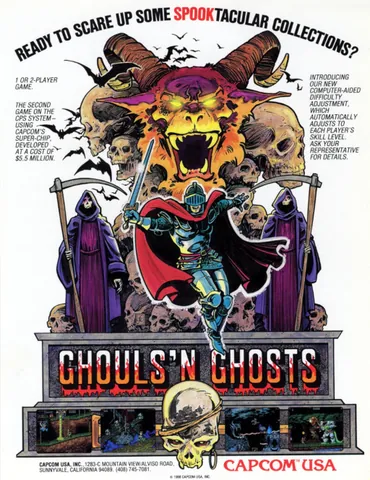
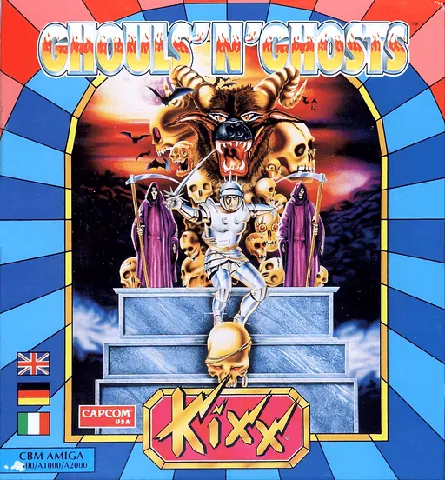
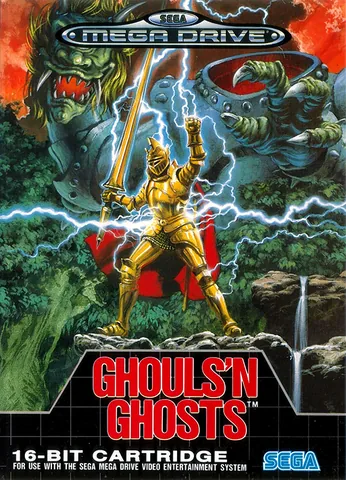
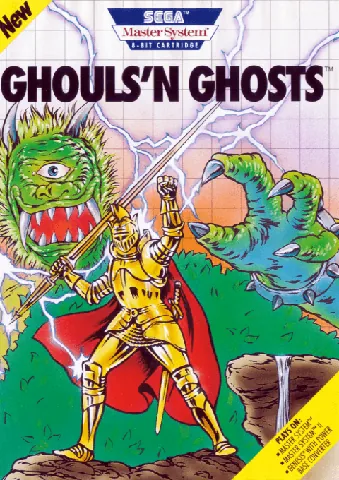
Capcom's 1988 arcade original ran on CPS hardware with sharp colors and merciless speed that home versions could only try to match. The closest conversion is the Sharp X68000 port, a Japanese computer built close to arcade hardware, so its graphics and pacing come nearest of all. The Mega Drive version ranks among the best home ports, though it had to trim some background detail. The Master System offered a simplified, shorter take with fewer colors. The Amiga and Atari ST struggled with slower scrolling and noticeably choppier animation compared to the arcade machine.