 Sony · 2004
Handhelds
Sony PSP
History & context
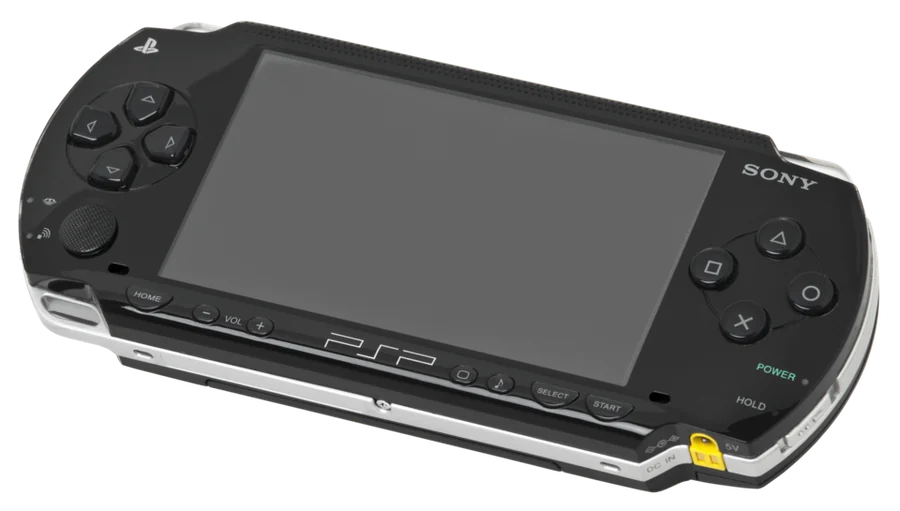
When Sony unveiled the PlayStation Portable in 2004 (in Japan on 12 December 2004, in Europe in the spring of 2005), it was the boldest assault on the portable market anyone had ever undertaken up to that point. Nintendo had held handheld gaming in its grip for more than fifteen years — from the Game Boy through the Game Boy Color to the Game Boy Advance. The PSP was the first console to promise a true console experience in your pocket: a widescreen display, smooth 3D graphics close to the PlayStation 2, and multimedia ambitions no one had crammed into a handheld gaming machine before.
The Nintendo DS stood against the PSP with its two displays and touch. Both devices ultimately found an audience — the DS won in sales, but the PSP became a darling of players who wanted „big“ games on the go as well. And not just players: thanks to its openness to custom code, one of the liveliest homebrew and emulation scenes ever formed around it.
Technology: graphics and sound
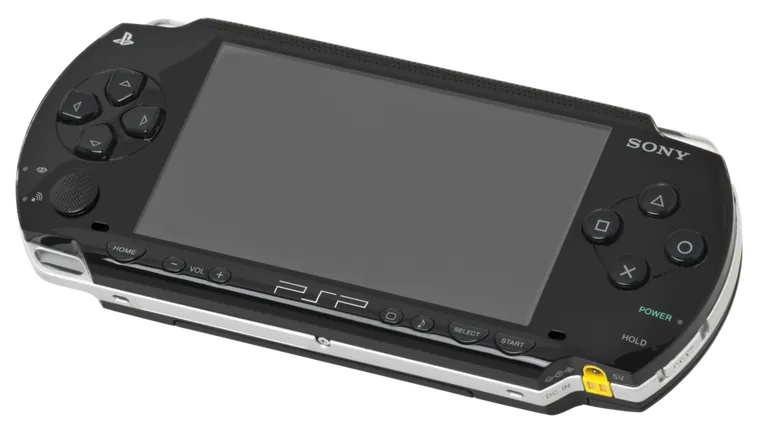
At the heart of the PSP is a pair of processors based on the MIPS R4000 architecture — the main CPU and a separate Media Engine, both clocked variably up to 333 MHz (the original firmware limited them to 222 MHz for the sake of battery life). Graphics are handled by a custom GPU with 2 MB of video memory, and the system has a further 32 MB of main RAM (models from the PSP-2000 onward received double, i.e. 64 MB).
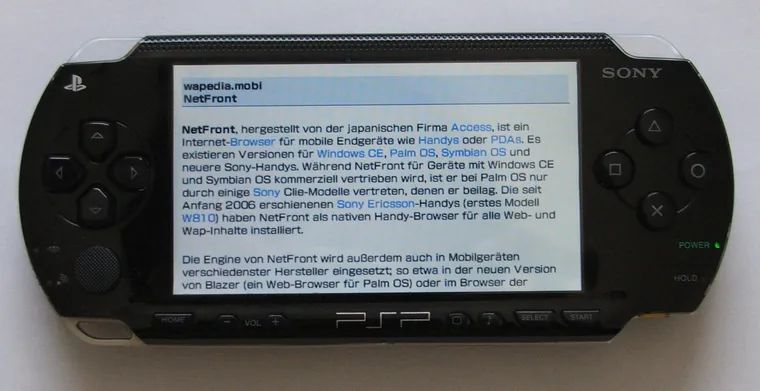
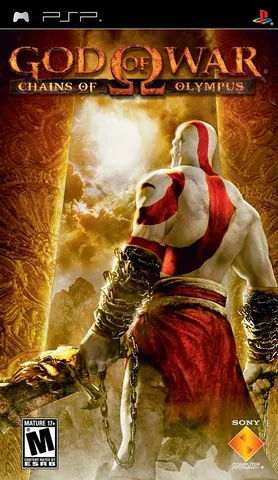
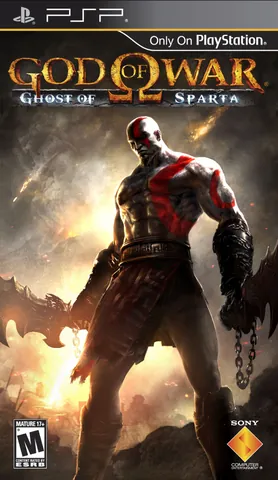
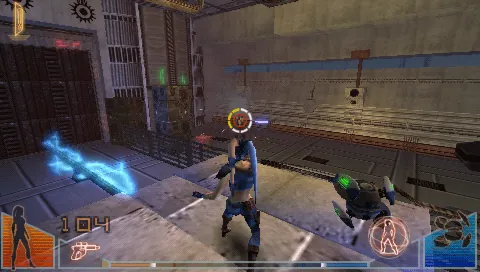
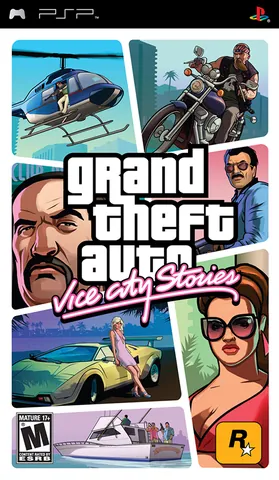
The original model's display measures 4.3 inches and offers a resolution of 480 × 272 pixels in 16:9 with 16.77 million colours — for the year 2005 it was an exceptionally sharp and colourful panel. The GPU handled hardware texturing, gouraud shading and transformations, thanks to which titles like God of War or GTA came visually close to their „big“ console counterparts.
Sound is handled by a hardware decoder capable of formats such as ATRAC3 and MP3 and multichannel output; stereo speakers are complemented by a headphone output. For both music and games it was clean, quality sound — the PSP was, after all, also sold as a portable media player.
Connectivity and peripherals
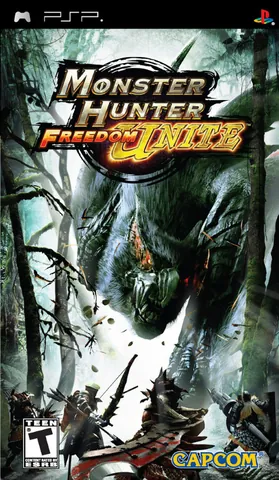
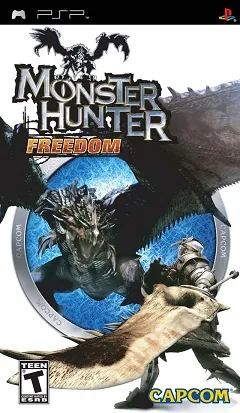
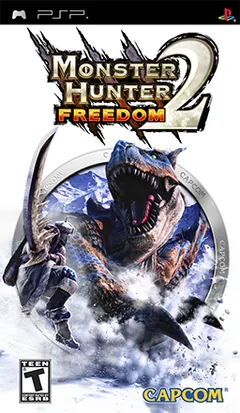
The PSP had rich connectivity for its time. Built-in Wi-Fi (802.11b) enabled local multiplayer as well as internet connection — in Japan, an entire social culture of communal hunting formed around Monster Hunter thanks to it. Only the original PSP-1000 model had an infrared port.
Media was loaded from a proprietary optical format, the UMD (Universal Media Disc) — small discs in a protective case with a capacity of around 1.8 GB. Alongside games, Sony also released films on them, though that turned out to be a dead end. Data and saves were stored on Memory Stick PRO Duo cards. The console offered AV output for connecting to a television (on the PSP-2000 model and newer, component and composite video as well).
Models and revisions
The Sony PSP went through several major redesigns:
- PSP-1000 (2004) — the original „fat“ model, robust, with an IR port and 32 MB of RAM.
- PSP-2000 „Slim & Lite“ (2007) — markedly thinner and lighter, 64 MB of RAM, faster loading from UMD, video output and the ability to charge via USB.
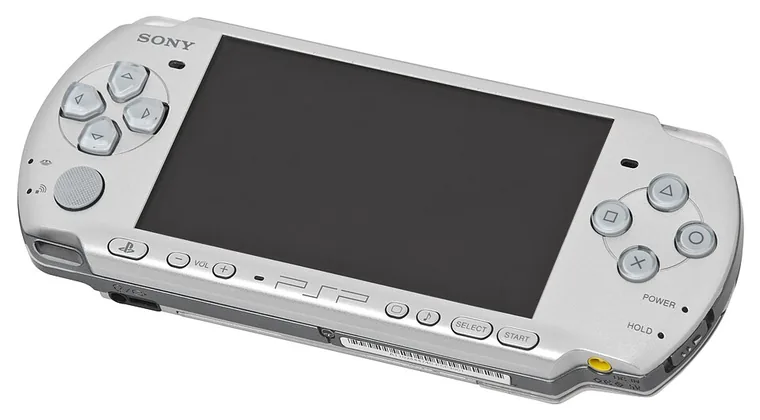
- PSP-3000 (2008) — an improved display with better colour rendition and reduced motion blur, a built-in microphone.
- PSP Go (PSP-N1000) (2009) — a radical shift: a sliding design, no UMD drive, just 16 GB of internal memory and purely digital distribution via the PlayStation Store. It arrived too early, however, into a time without fast and ubiquitous internet, and failed commercially.
- PSP-E1000 „Street“ (2011) — a cheap model without Wi-Fi and with a mono speaker, intended for a budget deployment in Europe.
Clones and variants
Genuine hardware clones of the PSP practically did not exist — it was a closed, technically demanding system. Cheap Asian „PSP-like“ players imitating the design did appear, but they have nothing to do with its actual game library. The platform's true „extension“ became the homebrew scene: after the firmware was cracked (custom firmware such as M33 and later the Pro-CFW series), the PSP became a favourite tool of enthusiasts. Emulators of eight-bit and sixteen-bit systems ran on it, and a huge community of custom applications sprang up — which made the PSP a legend among tinkerers, albeit against Sony's will.
Today's scene
The PSP is very much alive among emulation enthusiasts today. The top of the line is PPSSPP — a mature, open-source emulator running on PC, Android, iOS and a whole range of handheld retro consoles, which can increase resolution, smooth textures and speed up loading beyond the original.
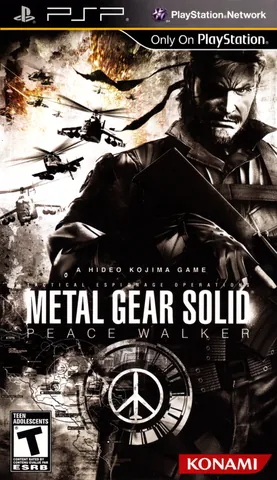
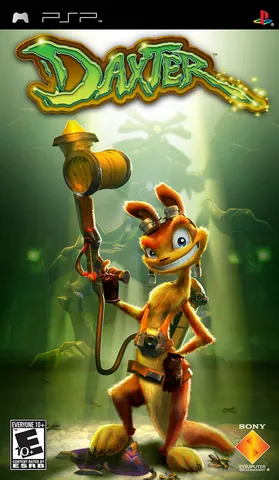
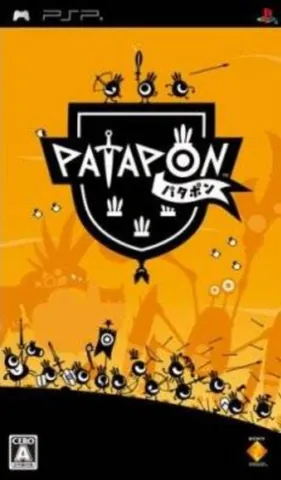
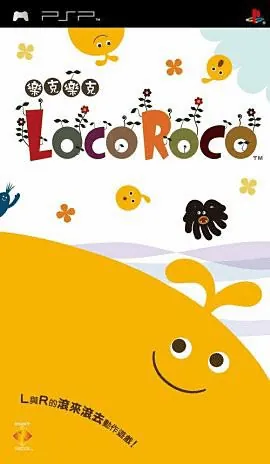
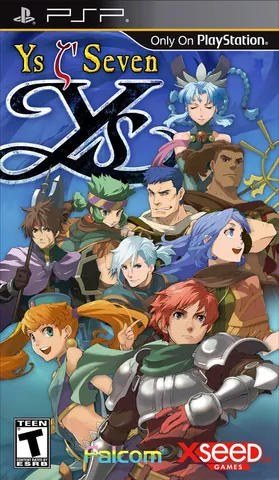
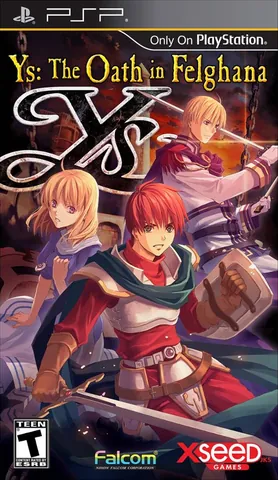
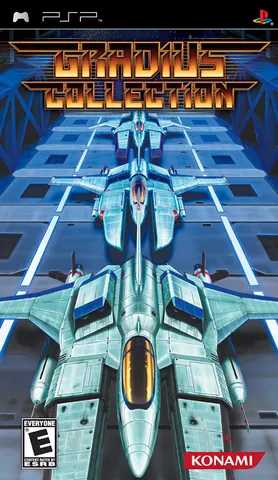
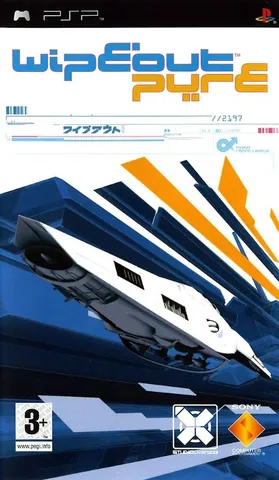
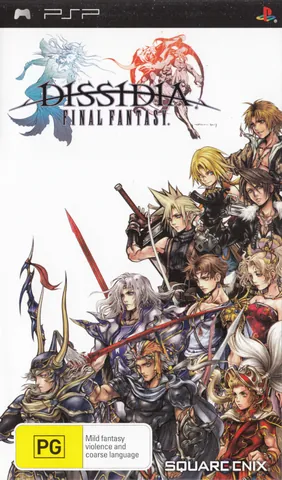
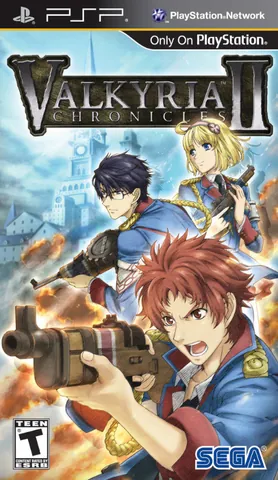
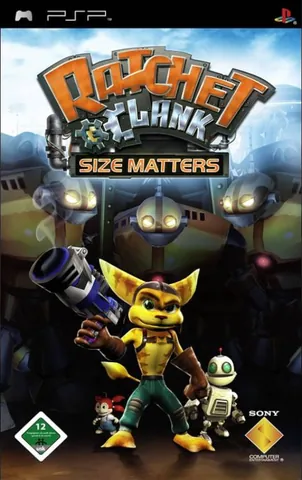
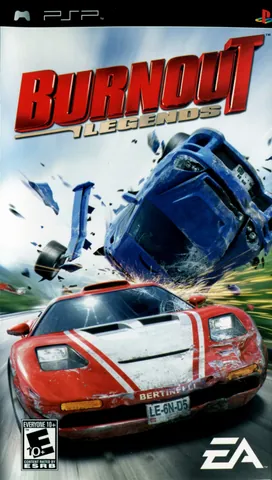
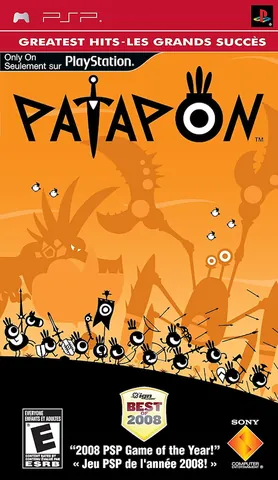
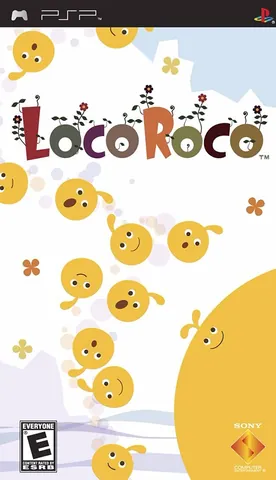
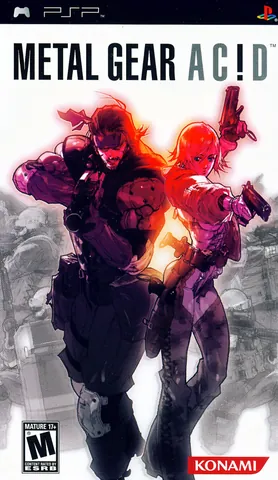
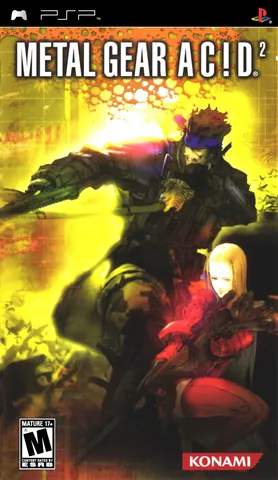
For retro gaming on a handheld console, the PSP is a rewarding but more demanding platform. 2D and lighter 3D titles run superbly on H700-class chips, while the heaviest 3D games like God of War will appreciate more powerful hardware — the RG46R handles them noticeably better than the RG35XX Pro. The size of the games is moreover considerable compared to older systems, so a spacious memory card pays off. But whoever wants to carry truly „big“ games in their pocket will find a real treasure in the PSP library — from God of War through Metal Gear Solid: Peace Walker to Patapon and LocoRoco.
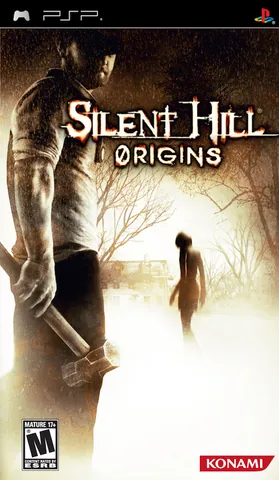
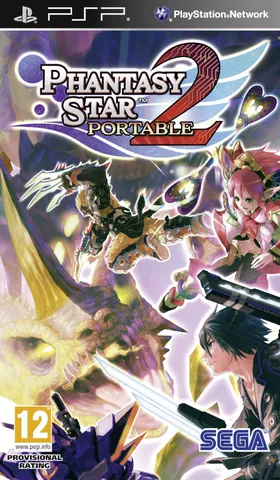
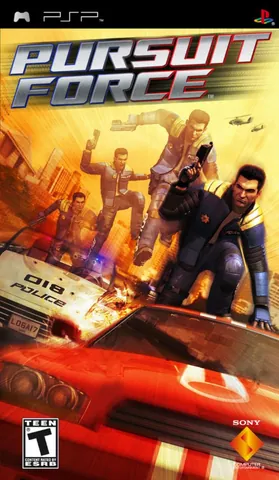
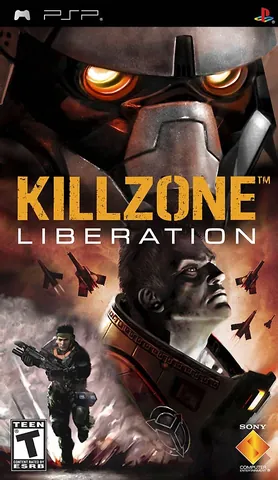
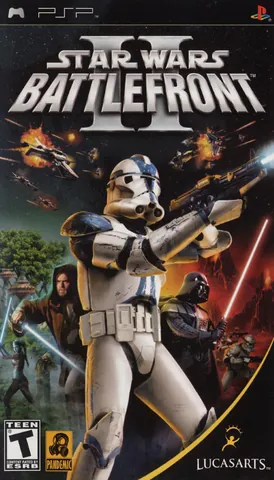
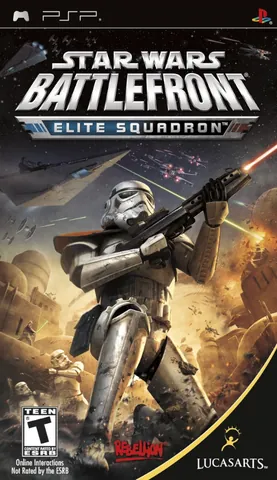
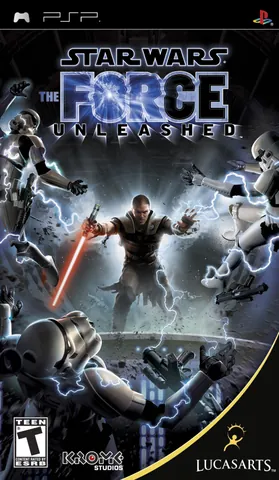
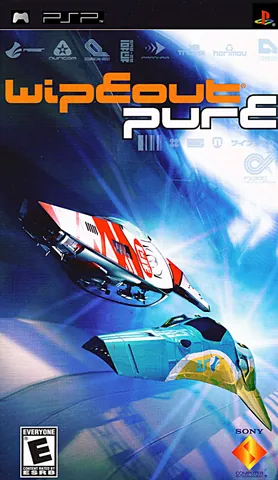
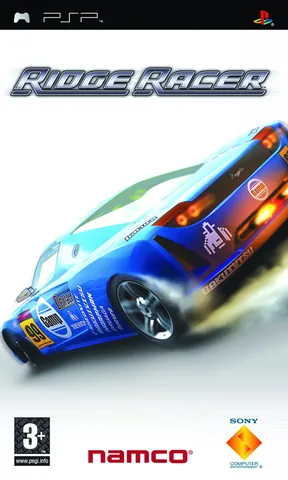
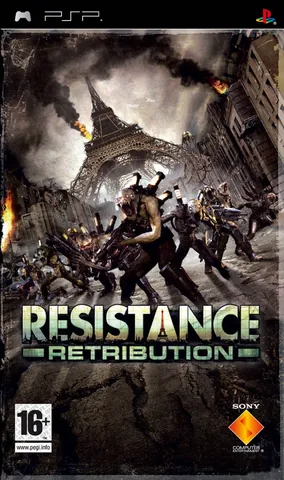
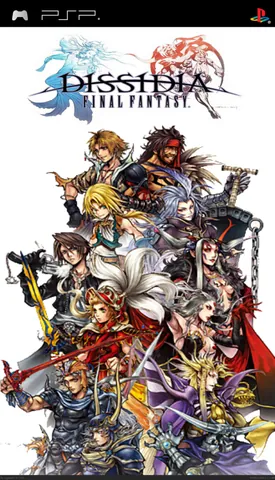
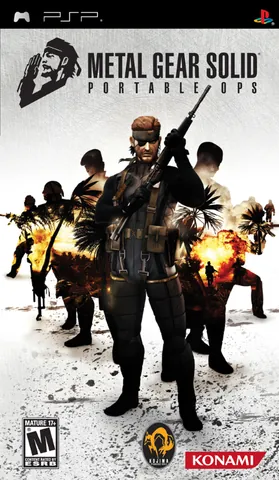
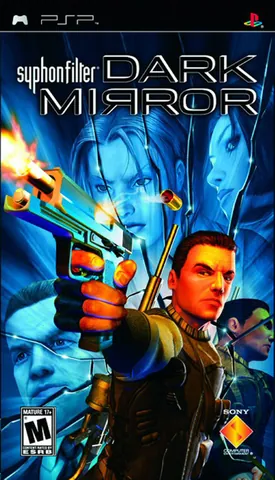
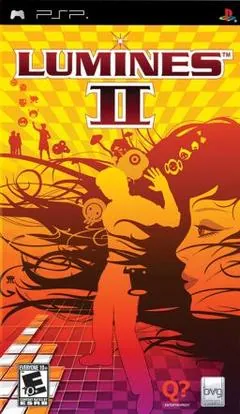
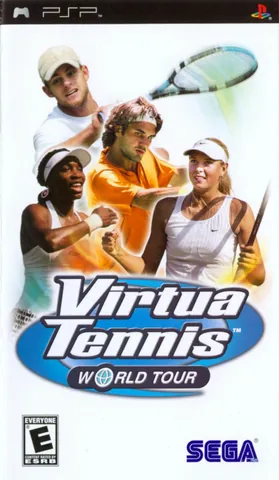
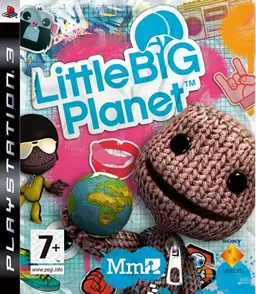
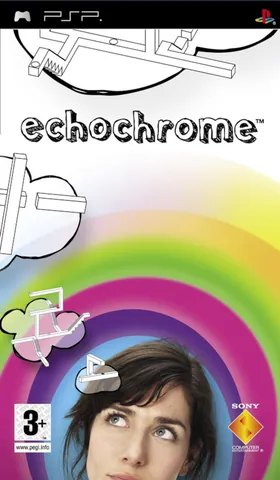
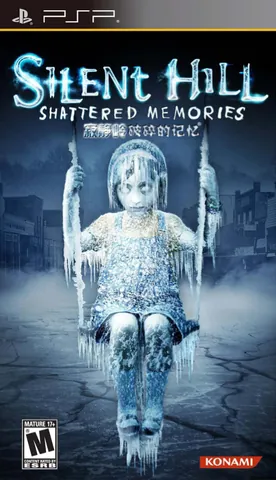
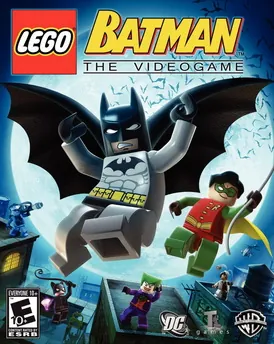
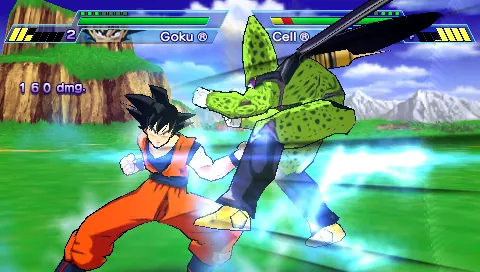
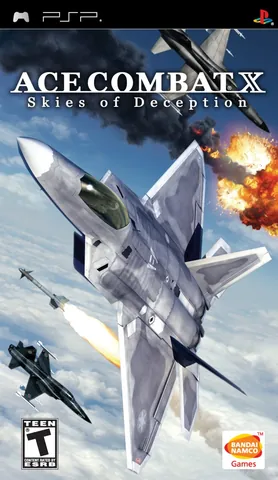
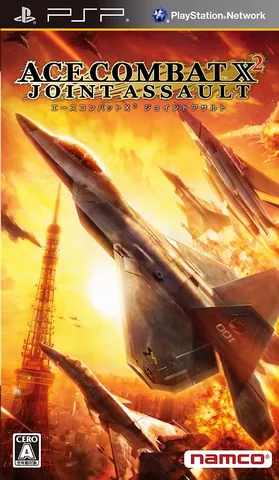
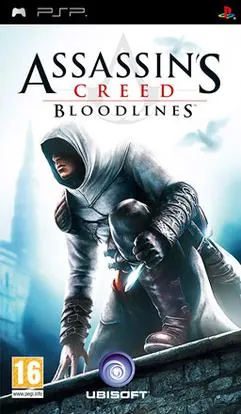
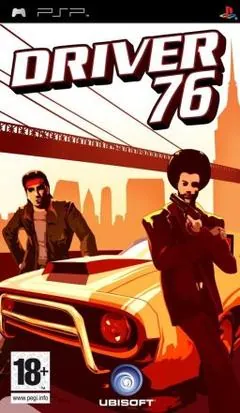
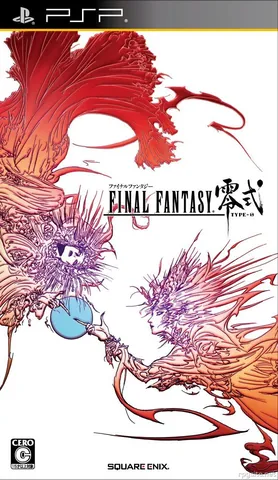
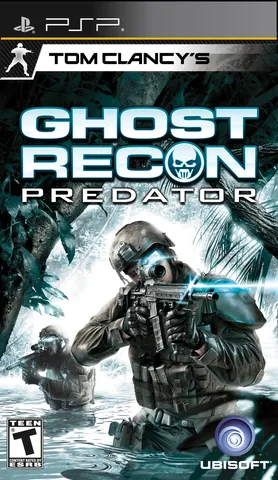
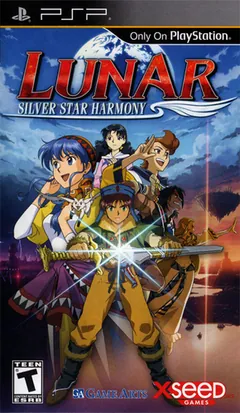
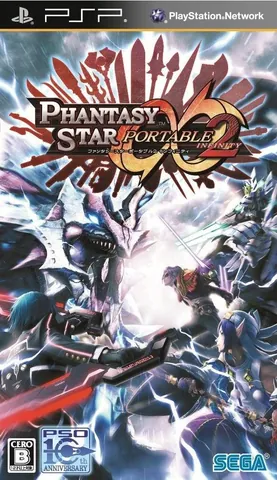
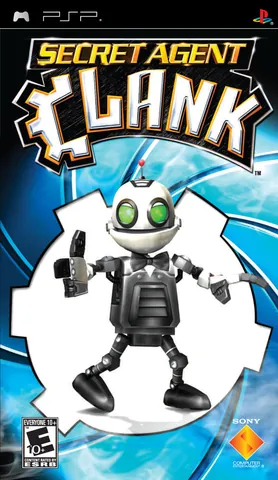
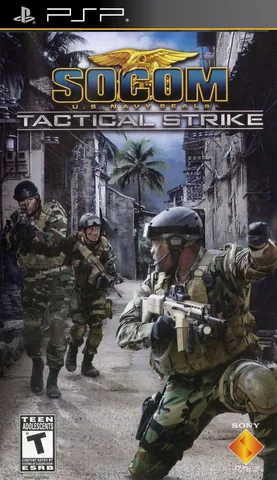
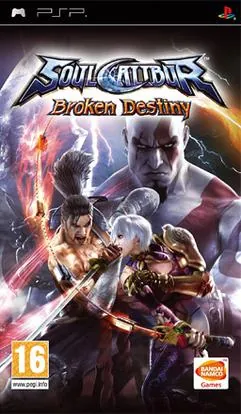
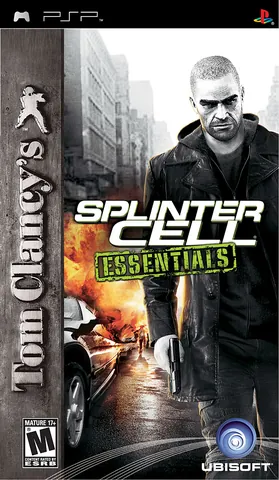
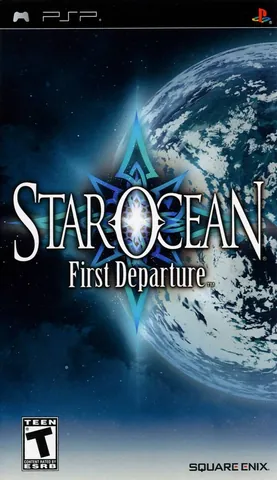
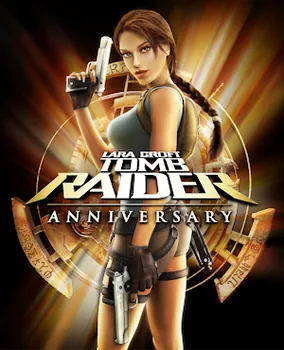
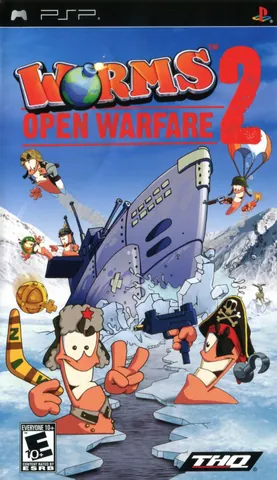
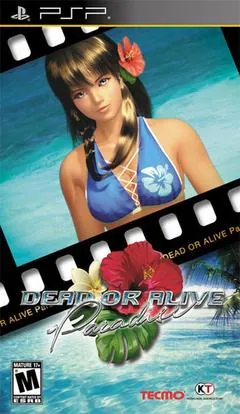
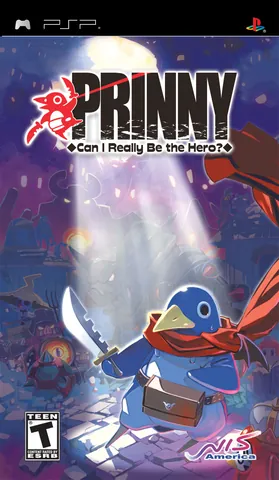
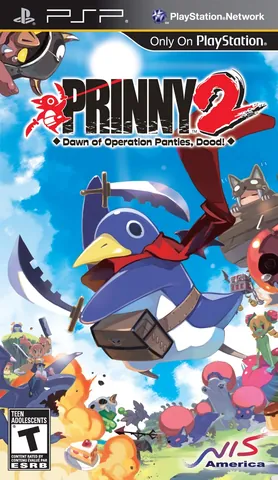
Games on this platform (122)



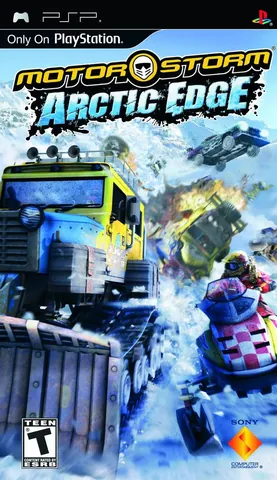
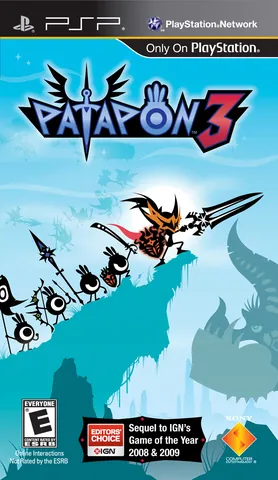
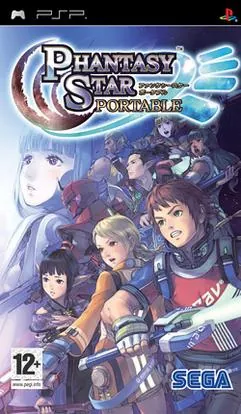





No game in this genre.