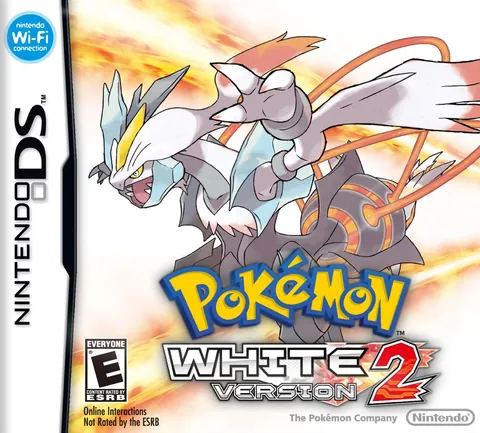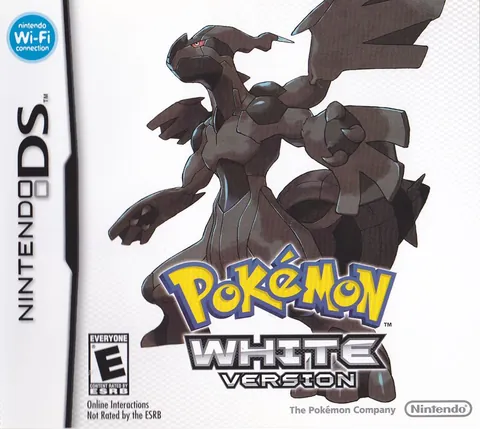
Pokémon: White Version

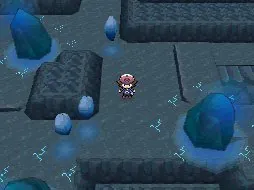
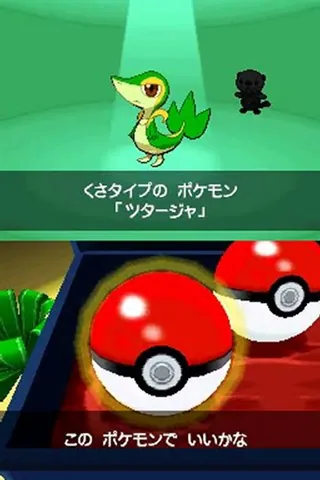
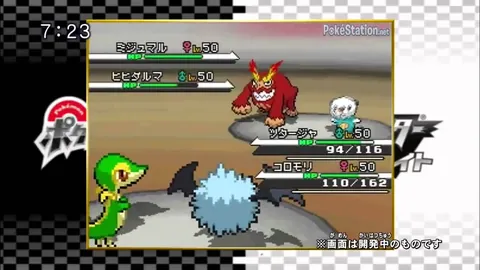
Pokémon: White Version, together with its sibling version Black, opened the fifth generation of the main series and introduced players to the Unova region, inspired by the New York metropolis, with a completely new roster of Pokémon available before older generations were made accessible later. The game continues the series' traditional formula — the player travels between towns, collects badges from gym leaders, catches and trains Pokémon, and finally faces the Elite Four — but places greater emphasis on story, embodied by the villainous organization Team Plasma and its mysterious spokesman named N, whose motivations gradually reveal themselves to be far more complex than they first appear.
Version White differs from Black mainly in minor differences in available Pokémon and, above all, in the unique location of White Forest, where the player gradually unlocks the presence of various trainers in exchange for completed tasks, while its counterpart version offers the more urban City. The game is the first in the series to work with changing seasons, which affect the appearance of the environment as well as the behavior of some Pokémon, and it graphically advances the handheld series further thanks to smoother battle animations compared to previous generations on the same console. Attack animations and transitions between locations were also improved, visually bringing the game closer to the limits of what the Nintendo DS could achieve.
Pokémon White is still valued today mainly for its above-average storytelling with the morally ambiguous character N and his perspective on the coexistence of humans and Pokémon, which was unusual for the series up to that point. Together with Black Version, this pair of games marked the end of the Nintendo DS era for the main series and paved the way for the transition to the more powerful 3DS, and many fans still rank it among the best-written installments of the entire Pokémon franchise. A new region with its own set of hundreds of Pokémon also gave the game a sense of a fresh start, which was appreciated even by players tired of repeatedly encountering the same characters from older generations.
Game 121 of 150 for Nintendo DS
From the same series Pokémon →
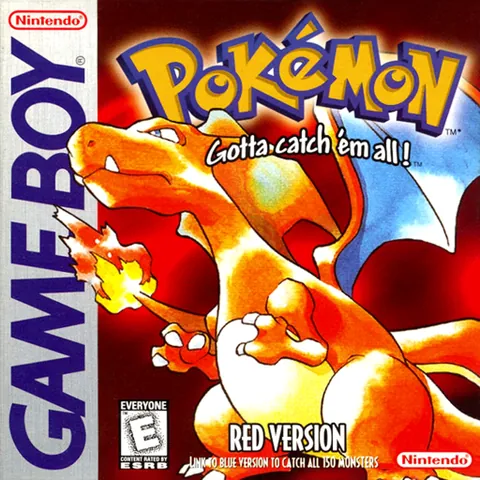 Pokémon Red / Blue / Yellow GBC · GB
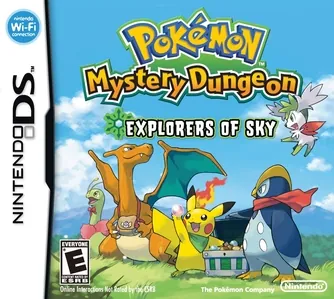 Pokémon Mystery Dungeon: Explorers of Time / Darkness / Sky DS
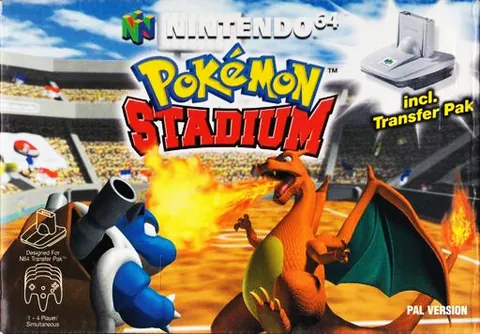 Pokémon Stadium 1 & 2 N64 GB Pokémon Red / Blue GB · 1996
 Pokémon Trading Card Game GB · GBC · 1998 (JP) / 2000 GBC Pokémon Gold / Silver / Crystal GBC · 1999 (JP) / 2000
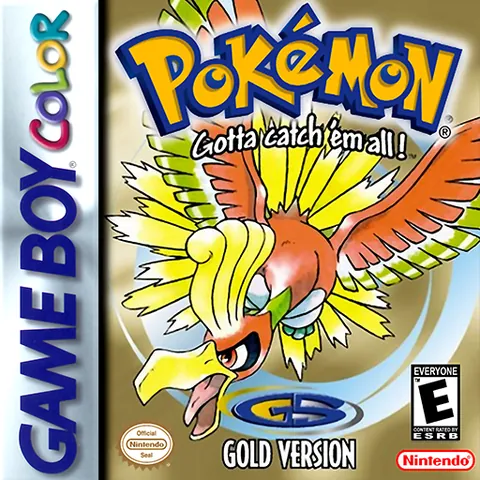 Pokémon Gold / Silver GBC · 1999
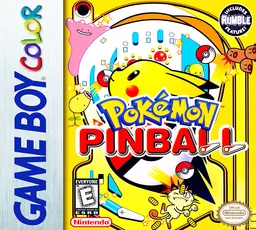 Pokémon Pinball GBC · 1999
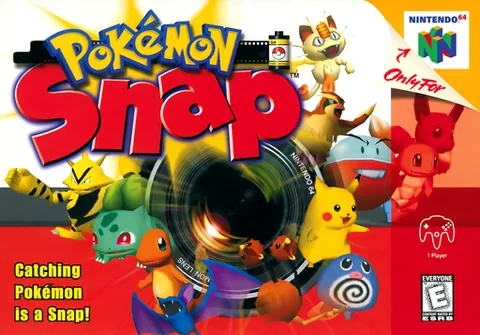 Pokémon Snap N64 · 1999
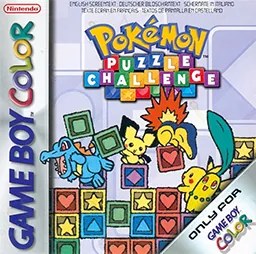 Pokémon Puzzle Challenge GBC · 2000
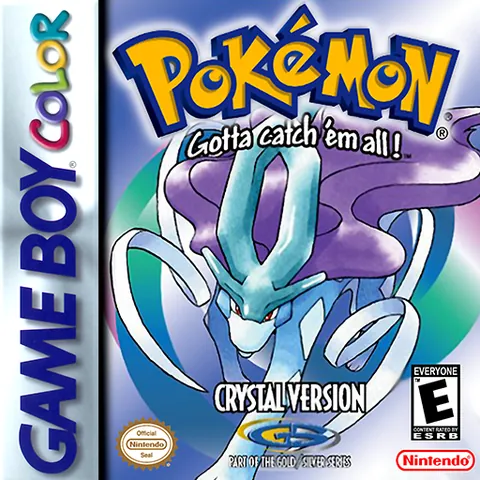 Pokémon Crystal GBC · 2000 GBA Pokémon Ruby / Sapphire / Emerald GBA · 2002/2004