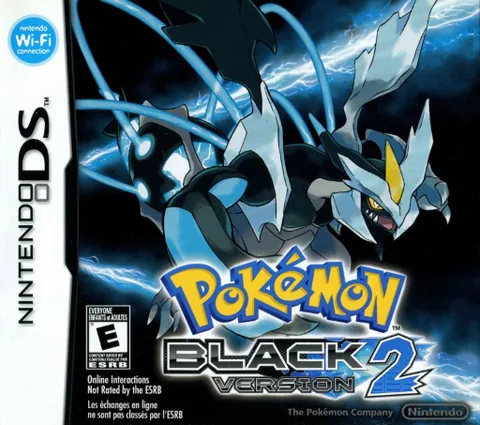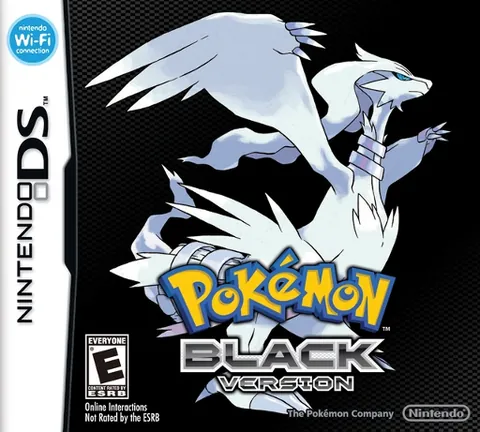
Pokemon: Black Version
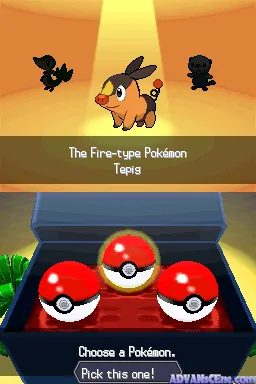
In 2010, Pokémon: Black Version and its twin, White Version, were released in Japan (2011 in the West), the fifth generation of the series developed by Game Freak, which decided, after years of setting stories in the same territory, to move the plot to an entirely new region, Unova, inspired by New York and its surroundings. For the first time, the player encounters exclusively newly introduced Pokémon – only after completing the main story is it possible to meet creatures from earlier generations, which was meant to refresh the game and give it its own identity after years in which the roster of creatures had simply kept growing.
Black Version differs from its twin White not only in its distinct set of available Pokémon and a few locations, but also in offering access to Black City, a sprawling city full of trainers from around the world, while White offers the counterpart White Forest. The story also brings, for the first time in the series, a more prominently built conflict with Team Plasma, whose leader N questions the very ethics of catching and training Pokémon, giving what is otherwise a traditional collector RPG an unexpected moral dimension and a villain the player can, to some extent, understand.
In terms of gameplay, the game sticks to the proven formula of turn-based battles, badge collecting, and traveling between towns, but with improved graphics, more fully animated attacks, and seasonal weather changes that affect the availability of certain Pokémon as well as the appearance of some areas. On the DS hardware of the era, it was the technically most advanced entry in the series, with more elaborate battle animations and city models that noticeably change character depending on the season during play. The game also includes the traditional online features for trading Pokémon and battling other players around the world, thanks to which Unova didn't become merely a closed single-player environment but also a platform for competing and sharing the rarest catches. Thanks to the courage to break with the established structure and offer players genuinely new content from the very first minute, the game sold very well and remains to this day a favorite entry point into the world of Pokémon, one that newer entries like to reference and revisit. Why play it: For a fresh region and a surprisingly well-thought-out story that pushed the series forward both in gameplay and narrative terms.
Game 44 of 150 for Nintendo DS
From the same series Pokémon →
 Pokémon Red / Blue / Yellow GBC · GB
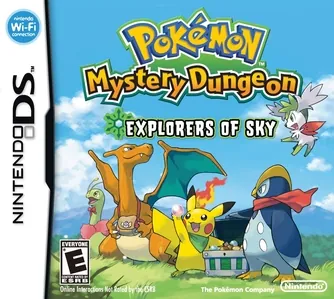 Pokémon Mystery Dungeon: Explorers of Time / Darkness / Sky DS
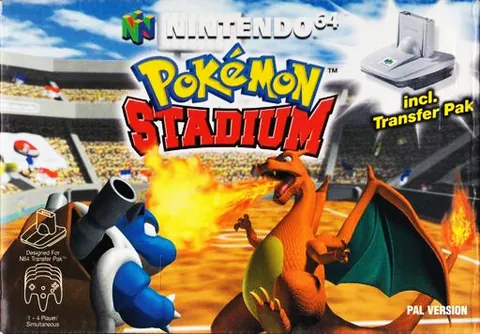 Pokémon Stadium 1 & 2 N64 GB Pokémon Red / Blue GB · 1996
 Pokémon Trading Card Game GB · GBC · 1998 (JP) / 2000 GBC Pokémon Gold / Silver / Crystal GBC · 1999 (JP) / 2000
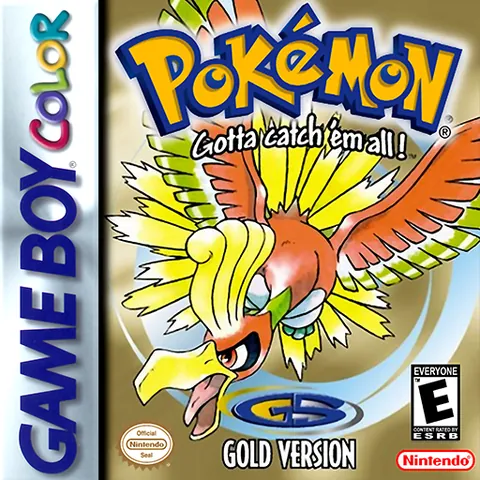 Pokémon Gold / Silver GBC · 1999
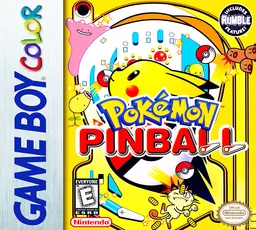 Pokémon Pinball GBC · 1999
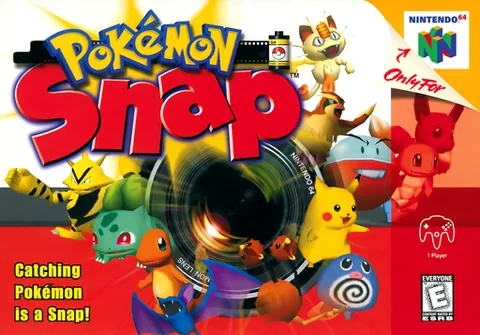 Pokémon Snap N64 · 1999
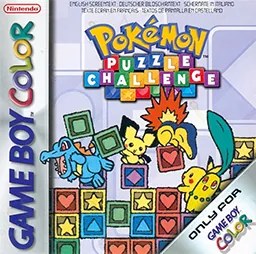 Pokémon Puzzle Challenge GBC · 2000
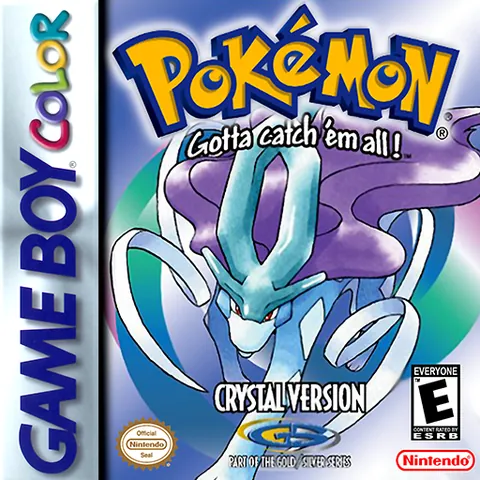 Pokémon Crystal GBC · 2000 GBA Pokémon Ruby / Sapphire / Emerald GBA · 2002/2004