Trace Memory
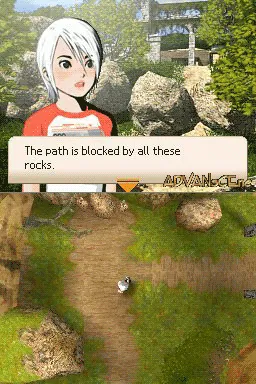
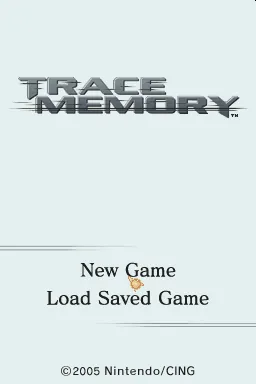
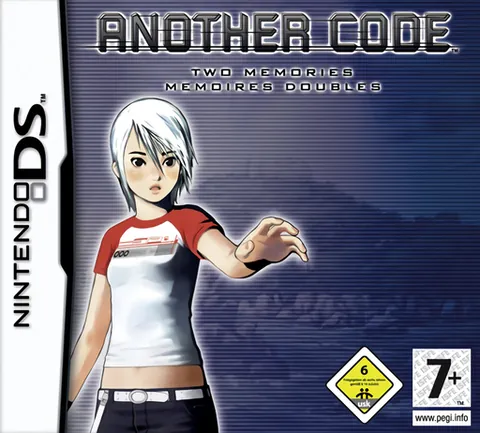
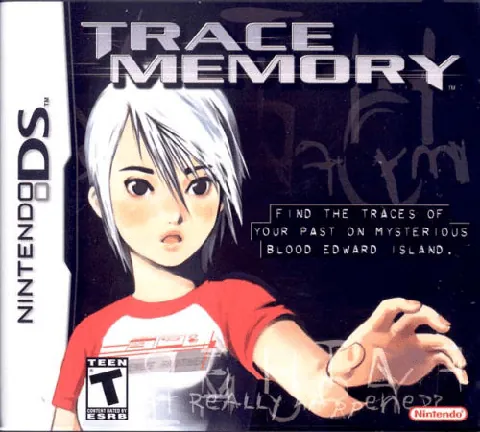
Trace Memory, released in Europe as Another Code: Two Memories, is an adventure game from Cing studio, in which young heroine Ashley Robbins travels to an abandoned island to seek answers about her missing father and, in doing so, uncovers a family secret with the help of a peculiar device called the DAS. Gameplay revolves around exploring the environment, searching rooms, and solving a series of logical and spatial puzzles - decoded ciphers, mechanical locks, and intricate objects - which are often tied to the touch controls and the specific features of the Nintendo DS itself, with the bottom screen serving as a notepad and inventory.
Several puzzles elegantly make use of both screens and the console's physical properties - for instance, the player tilts or opens the console in a way that goes beyond typical game interactions, which felt like an innovative experiment at the time of release. Visually, the game combines 3D environments with hand-drawn character portraits and quiet, melancholic music that well supports its introspective, slower pace and sensitive story about family relationships and loss.
At the time of release, Trace Memory was praised mainly for its inventive use of the DS hardware and its emotionally delivered story, even though it's a shorter experience than most adventure games of a similar style. Today it's often mentioned in the same breath as the later Hotel Dusk, as an example of how the DS enabled narrative-focused games built around the console's unique features, which wouldn't have worked as well on another platform. For players looking for a calmer, more contemplative experience without time pressure or demands on quick reflexes, Trace Memory remains one of the most accessible entry points into the mystery-adventure genre on this console. Even though it's a shorter game, its atmosphere and inventive puzzles are often cited as an example of what a smaller studio like Cing could get out of the limited but unique capabilities of the hardware of the time.
Game 101 of 150 for Nintendo DS