Game studio
Ubisoft Montreal
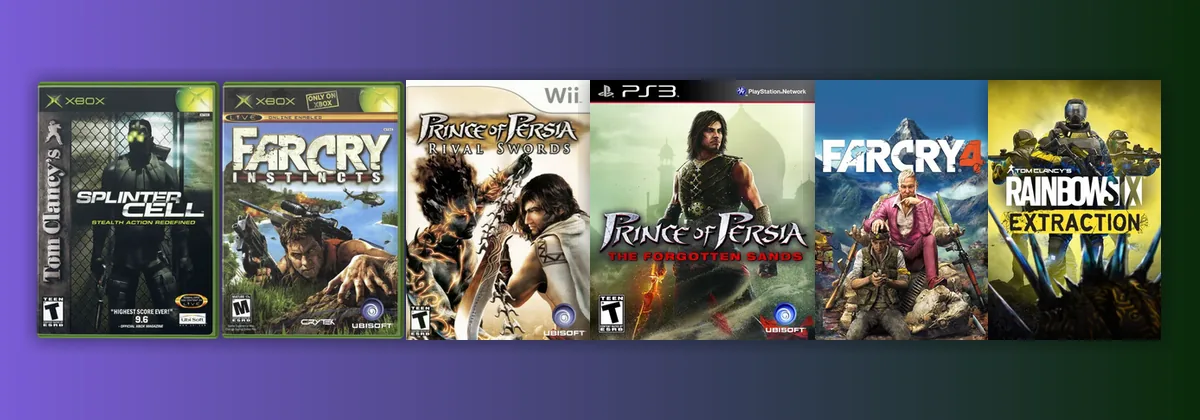
Ubisoft Montreal is the largest development studio within the French publisher Ubisoft and, at the same time, one of the most important game studios in the world. Based in Montreal, Canada, it has, over the course of its existence, been behind the creation of several key franchises of the modern gaming industry — Assassin's Creed, Far Cry, Tom Clancy's Splinter Cell, and Tom Clancy's Rainbow Six. The studio has built a reputation as a team capable of constructing vast open worlds while also experimenting with stealth-action and tactical-shooter mechanics. Its games regularly rank among the commercially most successful titles of their platforms, and Ubisoft Montreal has become a model for what a large "AAA" studio looks like within a multinational publishing conglomerate. Due to its size, it also often functions as a central hub around which the work of Ubisoft's other branches scattered around the world is coordinated.
History
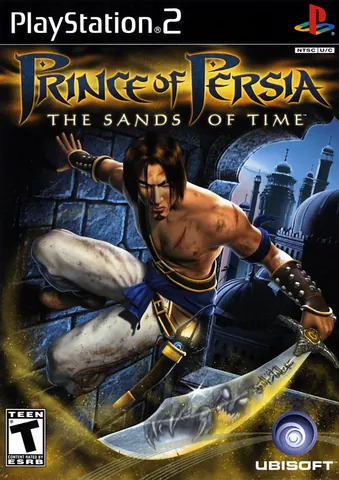
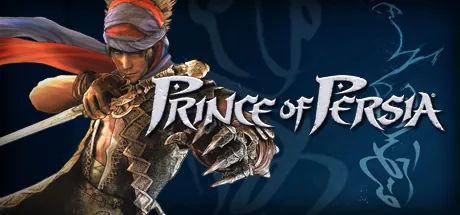
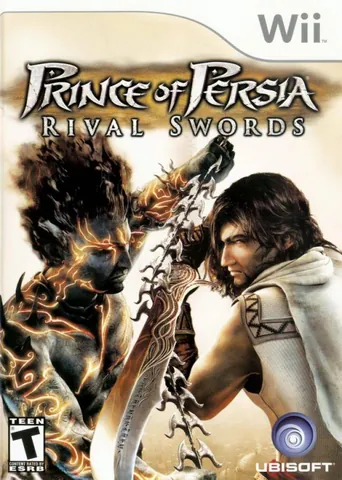
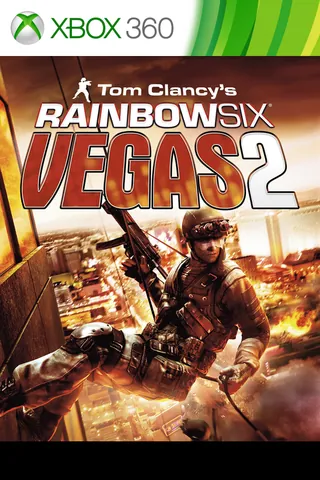
Ubisoft Montreal was founded in the mid-1990s as part of the French company Ubisoft's expansion into North America, where the Quebec government was at the time building a reputation as an attractive destination for the games industry thanks to tax incentives. The studio gradually grew from a small development team into one of Ubisoft's largest workplaces, with hundreds of employees across many teams working in parallel on different projects. A turning point came at the start of the 2000s, when the studio delivered the first installments of Tom Clancy's Splinter Cell and simultaneously rebooted the Prince of Persia series with The Sands of Time, still considered to this day one of the best-executed platformers featuring the main hero's acrobatic movement. The Tom Clancy's Rainbow Six series arose in a similar way, in its more tactical form.
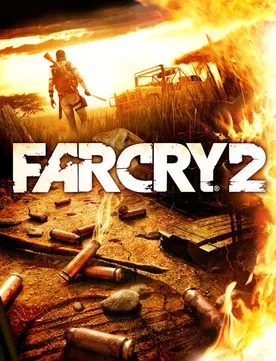
The truly pivotal moment, however, came with the founding of the new Assassin's Creed brand, which grew from what was originally intended as a Prince of Persia sequel into its own historical open-world action series. Assassin's Creed II, released in 2009, cemented the studio's position as one of the pillars of all of Ubisoft and set the formula by which the series continued to develop — the player moves through reconstructed historical metropolises, connecting the past with a framing sci-fi story set in the present. At the same time, the studio was also developing the Far Cry series, which it took over from another developer and reshaped into sprawling action sandboxes set in exotic environments, ranging from tropical islands and Himalayan mountains to a prehistoric landscape in Far Cry Primal.
At this stage, the studio definitively transformed from a single workplace with a few projects into a giant organization with many teams running in parallel, one leading the flagship Assassin's Creed series, another working on Far Cry, and yet another providing support for projects originating at other Ubisoft branches around the world. This model made it possible to release major new titles almost every year, but it also brought with it the typical problems of large development organizations, such as the demanding management of parallel productions and long development cycles for the most ambitious projects.
Key figures
The studio is so large, and its projects so team-driven in nature, that individual games are usually not tied to a single dominant creative figure but rather to dozens of creative and game directors who have rotated across the various series over the years. This structure reflects the way Ubisoft, as a publisher, manages its largest studio — more as a set of parallel development teams than as the workshop of a single author.
Present
Ubisoft Montreal remains an active and key studio within Ubisoft today. It continues developing new installments of Assassin's Creed and Far Cry and takes part in other major projects of the publisher, whether as the lead creator or as a supporting team for productions led by other Ubisoft branches. Even after all these years, the studio maintains its position as one of the most important development workplaces in the modern games industry, and its next steps with both flagship series are closely followed by players around the world.
Games by the studio (66)
-

Tom Clancy's Splinter Cell · 2002
-
-
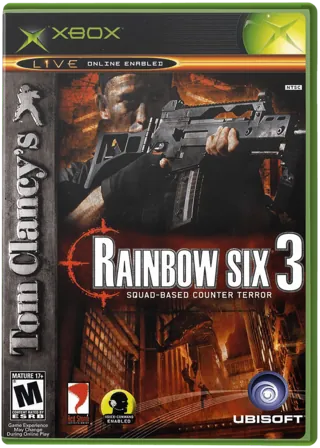
Tom Clancy's Rainbow Six 3 · 2003
-
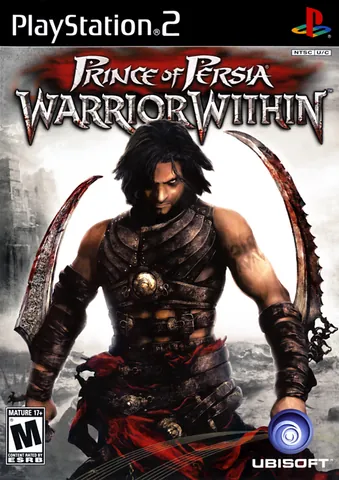
-
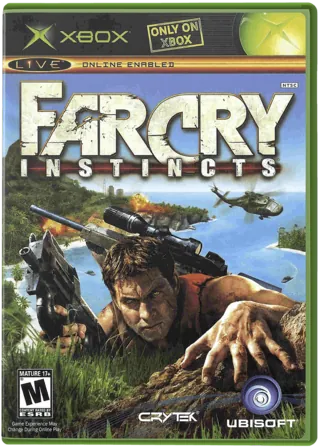
Far Cry Instincts · 2005
-
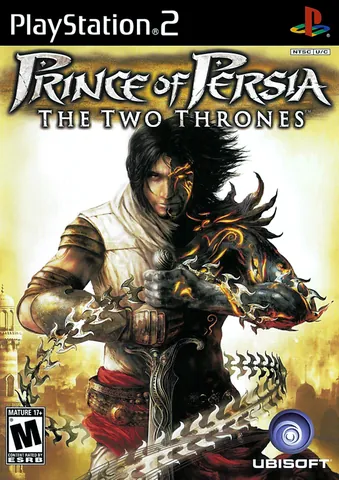
-
-

-

-
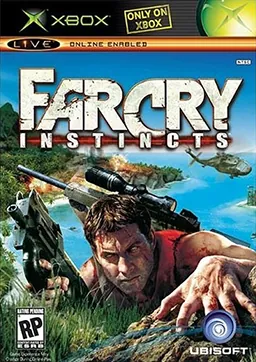
Far Cry Instincts Evolution · 2006
-
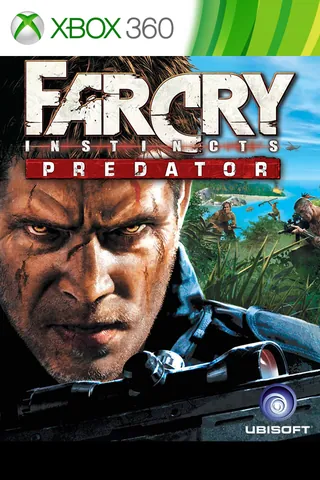
Far Cry Instincts Predator · 2006
-

-
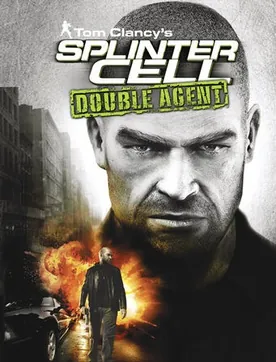
-
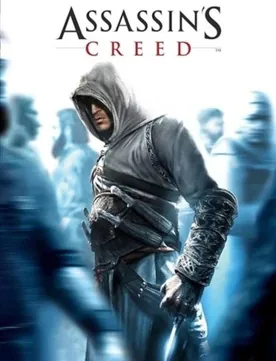
Assassin's Creed · 2007
-
-
Prince of Persia · 2008
-
-
-
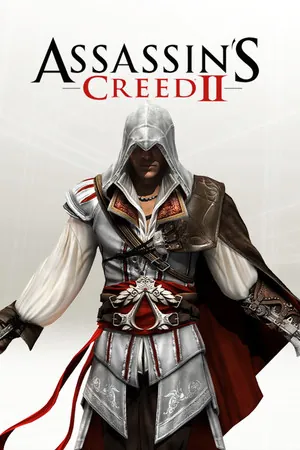
Assassin's Creed II · 2009
-
-
-
-
-
Assassin's Creed III · 2012
-
-
-
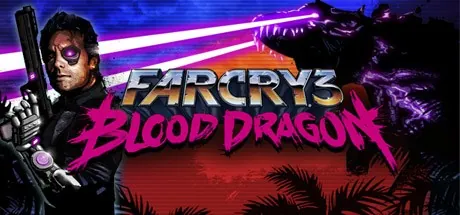
Far Cry 3: Blood Dragon · 2013
-
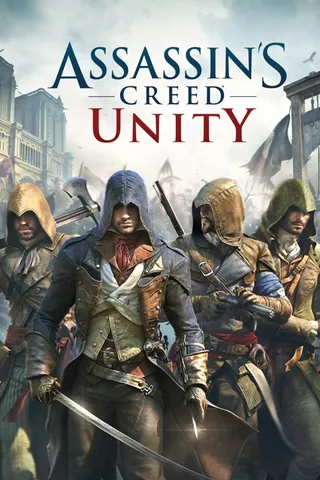
Assassin's Creed Unity · 2014
-
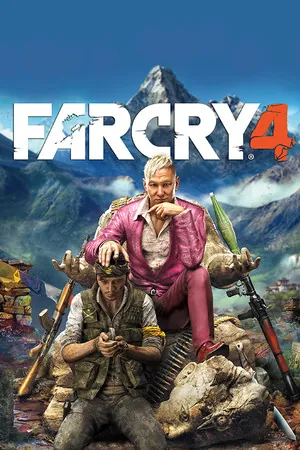
-
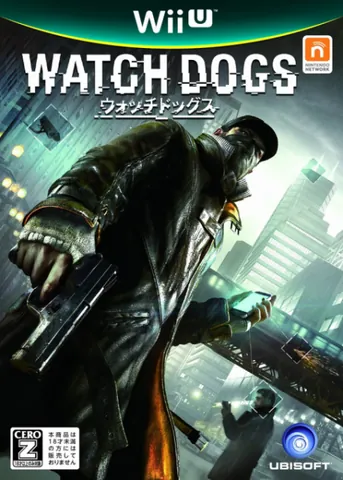
Watch Dogs · 2014
- PC
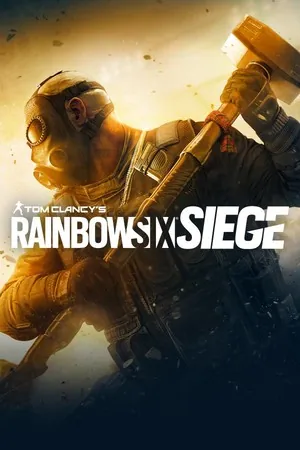
Rainbow Six Siege · 2015
-
-

Far Cry Primal · 2016
-
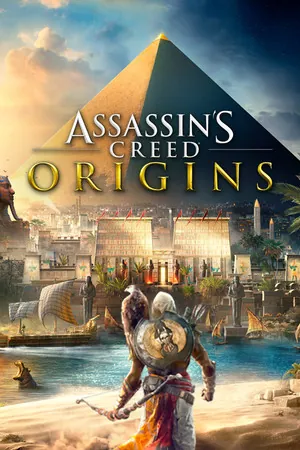
Assassin's Creed Origins · 2017
-

-
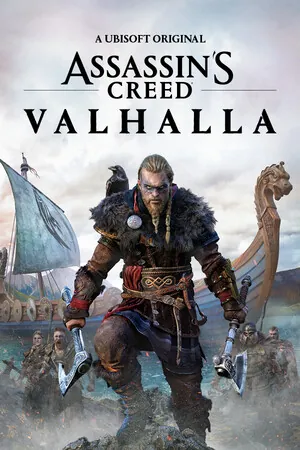
Assassin's Creed Valhalla · 2020
-