Super Mario Maker
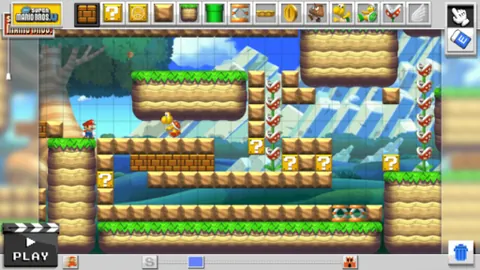
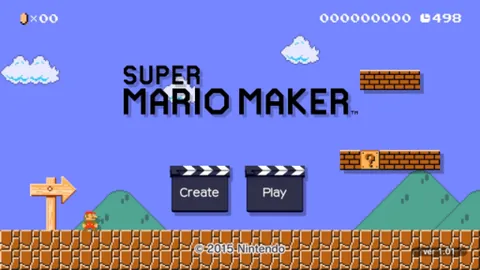
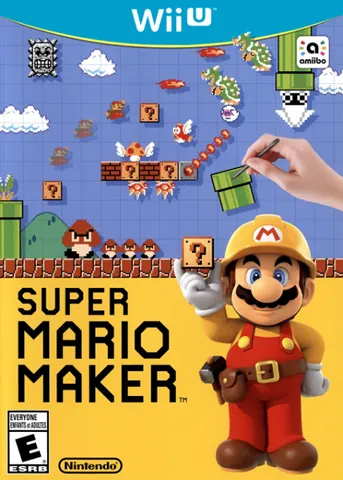
Super Mario Maker put into players' hands a tool they'd wanted since the eighties: the ability to build their own Mario levels and share them with the whole world. The editor uses the GamePad's touchscreen so naturally that you'll place your first block before you've even finished reading the tutorial. You drag elements with your finger or stylus, combine them with each other, give enemies wings, stack them into multi-story towers, and instantly switch to test mode to check whether what you built can actually be completed at all.
The cleverest part is the ability to switch between four graphical styles: the original Super Mario Bros., Super Mario Bros. 3, Super Mario World, and New Super Mario Bros. U. Each style isn't just different graphics but different physics and different character behavior, so the same level plays completely differently depending on which style you pick. The game also unlocks tools gradually so it doesn't overwhelm beginners. The online component let you play other people's levels, give them stars, and test yourself against a hundred consecutive challenges where the number of lives is strictly limited.
An exceptionally lively community grew up around the game. Entire genres of player-made levels emerged, from music-box contraptions to precisely timed speedrun courses to infamous challenges that only a single person in the world managed to complete. The release marking the series' thirtieth anniversary was accompanied by a set of unlockable costumes tied to amiibo figures. Reviews were outstanding, and the game became one of the console's most striking successes. After Wii U's online services were shut down, level sharing came to an end, and the baton passed to its successor on Switch, but the original's historical significance remains: it showed that building levels can be more fun on its own than plenty of finished games. It was also one of the few uses of the GamePad where the second screen wasn't a bolted-on extra but the only sensible way to control the whole game, which is exactly why it made so much sense on Wii U.
Game 14 of 87 for Nintendo Wii U
From the same series Mario →
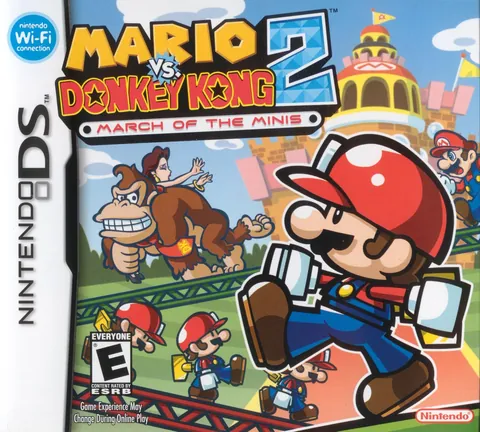 Mario vs. Donkey Kong 2: March of the Minis DS
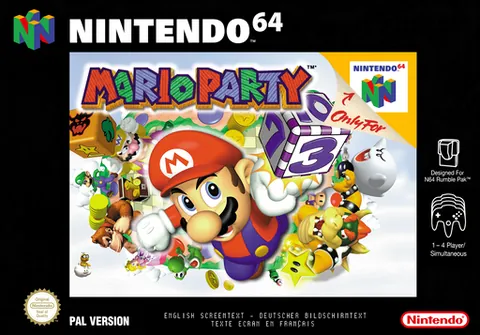 Mario Party 1–3 N64
 Mario & Sonic at the Olympic Winter Games Wii · DS
 Mario Bros. MAME · 2600 · G&W · 1983
 Mario's Cement Factory G&W · 1983
 Super Mario Bros. NES · 1985
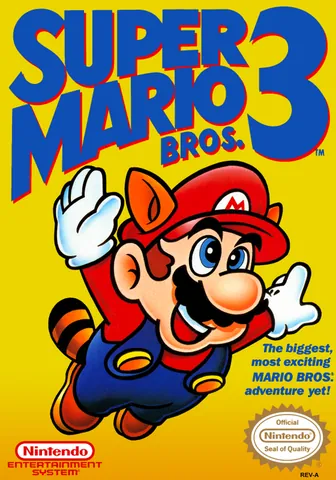 Super Mario Bros. 3 NES · 1988 (JP) / 1990 (US)
 Super Mario Bros. 2 NES · 1988
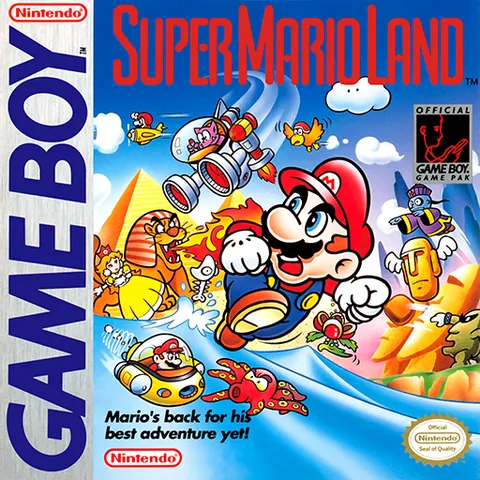 Super Mario Land GB · 1989
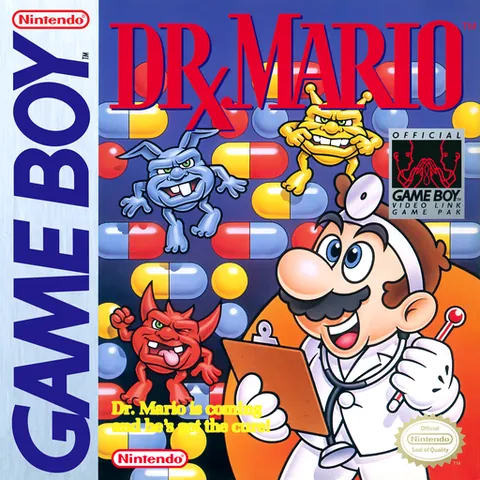 Dr. Mario GB · NES · 1990
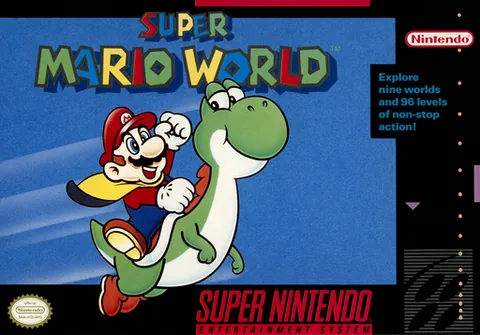 Super Mario World SNES · 1990 (JP) / 1991 (US)
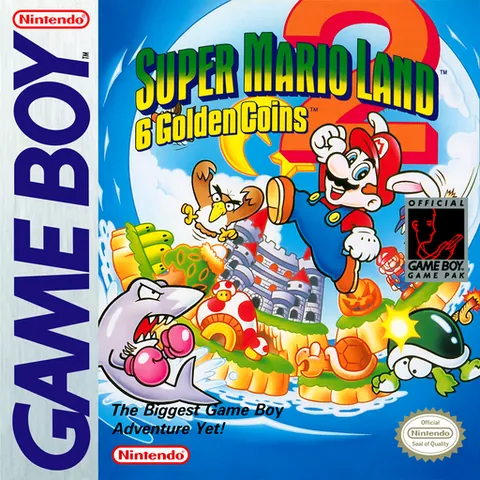 Super Mario Land 2: 6 Golden Coins GB · 1992