 Sony · 2011
Handhelds
Sony PlayStation Vita
History & context
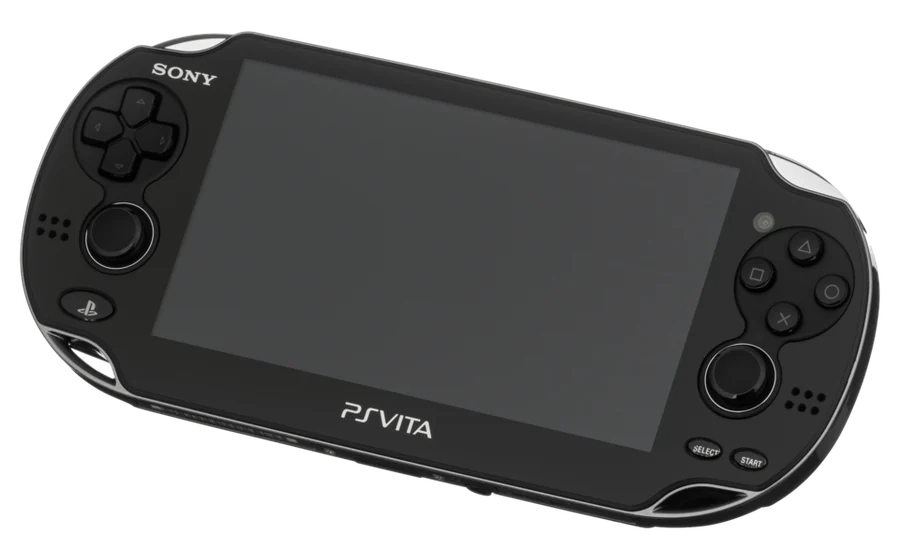
When Sony unveiled the PlayStation Vita on December 17, 2011 in Japan (and in February 2012 in western markets), it looked like a dream come true for anyone who'd ever complained about the PSP's missing second stick. The Vita was an almost absurdly well-built piece of hardware: a gorgeous OLED display, a quad-core processor, and touch controls on both the front and back. It was also Sony's last major attempt at a classic handheld — and although it's technically one of the best-designed pocket machines in history, commercially it fell flat.
There were several reasons. Standing directly against the Vita was Nintendo's 3DS, with cheaper hardware, stronger brands, and a year's head start. But a far bigger enemy that nobody had counted on was smartphones. By 2012, almost everyone already had a device in their pocket that could run games for free or for pocket change, and the market for expensive dedicated handhelds began to collapse. On top of that, Sony largely stopped supporting the Vita with its own big-name titles after a few years and let it survive on Japanese games and the indie scene.
And yet — or perhaps precisely because of that — the Vita has earned a cult reputation today. Whoever bought one back then rarely regretted it.
Hardware: graphics and sound
At the Vita's heart sits a quad-core ARM Cortex-A9, paired with PowerVR SGX543MP4+ graphics — the same quad-core variant of the chip that powered top-end tablets at the time. The system has 512 MB of RAM plus another 128 MB of VRAM, which in 2012 made it the most powerful handheld gaming machine on the market by a wide margin.
The pride of the original model is its 5" OLED display at 960 × 544 pixels, exactly four times the resolution of the PSP. The combination of absolute black and saturated colors was genuinely shocking at the time and still ranks among the most beautiful things you can look at on a handheld console today. The later PCH-2000 model switched to LCD, which is the one thing fans have never forgiven it for.
Control-wise, the console was revolutionary above all thanks to its two analog sticks — the first time in the history of a Sony handheld. Alongside them, the Vita offers a front touchscreen as well as a rear touchpad, a gyroscope with accelerometer, and two cameras. The rear touchpad, however, was an idea developers never quite figured out what to do with — it ended up used more as a curiosity than as a fully-fledged input method.
Audio is handled by stereo speakers and a quality headphone output; even with basic headphones, the Vita sounds clean and loud.
Connectivity and peripherals
Games shipped on proprietary PS Vita cards — small flash media that replaced the PSP's optical UMDs. Alongside them, full digital distribution through the PlayStation Store eventually became home to the vast majority of the indie catalog.
The platform's biggest pain point was Sony's memory cards. The Vita refused to work with ordinary microSD cards and demanded its own proprietary format, priced absurdly — a 32GB card could easily cost as much as half the console itself. A textbook example of a decision that hurt the platform more than any competitor did.
Connectivity itself, on the other hand, was strong: Wi-Fi on all models, and 3G on select versions. Remote Play worked beautifully — streaming games from the PlayStation 3 and, above all, from the PlayStation 4, where the Vita served as a second screen for the whole household. Sony also added cross-buy (buy a game once, play it on both PS4 and Vita) along with cross-play and cross-save between the platforms.
Models and revisions
The PS Vita family stayed fairly compact:
- PCH-1000 (2011) — the original model with a 5" OLED display, available in Wi-Fi and 3G versions. Heavier, but with the best picture.
- PCH-2000 "Slim" (2013) — a thinner and noticeably lighter revision with an LCD display instead of OLED, longer battery life, 1 GB of internal storage, and microUSB charging. More practical, but a visual step backward.
- PlayStation TV (Vita TV) (2013) — a small set-top box built on Vita hardware that displayed games on a television and was controlled with a DualShock. Due to limited compatibility (titles relying on touch and gyroscope controls fell away), it was more of an interesting experiment than anything else.
Clones and variants
No classic clones of the Vita ever appeared — the hardware was closed and complicated to replicate. Its legacy lies elsewhere: the Vita was the first console to convincingly prove that full-fledged games belong in your pocket, and it's exactly that idea that the wave of handheld gaming PCs would carry to completion a decade later. The Steam Deck, the ASUS ROG Ally, and other machines are essentially doing what the Vita did — just with a library no longer locked to a single manufacturer.
Sony returned to the idea in 2023 with the PlayStation Portal, though it isn't a standalone console at all: it's purely a streaming screen for the PS5. The irony is that the Vita could already do exactly that function a decade earlier — and it could also play its own games on top of it.
The scene today
The Vita has one of the best homebrew scenes around, period. The breakthrough came with HENkaku and the tools that followed, which made it possible to run custom code on practically every firmware version. The result is a console that can be turned into an excellent emulation machine — handling everything from 8-bit systems through PS1 and GBA to a solid chunk of the PSP library — and one that also supports ordinary microSD cards via an adapter that fits into the game card slot. That neatly sidesteps the original sin of the platform's expensive memory cards.
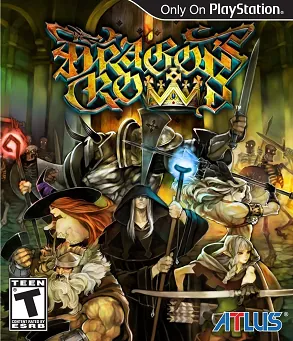
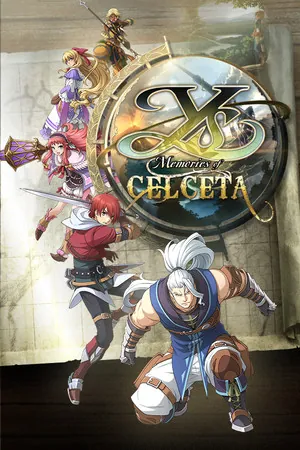
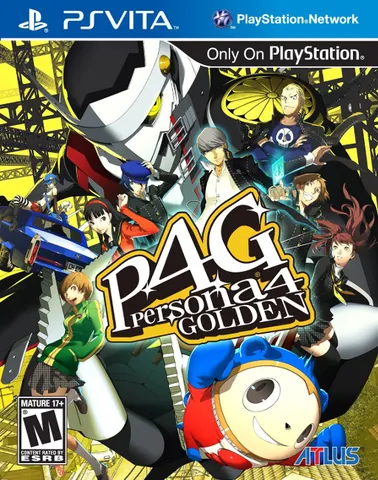
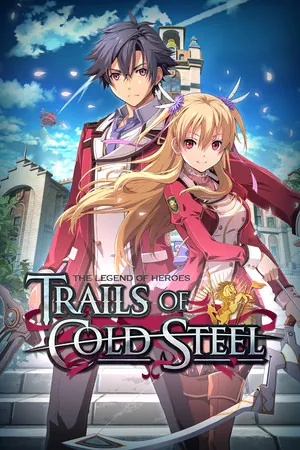
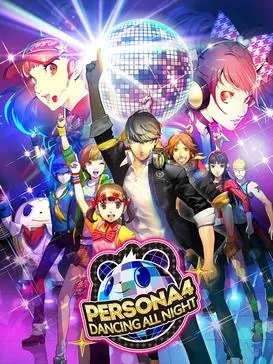
Production of the console ended in 2019, and along with it went the ability to buy new titles from the store. Even so, the Vita doesn't feel like a dead platform. Its catalog — packed with JRPGs (Persona 4 Golden, Danganronpa, Ys, Trails), superb ports, and indie gems like Hotline Miami or Spelunky — remains a very good reason to pick one up today. And whoever holds an original OLED model in their hands will understand within seconds why it's called the most beautiful handheld console ever made.
Games on this platform (122)

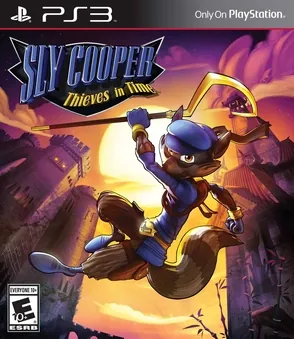

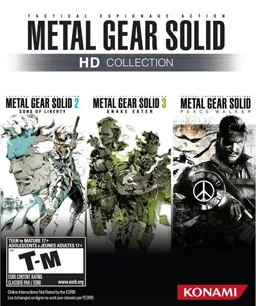
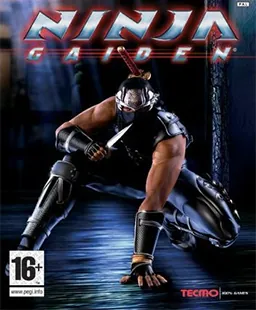
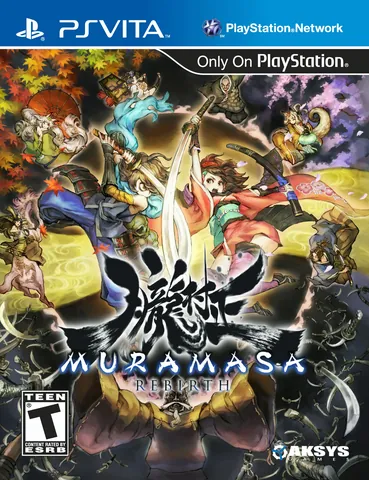







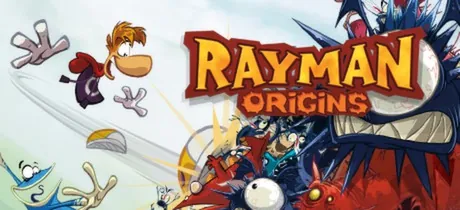
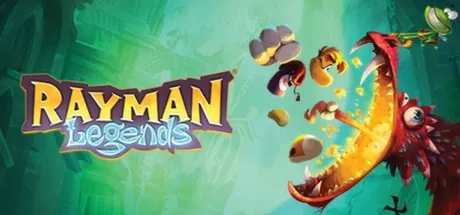
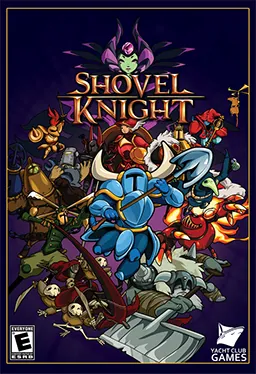
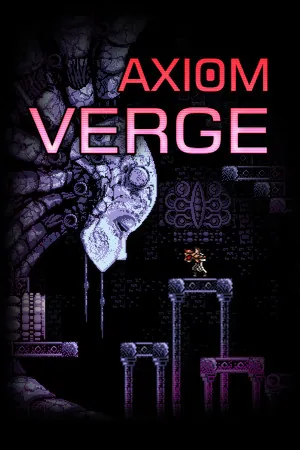









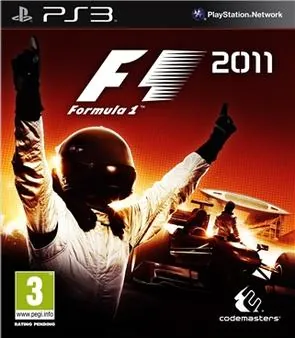

MotoGP 13
A licensed motorcycle championship from the junior class all the way to the premier class.
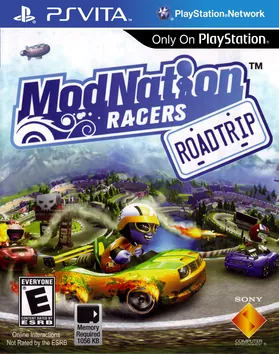
ModNation Racers: Road Trip
Kart racing combined with a track editor drawn by finger on the display.










No game in this genre.