Street Fighter II: Hyper Fighting
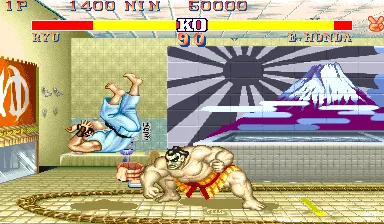
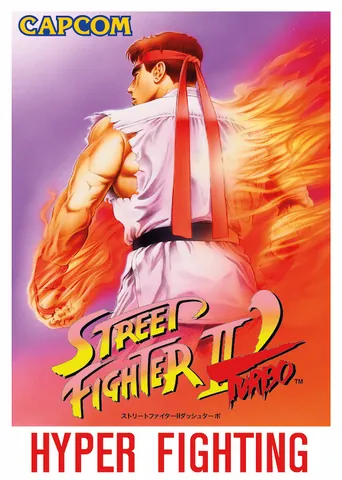
When the competition began snapping at Capcom's heels and arcades were flooded with pirated modified boards of the original Street Fighter II sporting a faster pace, Capcom answered in its own way. In 1992 came Street Fighter II: Hyper Fighting, officially Street Fighter II Turbo: Hyper Fighting, a version that took everything good and pressed the speed button all the way down.
The main draw was speed. The fights ran noticeably brisker than in previous editions and demanded lightning reflexes and precise execution of specials. For the hardcore players of the day it was paradise; the game turned into a test of pure skill where fractions of a second decided everything. Capcom also fine-tuned the balance, added new color variants for the characters and gave some fighters new abilities, such as Dhalsim's teleport or Chun-Li her own fireball.
Hyper Fighting was a direct reaction to the phenomenon of home modifications. Players craved a faster game and pirate hacks of the original version offered exactly that, so Capcom delivered an official, tuned variant that legitimized these modifications and pushed them further. To this day many veterans regard this edition as one of the best-balanced and cleanest installments of the entire Street Fighter II series, precisely for its emphasis on the speed and fairness of the fights.
Technically it still stood on the proven CPS-1 board and visually it did not differ from its predecessors; the magic was in the tuning and the pace. With it Capcom proved how cleverly it could tend to a living product. Instead of one release and done, it kept coming with iterative revisions that sustained player interest and money in the machines for months on end.
Culturally Hyper Fighting confirmed that Street Fighter II was not a one-off hit but a long-term platform. This version became a tournament favorite and later saw ports to home consoles. Among other things it appeared as one of the few truly faithful arcade conversions on the Super Nintendo and, much later, in compilations and on services like Virtual Console, where another generation got to play it.
It is worth noting how fast Capcom iterated back then. Barely a year and a half passed between the first World Warrior and Hyper Fighting, and yet Champion Edition with its mirror matches and playable bosses still fit in between. Hyper Fighting logically capped off this line with an emphasis on speed and tuned combos. For players it meant a constant stream of novelties and a reason to keep returning to the machine, and for Capcom a steady flow of coins and the building of a brand reputation that the era of Super Street Fighter II and further sequels would later build upon.
For understanding the evolution of fighting games, Hyper Fighting is a key intermediate step. It shows how the genre shifted within a single year from relatively measured tactics to fast, nerve-racking action that then defined players' expectations for years to come. It is the version for those who wanted to really stretch their reflexes.
Why play: If you crave the fastest and, according to many, most balanced version of the classic Street Fighter II, this is it.
Game 29 of 29 for Capcom CPS
From the same series Street Fighter →
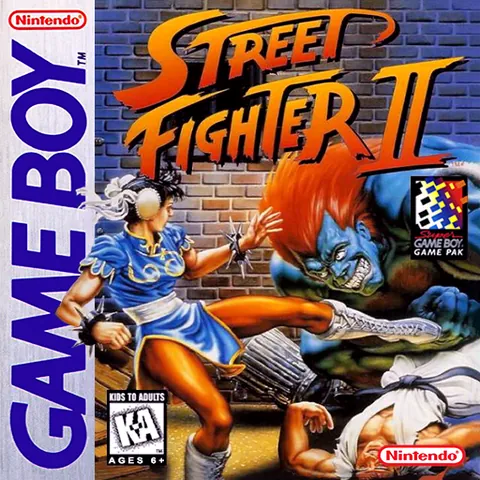 Street Fighter II GB · 1991
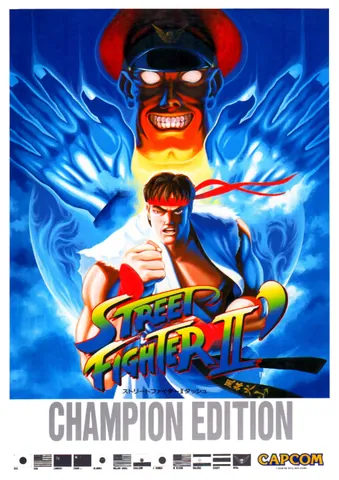 Street Fighter II': Champion Edition CPS · X68k · PCE · 1992
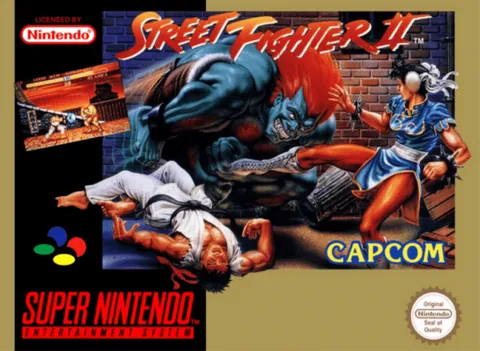 Street Fighter II Turbo: Hyper Fighting SNES · 1993
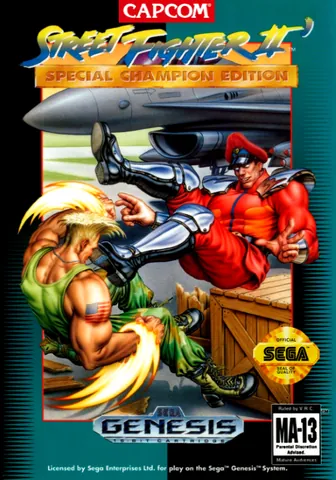 Street Fighter II: Special Champion Edition MD · 1993
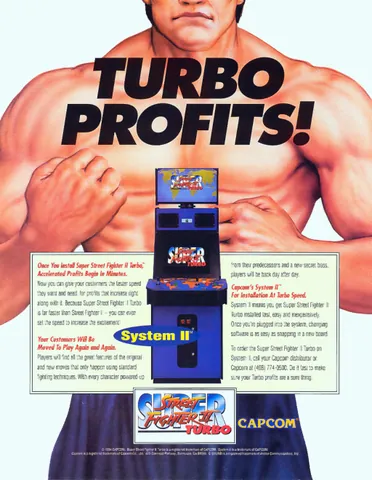 Super Street Fighter II Turbo MAME · 3DO · 1994
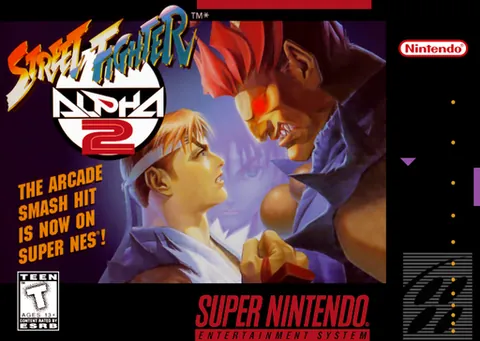 Street Fighter Alpha 2 SNES · Saturn · MAME · 1996
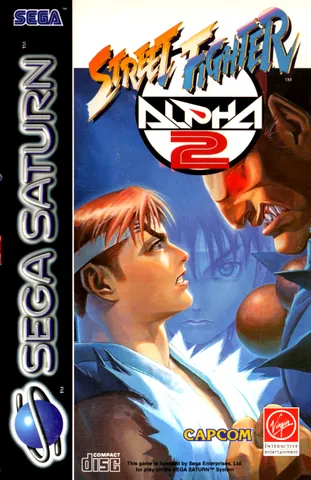 Street Fighter Alpha 2 / 3 Saturn · 1996+
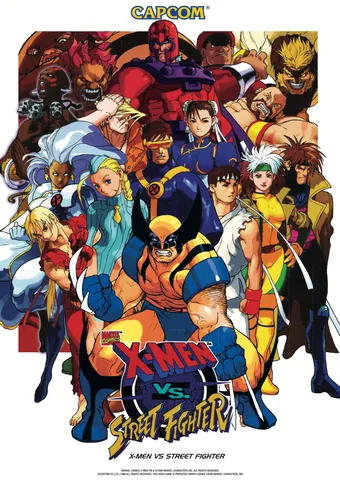 X-Men vs. Street Fighter MAME · Saturn · 1996
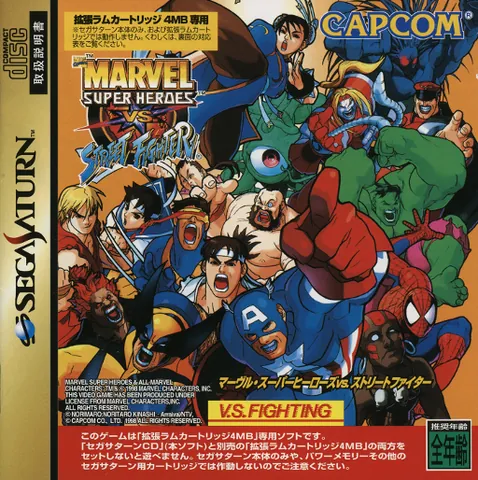 Marvel Super Heroes vs. Street Fighter Saturn · MAME · 1997
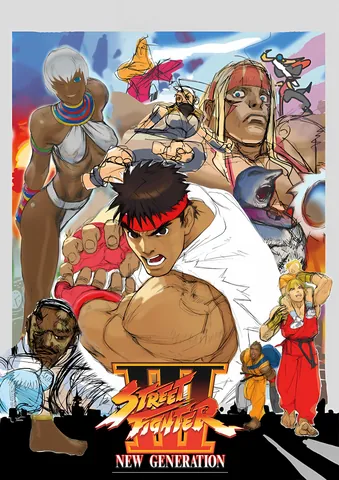 Street Fighter III: New Generation MAME · 1997
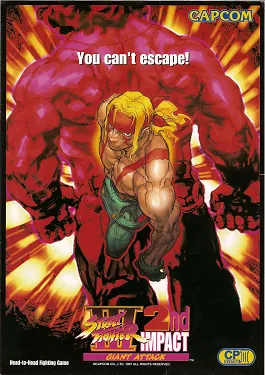 Street Fighter III: 2nd Impact MAME · 1997
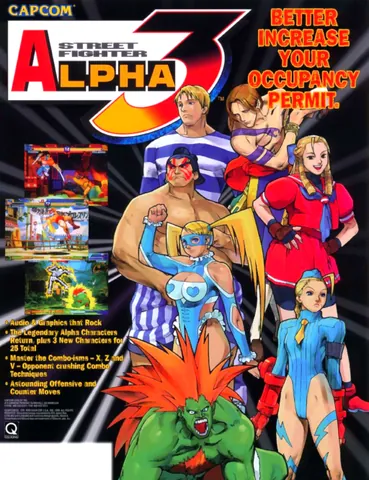 Street Fighter Alpha 3 CPS · PS1 · GBA · 1998