Game studio
Nintendo EAD
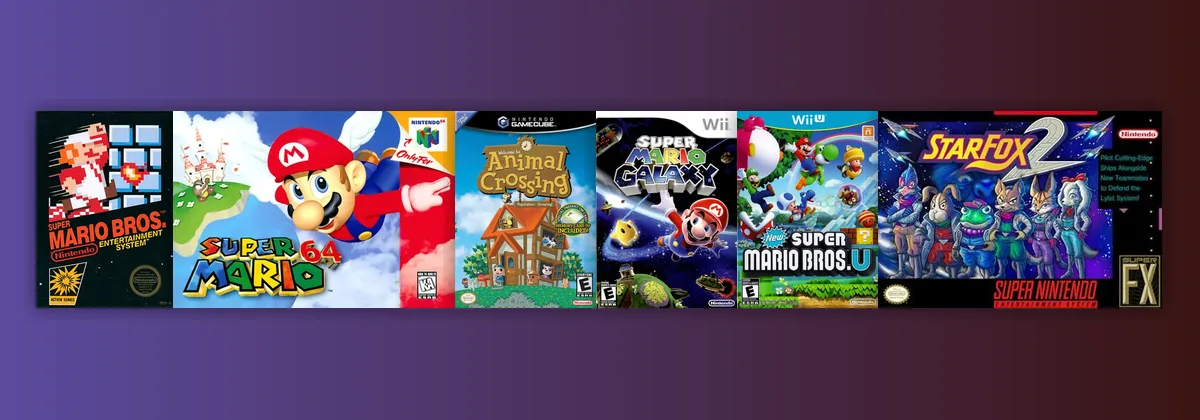
Say "the best of what Nintendo can do" and almost invariably you are talking about the work of the Nintendo EAD team. This internal development division was present at the birth of nearly all the Japanese company's key brands and set the tone for the entire gaming industry for decades. From its workshop came the plumber Mario, the hero Link, and the whole legend of Zelda, and it was here that the games were born which to this day define what perfect game design means. Retro players love it because its titles have not aged: a platformer forty years old plays just as brilliantly as on release day, and its craftsmanlike precision remains the benchmark to which others look up.
History
The team was formed in 1983 as part of a Nintendo reorganization under the name Nintendo Entertainment Analysis & Development. Its roots reach back to the legendary designer Shigeru Miyamoto, who had already become famous for the arcade hit Donkey Kong. It was in EAD that the title which changed history was born: Super Mario Bros. (1985) for the NES. Smooth jumping, brilliant level design, and unforgettable music made this work the best-selling game of its time and saved the gaming market after the crash of 1983.
EAD, however, was not a one-brand studio. As early as 1986 came The Legend of Zelda, with an open world and an emphasis on exploration that was revolutionary for its time. The end of the eighties was then crowned by Super Mario Bros. 3 (1988), one of the best-tuned platforming experiences ever.
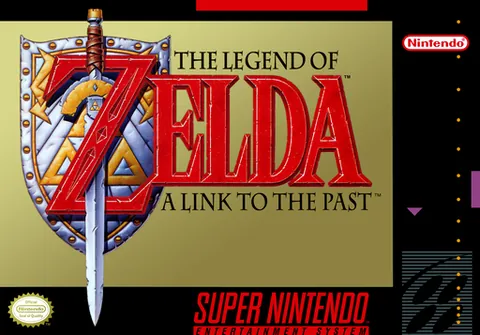
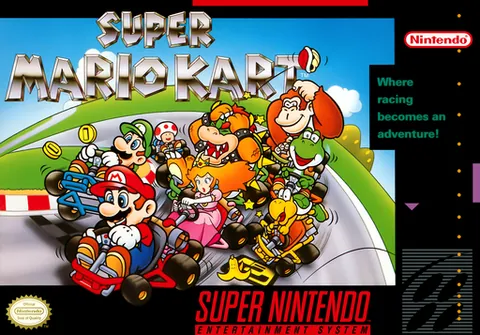
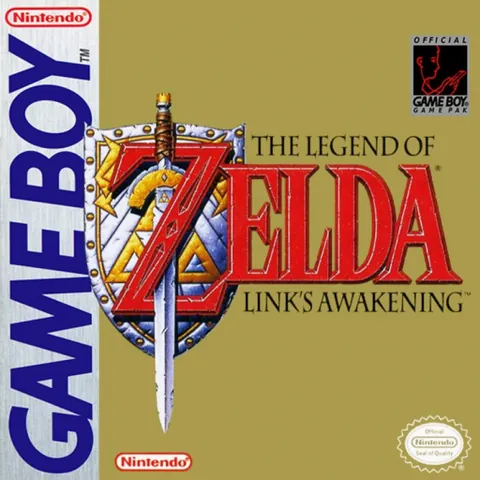
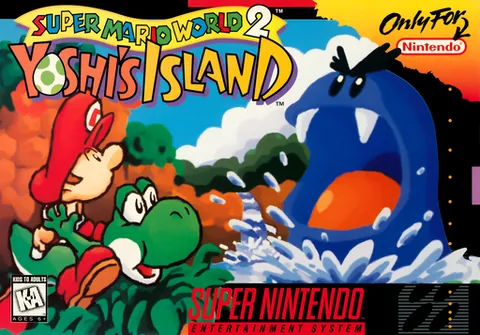
With the arrival of the Super Nintendo, the team moved even higher. The launch title Super Mario World (1990) introduced the dinosaur Yoshi, while The Legend of Zelda: A Link to the Past (1991) brought the action-adventure to perfection and became a model for the whole genre. EAD also broadened its portfolio further: the futuristic racer F-Zero showed what the Mode 7 graphics mode could do, and Super Mario Kart (1992) laid the foundation for one of the most successful racing series in history. Nor did the handheld consoles come up short, as evidenced by the charming The Legend of Zelda: Link's Awakening for the Game Boy.
The real breakthrough came with the arrival of 3D. Super Mario 64 (1996) showed the whole industry what a hero's movement in three-dimensional space should look like, and to this day it is a textbook example of controls. Two years later came The Legend of Zelda: Ocarina of Time (1998), which many critics still rank among the best games of all time. The Nintendo 64 era was closed by the darker and more inventive Majora's Mask (2000), the brisk Mario Kart 64, and the cosmic shooter Star Fox 64.
Key Figures
The face of the studio was always Shigeru Miyamoto, father of Mario, Zelda, and Star Fox and perhaps the most influential game designer in history. His "play and have fun" approach permeated every project. At his side stood producer and director Takashi Tezuka, who contributed fundamentally to Mario and Zelda and gradually took over the lead on many key games.
The younger generation was represented by Eiji Aonuma, who became the central figure of the Zelda series starting with Ocarina of Time, and Hideki Konno, associated with the Mario Kart racing line. An unmistakable mark was also left by composer Koji Kondo, author of the iconic melodies from Super Mario and Zelda that even someone who has never played knows. These motifs rank among the most famous music in the history of the medium.
Transformations and Transfers
Nintendo EAD was never an independent studio; it was always an internal division of Nintendo, so it avoided acquisitions or changes of ownership. It nevertheless evolved. Over time it grew into several development groups, and some of its people also worked in the satellite studio Nintendo EAD Tokyo, founded in 2003, from which came, for example, the new-generation 3D Mario games.
A fundamental formal change came in 2015. As part of a broader reorganization, Nintendo merged EAD with the Nintendo SPD division and created the new grouping Nintendo EPD (Entertainment Planning & Development). The EAD name thereby effectively ceased to exist, but the people themselves, the know-how, and the brands smoothly passed under the new banner.
The Present
Today, in 2026, no games are released under the name Nintendo EAD anymore, but its legacy lives on within Nintendo EPD. This division is still Nintendo's largest and most important development team and stands behind modern hits from Mario through Zelda to Mario Kart. Shigeru Miyamoto remains in a leading role at Nintendo as a respected creative overseer, and Eiji Aonuma continues to lead the Zelda series. For retro players, however, what matters above all is that the classics the team once created are still alive, available, and just as entertaining as decades ago.
Games by the studio (59)
-
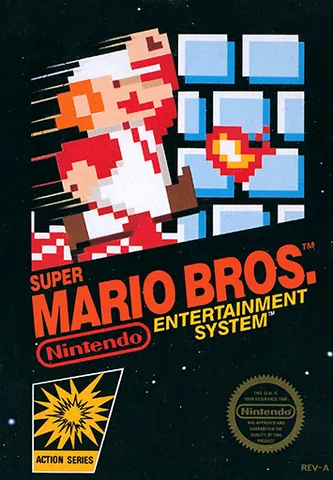
Super Mario Bros. · 1985
-
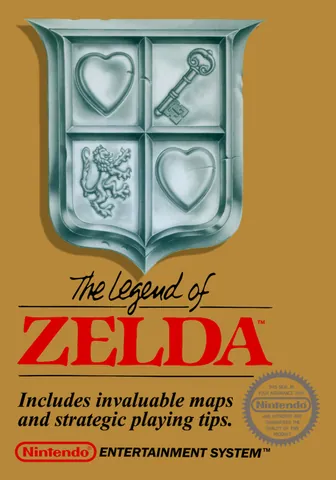
The Legend of Zelda · 1986
-
-
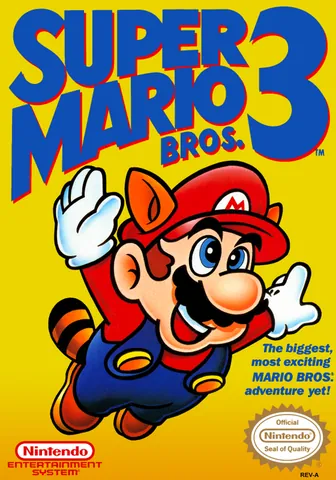
Super Mario Bros. 3 · 1988
-
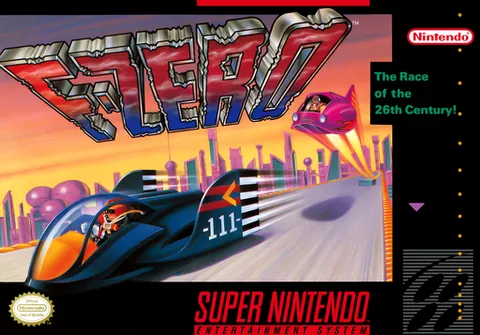
-
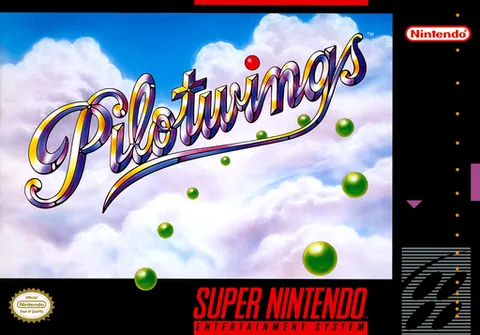
Pilotwings · 1990
-
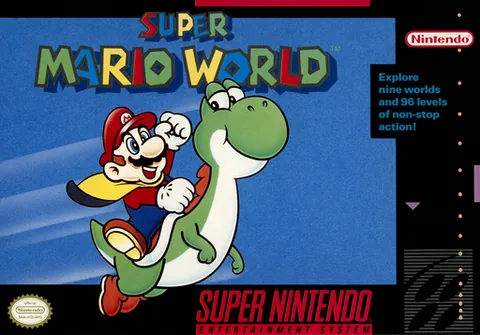
Super Mario World · 1990
-
-
Super Mario Kart · 1992
-
-
-
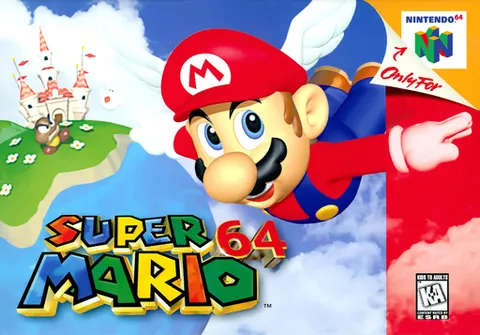
Super Mario 64 · 1996
-
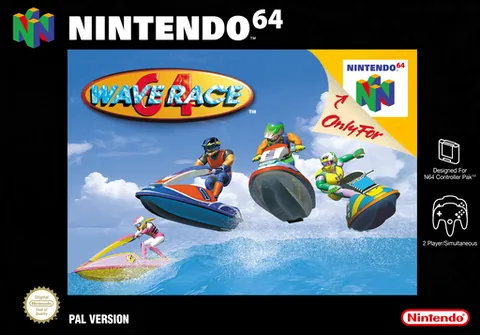
Wave Race 64 · 1996
-
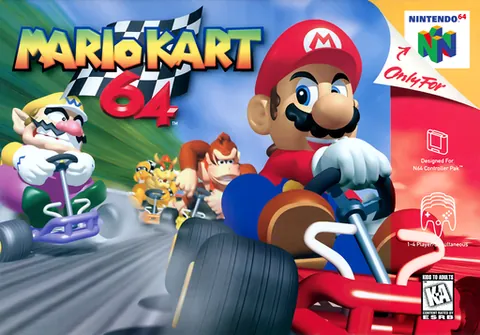
Mario Kart 64 · 1997
-
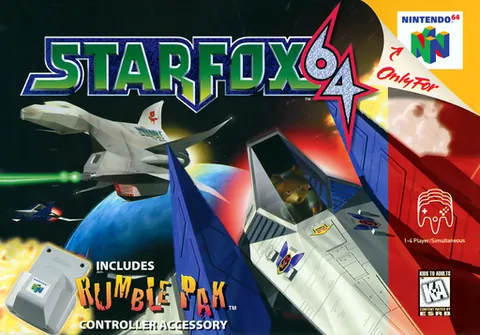
Star Fox 64 · 1997
-
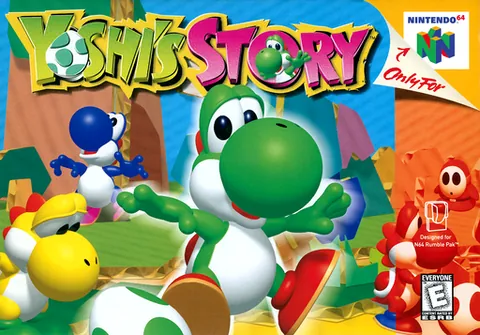
Yoshi's Story · 1997
-
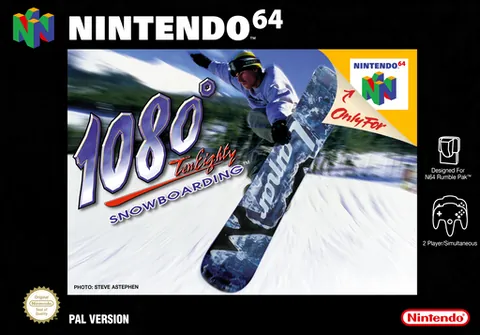
1080° Snowboarding · 1998
-
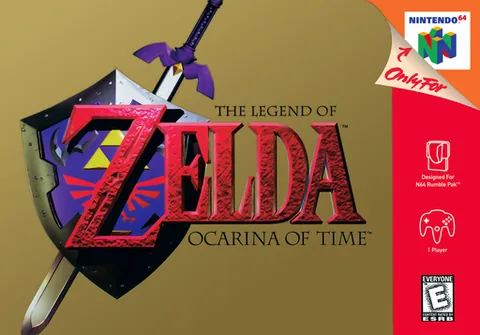
-
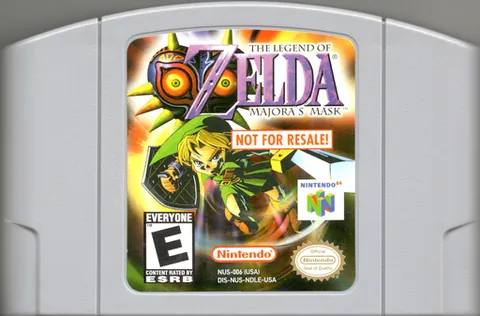
-
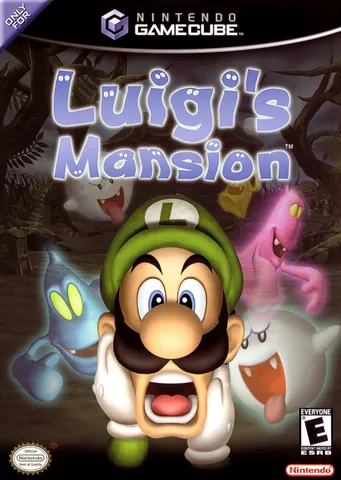
Luigi's Mansion · 2001
-
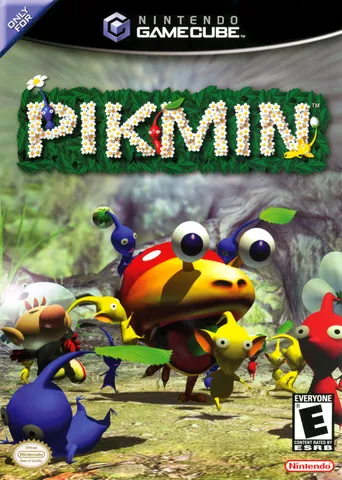
-
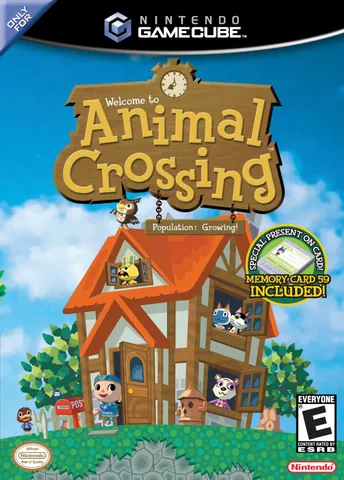
Animal Crossing · 2002
-
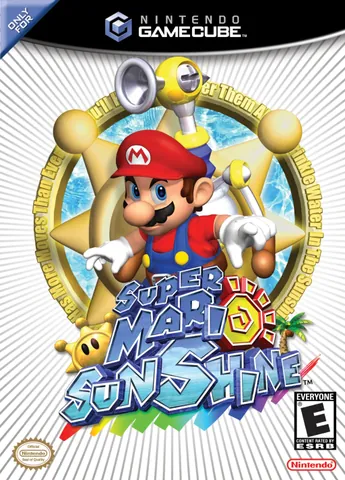
Super Mario Sunshine · 2002
-
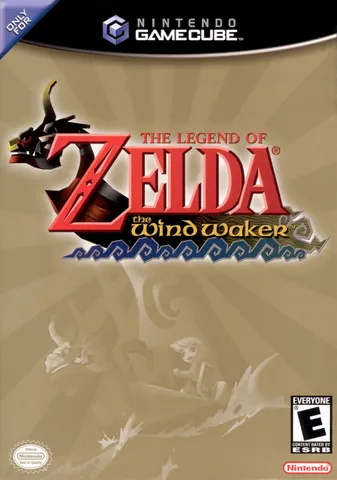
-
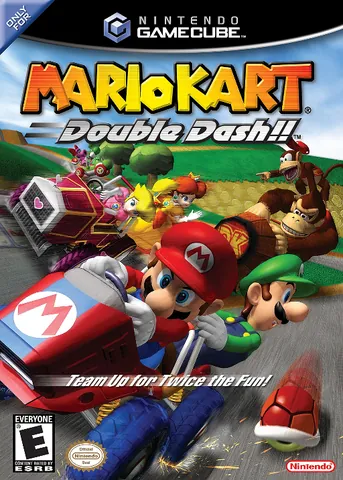
Mario Kart: Double Dash!! · 2003
-
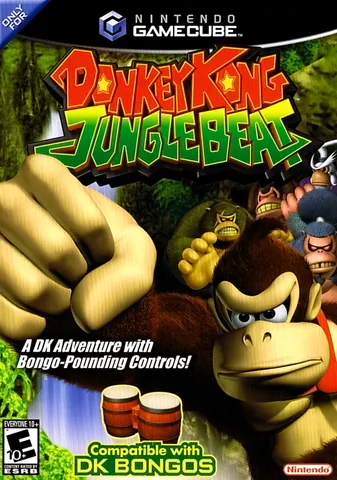
Donkey Kong Jungle Beat · 2004
-
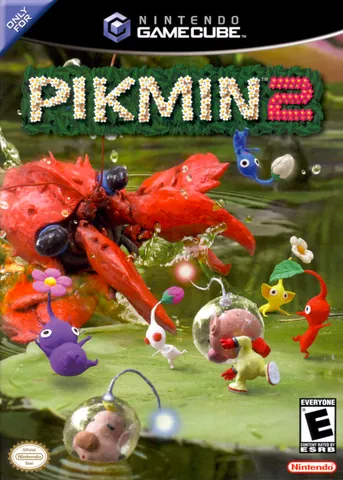
-
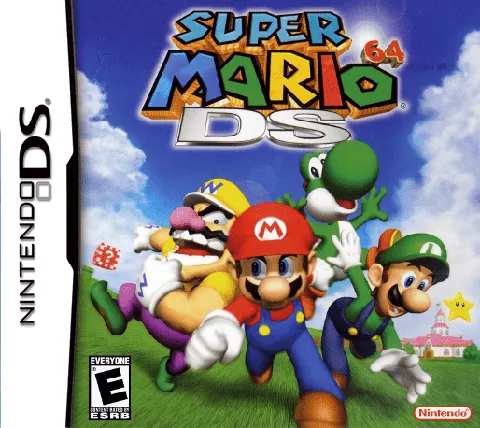
Super Mario 64 DS · 2004
-
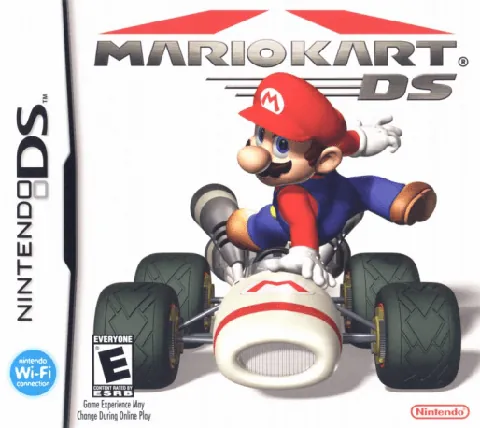
Mario Kart DS · 2005
-
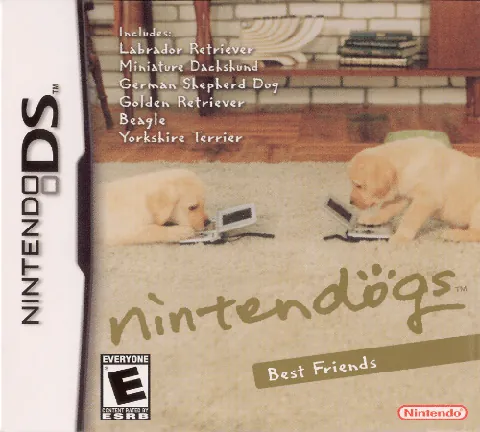
Nintendogs · 2005
-
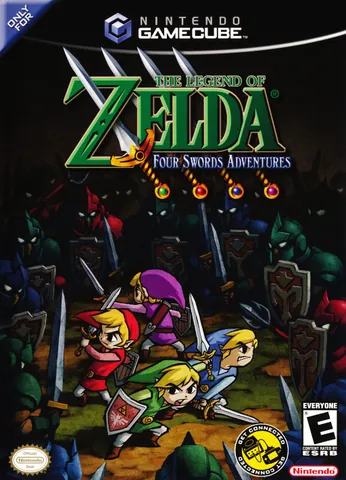
-
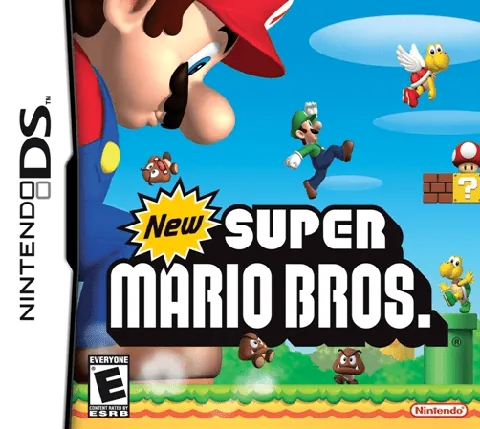
New Super Mario Bros. · 2006
-
-
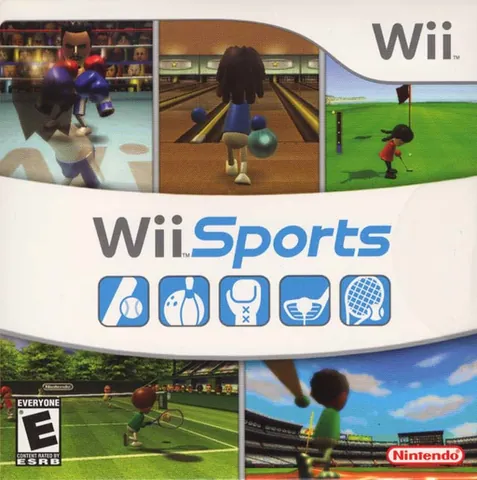
Wii Sports · 2006
-
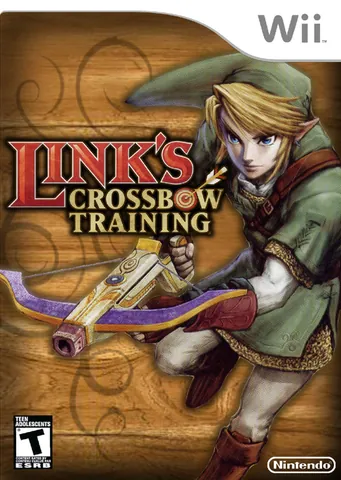
Link's Crossbow Training · 2007
-
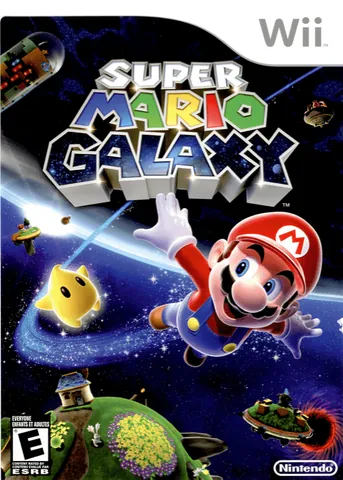
Super Mario Galaxy · 2007
-
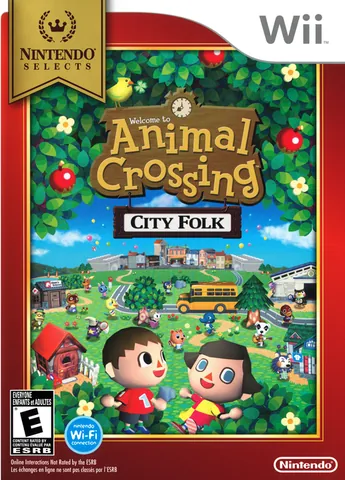
Animal Crossing: City Folk · 2008
-
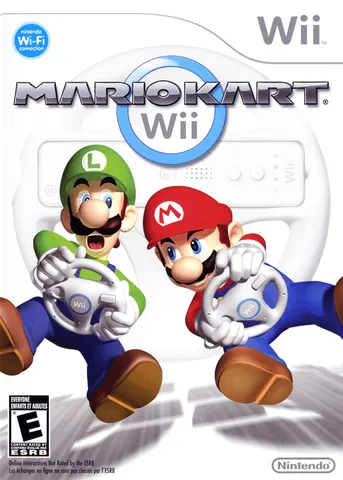
Mario Kart Wii · 2008
-
New Play Control! Pikmin · 2008
-
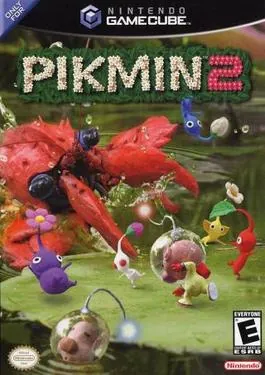
New Play Control! Pikmin 2 · 2009
-
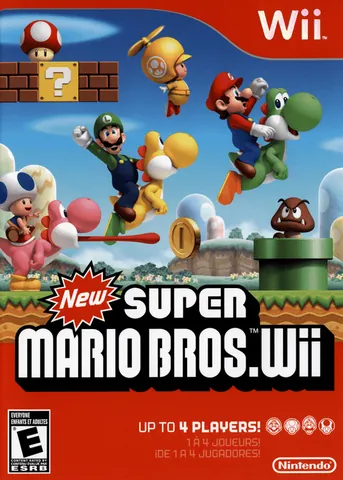
New Super Mario Bros. Wii · 2009
-
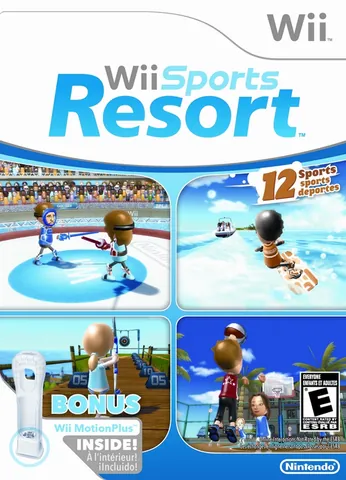
Wii Sports Resort · 2009
-
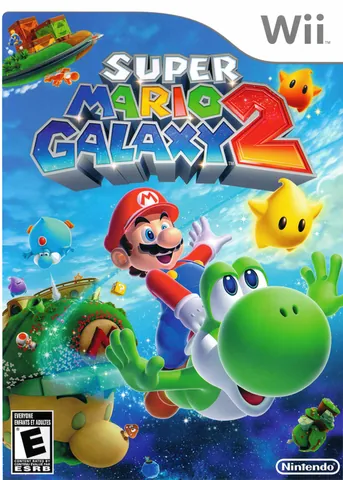
Super Mario Galaxy 2 · 2010
-
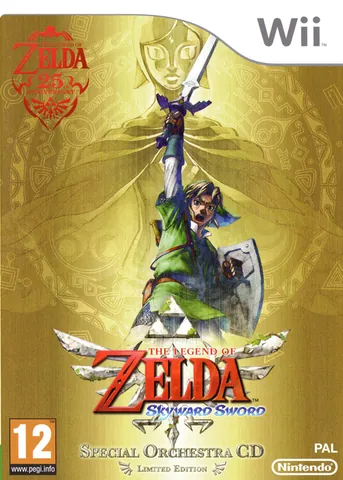
-
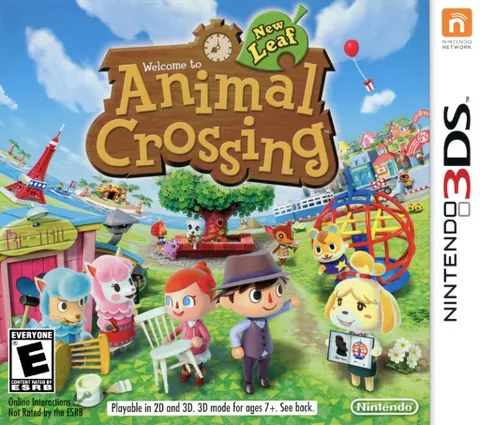
Animal Crossing: New Leaf · 2012
-
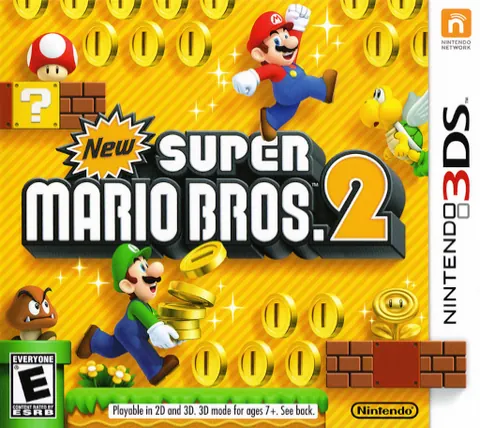
New Super Mario Bros. 2 · 2012
-
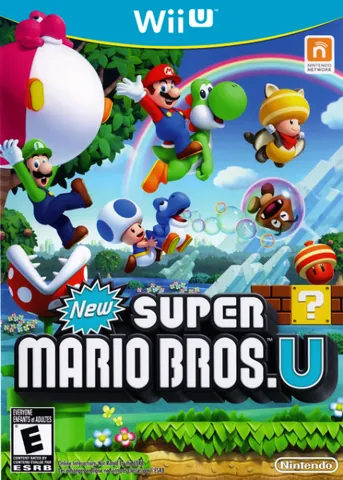
New Super Mario Bros. U · 2012
-
-
Nintendo Land · 2012
-
-
Pikmin 3 Deluxe · 2013
-
-
-
-
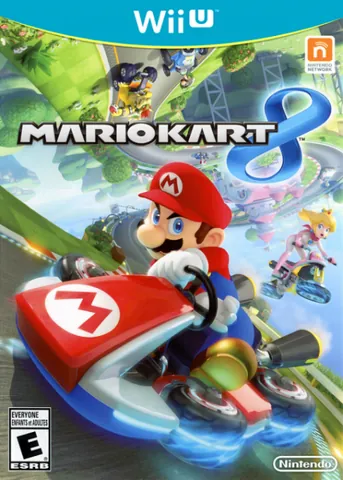
Mario Kart 8 · 2014
-
-
Super Mario Maker · 2015
-
Star Fox 2 · 2017