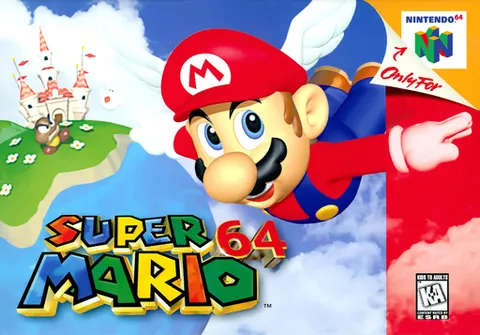
Super Mario 64
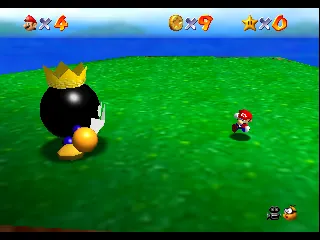
When Mario first ran out of the doors of Peach's castle into the open courtyard, it was not just the start of one game - it was the moment video games learned to walk in three dimensions. Super Mario 64 was not merely the launch title of the Nintendo 64; it was the textbook by which the entire industry learned, for the next decade, how to make a 3D platformer at all.
The secret was the new controller. The analog stick, which premiered on the N64, gave Mario something that had not been possible before: nuanced movement. He could sneak, walk, run and turn sharply depending on how far you pushed the stick. Jumps, backflips, the triple jump and the fabled "long jump" turned mere movement into a joy in its own right. Controlling Mario was fun before you even encountered an enemy.
The game's structure became the genre's template. Instead of linear levels you got open worlds hidden in paintings on the castle's walls, and in each of them lurked several stars you earned by completing various challenges. A total of 120 stars gave reason to explore every corner, experiment and return. This "collect and discover" model was adopted by countless games that came after it.
No less important was the camera control. Super Mario 64 faced a problem no one had properly solved before - how to show 3D space so the player would not get lost in it. The solution with a camera you could rotate yourself was not perfect, but it established the basic language that 3D games speak to this day. Development under the baton of Nintendo EAD and Shigeru Miyamoto himself wrote the rules on the fly.
It is one of the most influential titles in the history of the medium - a game creators still reference today and whose DNA you will find in countless 3D adventures. It proved that the transition into the third dimension need not be a compromise but a leap forward that opens up entirely new possibilities for fun.
Why play: Because it is the cornerstone of 3D platformers and one of the most important titles in gaming history - Mario's movement is a joy to this day.
Game 1 of 77 for Nintendo 64
From the same series Mario →
 Mario vs. Donkey Kong 2: March of the Minis DS
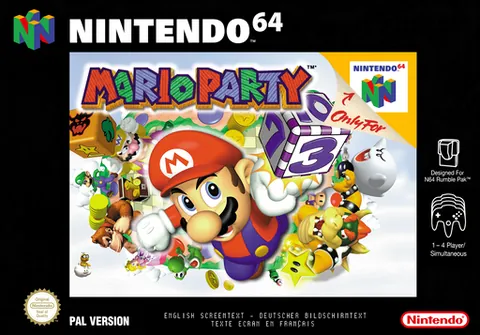 Mario Party 1–3 N64
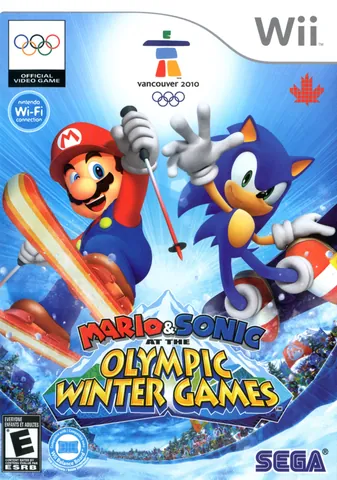 Mario & Sonic at the Olympic Winter Games Wii · DS
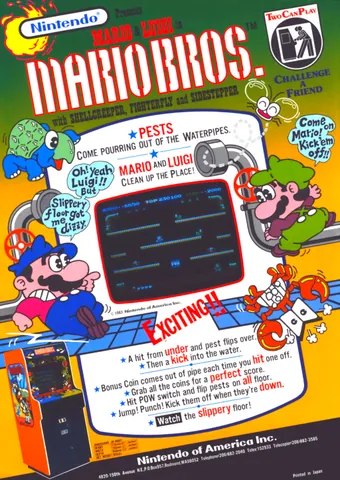 Mario Bros. MAME · 2600 · G&W · 1983
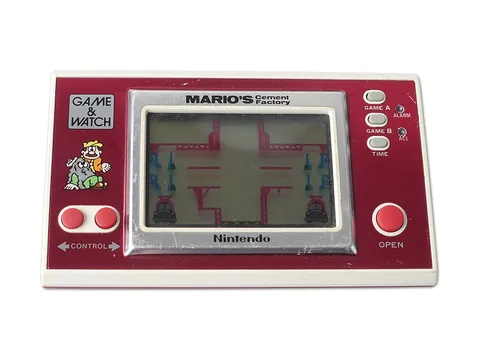 Mario's Cement Factory G&W · 1983
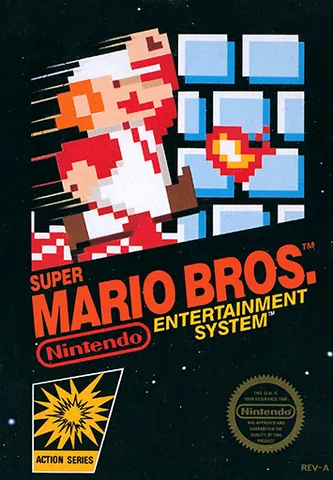 Super Mario Bros. NES · 1985
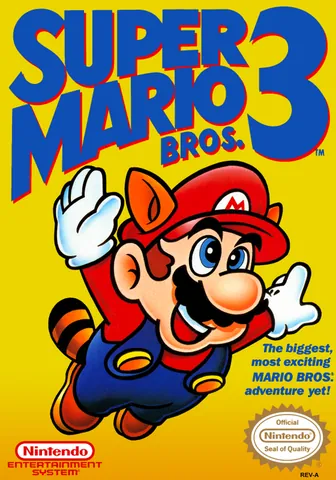 Super Mario Bros. 3 NES · 1988 (JP) / 1990 (US)
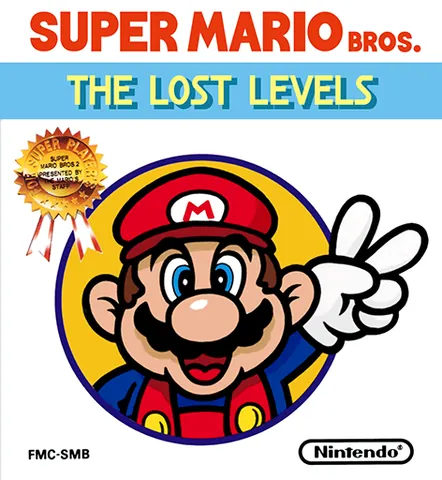 Super Mario Bros. 2 NES · 1988
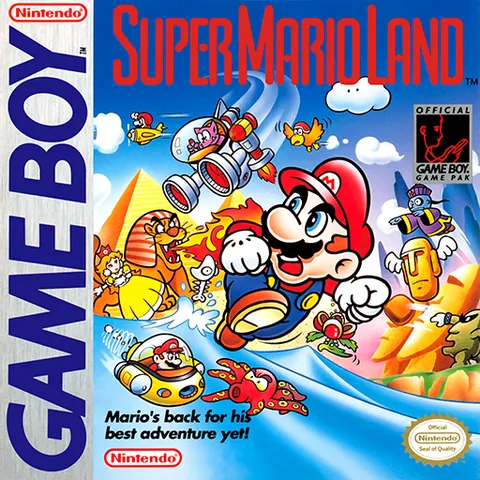 Super Mario Land GB · 1989
 Dr. Mario GB · NES · 1990
 Super Mario World SNES · 1990 (JP) / 1991 (US)
 Super Mario Land 2: 6 Golden Coins GB · 1992