Franchises
Need for Speed
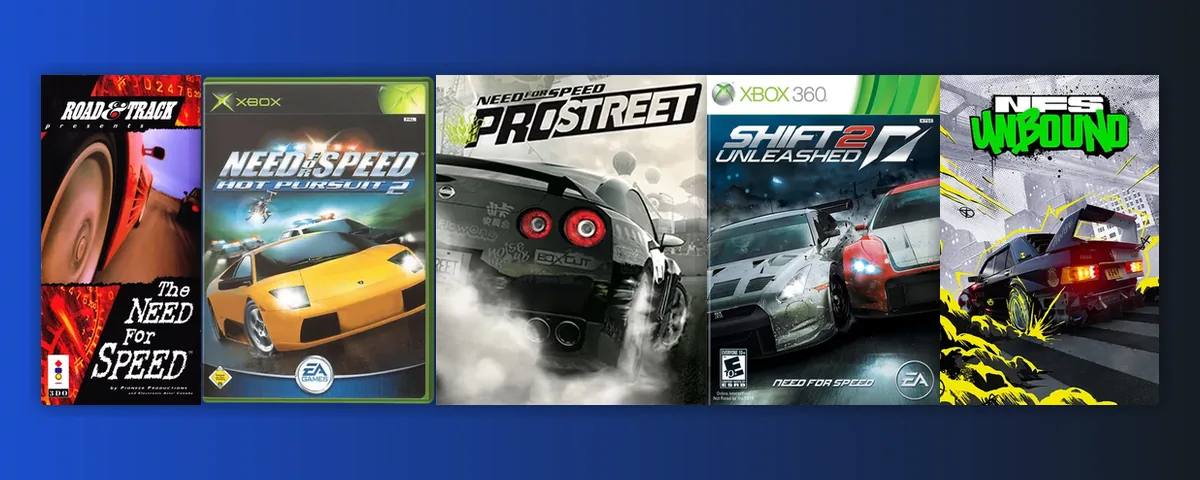
Need for Speed launched in 1994 with The 3DO Road & Track Presents: The Need for Speed on the 3DO console, developed by a studio later renamed Electronic Arts Canada. Unlike arcade racers of the time such as Ridge Racer, it leaned on licensed sports cars ranging from the Corvette to the Toyota Supra, more realistic handling, and features unusual for its era, such as driver's-eye replays and written profiles for each car. From the start this positioned the series closer to simulation than pure arcade fun.
Need for Speed II (1997) added more exotic cars and the first off-road tracks, while Need for Speed III: Hot Pursuit (1998) made the series famous for its police chases, which became one of its trademarks. The expanded High Stakes edition introduced car damage and insurance, and Porsche Unleashed (2000, also known in Europe as Porsche 2000) focused entirely on the history of the Porsche brand across the decades — a narrower focus many fans still consider one of the series' most polished entries. Hot Pursuit 2 (2002) then brought the police chases back for the next console generation.
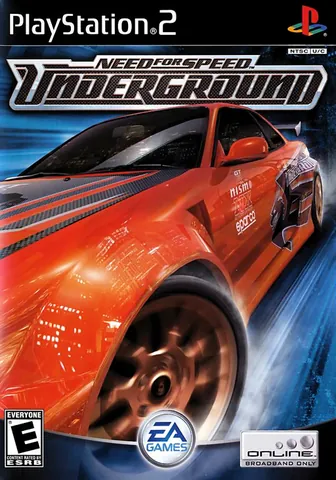
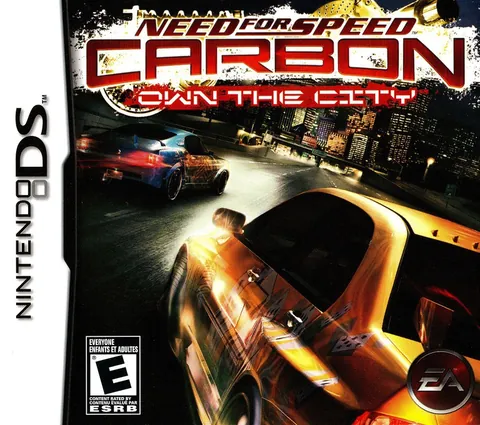
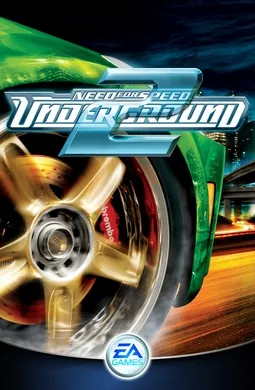
A turning point came with Need for Speed: Underground (2003), which redirected the series toward street tuning culture inspired by the import scene and the Fast and Furious films — neon underglow, visual body customization, drifting and drag races replaced the licensed supercars. Underground 2 (2004) expanded the concept with a freely explorable city. Most Wanted (2005), which combined tuning aesthetics with intense police pursuits, is often cited as the high point of this era. Carbon (2006) continued with canyon duels, while ProStreet (2007) shifted toward closed circuits and legal racing, disappointing many players, and Undercover (2008) drew criticism for its technical rough edges. Alongside home consoles and PCs, portable versions also appeared on Game Boy Advance and Nintendo DS, adapting the tuning concept to handheld hardware, while GameCube and Wii received their own adjusted ports of the main entries.
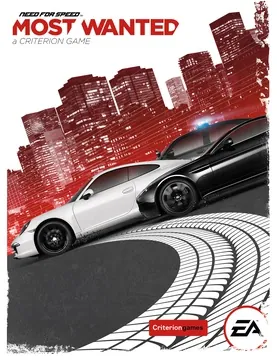
In parallel, the simulation-leaning Shift (2008) and Shift 2: Unleashed (2011), developed by Slightly Mad Studios, focused on realistic cockpit views and driving physics. British studio Criterion Games, known for the Burnout series, took over the brand with Hot Pursuit (2010), returning to arcade-style cop-versus-racer chases to a very warm reception, and later with a reboot of Most Wanted (2012) featuring an open world. The Run (2011) tried framing the series as a cinematic cross-country sprint, while Rivals (2013), from the newly formed Ghost Games, combined Hot Pursuit's cop-versus-racer premise with an open world.
Since then, reboots have alternated between Ghost Games and Criterion: Need for Speed (2015) returned to Underground's nighttime tuning atmosphere, Payback (2017) added a cinematic revenge story, Heat (2019) split the game into a legal day and an illegal night, and Unbound (2022) enriched the visuals with stylized graffiti effects during drifts and boosts. The mobile spin-off Need for Speed: No Limits brought the brand to phones as well. Across more than three decades and over forty entries, Need for Speed remains one of the best-selling racing franchises, swinging between arcade tuning and simulation depending on the era.
Entries in the series (26)
-
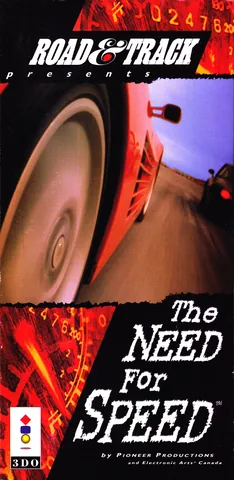
The Need for Speed · 1994
-
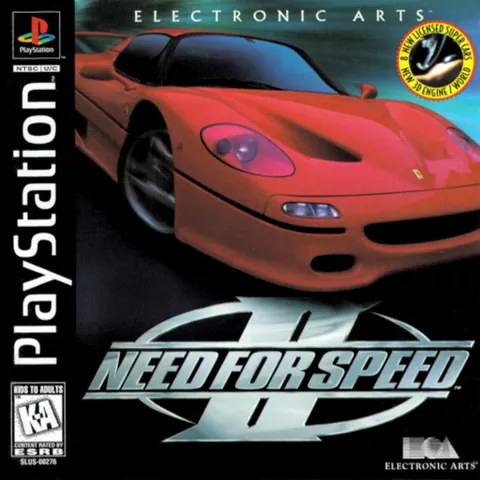
Need for Speed II · 1997
-
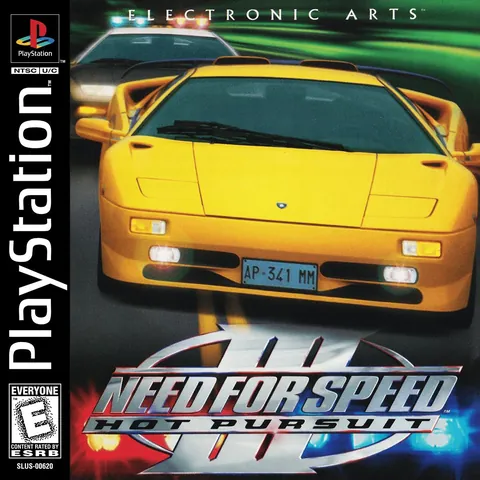
-
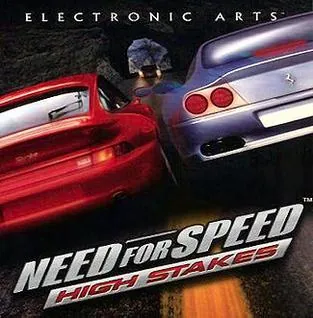
Need for Speed: High Stakes · 1999
-
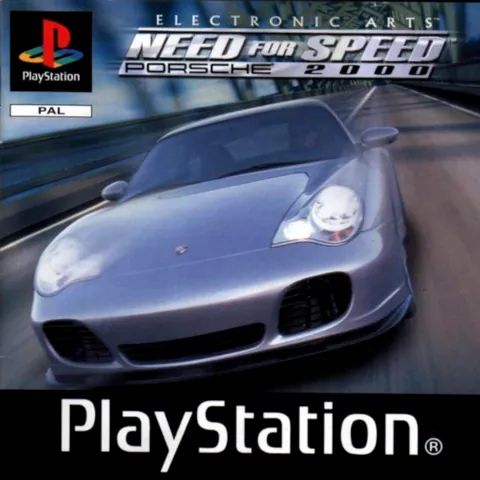
Need for Speed: Porsche 2000 · 2000
-
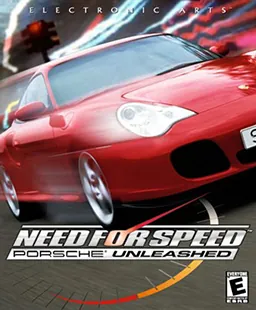
-
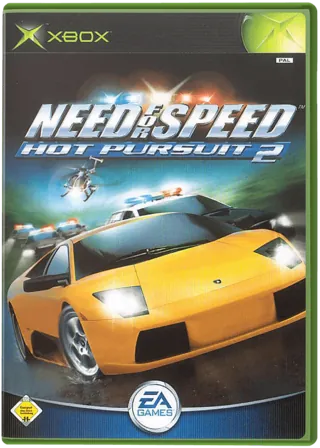
-
-
-
-
-
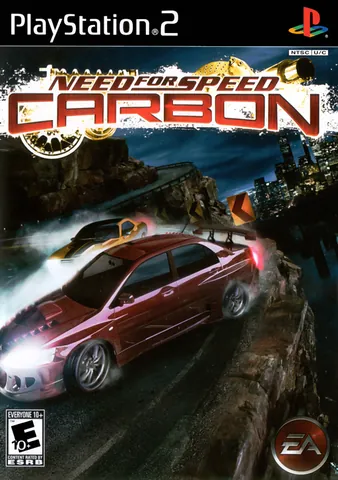
-
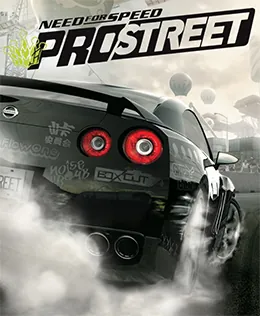
Need for Speed: ProStreet · 2007
-
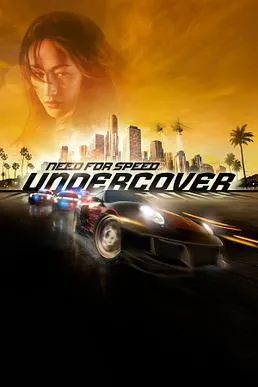
Need for Speed: Undercover · 2008
-
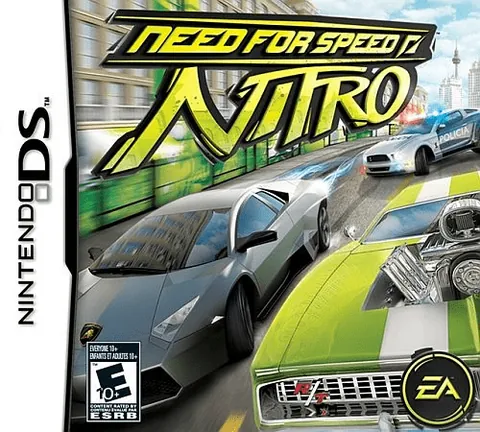
Need for Speed: Nitro · 2009
-
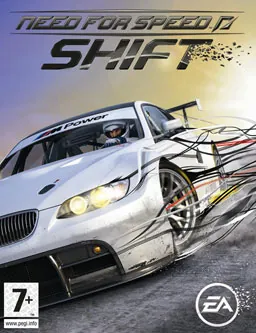
Need for Speed: Shift · 2009
-
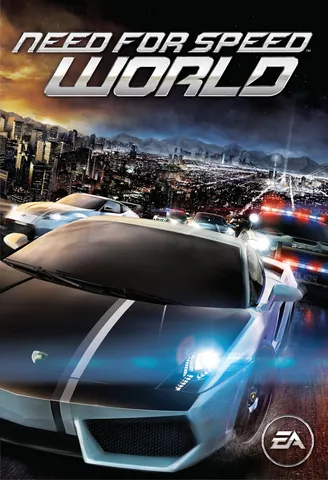
Need for Speed World · 2010
-
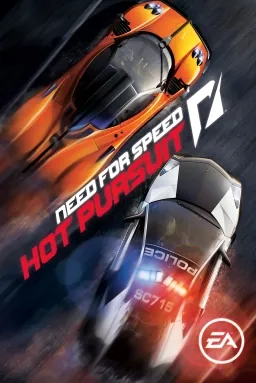
Need for Speed: Hot Pursuit · 2010
-
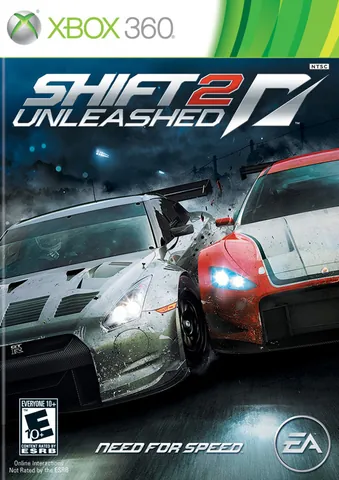
-
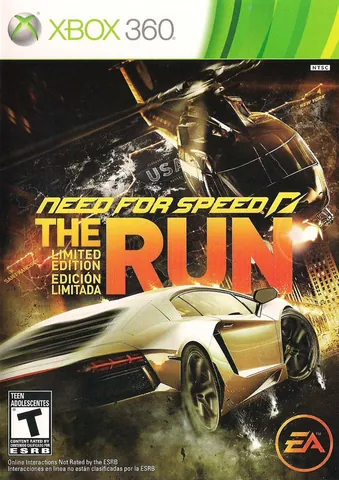
Need for Speed: The Run · 2011
-
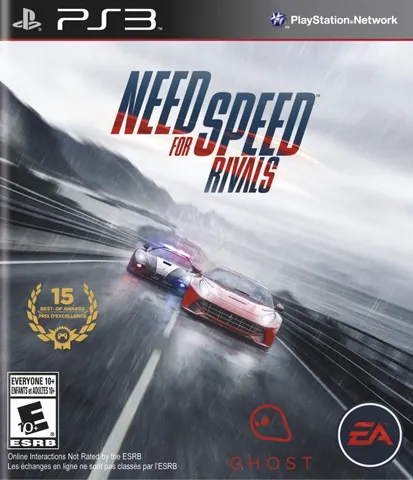
Need for Speed Rivals · 2013
-
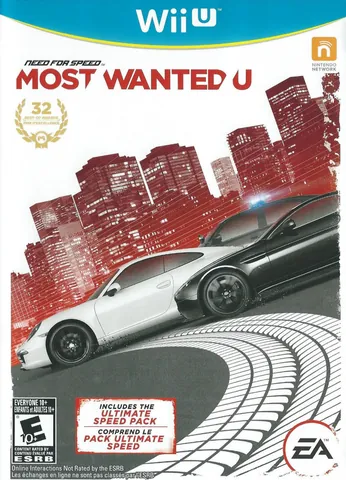
-
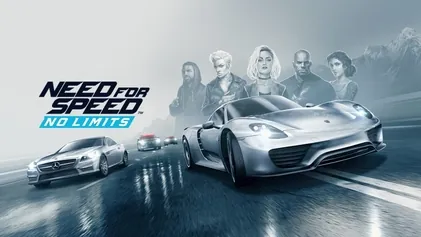
Need for Speed: No Limits · 2015
-
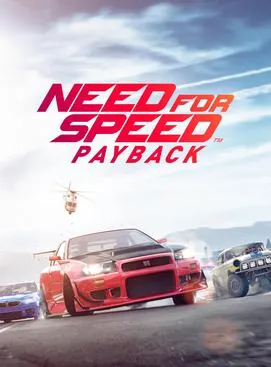
Need for Speed Payback · 2017
-
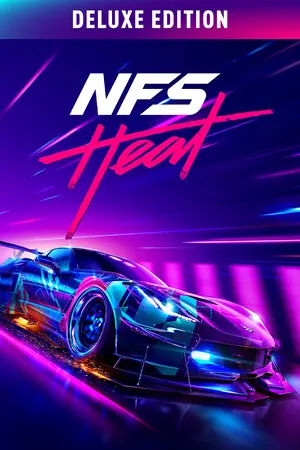
Need for Speed Heat · 2019
-
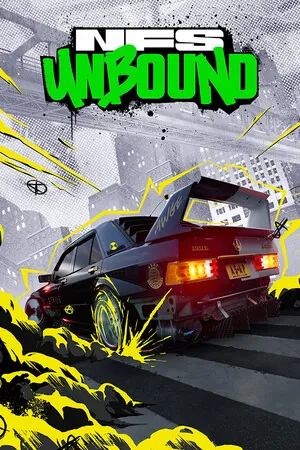
Need for Speed Unbound · 2022