Franchises
Mario
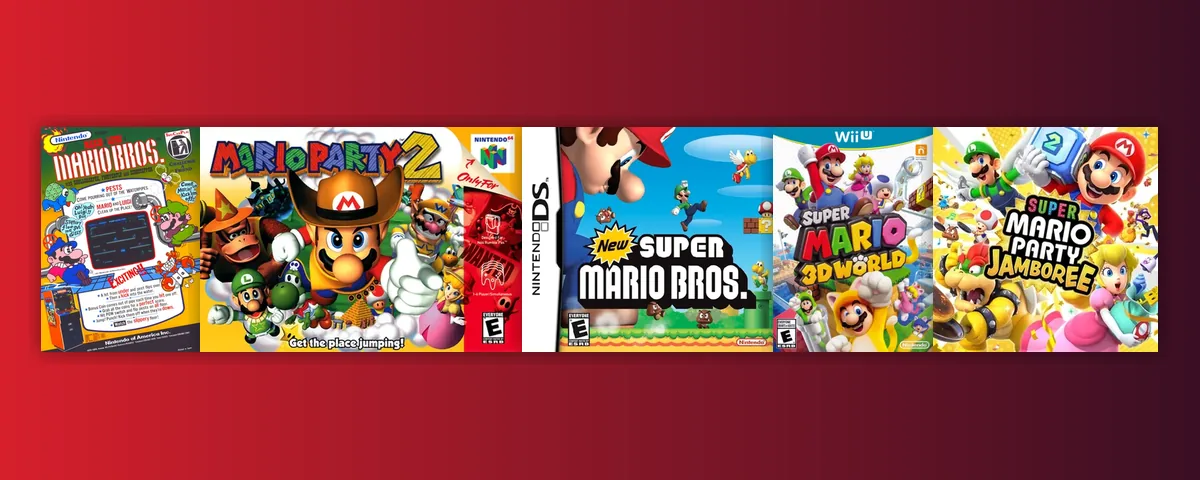
Mario first appeared in 1981 as a character called Jumpman in Nintendo's arcade game Donkey Kong; two years later he got his own arcade game, Mario Bros., where his brother Luigi stood beside him for the first time and the game added a competitive two-player mode set in sewer levels. His visual design – moustache, cap and overalls – grew out of technical necessity, so his features would stay readable even in motion at the resolutions of the day. The real foundation of the series, though, was laid by Super Mario Bros. (1985) for the NES – tightly tuned jump physics, power-ups such as the Super Mushroom and Fire Flower, and carefully escalating level design made it the template platformer that would define the genre for decades to come.
The NES and SNES era quickly branched the series out. Super Mario Bros. 2 for Western markets was a reskin of an unrelated game, Doki Doki Panic, while Japan instead got a much harder direct sequel, Super Mario Bros.: The Lost Levels. Super Mario Bros. 3 (1988), with its world map, raccoon suit and new abilities, is still widely regarded by players and critics as the high point of the 2D era. Super Mario World (1990) then added the rideable dinosaur Yoshi on SNES and became one of the console's best-selling titles, while the handheld Super Mario Land (1989) brought the series to Game Boy for the first time, cementing Mario as the main driver of Nintendo's whole platform.
The move to 3D came with Super Mario 64 (1996) on the Nintendo 64 – a game that solved camera control and free movement through space in a way that influenced almost every 3D platformer that followed, and later received an expanded 2004 remake, Super Mario 64 DS. Super Mario Sunshine (2002) on GameCube experimented with the water-spraying FLUDD device and a tropical setting, while Super Mario Galaxy (2007) and its 2010 sequel moved level design onto gravity-warped little planets and are considered by many the peak of the series' 3D branch. Around the same time, the New Super Mario Bros. line, starting in 2006 on DS, Wii and handhelds, returned to 2D gameplay with co-op for up to four players, and Super Mario 3D World received its own 2021 Switch expansion, Bowser's Fury, with a more open world structure.
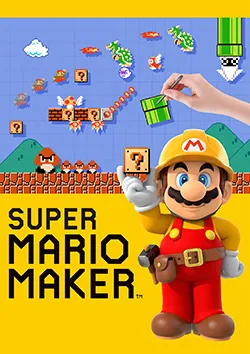
The more recent generation brought the hybrid Super Mario 3D Land and 3D World, blending 3D graphics with enclosed, classically structured levels, plus the level-creation tool Super Mario Maker (2015), which flipped the player's role and handed them an editor for building levels in the style of the classic games. Above all, though, Super Mario Odyssey (2017) on Switch, whose Cappy mechanic let Mario "capture" enemies and objects, turned the game into a set of freely explorable kingdoms. Super Mario Bros. Wonder (2023) then returned to 2D gameplay and refreshed it with new power-ups like the Elephant Fruit and unpredictable level-by-level Wonder effects.
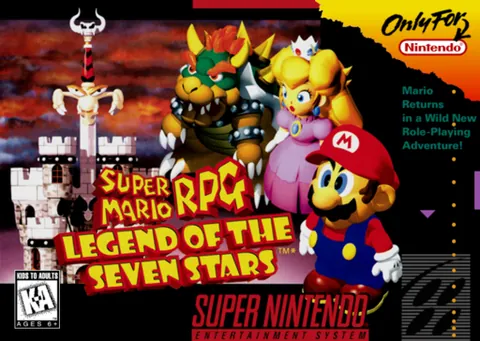
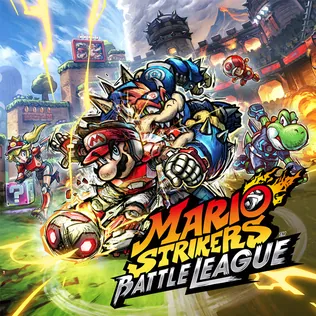
Around the core platforming line grew a vast family of spin-offs that turned Mario into a universal Nintendo brand: the Mario Kart racing series, the Mario Party titles, sports offshoots like Mario Tennis, Mario Golf and Mario Strikers, and an RPG branch that started with Super Mario RPG on SNES and later gave rise to the Paper Mario and Mario & Luigi series. The character also inspired film adaptations – a 1993 live-action movie and, three decades later, the far more successful animated The Super Mario Bros. Movie from Illumination – and became the template for the Super Nintendo World theme park attractions. A character created by Shigeru Miyamoto has, over more than four decades, come to define not just one genre but Nintendo itself and its gameplay-first approach to game design.
Entries in the series (109)
-
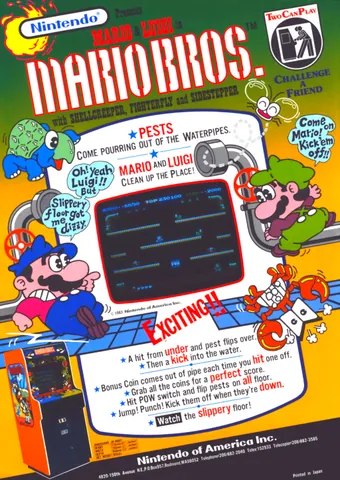
Mario Bros. · 1983
-
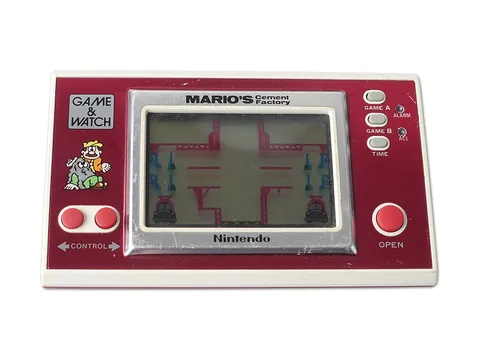
Mario's Cement Factory · 1983
-
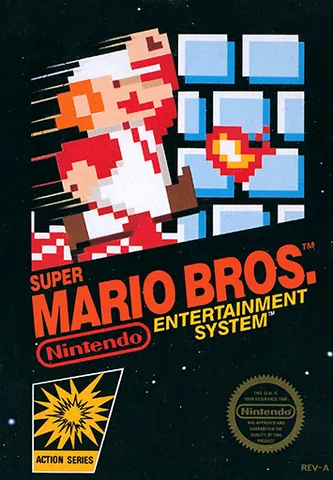
Super Mario Bros. · 1985
-
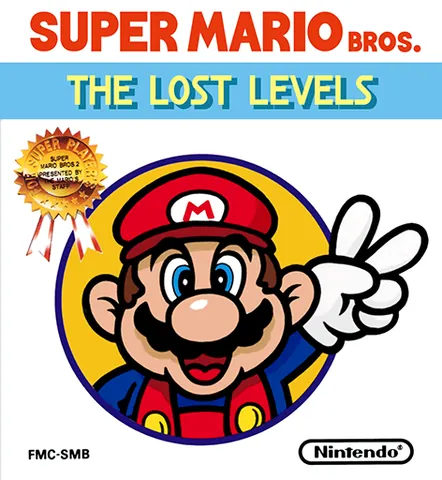
Super Mario Bros. 2 · 1988
-
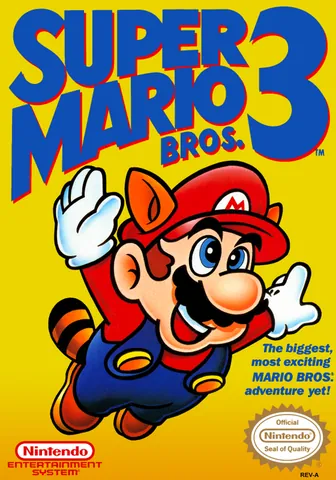
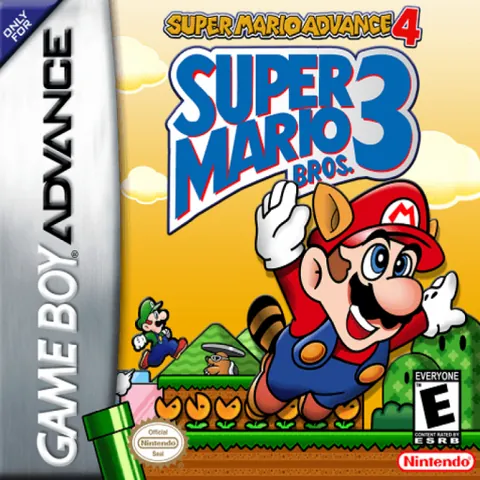
Super Mario Bros. 3 · 1988
-
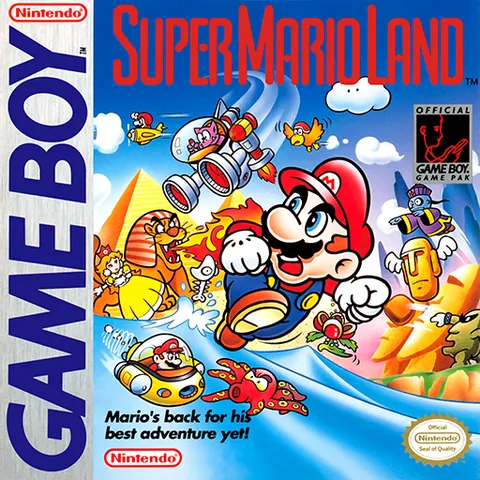
Super Mario Land · 1989
-
-
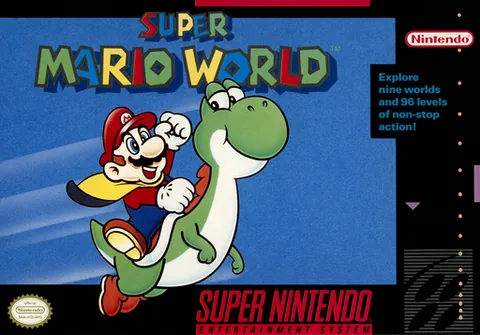
Super Mario World · 1990
-
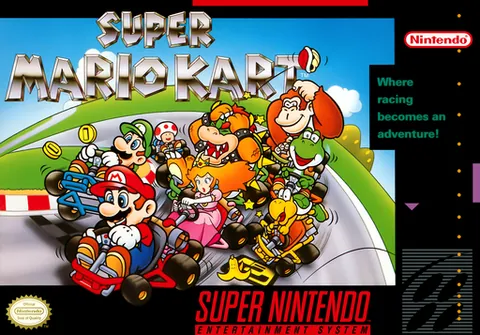
Super Mario Kart · 1992
-
-
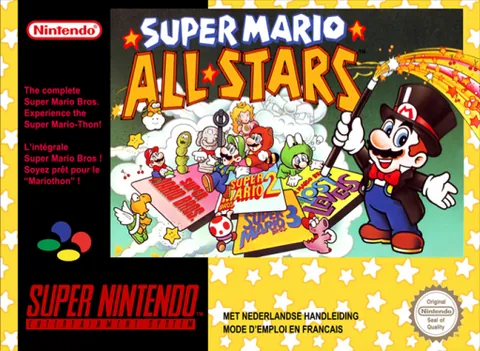
Super Mario All-Stars · 1993
-
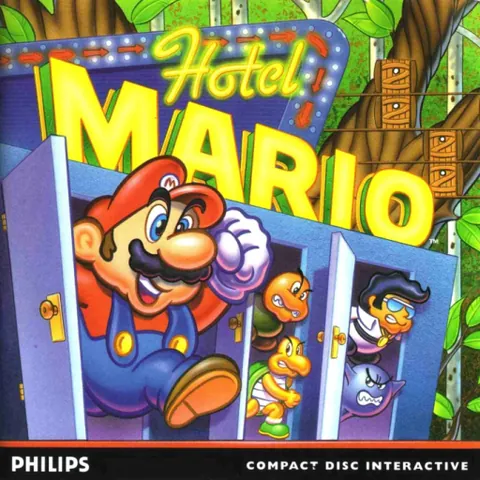
Hotel Mario · 1994
-
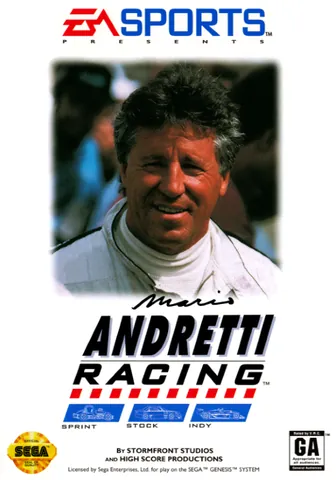
Mario Andretti Racing · 1994
-
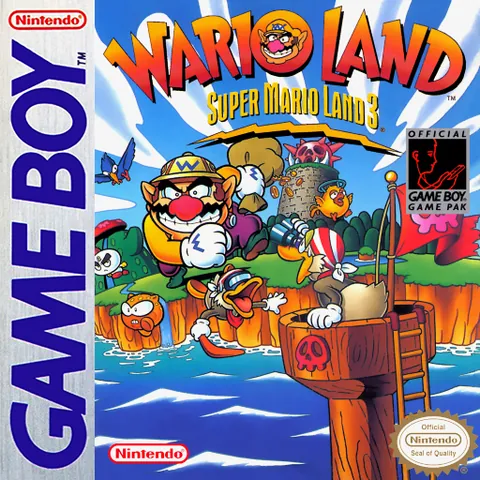
-
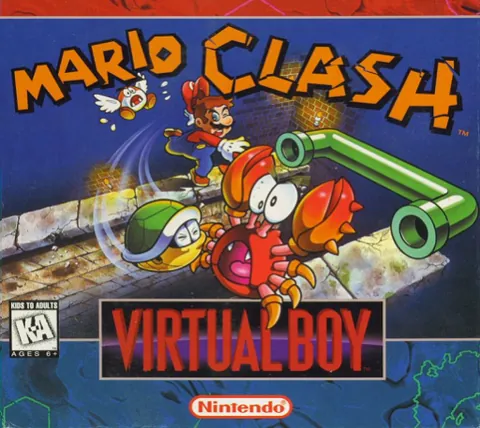
Mario Clash · 1995
-
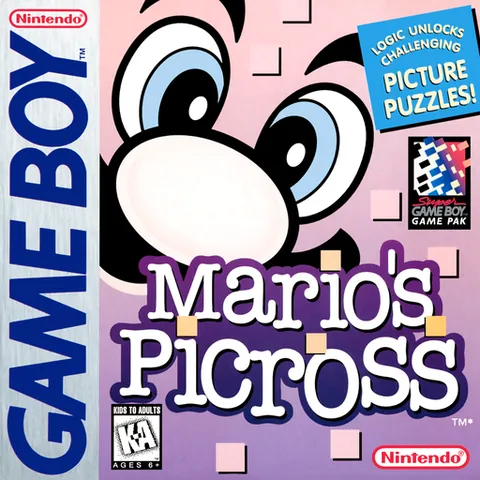
Mario's Picross · 1995
-
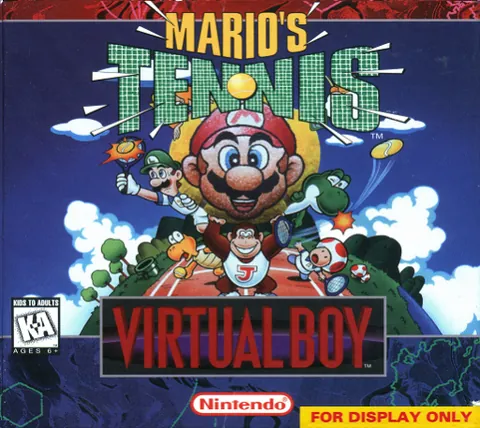
Mario's Tennis · 1995
-
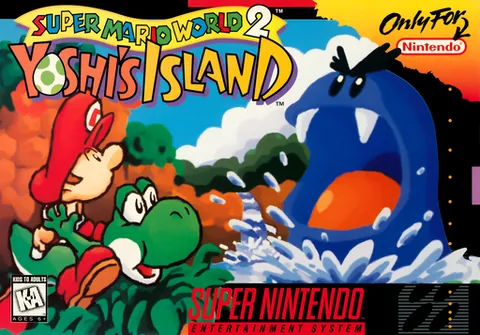
-
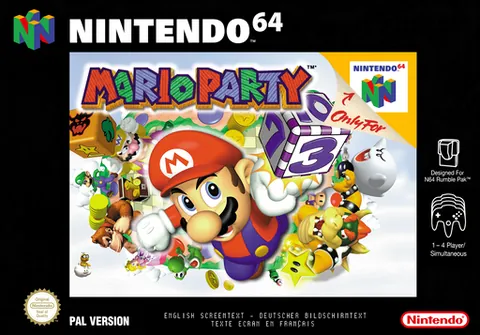
Mario Party 1–3 · 1996
-
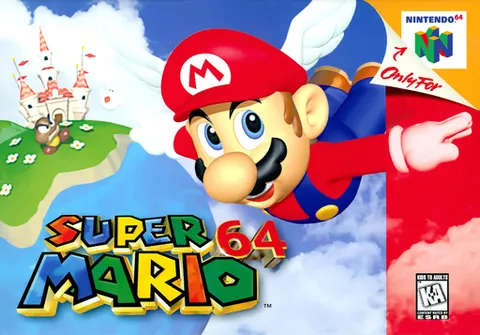
Super Mario 64 · 1996
-
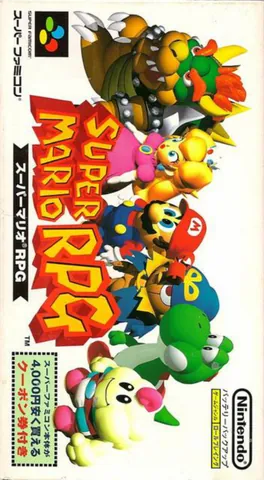
Super Mario RPG · 1996
-
-
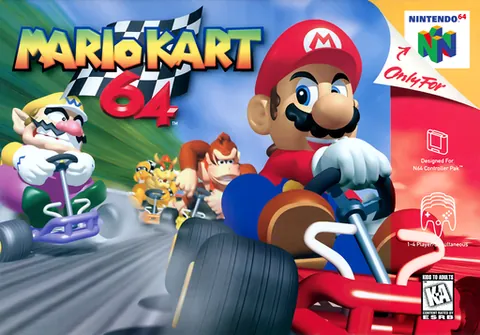
Mario Kart 64 · 1997
-
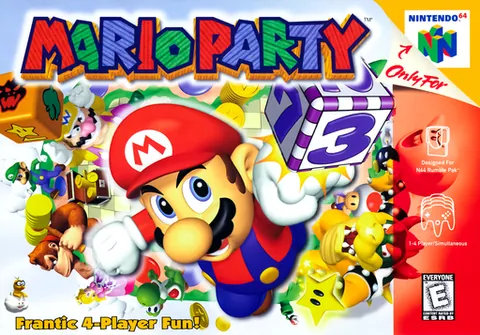
Mario Party · 1998
-
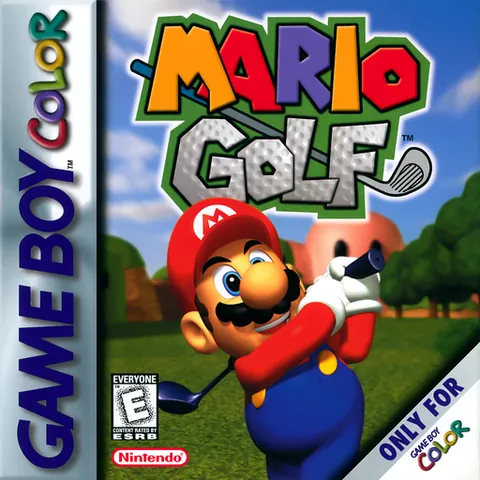
Mario Golf · 1999
-
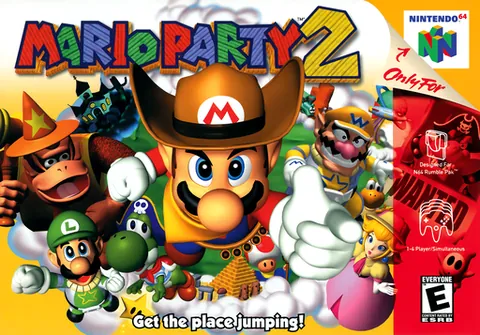
Mario Party 2 · 1999
-
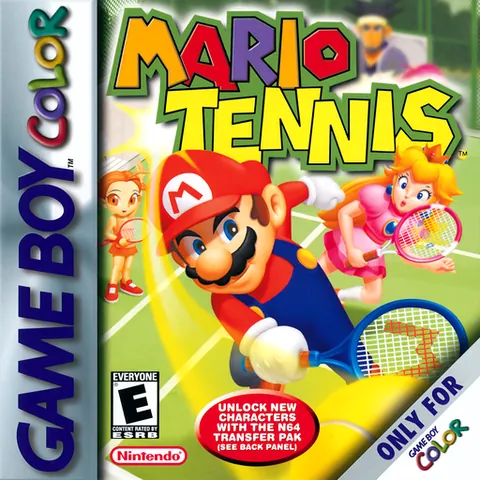
Mario Tennis · 1999
-
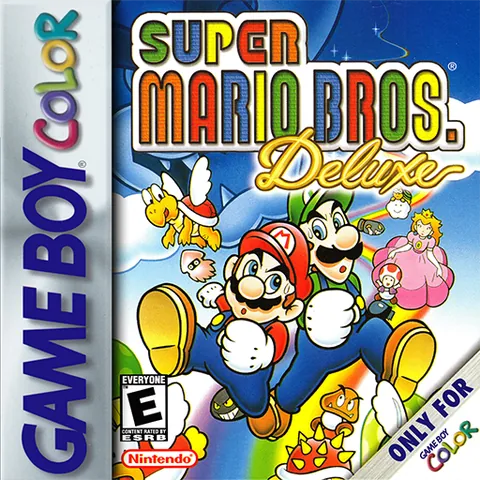
Super Mario Bros. Deluxe · 1999
-
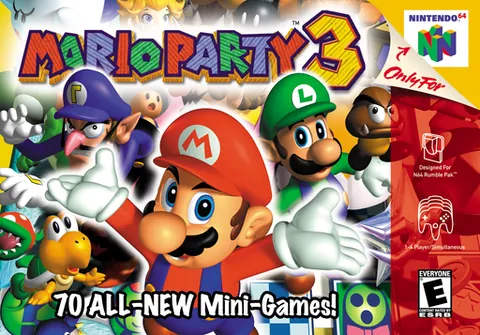
Mario Party 3 · 2000
-
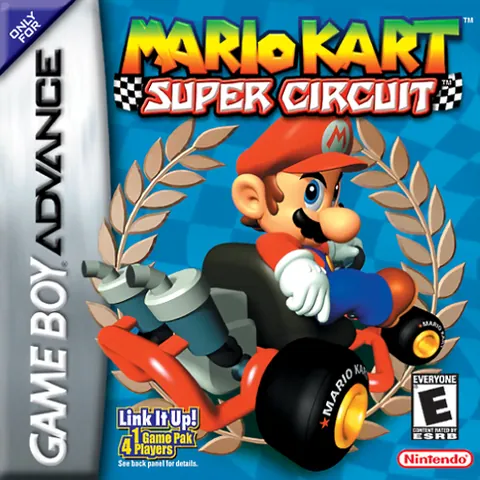
Mario Kart: Super Circuit · 2001
-
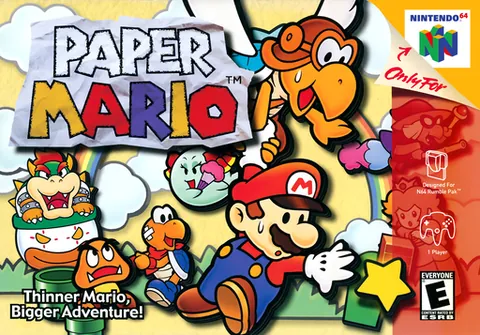
Paper Mario · 2001
-
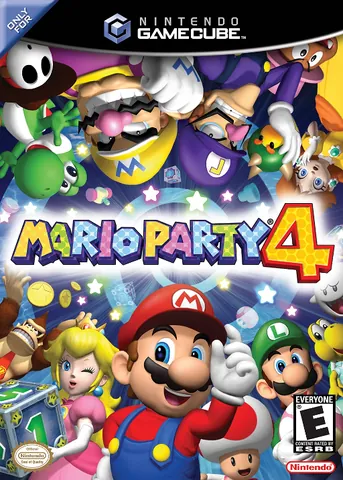
Mario Party 4 · 2002
-
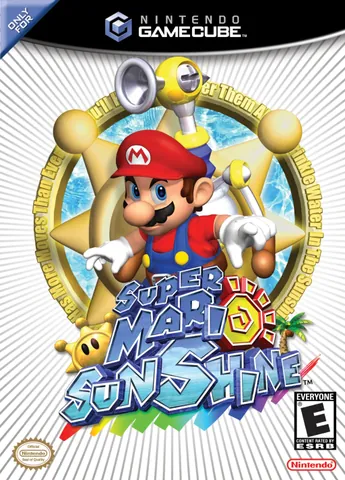
Super Mario Sunshine · 2002
-
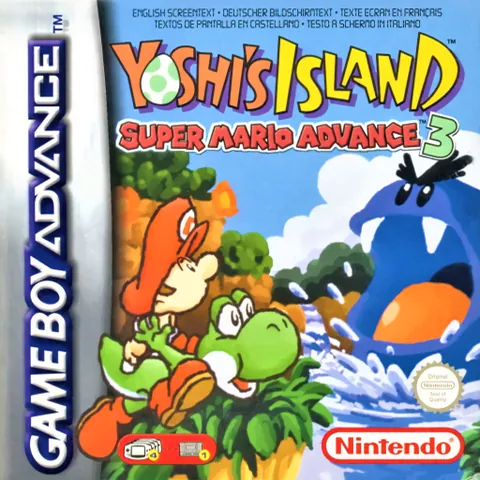
-
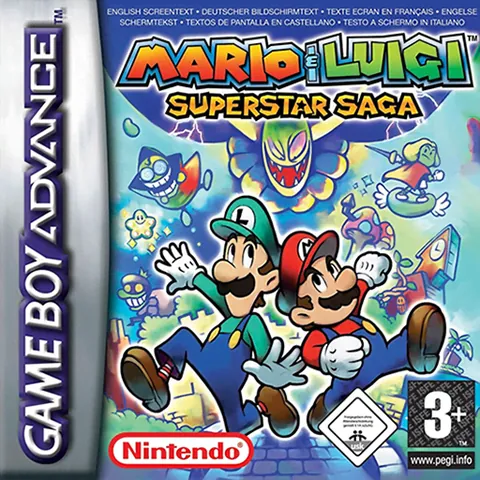
-
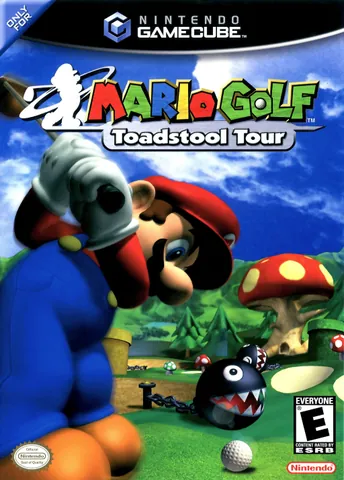
Mario Golf: Toadstool Tour · 2003
-
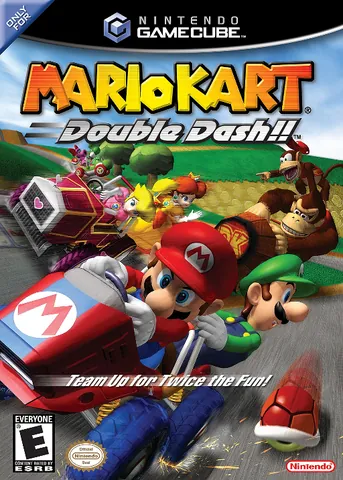
Mario Kart: Double Dash!! · 2003
-
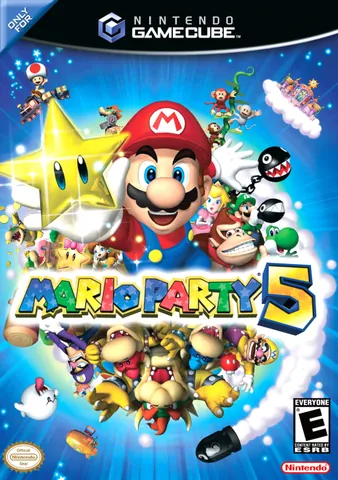
Mario Party 5 · 2003
-
-
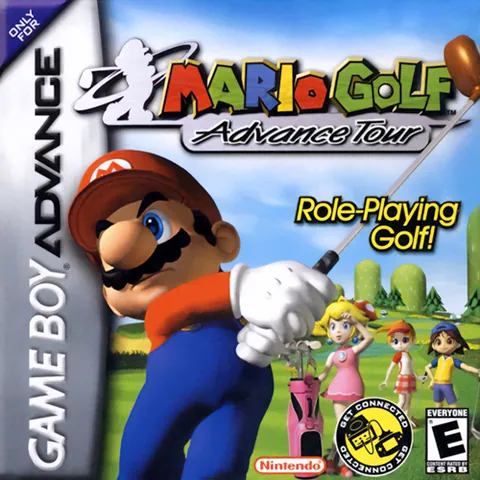
Mario Golf: Advance Tour · 2004
-
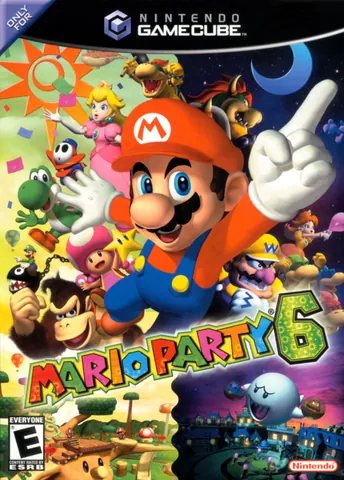
Mario Party 6 · 2004
-
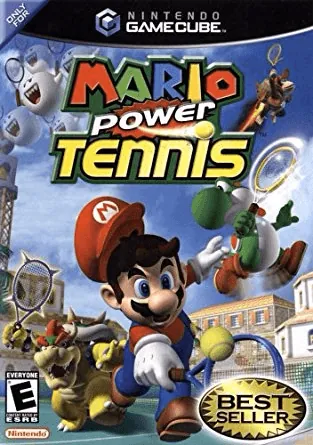
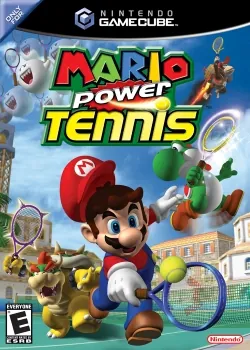
Mario Power Tennis · 2004
-
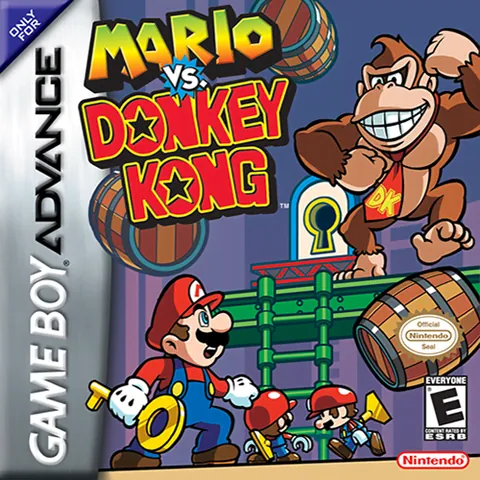
Mario vs. Donkey Kong · 2004
-
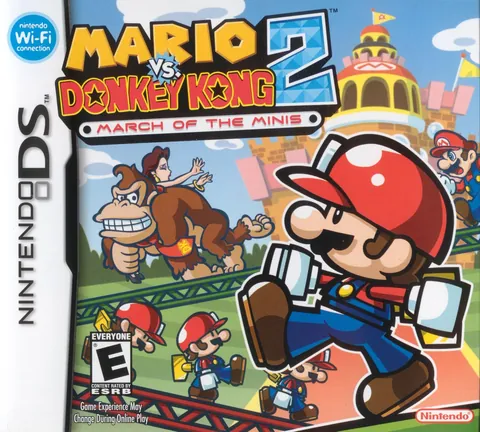
-
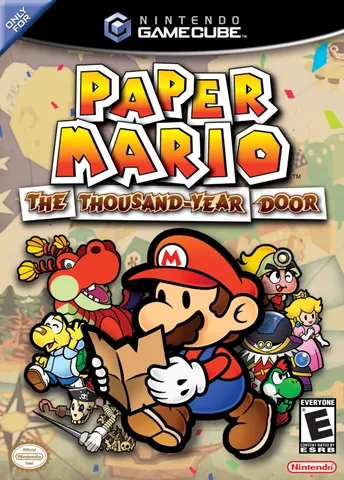
-
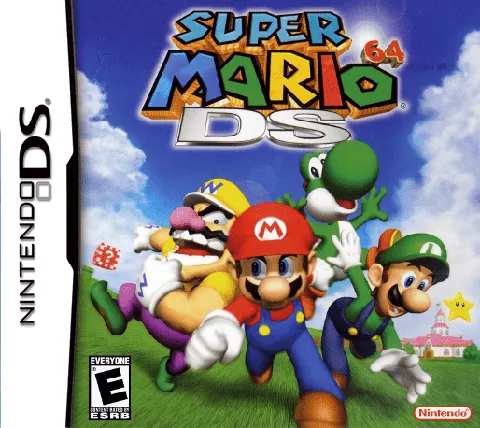
Super Mario 64 DS · 2004
-
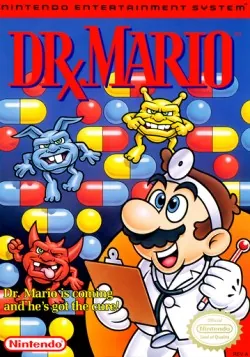
Dr. Mario & Puzzle League · 2005
-
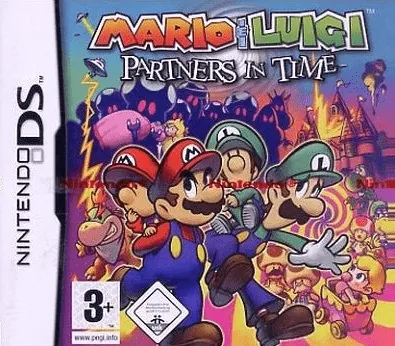
-
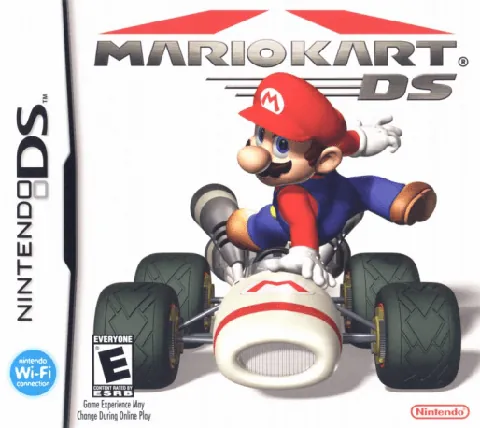
Mario Kart DS · 2005
-
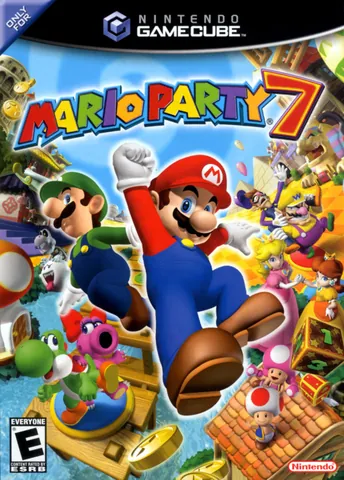
Mario Party 7 · 2005
-
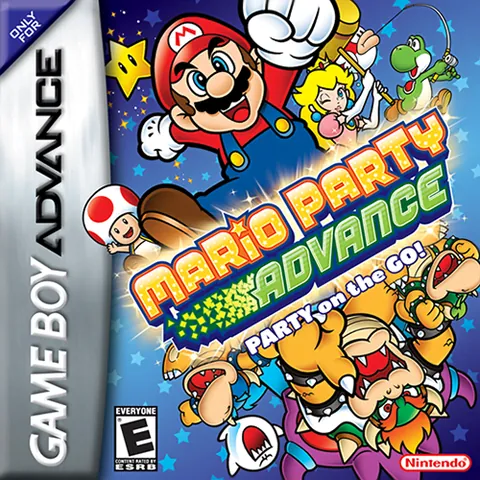
Mario Party Advance · 2005
-
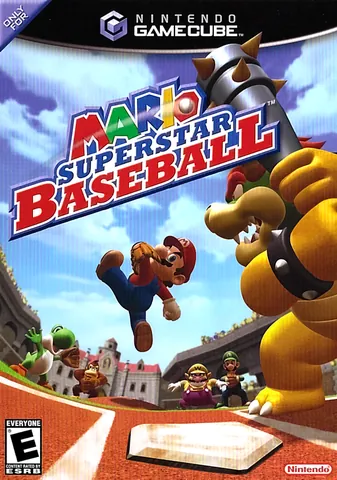
Mario Superstar Baseball · 2005
-
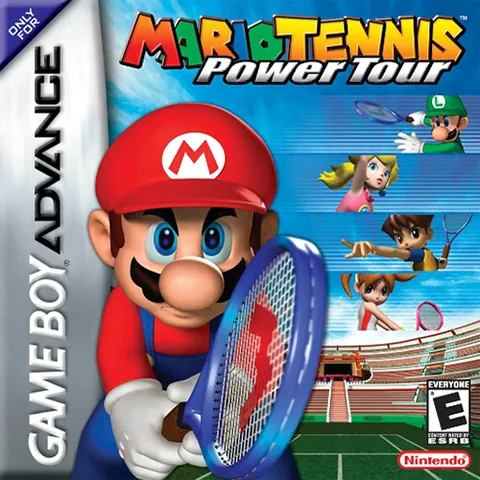
Mario Tennis: Power Tour · 2005
-
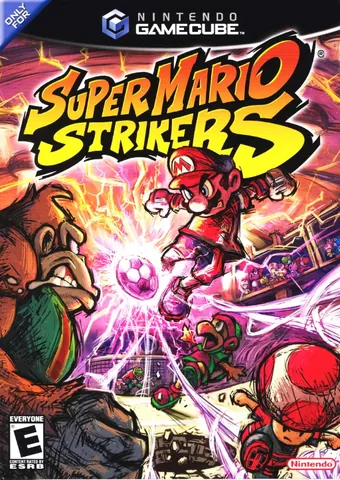
Super Mario Strikers · 2005
-
-
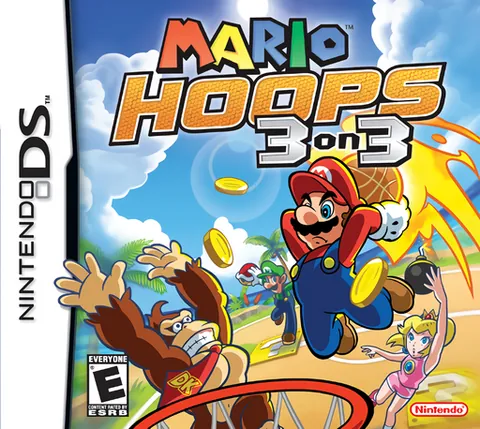
Mario Hoops 3-on-3 · 2006
-
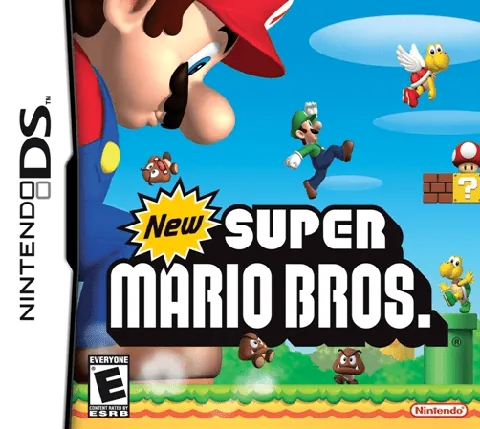
New Super Mario Bros. · 2006
-
-
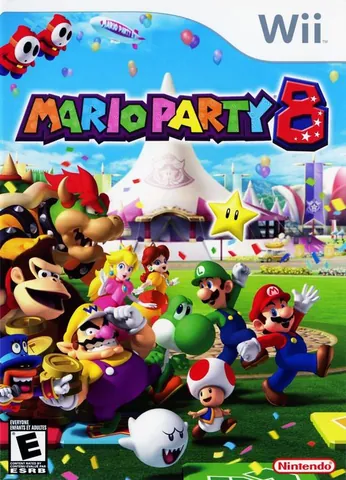
Mario Party 8 · 2007
-
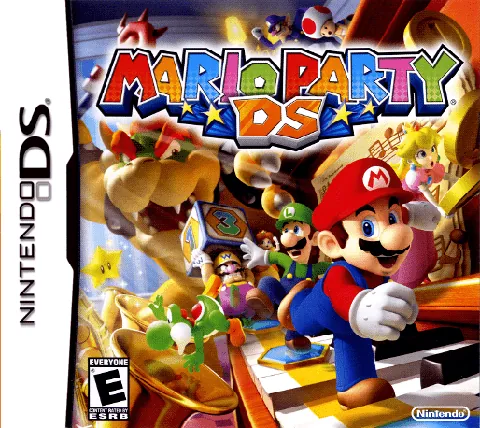
Mario Party DS · 2007
-
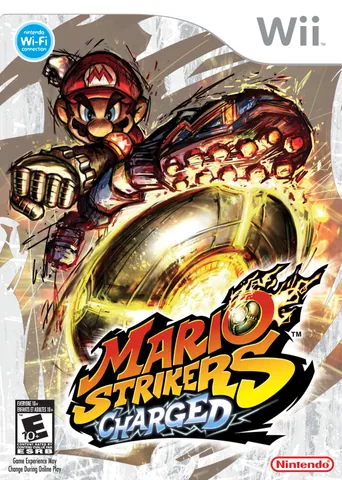
Mario Strikers Charged · 2007
-
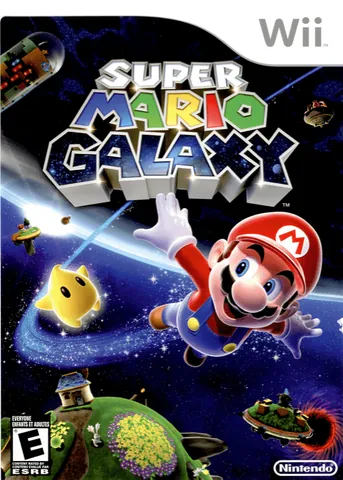
Super Mario Galaxy · 2007
-
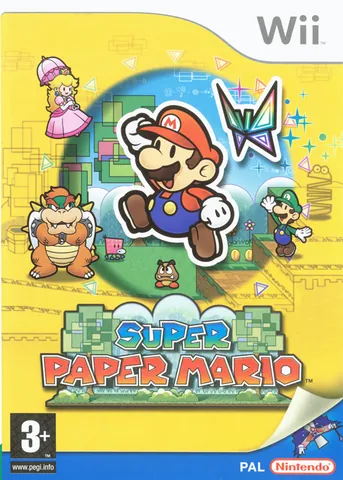
Super Paper Mario · 2007
-
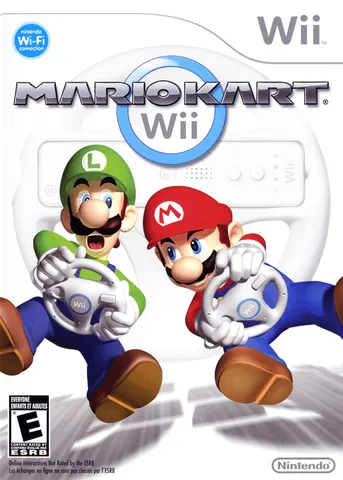
Mario Kart Wii · 2008
-
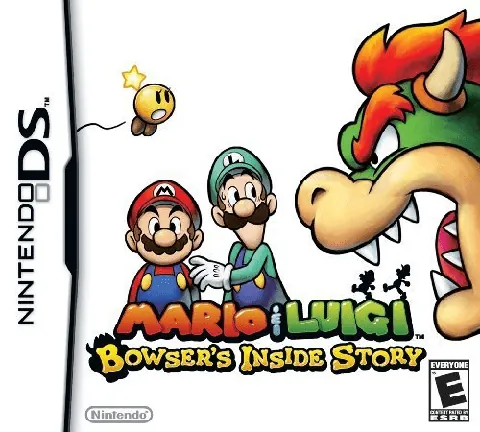
-
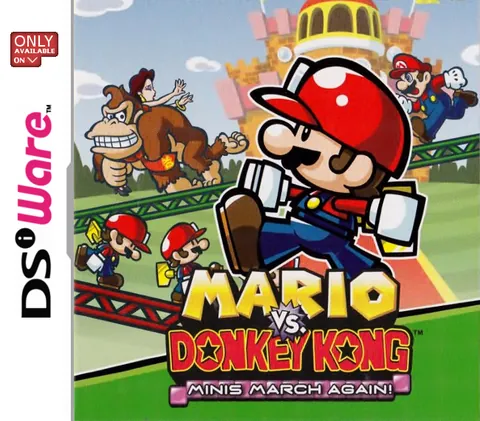
-
-
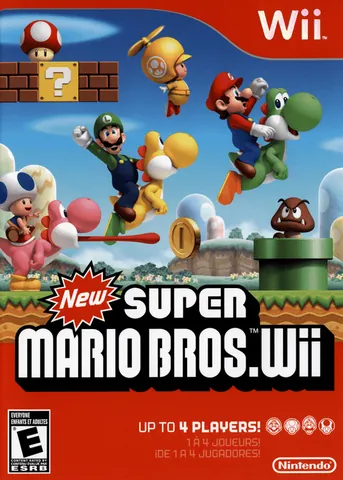
New Super Mario Bros. Wii · 2009
-
-
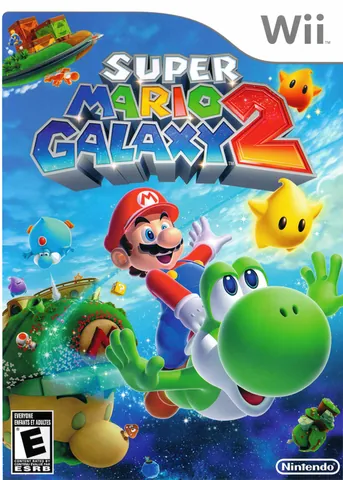
Super Mario Galaxy 2 · 2010
-
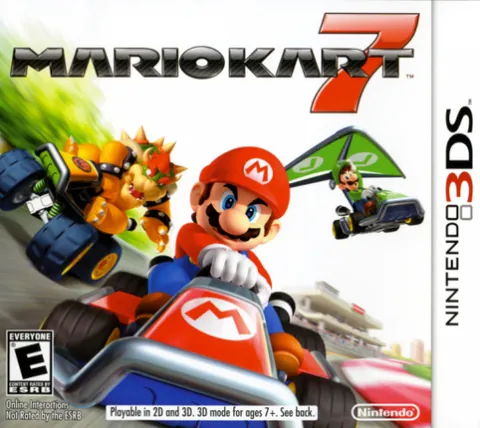
Mario Kart 7 · 2011
-
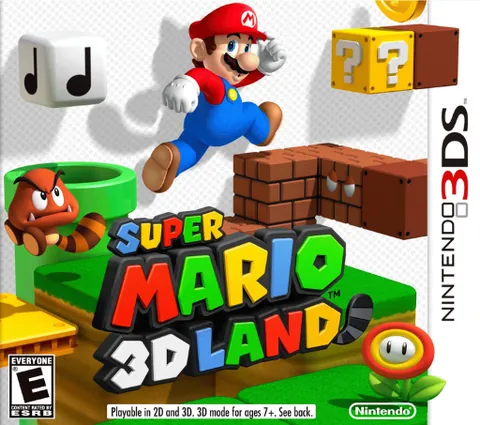
Super Mario 3D Land · 2011
-
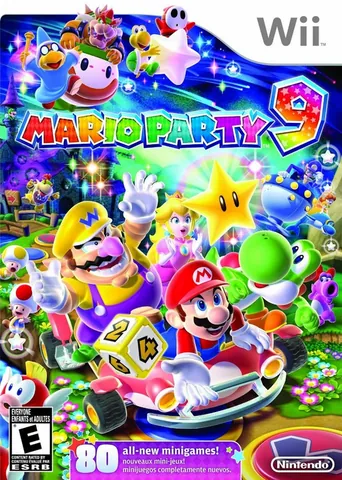
Mario Party 9 · 2012
-
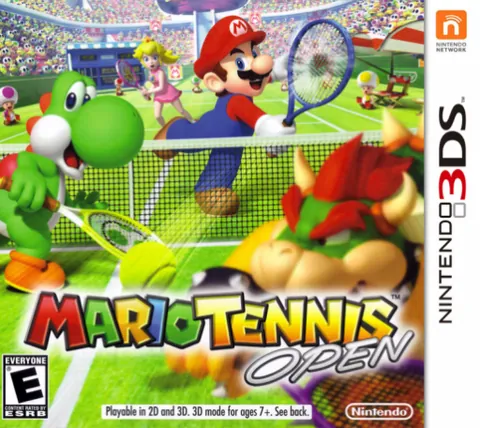
Mario Tennis Open · 2012
-
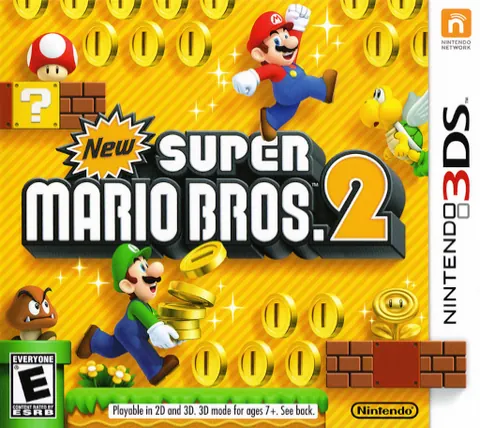
New Super Mario Bros. 2 · 2012
-
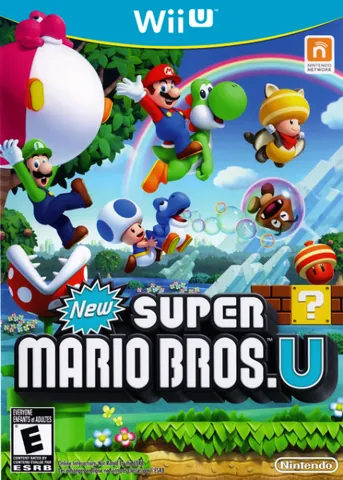
New Super Mario Bros. U · 2012
-
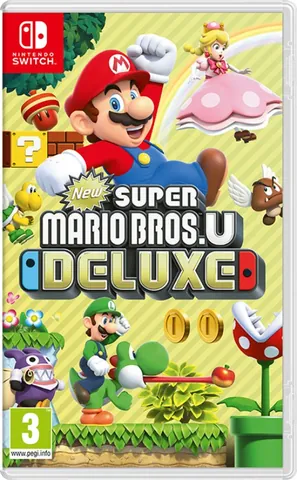
-
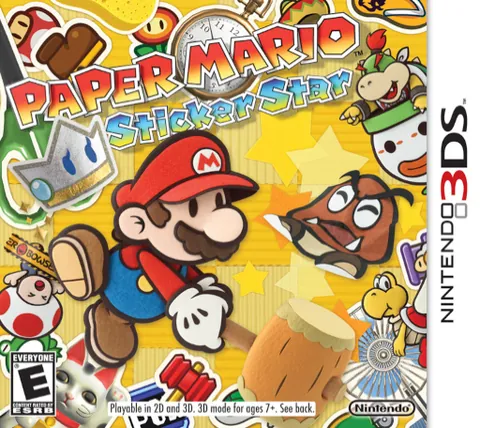
Paper Mario: Sticker Star · 2012
-
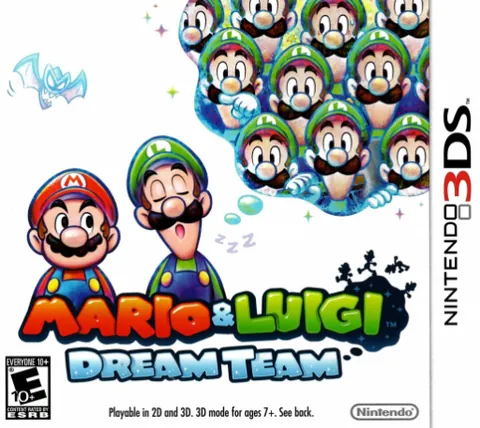
Mario & Luigi: Dream Team · 2013
-
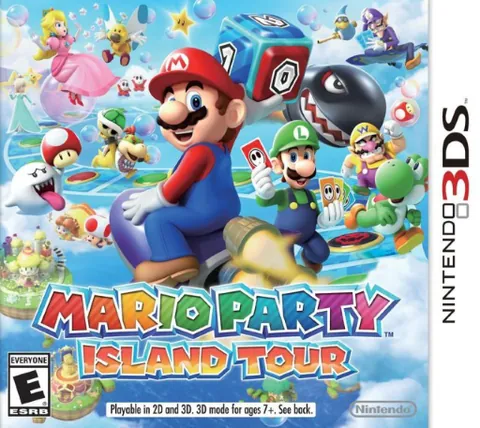
Mario Party: Island Tour · 2013
-
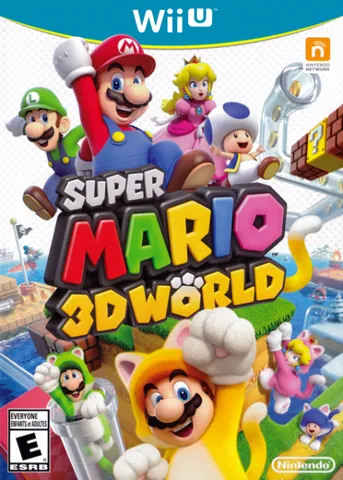
Super Mario 3D World · 2013
-
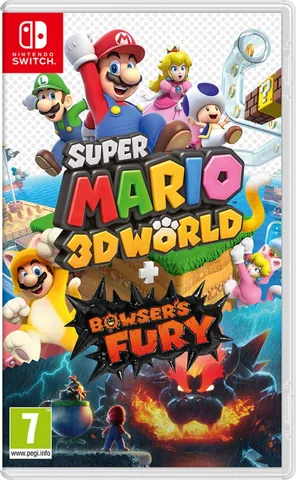
-
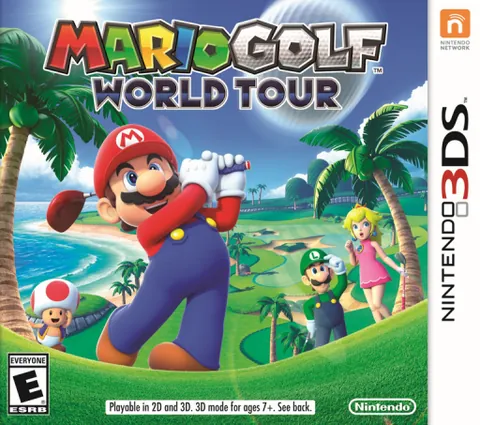
Mario Golf: World Tour · 2014
-
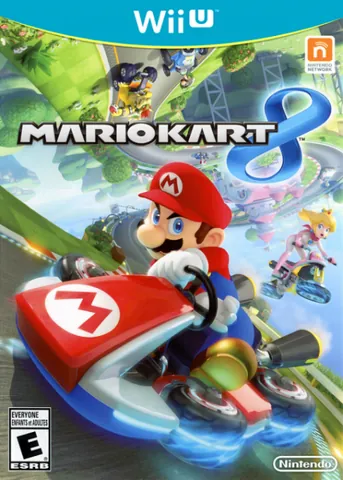
Mario Kart 8 · 2014
-
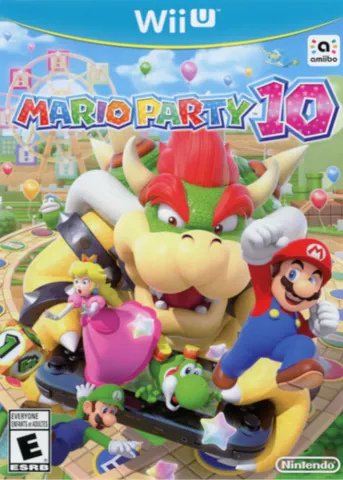
Mario Party 10 · 2015
-
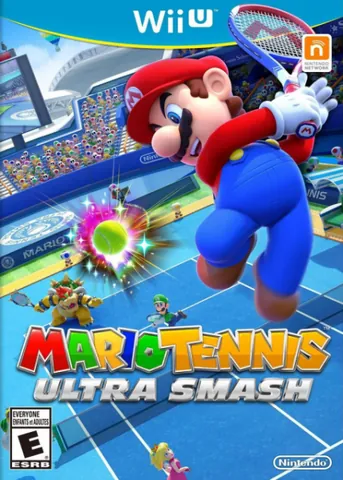
Mario Tennis: Ultra Smash · 2015
-
-
-
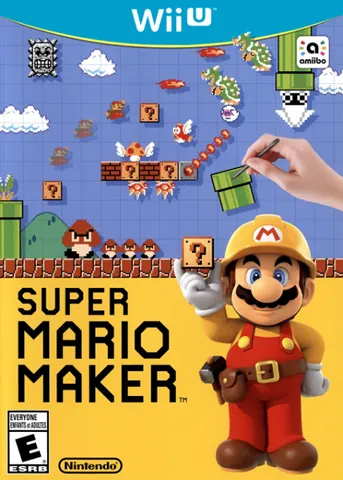
Super Mario Maker · 2015
-
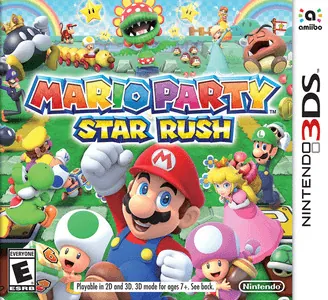
Mario Party: Star Rush · 2016
-
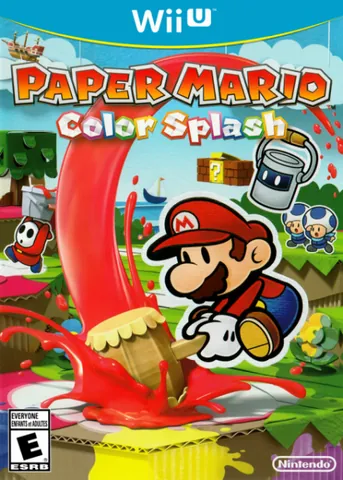
Paper Mario: Color Splash · 2016
-
-
Super Mario Run · 2016
-
-
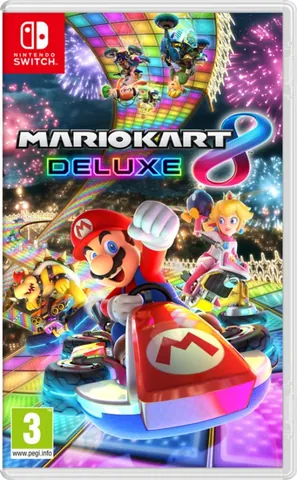
Mario Kart 8 Deluxe · 2017
-
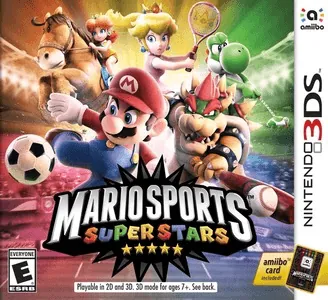
Mario Sports Superstars · 2017
-
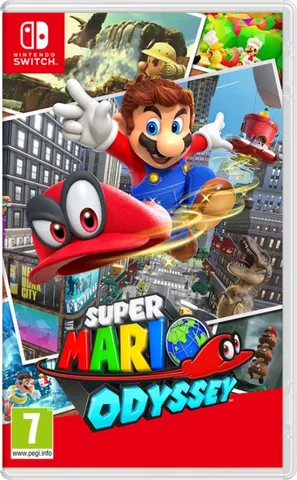
Super Mario Odyssey · 2017
-
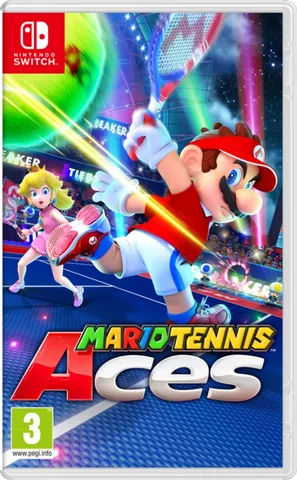
Mario Tennis Aces · 2018
-
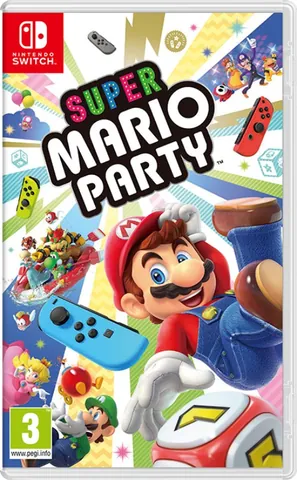
Super Mario Party · 2018
-
Mario Kart Tour · 2019
-
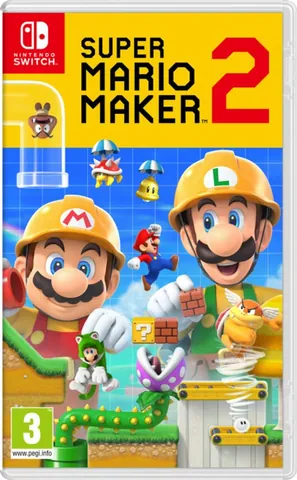
Super Mario Maker 2 · 2019
-
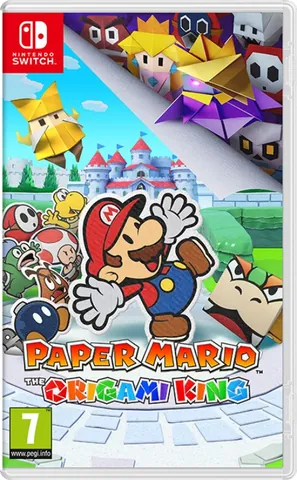
-
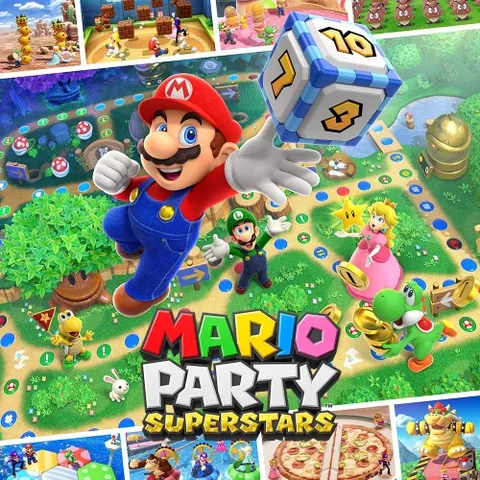
Mario Party Superstars · 2021
-
-
-
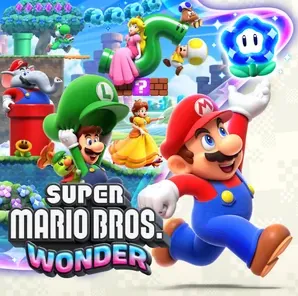
Super Mario Bros. Wonder · 2023
-
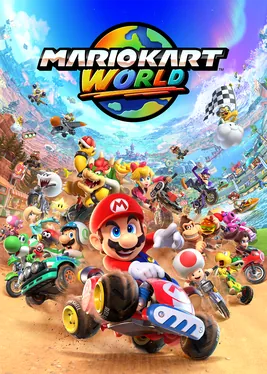
Mario Kart World · 2025
- Switch 2
Super Mario Galaxy 1 + 2 · 2025
-