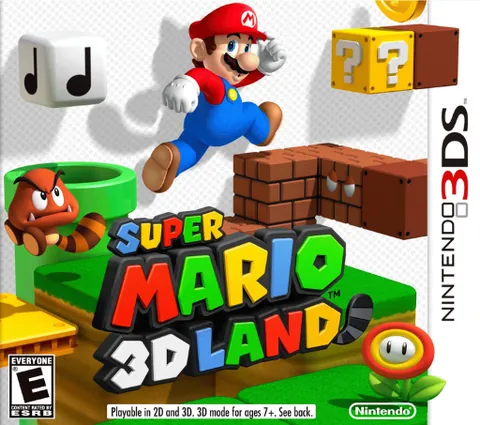
Super Mario 3D Land
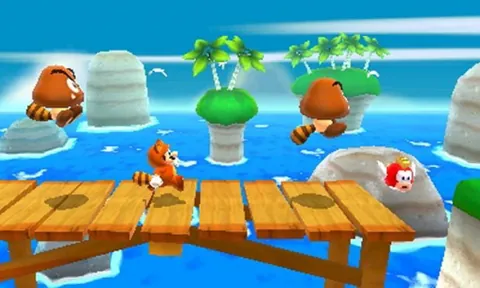
If there was one title with which Nintendo wanted to convince the world that stereoscopic 3D on a handheld console is not just a marketing gimmick, it would be Super Mario 3D Land. The game came out in 2011, shortly after the launch of the 3DS, at a time when the console desperately needed a strong reason to buy it. And Mario delivered that reason in full glory.
The ingenious idea lies in connecting two worlds. Super Mario 3D Land combines the freedom of the spatial games from the Mario Galaxy line with the firm, tight structure of the classic 2D platformers. Instead of sprawling open levels, you get short, dense and precisely designed sections with a flag at the end. What's more, the stereoscopic depth here is not just an ornament: jumping over chasms and judging distances work tangibly better thanks to the 3D effect, which made this game perhaps the most convincing demonstration of the whole technology.
The iconic Tanooki Suit, the raccoon-like costume from Super Mario Bros. 3 that lets Mario glide through the air and attack with his tail, also made a return. The Nintendo EAD team, led by Koichi Hayashida and producer Takashi Tezuka, tuned the controls to perfection, so every jump lands exactly where it should. On top of that, the game is not stingy with rewards: after finishing the eight basic worlds, a set of more challenging special levels opens up that will test even seasoned players.
Culturally, it was a pivotal moment. Super Mario 3D Land became the first true system seller for the 3DS and helped kick-start console sales after its launch had stalled. The game sold in the tens of millions of copies and ranks among the most successful titles of the entire platform. Critics received it enthusiastically, praising its freshness, pace and the way it meaningfully uses 3D.
The game's legacy is still visible today. The design approach of Super Mario 3D Land later led to Super Mario 3D World on the Wii U, which expanded the same style with multiplayer co-op. For many fans, this entry remains the moment when linear and spatial Mario first merged into one perfectly harmonized whole.
Why play it: Because it is the best proof that 3D on the 3DS made sense, and at the same time one of the best-tuned platformers of its generation.
Game 1 of 132 for Nintendo 3DS
From the same series Mario →
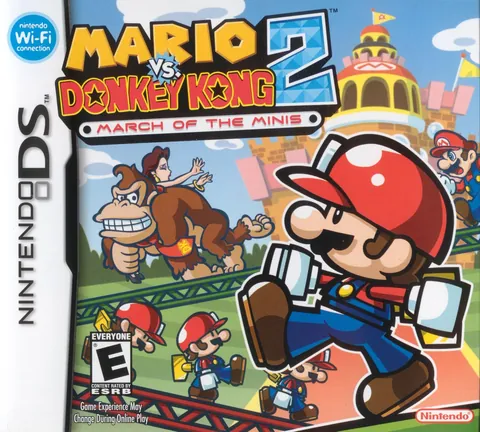 Mario vs. Donkey Kong 2: March of the Minis DS
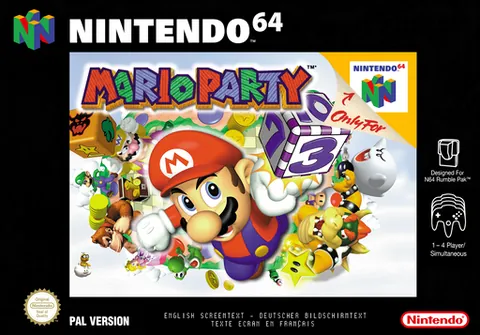 Mario Party 1–3 N64
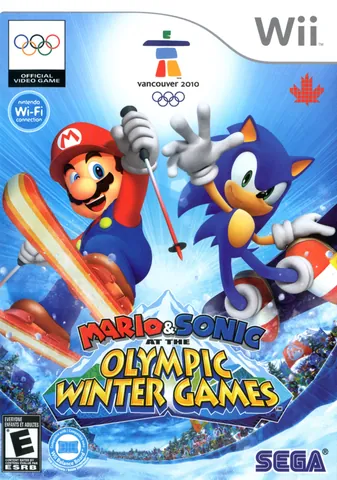 Mario & Sonic at the Olympic Winter Games Wii · DS
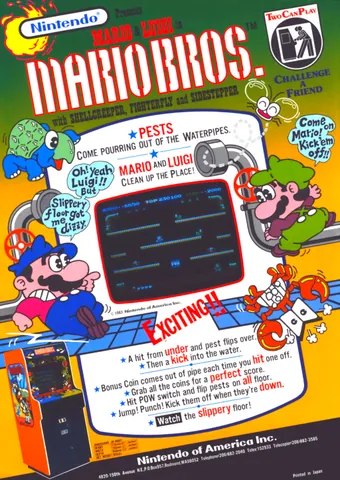 Mario Bros. MAME · 2600 · G&W · 1983
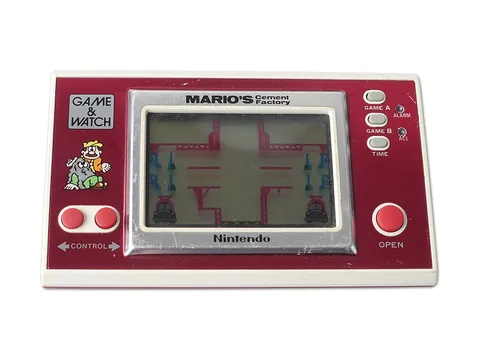 Mario's Cement Factory G&W · 1983
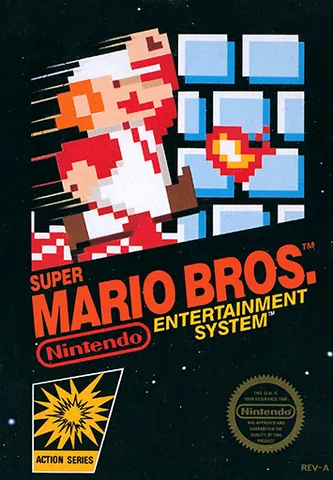 Super Mario Bros. NES · 1985
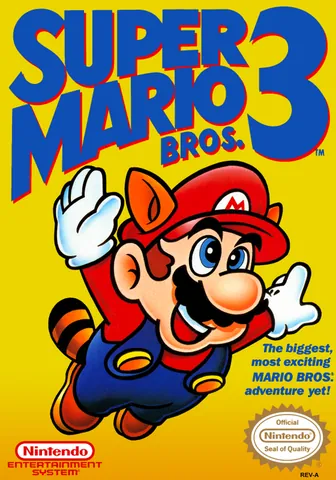 Super Mario Bros. 3 NES · 1988 (JP) / 1990 (US)
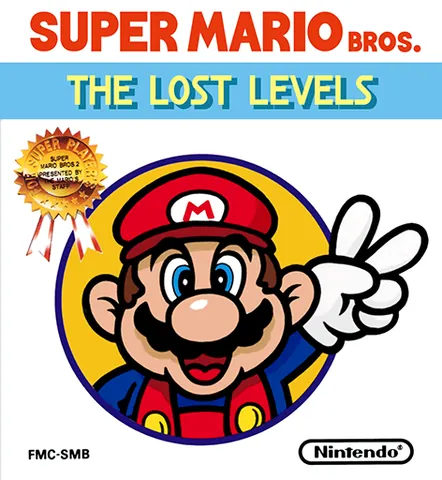 Super Mario Bros. 2 NES · 1988
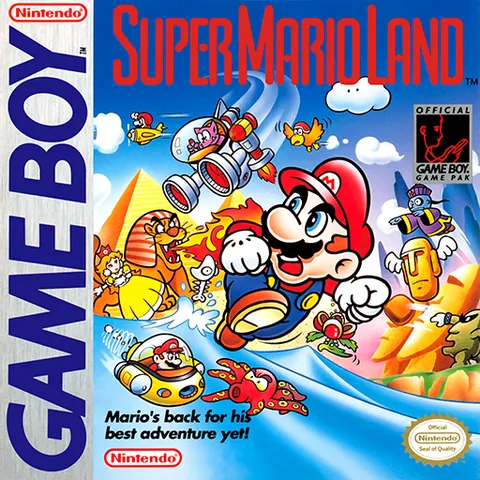 Super Mario Land GB · 1989
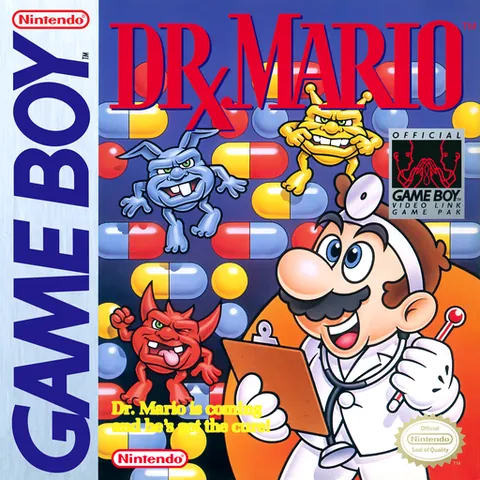 Dr. Mario GB · NES · 1990
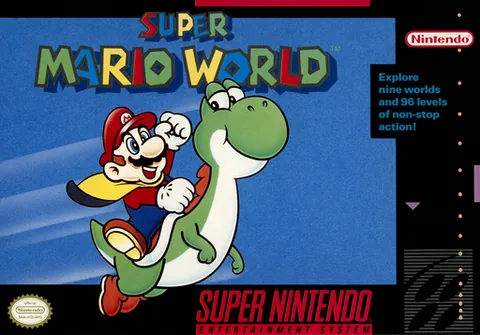 Super Mario World SNES · 1990 (JP) / 1991 (US)
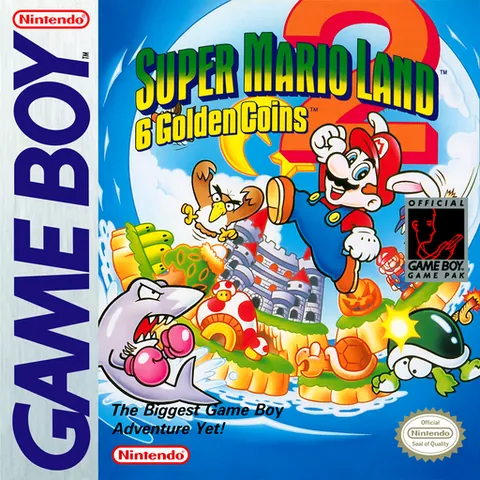 Super Mario Land 2: 6 Golden Coins GB · 1992