Franchises
Metroid
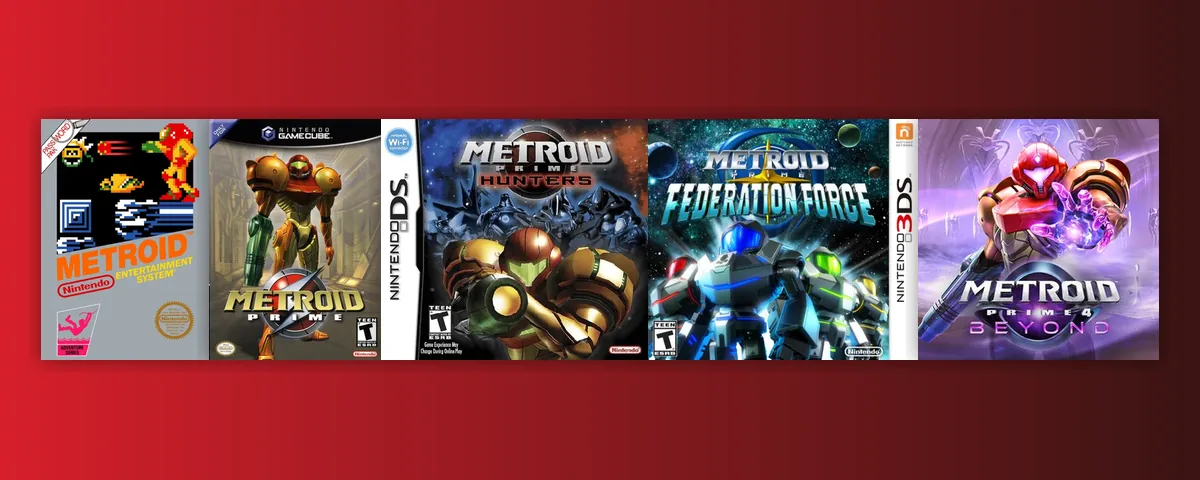
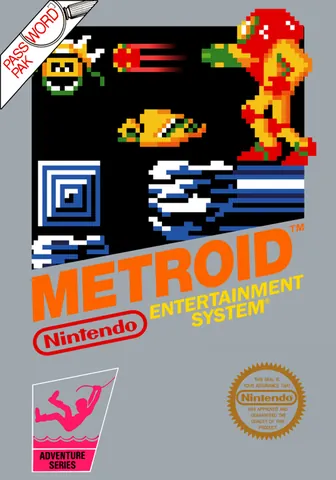
Metroid launched in 1986 on the Nintendo Entertainment System from Nintendo R&D1, and from the start it fused action shooting with exploration of a sprawling, interconnected world where the player gradually gains abilities that open up previously inaccessible parts of the map. A science-fiction atmosphere of abandoned planets, isolation, and slowly unfolding threat became the series' signature, alongside the ending twist of the first game — the reveal that its armor-suited hero, Samus Aran, seen only encased in power armor throughout the adventure, was a woman, a genuine surprise in 1986. It was the pairing of Metroid with the later Castlevania: Symphony of the Night that gave the whole subgenre its name, "metroidvania," for games built around an interconnected world and gradual ability-gated unlocking.
Metroid II: Return of Samus (1991) moved the series to the Game Boy and centered on hunting the titular Metroids on their home planet, SR388, while Super Metroid (1994) on the SNES is still regarded as the series' high point and one of the best-constructed platformers ever made, thanks to its precise level design, dense atmosphere, and fluid controls, which set the genre standard for years to come and inspired countless later games.
After a long gap, Metroid Prime (2002) from the American studio Retro Studios brought a major transformation, shifting to a first-person perspective while preserving the series' exploratory core and emphasis on atmosphere, and was received with exceptional critical acclaim as proof that the classic concept could thrive in 3D. The same year, the two-dimensional Metroid Fusion arrived on the Game Boy Advance, tying the legacy of the classic games to a more linear, story-driven structure built around the X parasite. Prime received two direct sequels, Echoes (2004) and Corruption (2007) with motion controls on the Wii, before the differently conceived spin-off Metroid Prime: Federation Force (2015), built around four-player co-op, which met a notably cooler reception from the series' fanbase.
Alongside the numbered entries came ambitious spin-offs: Metroid Zero Mission (2004) on the Game Boy Advance remade the original 1986 game with modern design and an expanded ending, while Metroid Prime Hunters (2004) brought the three-dimensional Prime approach to the Nintendo DS, complete with online multiplayer. A bolder experiment came with Metroid: Other M (2010), made in collaboration with Team Ninja, which offered faster, more fluid combat but met a mixed reception among part of the fanbase over its handling of the story and Samus's characterization — after it, the main line fell quiet for several years.
The main line then went quiet for several years until it was revived by a remake of the second game, Metroid: Samus Returns (2017) on the 3DS, and above all by the long-awaited direct sequel to Super Metroid, Metroid Dread (2021) on Switch, which finally closed the story arc surrounding the X parasite and was welcomed as a return to the series' roots. Following the Metroid Prime Remastered re-release (2023) and the announced Metroid Prime 4, Metroid remains one of the most influential examples of how deliberate exploration, atmosphere, and the gradual unlocking of a world can shape an entire genre.
Entries in the series (17)
-
-
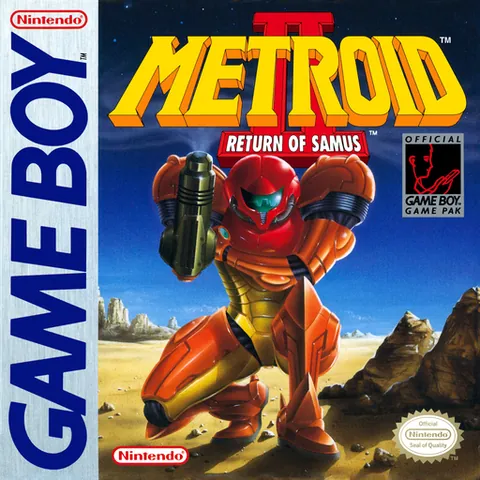
Metroid II: Return of Samus · 1991
-
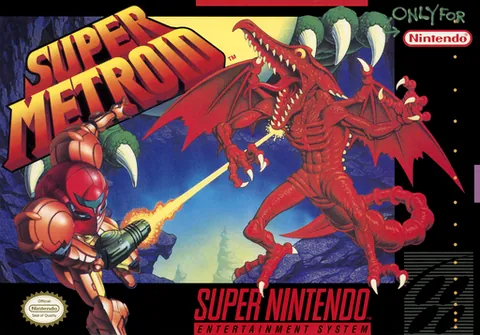
Super Metroid · 1994
-
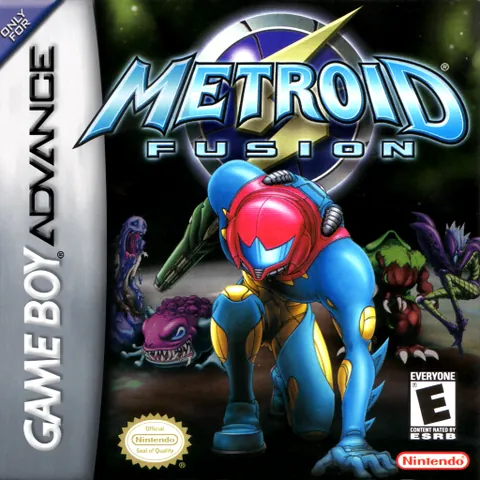
Metroid Fusion · 2002
-
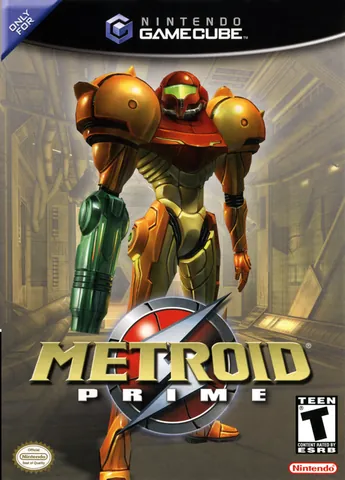
Metroid Prime · 2002
-
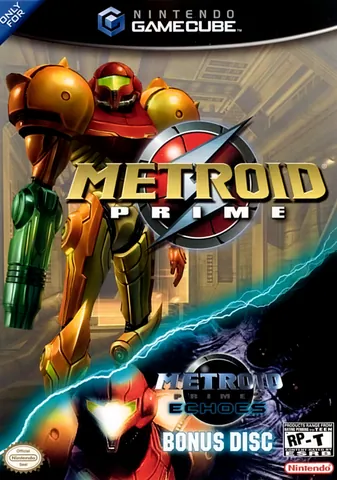
Metroid Prime 2: Echoes · 2004
-
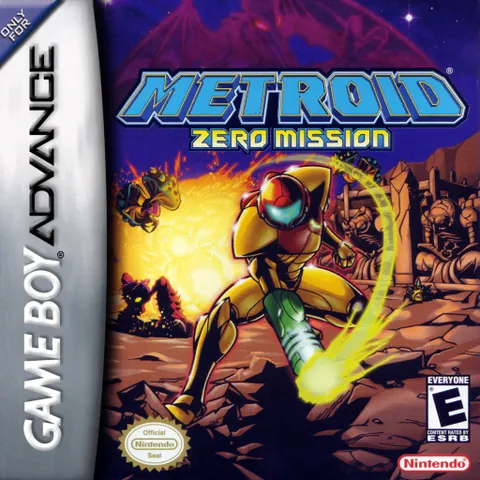
Metroid: Zero Mission · 2004
-
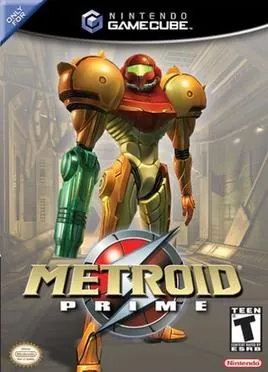
Metroid Prime Pinball · 2005
-
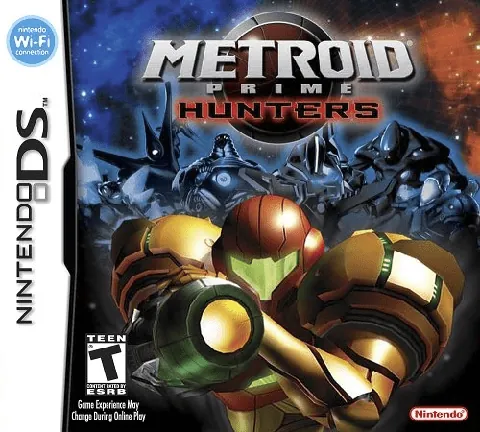
Metroid Prime Hunters · 2006
-
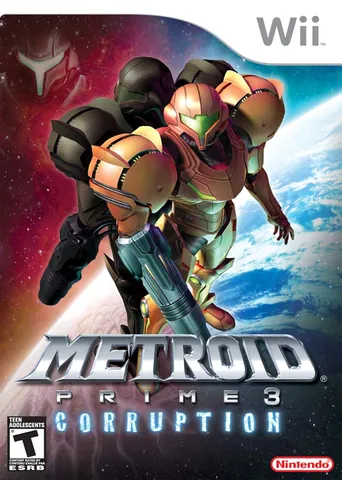
Metroid Prime 3: Corruption · 2007
-
Metroid Prime Trilogy · 2009
-
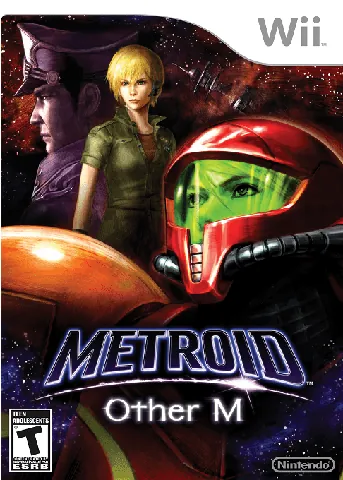
Metroid: Other M · 2010
-
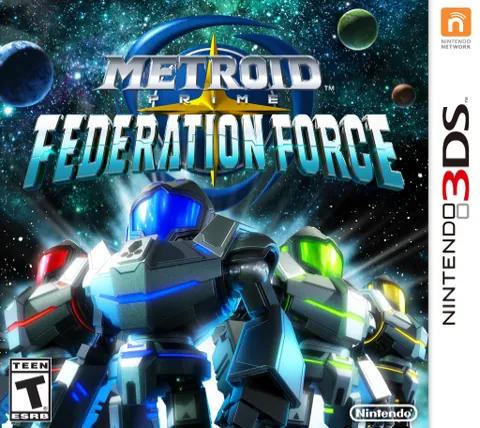
-
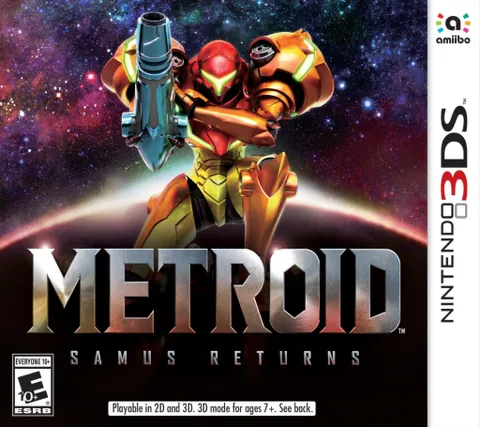
Metroid: Samus Returns · 2017
-
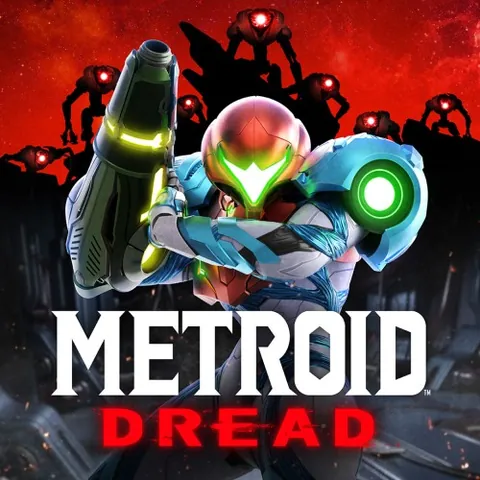
Metroid Dread · 2021
-
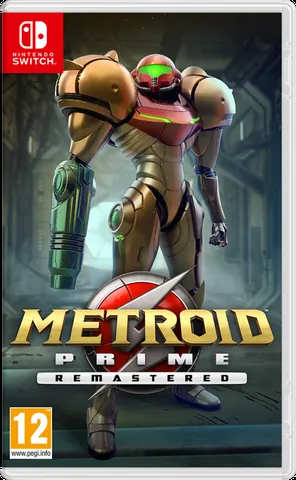
Metroid Prime Remastered · 2023
-
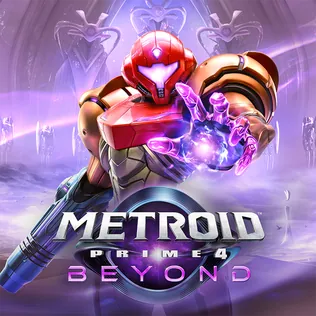
Metroid Prime 4: Beyond · 2025