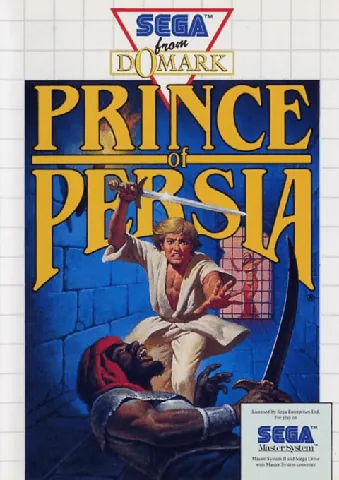
Prince of Persia
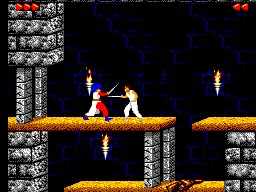
A leap over a chasm with nothing but darkness waiting at the bottom. The character catches the ledge with its fingertips and you hold your breath. Prince of Persia by Jordan Mechner, originally released for the Apple II in 1989, brought something to video games that had been missing until then: humanly believable movement. And this gem reached the SEGA Master System in a form that pushed the eight-bit hardware to its limits.
Mechner used the technique of rotoscoping, animating every step, jump and fall of the character from filmed footage of his brother. The result was a fluidity and weight players had never known. The story is simple and gripping at once: you have one hour to fight your way through a dungeon, rescue the princess and stop the evil vizier Jaffar. That time limit gives every step weight.
The gameplay rests on caution, not speed. Spike traps, falling tiles, saws, sharp sword duels and precise jumps all demand patience and memory. A single mistake means death, and the game shows no mercy. It's precisely this loop of trial and error that made Prince of Persia the benchmark of the so-called cinematic platformer, a genre later developed by games like Another World and Flashback.
The Master System version was a port that had to wrestle with the limitations of the eight-bit SEGA, but it tried to preserve the spirit of the animation and the atmosphere of the Persian dungeon. For console owners without access to computers, it was a precious chance to experience a game written about in every magazine.
The cultural impact of the original is enormous. The brand returned years later with the 3D reboot The Sands of Time in 2003, which once again pushed the genre forward, and it even inspired a feature film. But the roots of it all reach back to this modest, brutally demanding game about one hour and one leap over a chasm.
Why play it: For the experience of a game that forever changed how characters move in video games, and for the tension where everything hinges on a single precise jump.
Game 22 of 67 for SEGA Master System
The same title elsewhere (7)
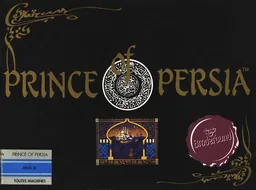
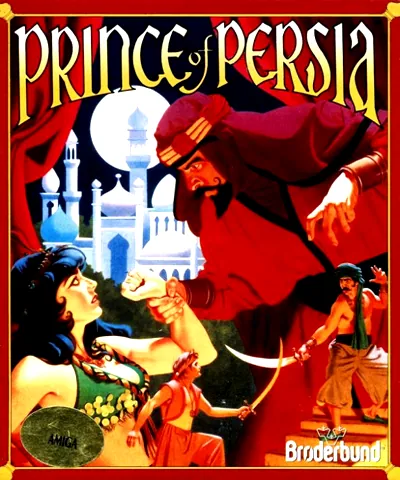
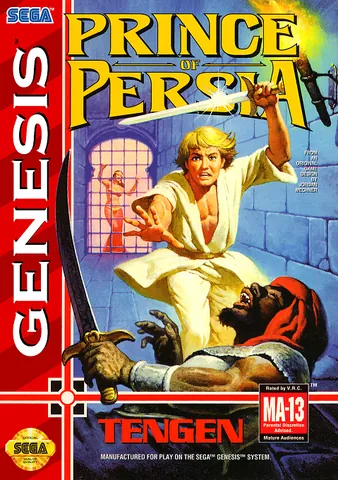
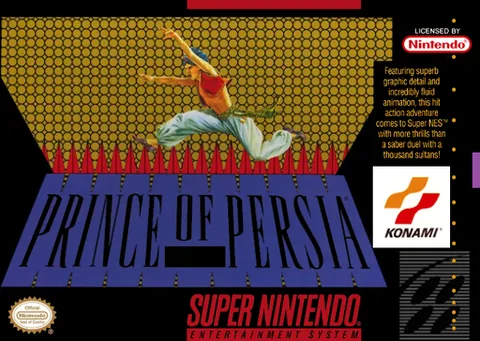
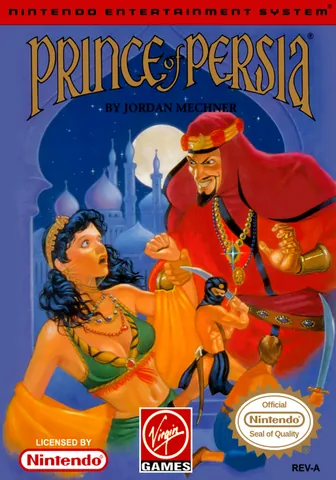
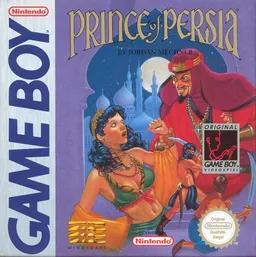
The Amiga and Atari ST offered the smoothest animation, staying closest to Jordan Mechner's original Apple II code and preserving the famous rotoscoped running and jumping. Super Nintendo received reworked 16-bit graphics plus scenes and content missing from the original, so it's often ranked among the best versions overall. The NES version was a separate rework by another team and diverges noticeably from the computer original in look and feel. On Commodore 64 and Amstrad CPC, developers had to cut animation frames due to weaker processors, making the prince's movement feel choppier than on 16-bit machines. Game Boy offered only a monochrome screen and lower resolution, but the core game held up. SEGA Master System delivered a colorful, playable conversion with its own graphical style.
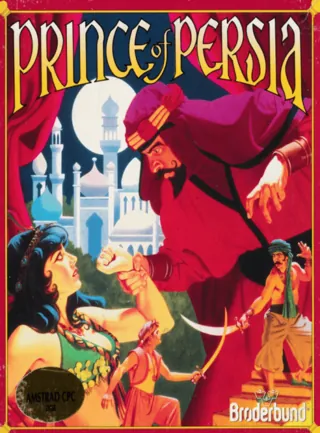
From the same series Prince of Persia →
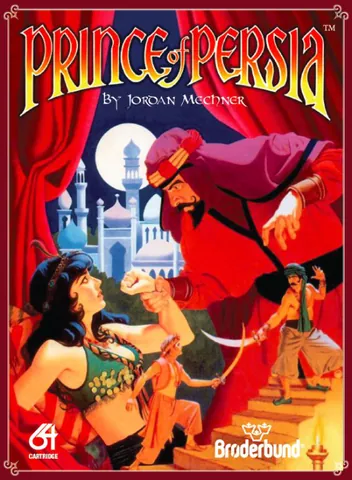 Prince of Persia C64 · X360 · PS3 · PC
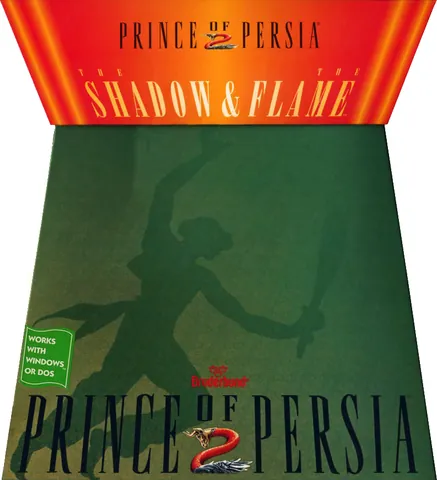 Prince of Persia 2: The Shadow and the Flame DOS · 1993
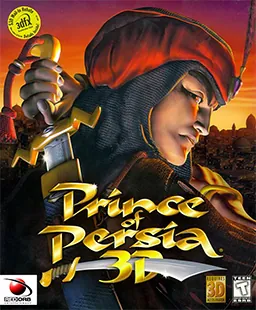 Prince of Persia 3D Win9x · 1999
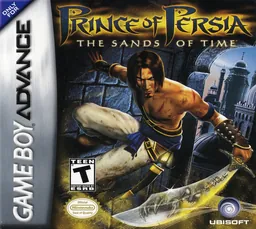 Prince of Persia: The Sands of Time GBA · PS2 · GCN · Xbox · 2003 Java ME Prince of Persia: Harem Adventures Java ME · 2003
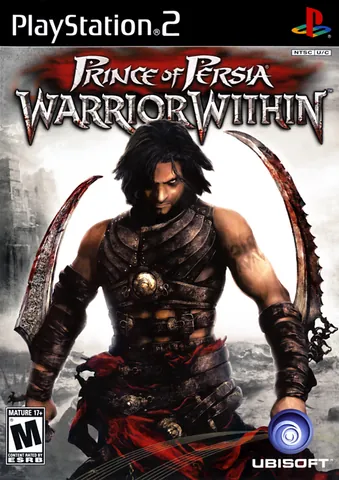 Prince of Persia: Warrior Within PS2 · Xbox · 2004
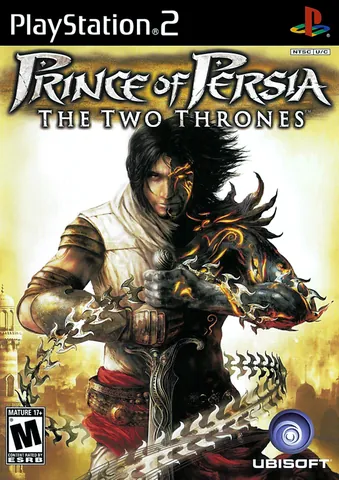 Prince of Persia: The Two Thrones PS2 · GCN · Xbox · PC · 2005
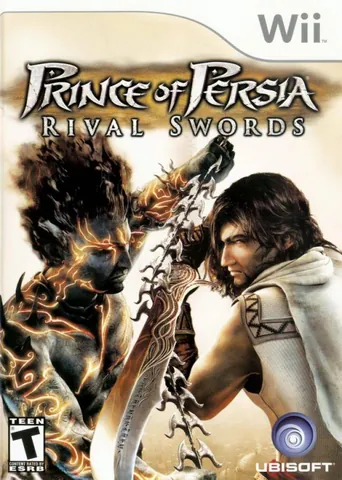 Prince of Persia: Rival Swords Wii · 2008
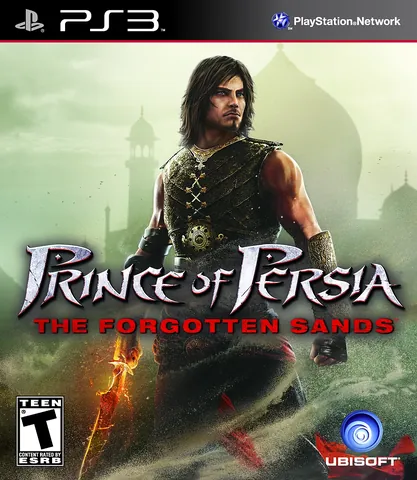 Prince of Persia: The Forgotten Sands PS3 · 2010
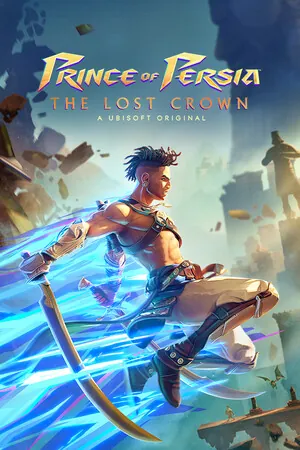 Prince of Persia: The Lost Crown PS5 · Series · 2024