Game studio
Square Enix
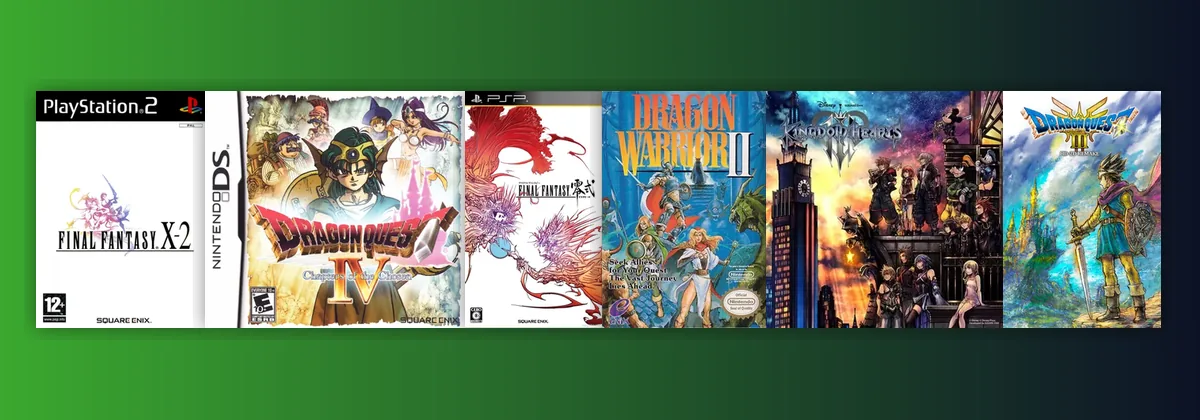
When you say Japanese RPG, one single name pops into most gamers' heads – Square Enix. This company is behind series that defined the entire genre, from Final Fantasy through Dragon Quest to Kingdom Hearts. For retro fans, however, it is far more than just a publisher: it is the heir of two legendary studios whose rivalry and later union wrote a substantial part of the history of console games. Square Enix knows how to tell stories, compose unforgettable music, and build worlds to which players return even after decades. And that is exactly why we love it.
History
The company in its present form was created in 2003 through the merger of two Japanese giants – Square and Enix. Each of them had a rich past behind it. Square (officially Square Co., Ltd.) was founded by Masafumi Miyamoto in 1986 and immediately wrote a piece of history: in 1987 it released the first installment of the Final Fantasy series. It is said the name was meant to symbolize the last attempt of a then financially exhausted studio – yet instead of an ending came enormous success and the birth of one of the most famous gaming brands ever.
Enix was a few years older, founded in 1975, and etched itself into players' memory above all thanks to the Dragon Quest series. Its first installment from 1986 practically invented the shape of the Japanese RPG as we know it today, and in Japan it became a cultural phenomenon comparable to a national holiday. While Square was renowned for technical and visual boldness, Enix bet on accessibility and warmth.
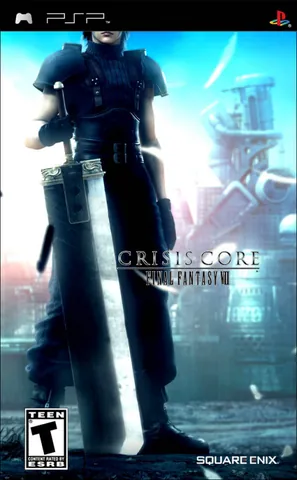
The nineties belonged to Square. Titles like Final Fantasy VI, Chrono Trigger, and Secret of Mana pushed the boundaries of what 16-bit hardware could do. The real turning point came in 1997 with Final Fantasy VII on the PlayStation – the game combined pre-rendered backgrounds, 3D characters, and a cinematic story, and opened the genre to Western audiences on a scale never seen before. After the two companies merged, the tradition continued: on the PSP, for example, the prequel Crisis Core: Final Fantasy VII was released, offering players the story of the soldier Zack Fair and rounding out the legend surrounding the seventh installment.
Key figures
The face of Final Fantasy has always been Hironobu Sakaguchi, the father of the whole series and the spiritual leader of the classic Square. Beside him one cannot overlook artist Yoshitaka Amano, whose ethereal illustrations gave the brand an unmistakable visual style, nor character designer Tetsuya Nomura, who is behind the modern look of the heroes and stands behind the Kingdom Hearts series.
Completely essential is composer Nobuo Uematsu. His music for dozens of Final Fantasy installments ranks among the best that has ever sounded in the gaming medium, and a melody like "Aerith's Theme" is known even by many people who have never played the game. On the Enix side, one cannot pass over composer Koichi Sugiyama and mangaka Akira Toriyama, author of Dragon Ball, whose characteristic drawing style still adorns the entire Dragon Quest series.
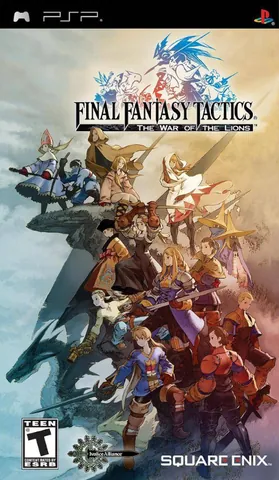
A special mention deserves Yasumi Matsuno, a designer famed for elaborate, tactically demanding games with mature storytelling. He is behind Final Fantasy Tactics as well as the reworked version of Tactics Ogre: Let Us Cling Together, a pair of titles that found perhaps their best home on the PSP – in the case of the tactical Final Fantasy in the form of the polished edition The War of the Lions with a new translation and animated scenes.
Transformations and transfers
The union of Square and Enix in 2003 was in itself an enormous event – two longtime rivals became one company. The group continued to grow: in 2005 it bought Taito, the famous creator of arcade classics and Space Invaders, and in 2009 it acquired the British-Japanese Eidos, thereby bringing under its wing Western brands like Tomb Raider, Hitman, and Deus Ex.
The changes did not spare the founders either. Hironobu Sakaguchi left the company after the failure of the film Final Fantasy: The Spirits Within and in 2004 founded his own studio, Mistwalker. Nobuo Uematsu also went independent and devoted himself to his own projects, though he continued to contribute occasionally to commissions for Square Enix. These departures symbolically closed one era and opened another.
The present
Square Enix still exists in 2026 and remains one of the most important players in the field of RPGs. Both Final Fantasy and Dragon Quest continue in new installments, remasters, and remakes – the grand reworkings of Final Fantasy VII proved that the company can resurrect a classic for a new generation without losing the soul of the original. A remarkable step was the sale of its Western studios and brands (Eidos, Crystal Dynamics, and related titles) to the Embracer group in 2022, with which Square Enix partly returned to its Japanese roots and focuses on what it does best. For retro gamers it remains a sure thing: whether you reach for an old classic or for its modern reincarnation, the name Square Enix still means a story, music, and a world that grows dear to your heart.
Games by the studio (80)
-
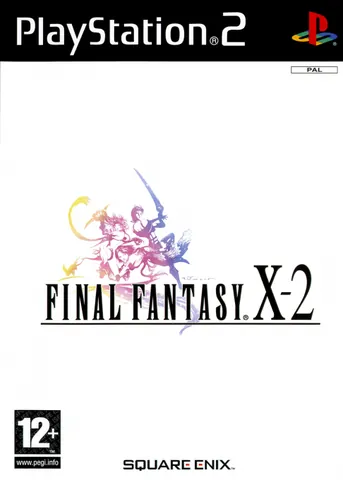
Final Fantasy X-2 · 2003
-
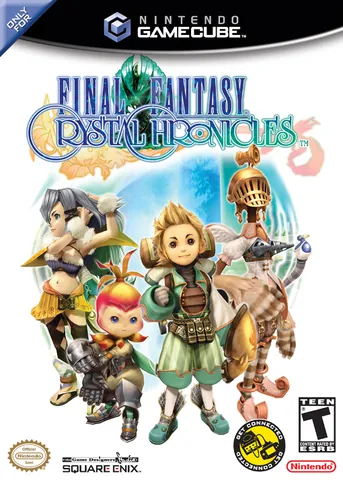
-
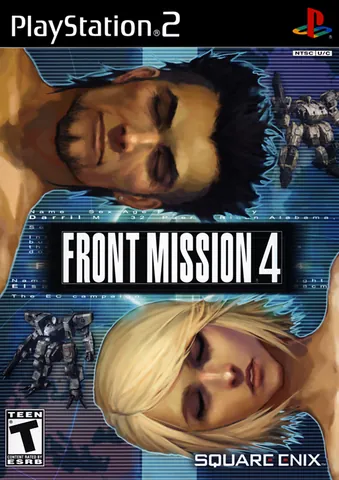
Front Mission 4 · 2004
-
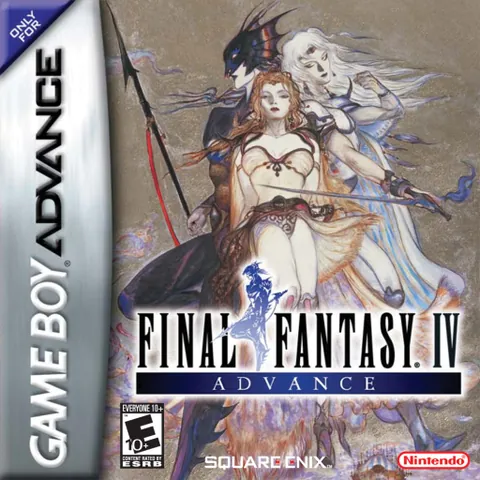
Final Fantasy IV Advance · 2005
-
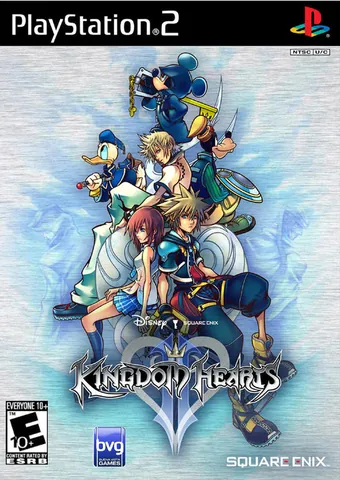
Kingdom Hearts II · 2005
- X360
Final Fantasy XI · 2006
-
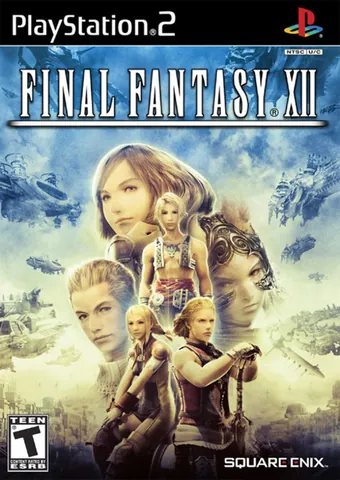
Final Fantasy XII · 2006
-
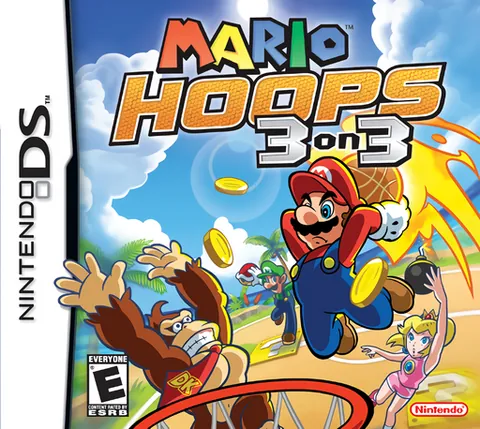
Mario Hoops 3-on-3 · 2006
-
-
-
-
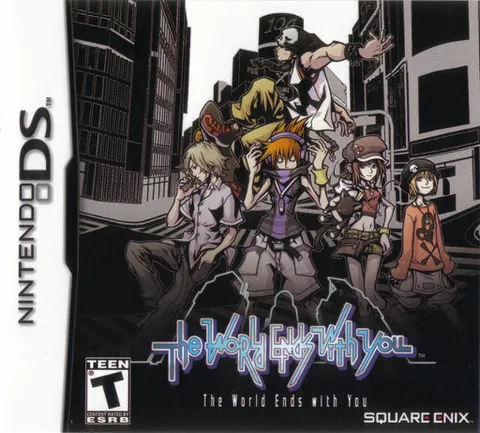
The World Ends with You · 2007
-
-
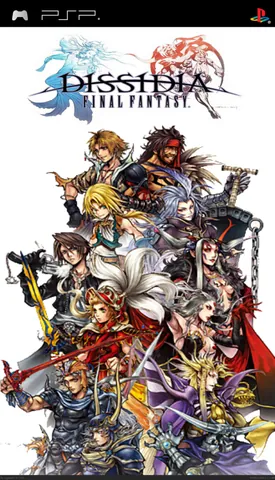
Dissidia Final Fantasy · 2008
-
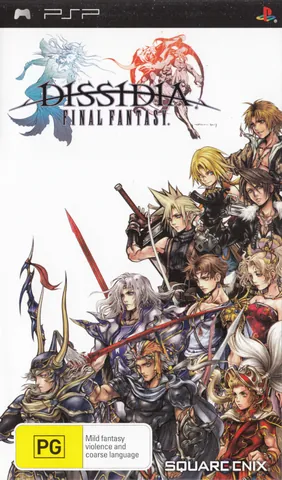
Dissidia Final Fantasy / 012 · 2008
-
-
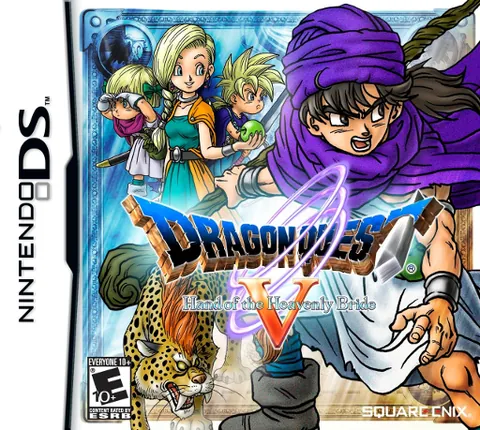
-
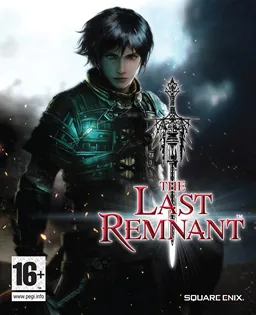
The Last Remnant · 2008
-
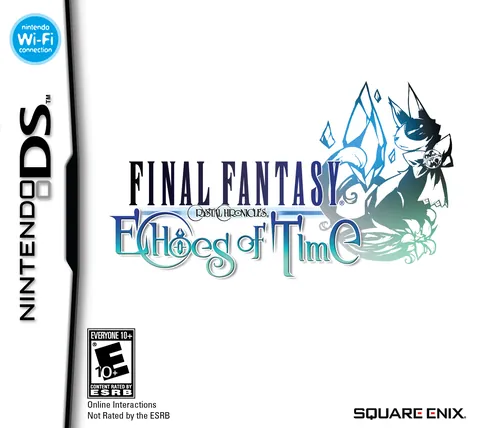
-
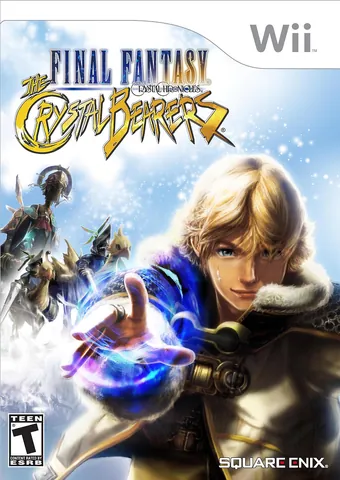
-
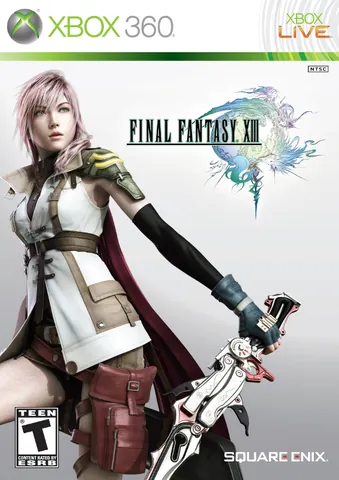
Final Fantasy XIII · 2010
-
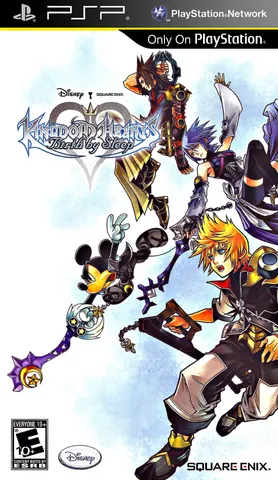
-
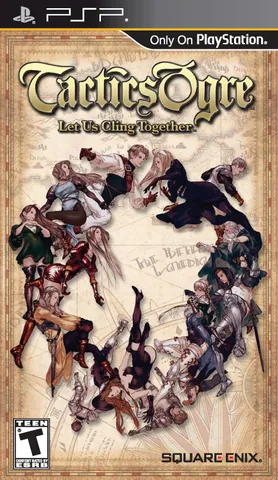
-
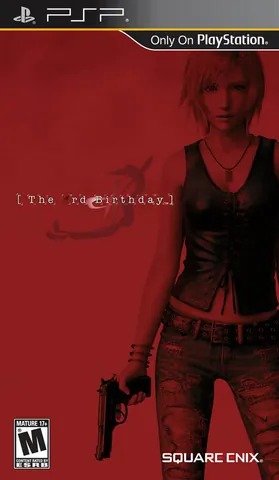
The 3rd Birthday · 2010
-
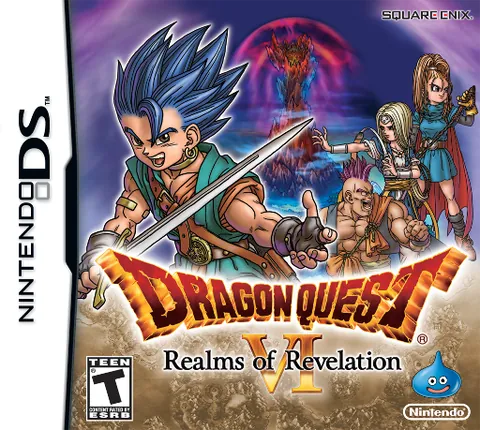
-
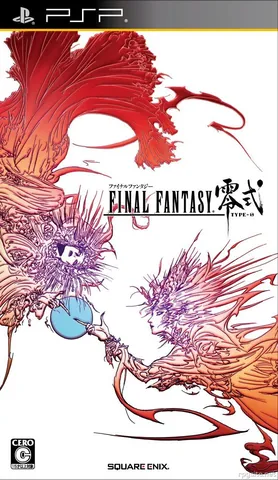
Final Fantasy Type-0 · 2011
-
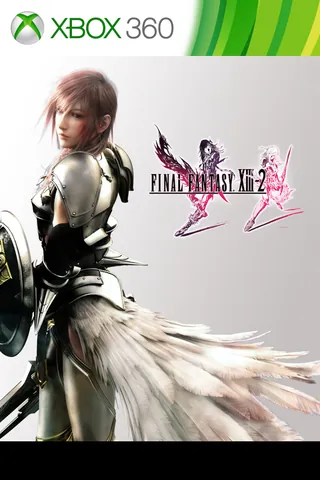
Final Fantasy XIII-2 · 2011
-
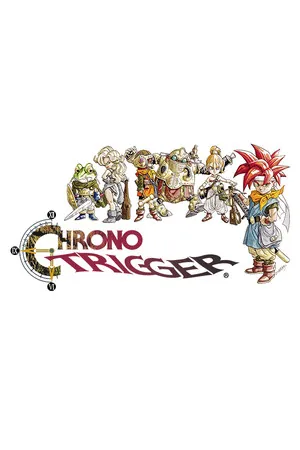
Chrono Trigger · 2011
- Wii
Dragon Quest X · 2012
-
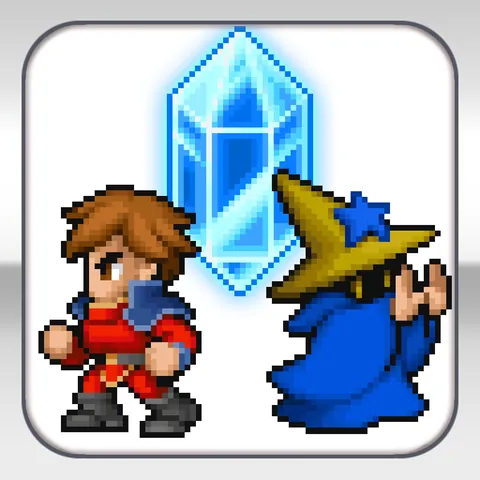
Final Fantasy Dimensions · 2012
-
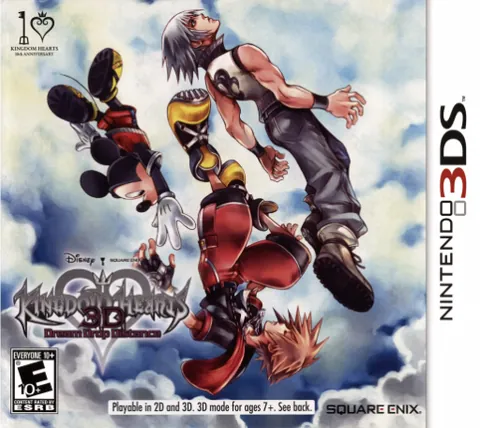
-
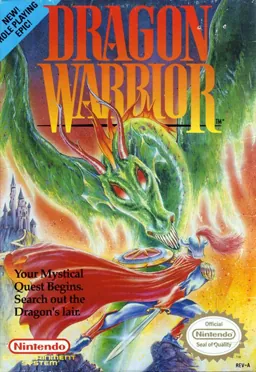
Dragon Quest · 2013
-

Final Fantasy VIII · 2013
-
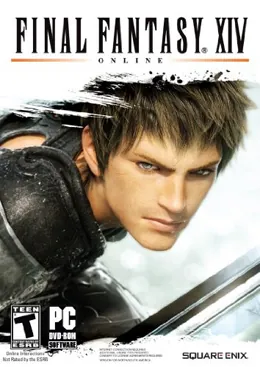
-
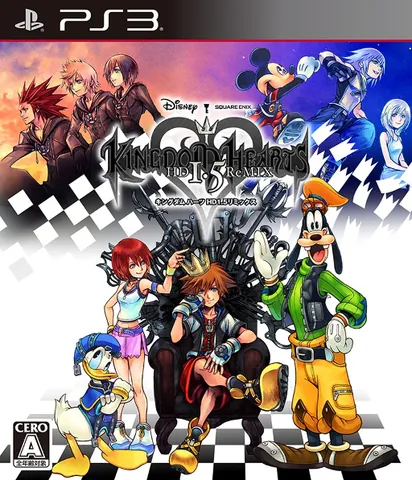
Kingdom Hearts HD 1.5 ReMIX · 2013
-
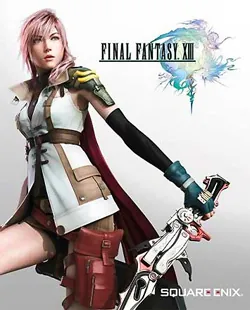
-
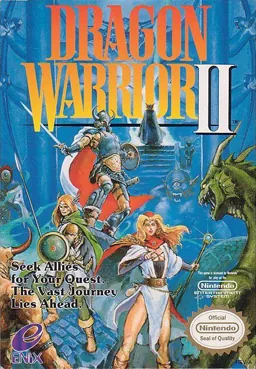
Dragon Quest II · 2014
-
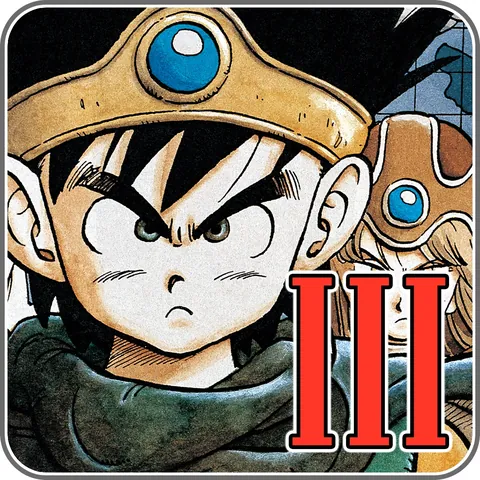
Dragon Quest III · 2014
-
-
Secret of Mana · 2014
-
Final Fantasy Type-0 HD · 2015
-
Final Fantasy VII · 2015
-
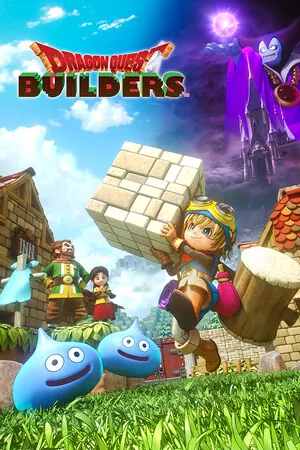
Dragon Quest Builders · 2016
-
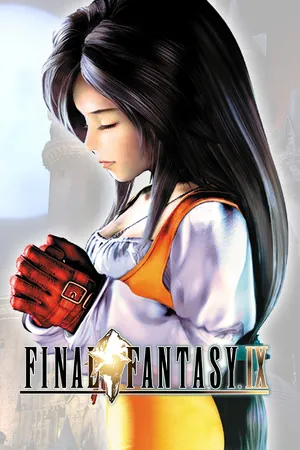
Final Fantasy IX · 2016
-
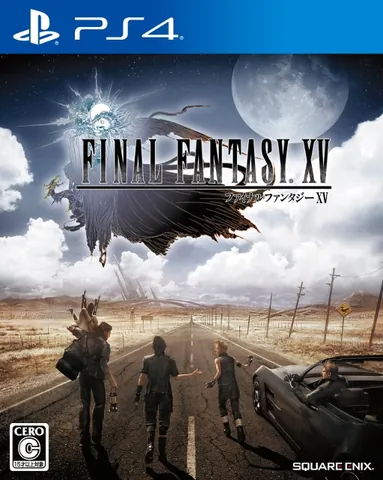
Final Fantasy XV · 2016
-
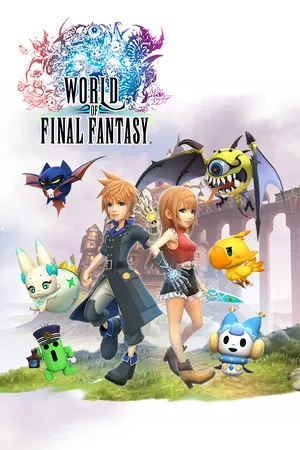
World of Final Fantasy · 2016
-
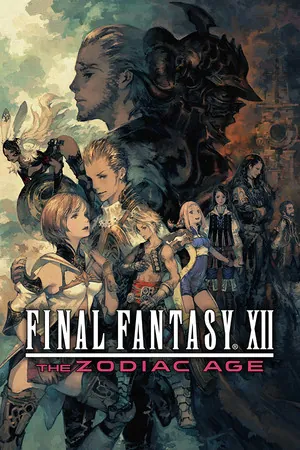
-
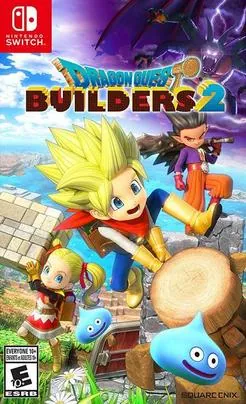
Dragon Quest Builders 2 · 2018
-
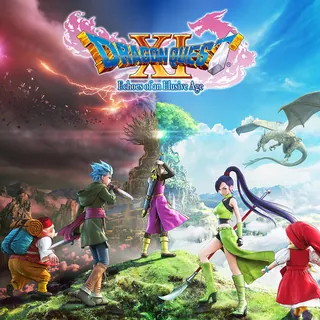
-
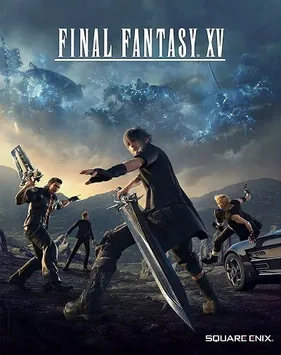
-
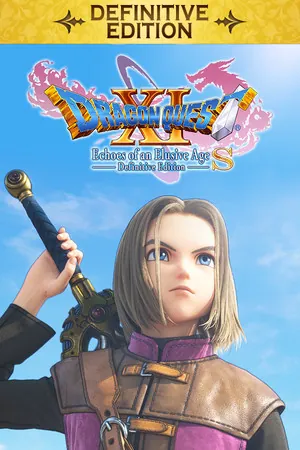
-
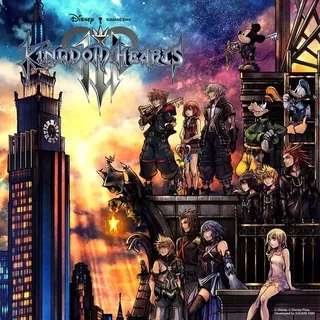
Kingdom Hearts III · 2019
-
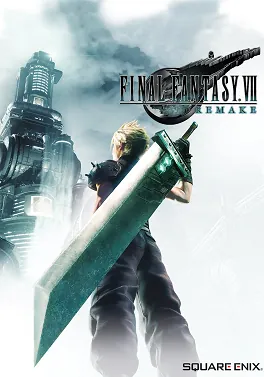
Final Fantasy VII Remake · 2020
-
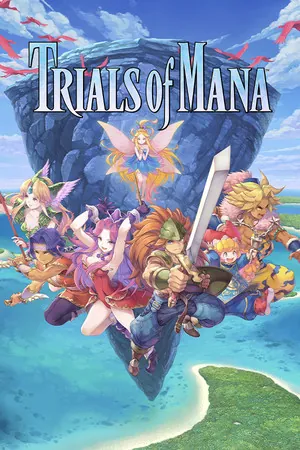
Trials of Mana · 2020
-
- PS5
-
Dragon Quest Treasures · 2022
- Mobil
-
-
-
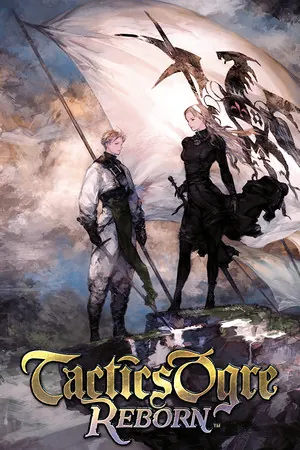
Tactics Ogre: Reborn · 2022
-
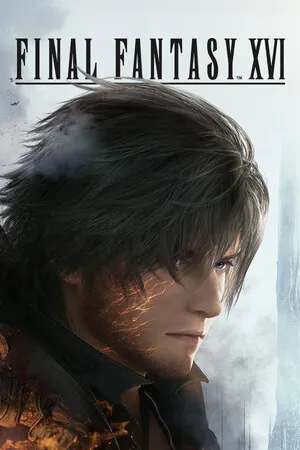
Final Fantasy XVI · 2023
-
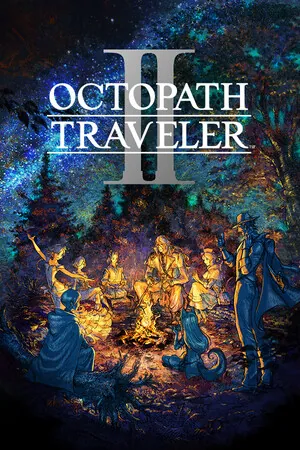
Octopath Traveler II · 2023
-
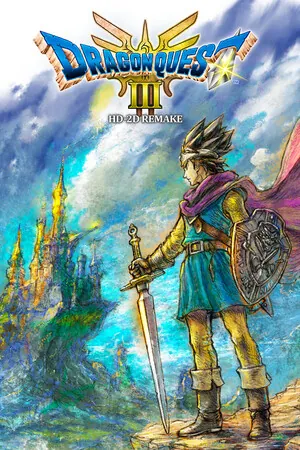
-
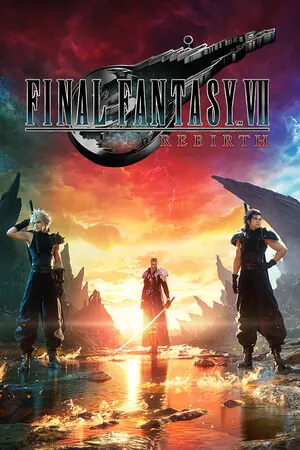
Final Fantasy VII Rebirth · 2024
- Switch 2