Game studio

Namco

84 games in the catalogue ⏱ 1979–2007 17 platforms
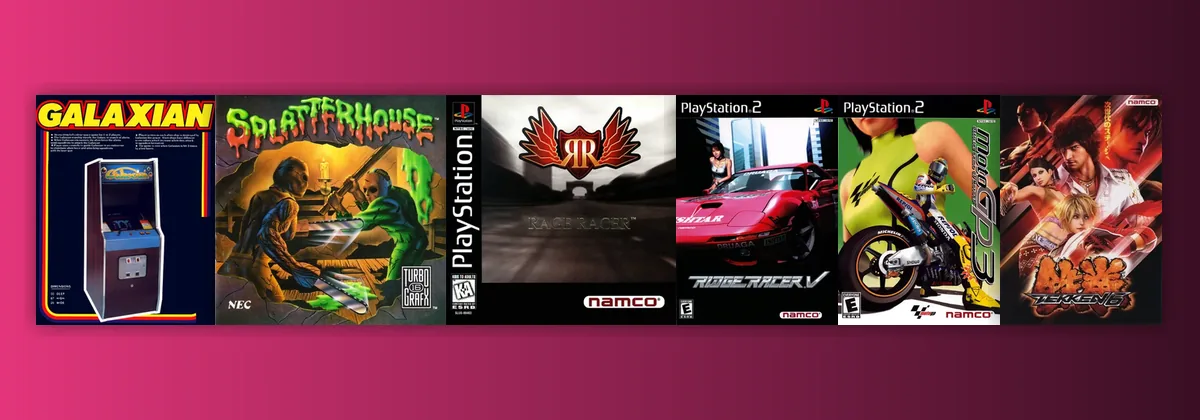
Namco – obaly her studia

Say the word Namco and every retro lover instantly pictures a handful of icons that changed the shape of the gaming industry forever. This Japanese company is behind the yellow glutton Pac-Man, behind the space shooter Galaga, and behind the fact that the arcades of the eighties breathed with color and catchy melodies. But Namco was not only a master of the arcades — when the era of home consoles arrived, it brought us brilliant racers, peerless fighting games, and dreamlike platformers. Retro players love it because wherever it stepped, it left behind a genre benchmark: whether you are sitting behind the wheel, swinging a sword, or leaping through cloudy worlds.

History

Namco's story began unexpectedly — in 1955, when Masaya Nakamura founded Nakamura Manufacturing in Tokyo, a company that initially operated mechanical rocking horses on the roof of a department store. From a small operator of amusement attractions, it gradually became a maker of arcade machines. The turning point came at the end of the seventies: after the success of the shooter Galaxian (1979), Namco struck in 1980 with Pac-Man, one of the best-selling and most recognizable titles of all time. A year later came Galaga, revered to this day as the pinnacle of vertical shooters.

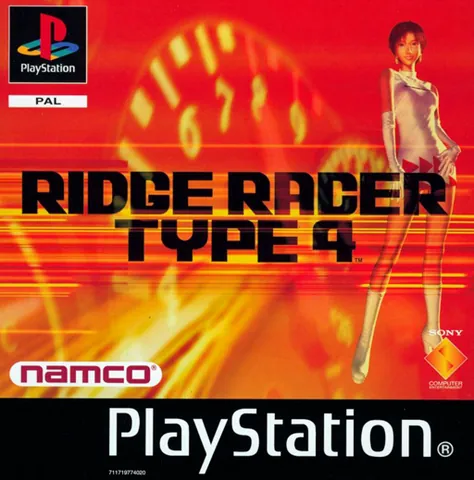
The eighties belonged to Namco in both technical and imaginative terms — Dig Dug, Pole Position, and Xevious pushed the boundaries of what an arcade machine could do. With the arrival of the nineties and 3D graphics, Namco did not fall behind; quite the opposite. Ridge Racer from 1993 showed what modern arcade racing should look like, and its later peak Ridge Racer Type 4 on the PlayStation charmed players not only with its driving but also with its unforgettable electronic soundtrack and stylish atmosphere. Just as pivotal was Tekken (1994), whose sequel Tekken 2 ranks among the jewels of the first PlayStation generation and defined 3D fighting games for decades to come. The peak of this craft became Soulcalibur, which in 1999 on the Dreamcast delivered weapon-based combat of a fluidity and beauty never seen before.

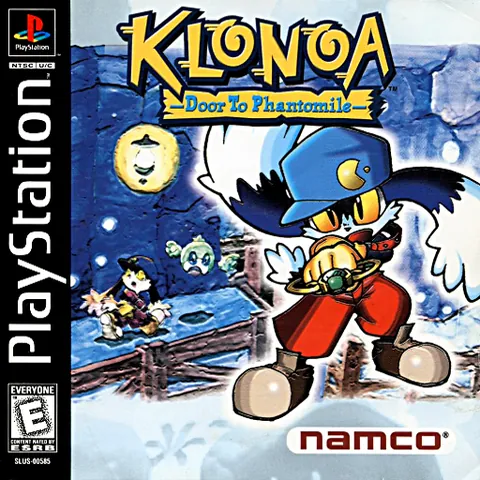
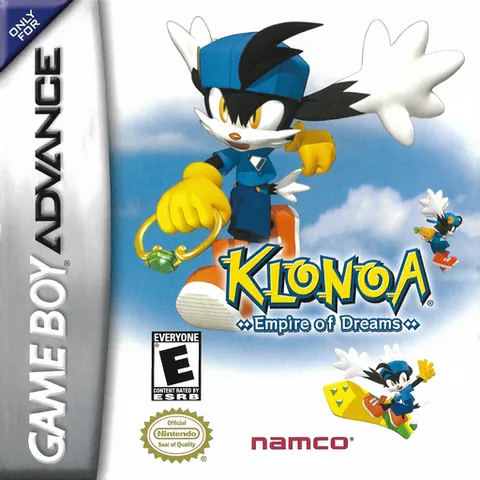
At the same time, Namco did not forget playfulness and imagination. The adorable hero Klonoa, with his long ears, first leapt into players' hearts in Klonoa: Door to Phantomile on the PlayStation, only to return later on the handheld Game Boy Advance in the adventure Klonoa: Empire of Dreams. These platformers proved that Namco could tell touching stories just as well as it could build perfect game mechanics.

Key Figures

At the head of the whole story stands founder Masaya Nakamura, nicknamed "the father of Pac-Man" — a visionary who built a gaming empire out of rocking horses. Pac-Man himself was designed by the young designer Toru Iwatani, whose idea for a non-violent game that would also appeal to female audiences wrote itself into history. The characteristic sound and music of the early machines, including Pac-Man, was created by composer Toshio Kai.

Among the later creators, Shigeru Yokoyama stands out; he was present at the birth of the Tekken fighting series and gave it its face. In the field of racing games and music, a legend is the composer associated with the Ridge Racer series, whose dance and electronic tracks gave the brand its unmistakable sound. And no less important is Hideo Yoshizawa, the designer who brought the likeable Klonoa into the world and created his dreamlike world of Phantomile.

Transformations and Transfers

Namco underwent one of the most significant transformations in the history of the Japanese gaming industry. In 2005 it merged with Bandai, a maker of toys and creator of brands such as Gundam, forming the holding group Namco Bandai (later renamed Bandai Namco). Game development was concentrated in the subsidiary Namco Bandai Games, which in 2015 adopted the unified name Bandai Namco Entertainment.

This merger meant the end of an independent Namco in the form that players of the eighties and nineties had known, but its legacy lives on under the new roof. Many key teams and creators remained and to this day develop the brands they once helped create. Masaya Nakamura himself remained an honorary figure associated with the company until his death in 2017.

The Present

In 2026, Namco as a brand still lives on — only under the banner of the Bandai Namco Entertainment conglomerate, one of the largest Japanese publishers and developers. Under this name continue the series that made Namco famous: Tekken has seen modern installments with a worldwide tournament scene, Soulcalibur and Ridge Racer have their loyal fans, and Pac-Man appears in countless remasters, collections, and new variations.

Bandai Namco also cares for its retro heritage through collector's editions and official emulations of the classics, so both arcade legends and titles from the PlayStation and Dreamcast era can be revisited by new players too. For the retro community, Namco is proof that the courage to experiment — whether in an arcade in 1980 or on consoles two decades later — creates games that age with grace and remain fun even after decades.

Games by the studio (84)

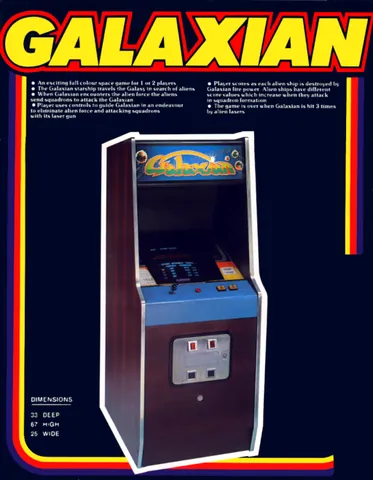
  1. Galaxian · 1979

    The answer to Space Invaders that raised the bar; enemies here break formation and attack for the first time.

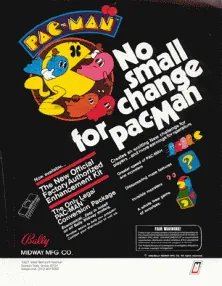
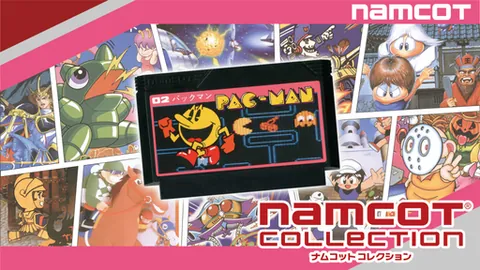
  2. Pac-Man · 1980

    A symbol of the entire medium; a yellow circle eating dots, known even to complete non-gamers.

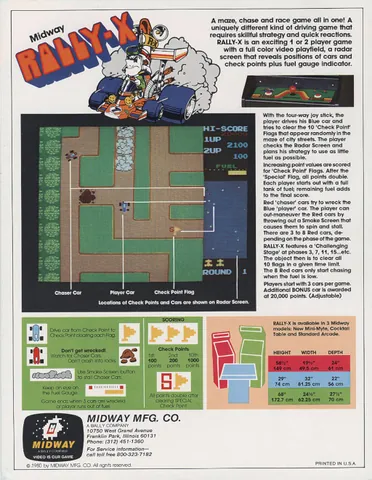
  3. Rally-X · 1980

    One of the first titles with a scrolling maze, a minimap, and background music all at once.

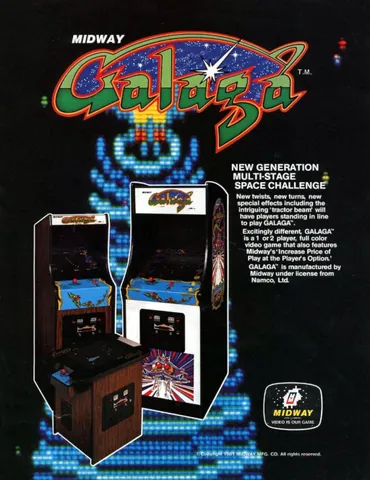
  4. Galaga · 1981

    The pinnacle of fixed-screen space shooters; still a great play today.

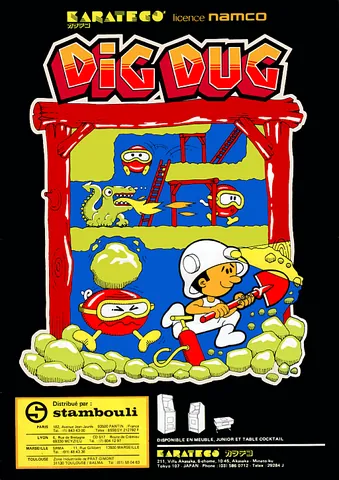
  5. Dig Dug · 1982

    You don't shoot enemies here — you inflate them with a pump until they burst. Bizarrely brilliant.

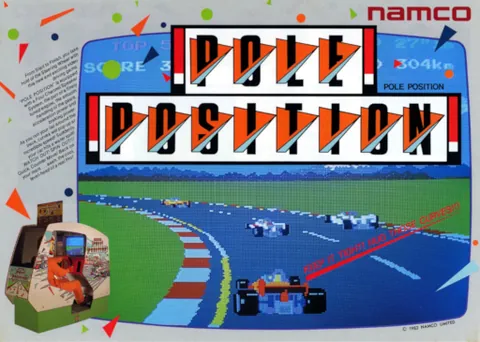
  6. Pole Position · 1982

    A pioneer of arcade racing with a qualifying lap before the start; it defined the entire genre.

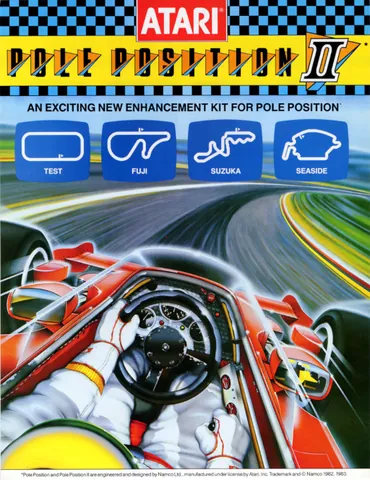
  7. Pole Position II · 1983

    An expansion of Pole Position with more tracks; more content, the same proven formula.

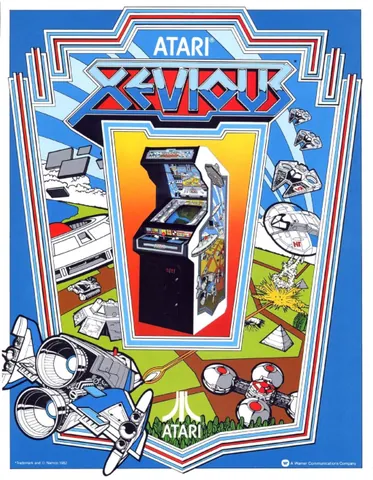
  8. Xevious · 1983

    Namco was the first to split fire into air and ground targets; an idea that influenced the whole genre.

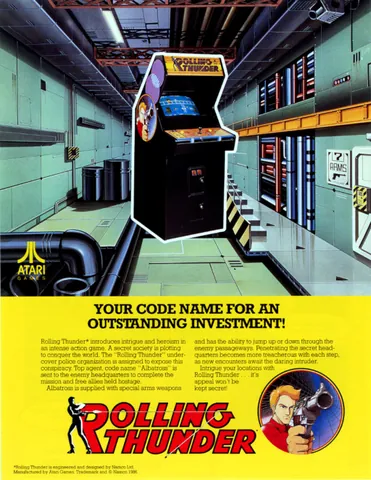
  9. Rolling Thunder · 1986

    A spy platformer inspired by Bond films; an agent shoots from behind doors and picks up weapons.

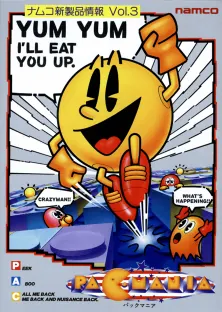
  10. Pac-Mania · 1987

    Pac-Man in isometric 3D with a new jump over ghosts – a graphical reboot of the Namco classic.

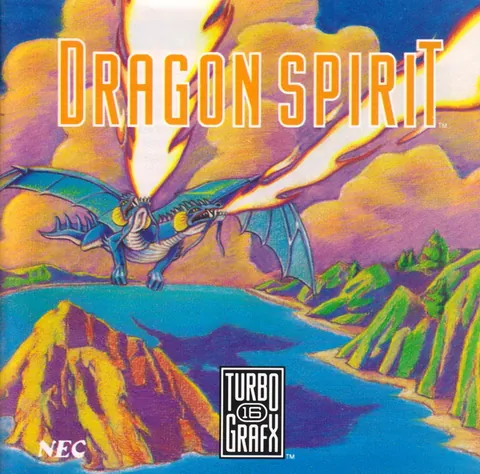
  11. Dragon Spirit · 1988

    Namco sends a dragon instead of a ship into a vertical shooter over a fantasy landscape.

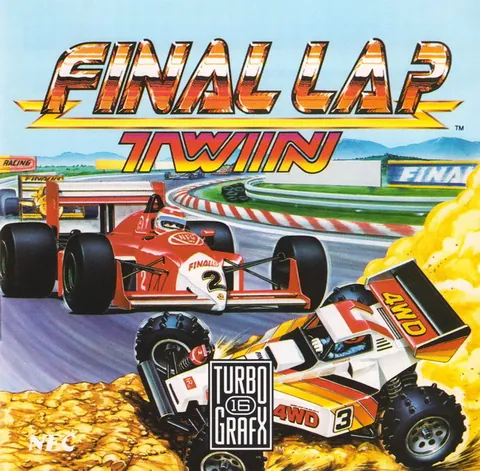
  12. Final Lap Twin · 1989

    Namco crosses a racing game with a Japanese RPG; a wild combination of speed and story.

  13. Splatterhouse: Wanpaku Graffiti · 1989

    A cheerful chibi spin-off of the horror series Splatterhouse; comics instead of blood and monsters.

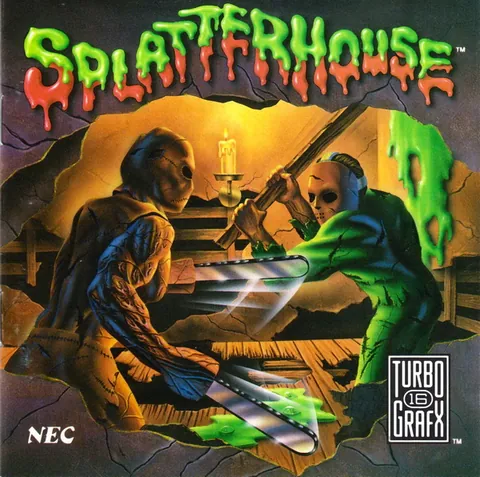
  14. Splatterhouse · 1990

    An uncompromisingly brutal horror brawler with a masked hero, a controversial classic of its time.

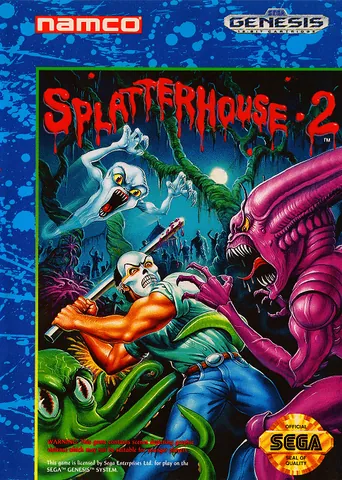
  15. Splatterhouse 2 · 1992

    A dark horror beat 'em up from Namco; the hero dons the Terror Mask and fights to save his girlfriend.

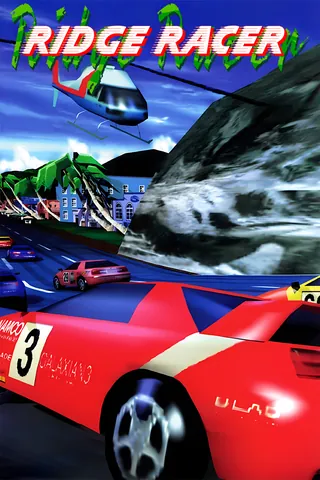
  16. Ridge Racer · 1993

    Původní automat, na kterém drift z Ridge Racera vůbec vznikl.

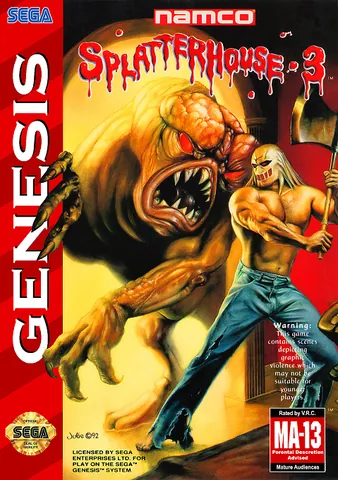
  17. Splatterhouse 3 · 1993

    The most ambitious entry in the horror trilogy; defend the house and your son as the path branches by pace.

  18. Pac-Attack · 1994

    A falling-block puzzle game in which Pac-Man himself occasionally shows up, gobbling ghosts.

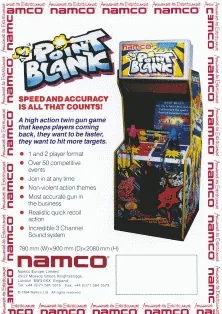
  19. Point Blank · 1994

    Namco turned the light gun into a wacky, colorful party full of funny minigames.

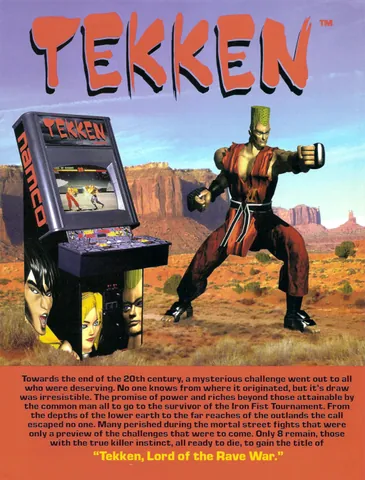
  20. Tekken · 1994

    One of the first 3D arena fights; the four-button limb control scheme became iconic.

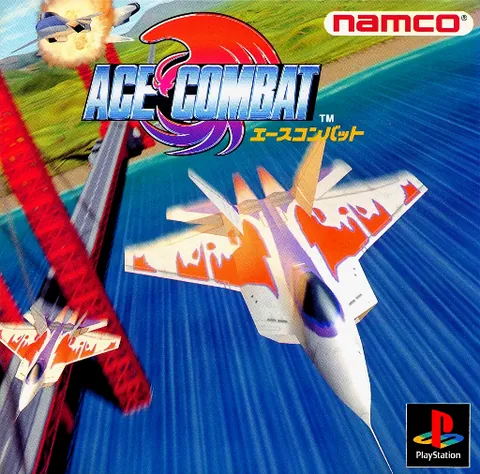
  21. Ace Combat (Air Combat) · 1995

    The founder of one of the most successful flight series, fluid 3D dogfights in the air.

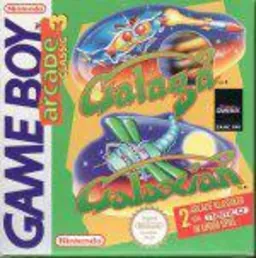
  22. Galaga & Galaxian · 1995

    A double compilation of Namco classics; Galaga adds ship capture and the famous twin-fighter maneuver.

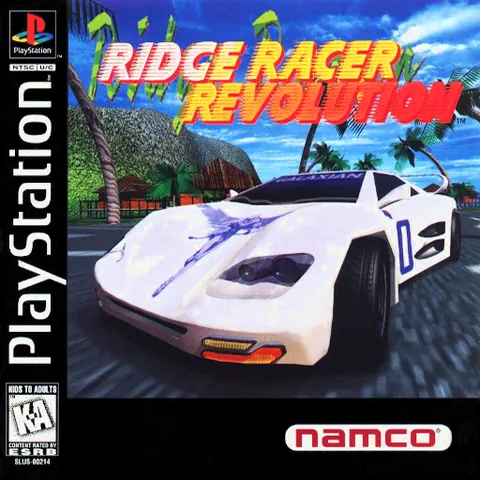
  23. Ridge Racer Revolution · 1995

    The Ridge Racer sequel with two-way tracks and cable-link multiplayer.

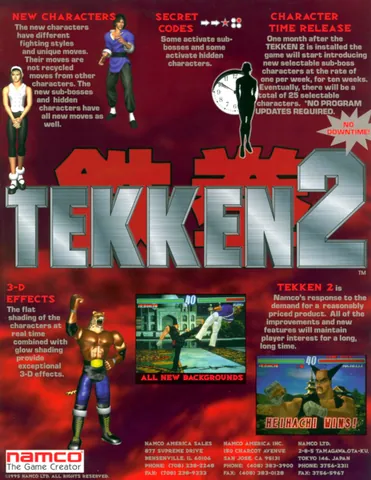
  24. Tekken 2 · 1995

    A bigger roster, a deeper system, and smoother animations — a leap forward from the first game.

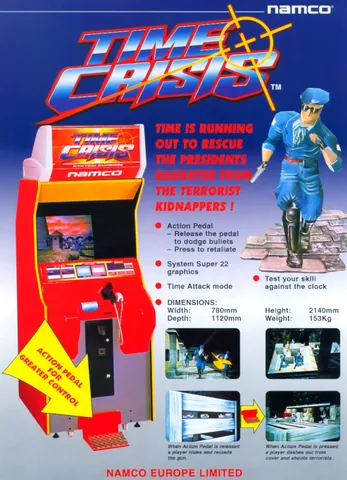
  25. Time Crisis · 1995

    It rewrote the rules of light-gun games with a single idea: a pedal for taking cover behind a pillar.

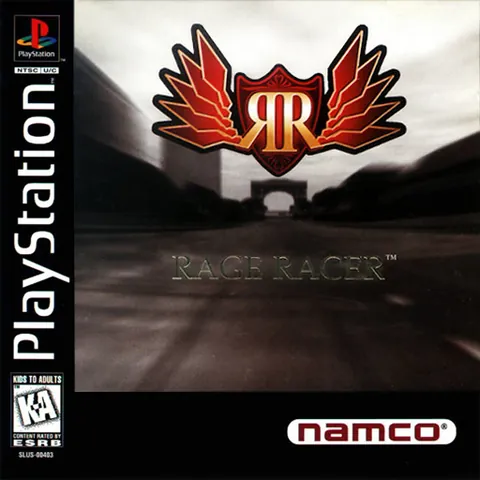
  26. Rage Racer · 1996

    The third Ridge Racer goes for darker, industrial tracks and a deeper career mode with car purchases.

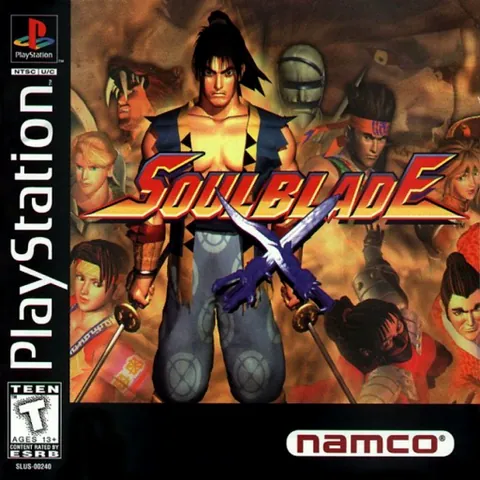
  27. Soul Blade · 1996

    A technically stunning weapon-based fighter set in Renaissance Europe; swords and spears instead of bare fists.

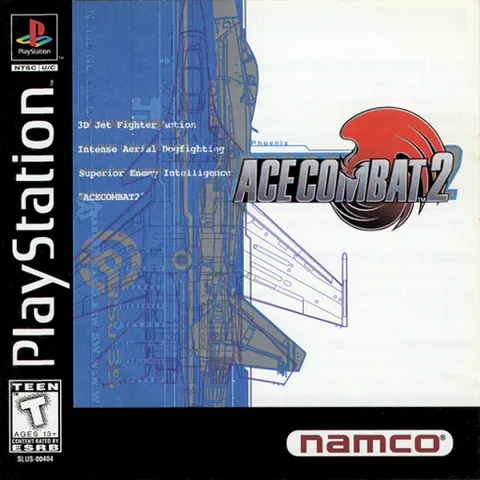
  28. Ace Combat 2 · 1997

    The second installment refined both the graphics and the feel of flying, hinting at where the series would later go.

  29. Klonoa: Door to Phantomile · 1997

    An emotional puzzle-platformer; one of the console's most beautiful stories.

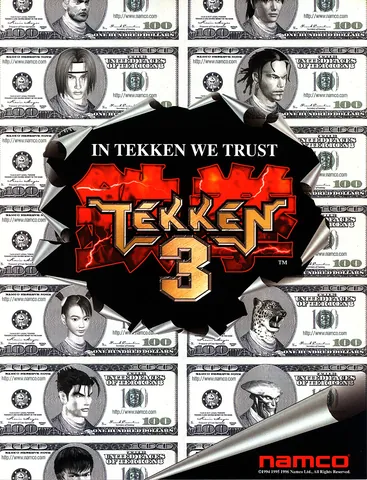
  30. Tekken 3 · 1997

    Původní automatová podoba Tekkenu 3, bez bonusů domácí verze.

  31. MAME

    Time Crisis 2 · 1997

    A pedal for taking cover and, for the first time, two-player co-op — an element that defined the whole series.

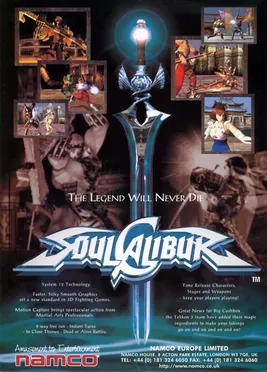
  32. Soulcalibur · 1998

    Arkádový původ legendy, o rok starší než slavná verze pro Dreamcast.

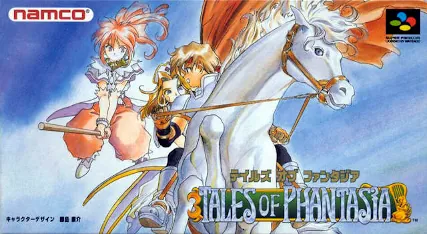
  33. Tales of Phantasia · 1998

    Zakladatel série Tales s animovaným úvodem a vylepšenou prezentací.

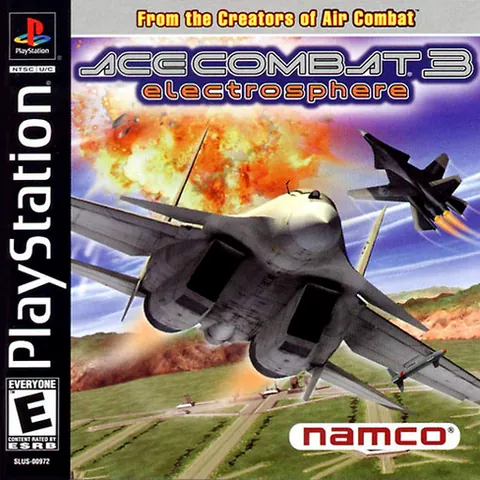
  34. Ace Combat 3: Electrosphere · 1999

    Namco moved aerial action into the near future with stylish air combat technology.

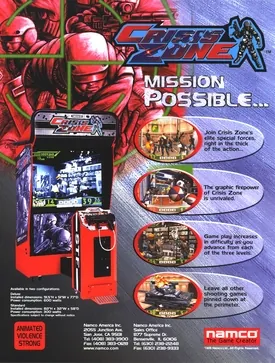
  35. Crisis Zone · 1999

    Built on the Time Crisis engine, but instead of cover you get a ballistic shield you can raise anywhere.

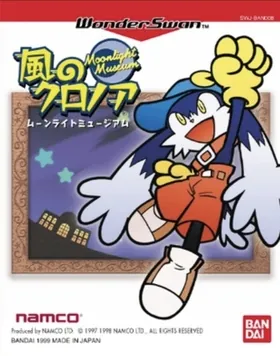
  36. Klonoa: Moonlight Museum · 1999

    A platformer with poetry even on a monochrome display; Klonoa doesn't stomp enemies, he grabs them with a ring.

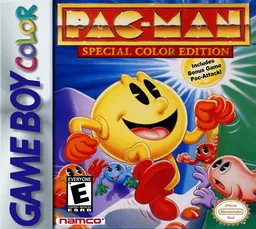
  37. Pac-Man: Special Color Edition · 1999

    The classic maze chase finally in color, enhanced with new game modes from Namco.

  38. Ridge Racer Type 4 · 1999

    Stylish arcade racing; gorgeous presentation and music.

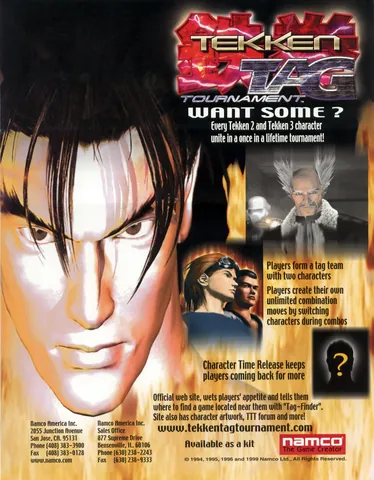
  39. Tekken Tag Tournament · 1999

    Dvojice bojovníků v arkádě, kde se poprvé střídalo za pochodu.

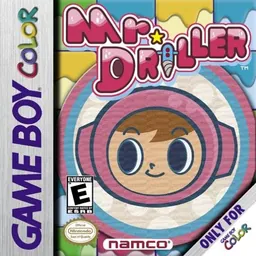
  40. Mr. Driller · 2000

    A faithful handheld port of the Namco arcade classic; drill deeper, watch your oxygen.

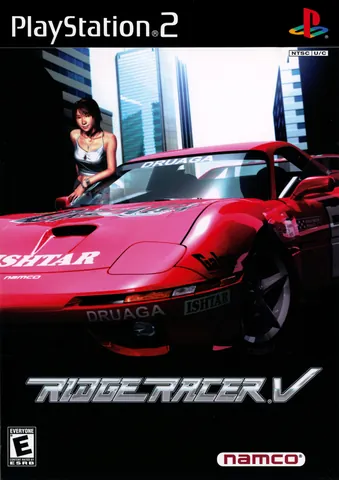
  41. Ridge Racer V · 2000

    One of the PS2's launch titles; pure drift racing without licenses or car damage.

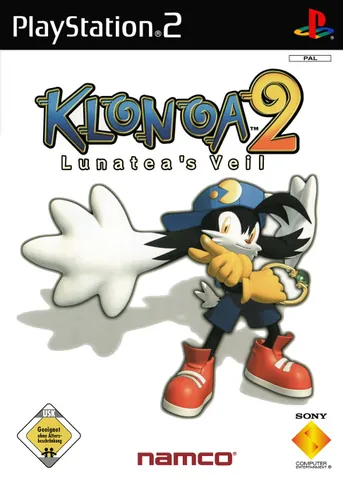
  42. Klonoa 2: Lunatea's Veil · 2001

    Sequel to the dreamlike platformer; you catch enemies in an air sac for a double jump.

  43. Klonoa: Empire of Dreams · 2001

    An adorable puzzle-platformer.

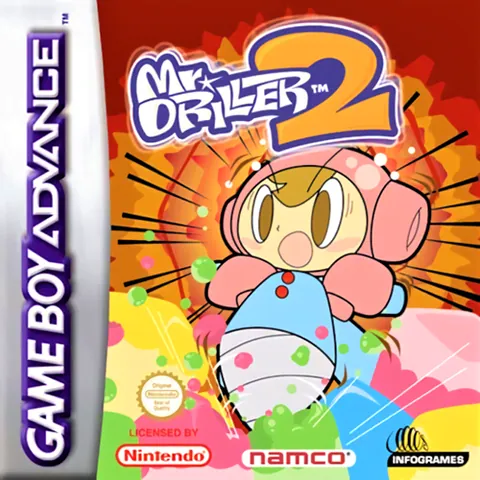
  44. Mr. Driller 2 / Ace · 2001

    Namco took simple digging through blocks and turned it into one of the most addictive puzzle games.

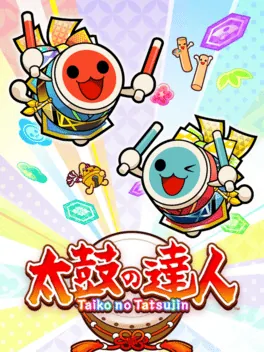
  45. Taiko no Tatsujin · 2001

    Drumming with taiko sticks is so intuitive you'll grasp the rules within seconds.

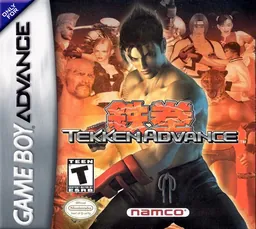
  46. Tekken Advance · 2001

    Namco's 3D fighter brought to a 2D handheld with no acceleration — a small miracle that it works.

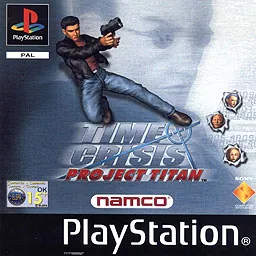
  47. Time Crisis: Project Titan · 2001

    A side entry of Time Crisis between the first and second games, played with the Guncon light gun.

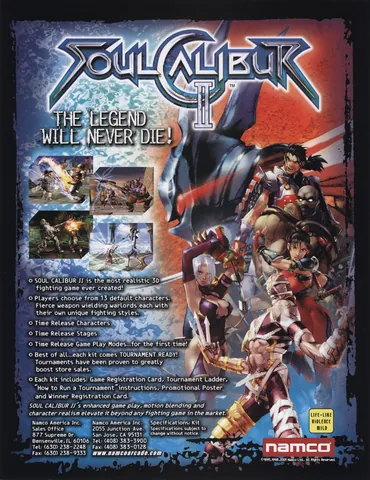
  48. Soulcalibur II · 2002

    Arkádová předloha bez hostů z konzolí, ale s čistým soubojem.

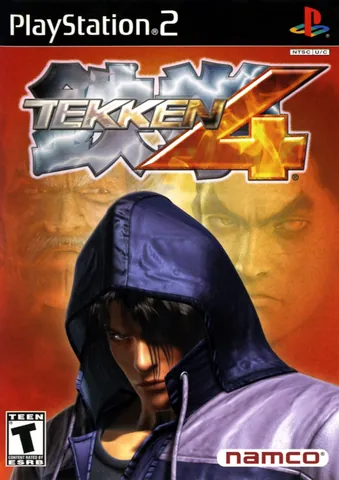
  49. Tekken 4 · 2002

    For the first time, fully three-dimensional arenas with walls and stairs that can be used tactically in fights.

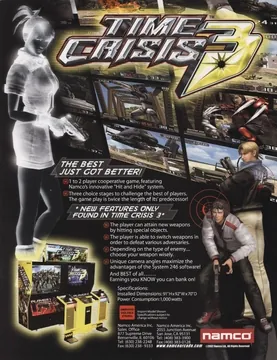
  50. Time Crisis 3 · 2002

    Původní automatová verze, ze které domácí port vznikl.

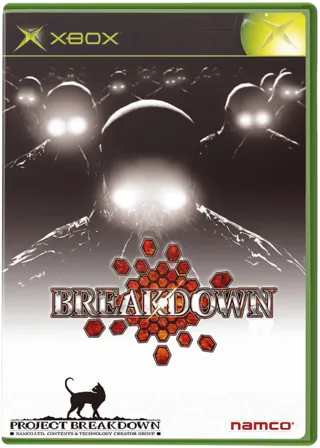
  51. Breakdown · 2004

    An action-adventure told entirely from a first-person perspective, even in the cutscenes.

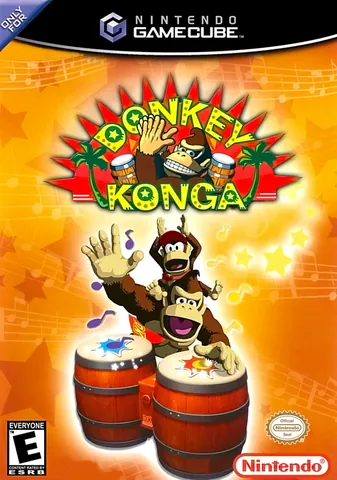
  52. Donkey Konga · 2004

    A rhythm game controlled with the DK Bongos; you clap and drum along to the beat of the song.

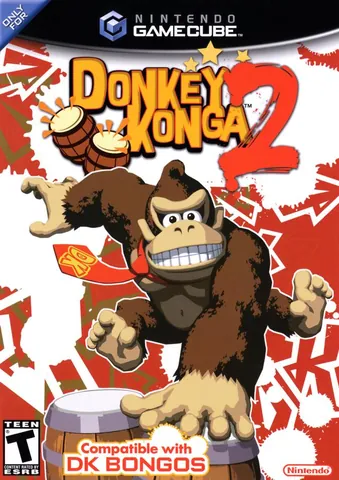
  53. Donkey Konga 2 · 2004

    Rytmická hra s bonga bubínky, tentokrát s písničkami z Nintenda i západní popové scény.

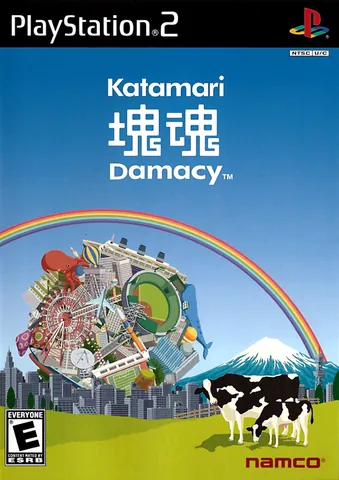
  54. Katamari Damacy · 2004

    The brilliantly wacky original about rolling a sticky ball, pure joy of play without any violence.

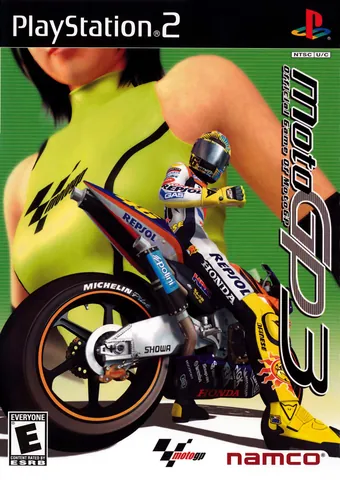
  55. MotoGP 3 · 2004

    Namco přivedlo mistrovství MotoGP na PS2 s oficiální licencí a důrazem na jízdu.

  56. Ridge Racers · 2004

    A PSP launch title made up of tracks from Ridge Racer Type 4 and V, fine-tuned for the new hardware.

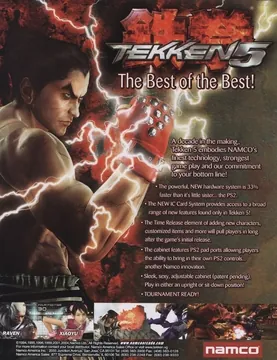
  57. Tekken 5 · 2004

    Arkádový Tekken 5 bez režimu Devil Within, ale s tempem automatu.

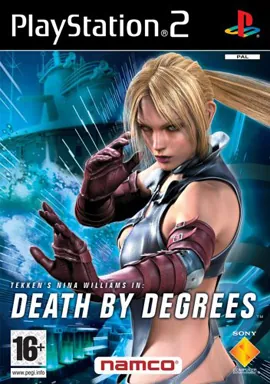
  58. Death by Degrees · 2005

    Nina Williams from Tekken in her own game; slow, methodical infiltration instead of a tournament.

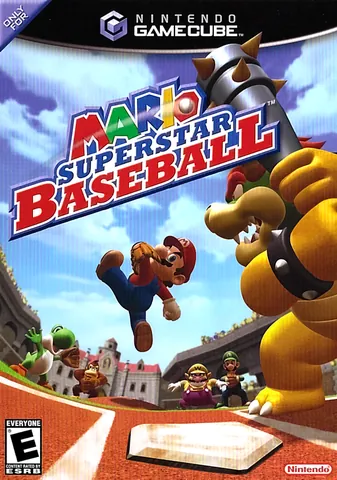
  59. Mario Superstar Baseball · 2005

    A simplified baseball game with Mario characters; Star Hits can turn the match around.

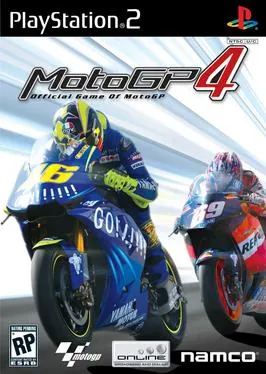
  60. MotoGP 4 · 2005

    Čtvrtý díl od Namca na PS2, který staví na osvědčené jízdě s další sezónou.

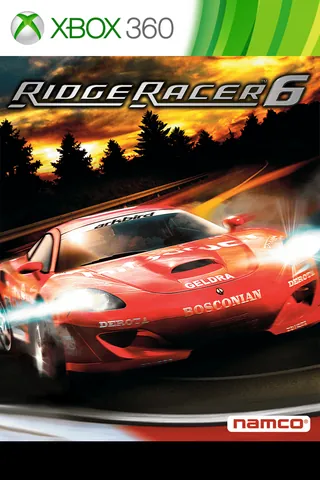
  61. Ridge Racer 6 · 2005

    An Xbox 360 launch exclusive in HD and a steady 60 fps - a showcase for the new console generation.

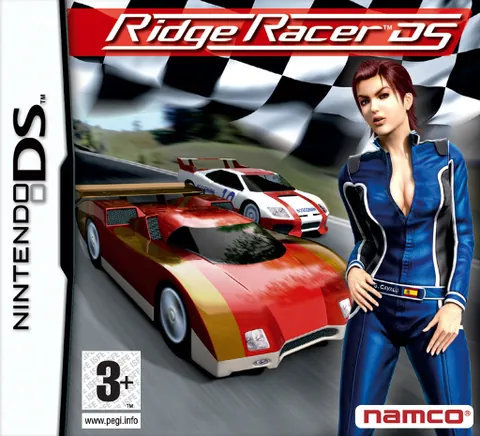
  62. Ridge Racer DS · 2005

    Namco's arcade recipe brought to the DS - drifting as the main mechanic of fast circuits.

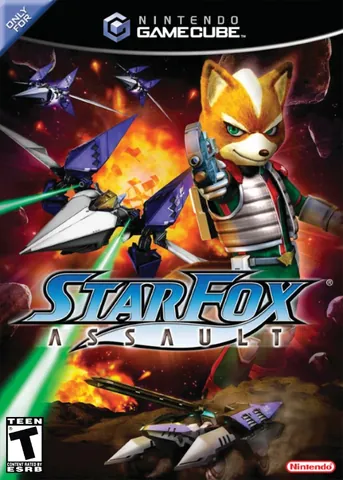
  63. Star Fox: Assault · 2005

    Namco brought the series back to its space roots; aerial dogfights are complemented by ground missions.

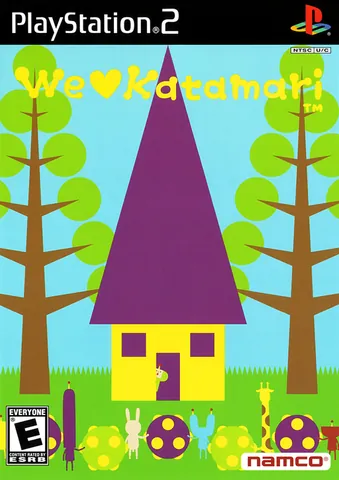
  64. We Love Katamari · 2005

    A self-deprecating sequel that wittily responds to the unexpected success of the first game.

  65. Ridge Racers 2 · 2006

    A response to criticism of recycling: new circuits, cars from Ridge Racer 6, and a clearer career mode.

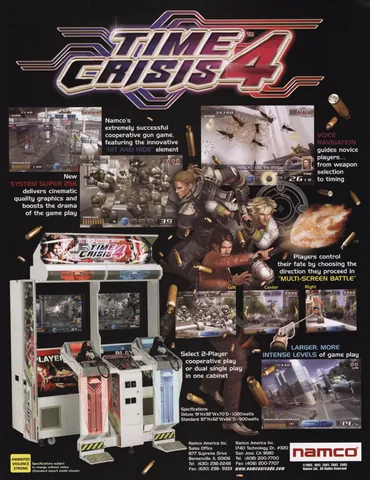
  66. Time Crisis 4 · 2006

    Pedál, zbraň a dvě minuty na to, abyste přežili další zákryt

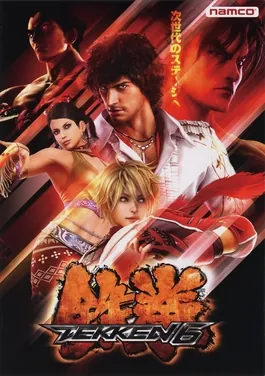
  67. Tekken 6 · 2007

    Introduced the Rage mechanic, where dwindling health temporarily strengthens attacks, plus a massive roster.