Franchises
Final Fantasy
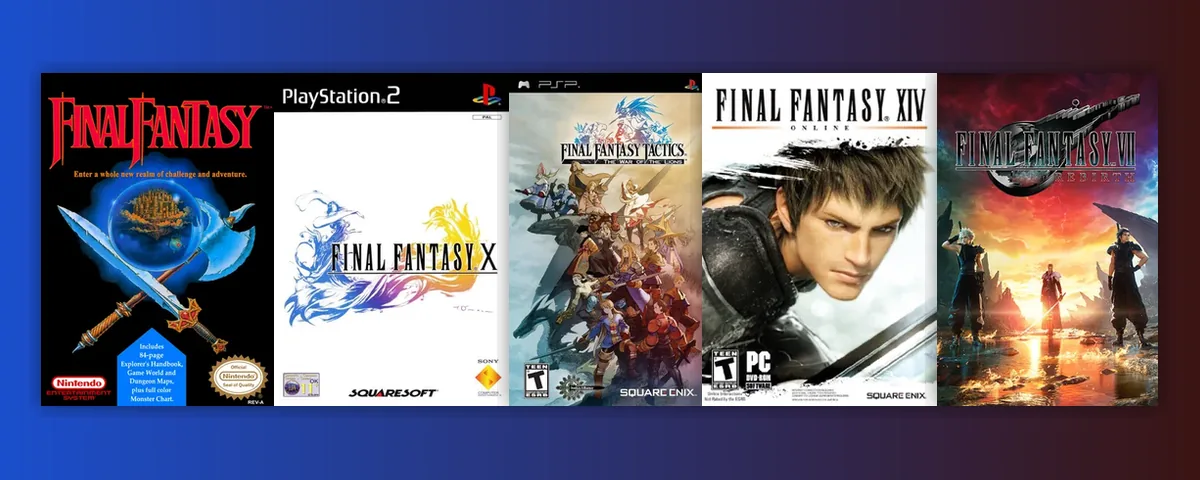
Final Fantasy began in 1987 at the Japanese studio Square as a last-ditch gamble — the company was teetering on the edge of bankruptcy after a string of commercial failures, and the title was meant to signal this might be the last game it ever released before shutting its doors. Creator Hironobu Sakaguchi built it around turn-based combat, a medieval fantasy world laced with sci-fi elements (airships, crystals, mechanical weapons), and a job system players could adapt to their needs — four chosen heroes without a fixed identity, a counterpoint to the more defined cast of rival Dragon Quest. The first game's unexpected success, which didn't reach the US until 1990, turned it into an ongoing series, and from then on each entry tells its own self-contained story with new characters and a new world — tied together only by recurring motifs like chocobos, moogles, materia, or summoned monsters such as Ifrit and Bahamut.
On the NES and Super Nintendo the series experimented rapidly with its own rules: the third and fifth entries further developed the job system, the fourth introduced the ATB system, where characters acted according to flowing time rather than strict turn order, and added more elaborate, emotional storytelling. The sixth is still regarded by many players as the peak of the 16-bit era, thanks to its large ensemble of fourteen playable characters, the dark story built around the villain Kefka, who at one point becomes ruler of a shattered world, and an opera scene that showed just how far storytelling and atmosphere could go in the JRPG genre.
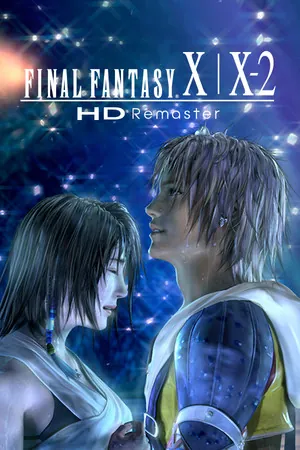
The move to PlayStation brought a genuine global breakthrough — 1997's Final Fantasy VII, with Cloud, Sephiroth and the city of Midgar, paired 3D graphics with pre-rendered cinematic sequences, heavy marketing and a story about ecological catastrophe and the Shinra corporation, and turned JRPGs into a mainstream phenomenon in the West. The series' success also helped bring about Square's 2003 merger with longtime rival Enix into today's Square Enix. The eighth entry built on that success with a more ambitious, romance-driven approach and its Junction system, while the ninth deliberately returned to the series' older, more fairy-tale aesthetic as a tribute to its roots. The tenth brought full voice acting, a more linear but emotionally driven story of Tidus and Yuna set in the world of Spira, and replaced ATB with a turn system based on each character's speed.
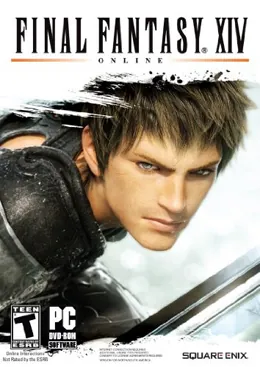
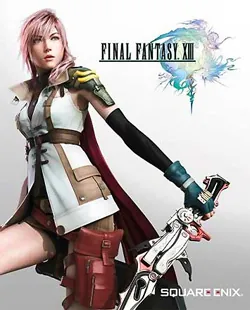
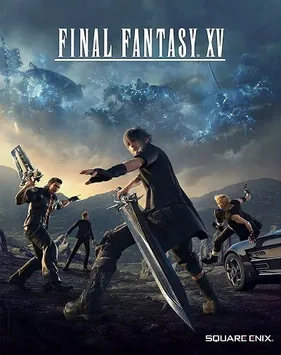
The series then branched into online and experimental territory: the eleventh entry was its first MMO, set in the world of Vana'diel; the twelfth pushed combat closer to real time via a gambit system governing allies' behavior; and the thirteenth became a trilogy (including sequels XIII-2 and Lightning Returns) criticized for how linear its paths were and for its Paradigm Shift system. The fourteenth launched disastrously in 2010, but after a full rebuild as A Realm Reborn under director Naoki Yoshida it turned into one of the most respected MMOs on the market. The fifteenth turned the series into an open world built around a road trip among four friends, and the sixteenth pushed combat fully into real time without a classic command menu, closer to the character-action genre.
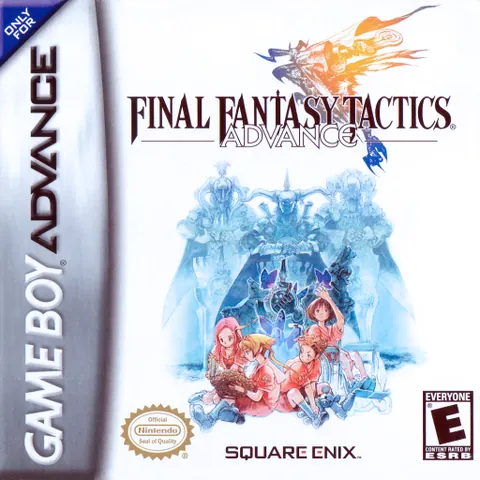
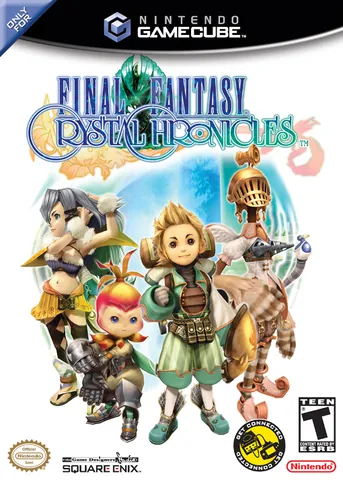
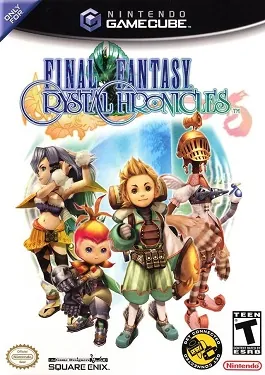
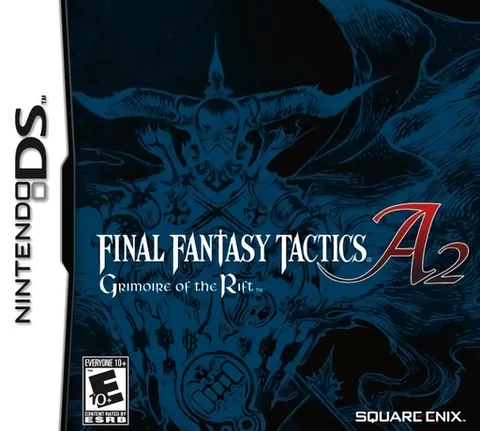
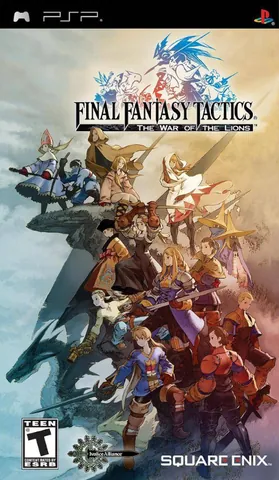
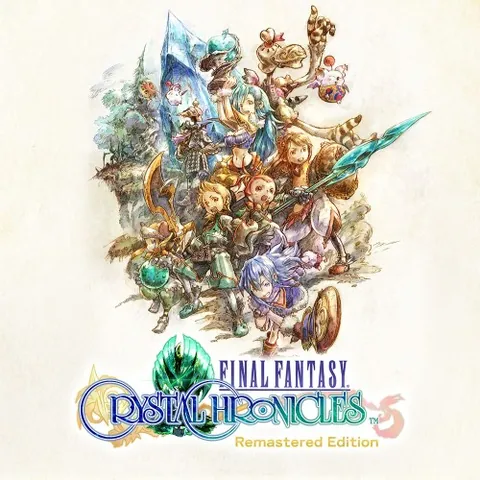
Around the main line grew a whole web of spin-offs — the tactical Final Fantasy Tactics, the action-oriented Crystal Chronicles series, the crossover fighter Dissidia, the rhythm-game series Theatrhythm, and the Disney crossover series Kingdom Hearts — and, in recent years, ambitious remakes: Final Fantasy VII Remake and its follow-up Rebirth retell the iconic seventh entry as a new, expanded trilogy with an altered ending. Through its blend of turn-based tactics, strong storytelling and iconic characters, Final Fantasy shaped the entire JRPG genre, both in the West and in Japan, and remains one of the longest continuously running major game series ever made.
Entries in the series (57)
-
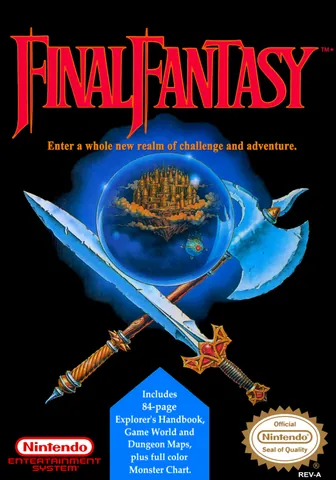
Final Fantasy · 1987
-
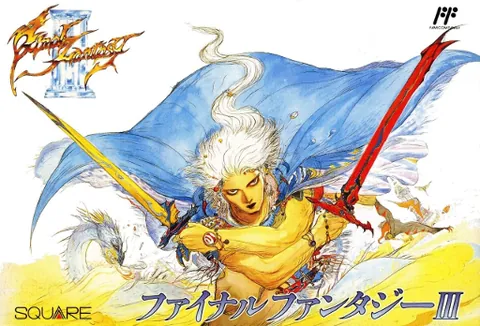
Final Fantasy III · 1990
-
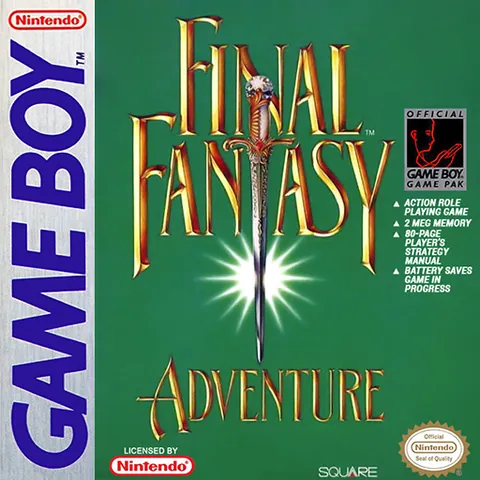
Final Fantasy Adventure · 1991
-
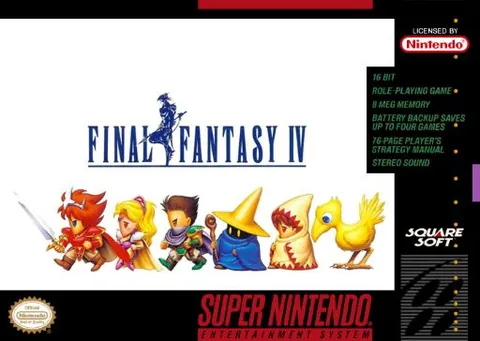
Final Fantasy IV · 1991
-
Final Fantasy IV / V · 1991
-
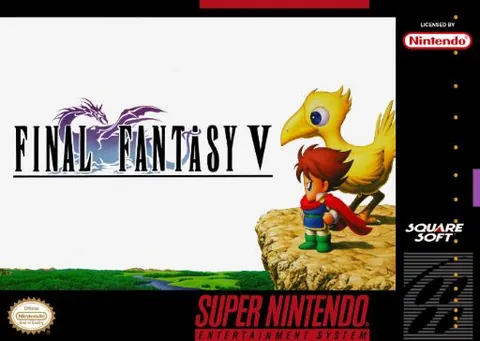
Final Fantasy V · 1992
-
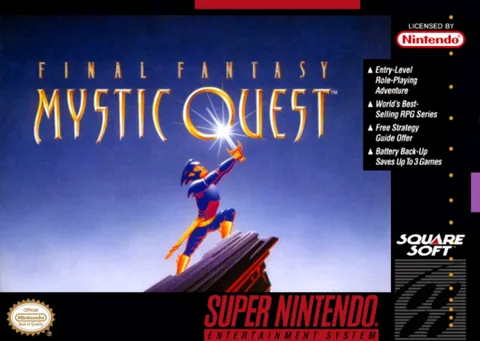
Final Fantasy: Mystic Quest · 1992
-
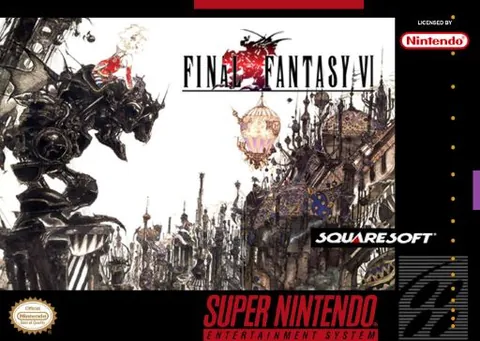
Final Fantasy VI (FFIII US) · 1994
-
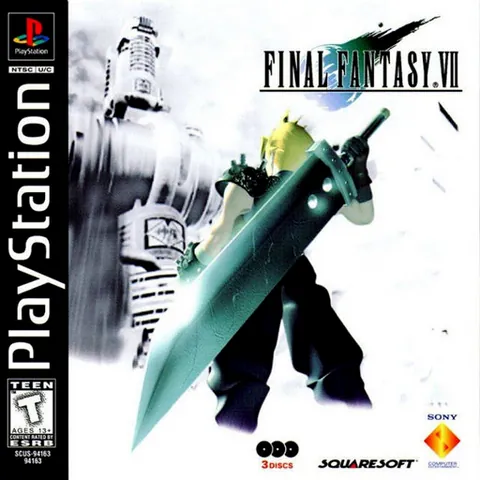
Final Fantasy VII · 1997
-
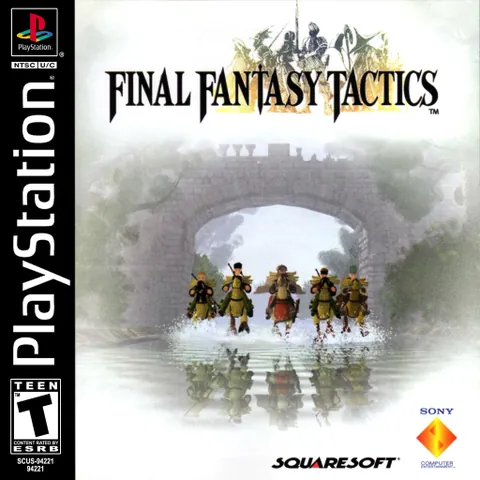
Final Fantasy Tactics · 1998
-
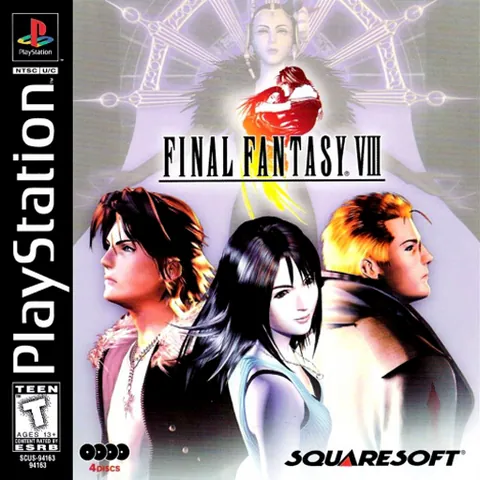
Final Fantasy VIII · 1999
-
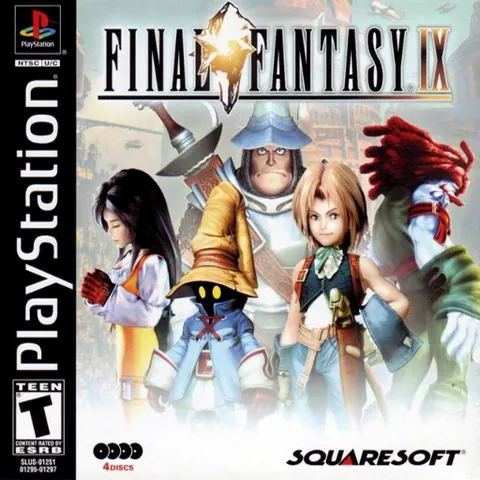
Final Fantasy IX · 2000
-
Final Fantasy II · 2001
-
Final Fantasy X · 2001
-
Final Fantasy XI · 2002
-
-
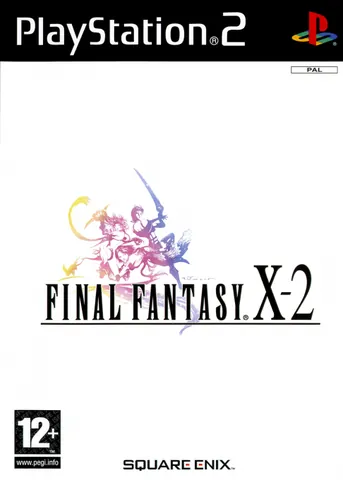
Final Fantasy X-2 · 2003
-
-
-
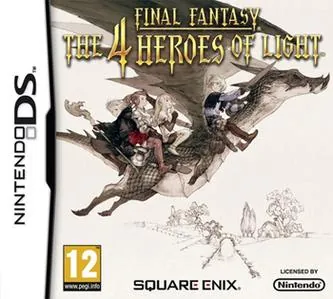
-
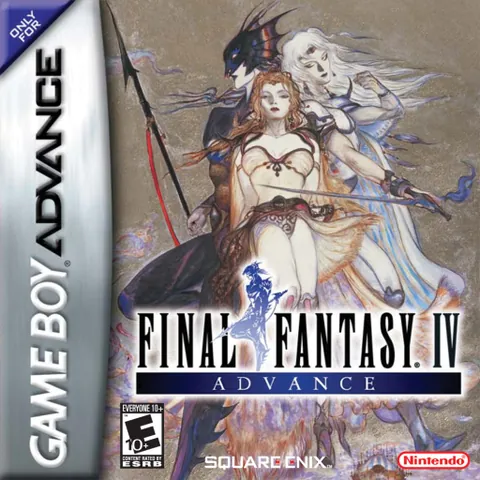
Final Fantasy IV Advance · 2005
-
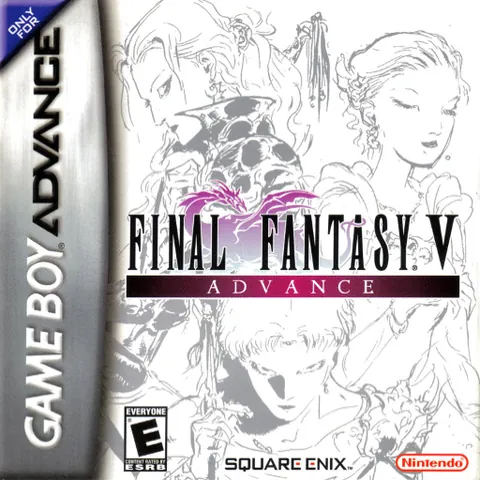
Final Fantasy V Advance · 2006
-
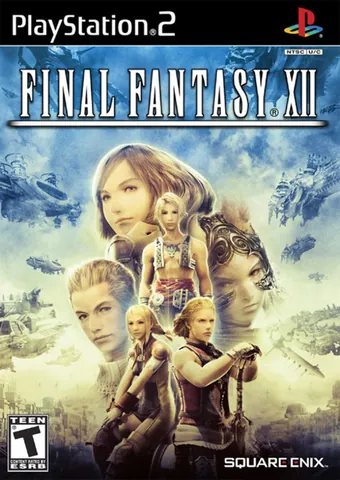
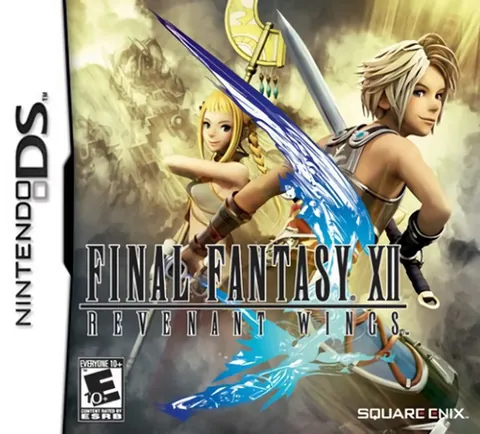
Final Fantasy XII · 2006
-
-
-
-
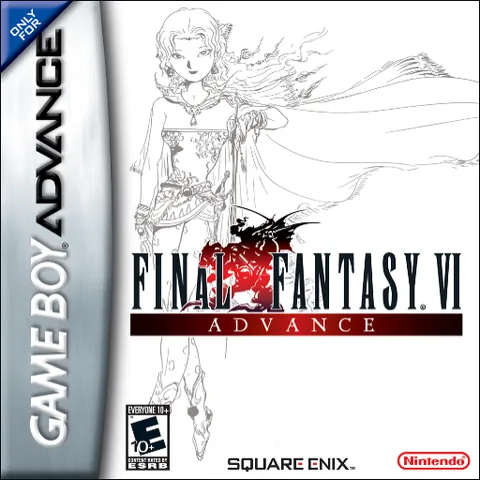
Final Fantasy VI Advance · 2007
-
-
-
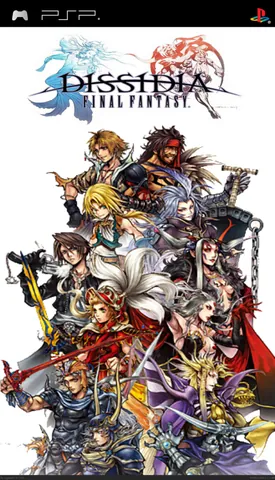
Dissidia Final Fantasy · 2008
-
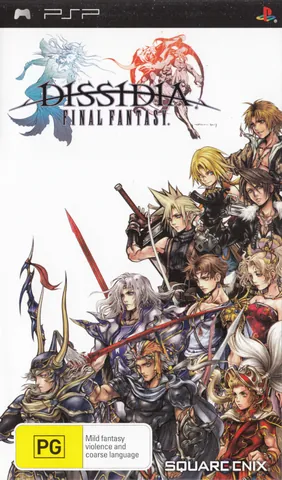
Dissidia Final Fantasy / 012 · 2008
-
-
-
-
-
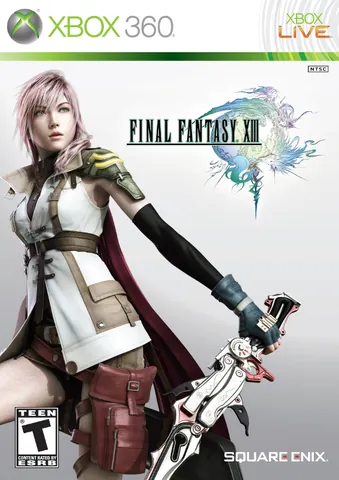
Final Fantasy XIII · 2010
-
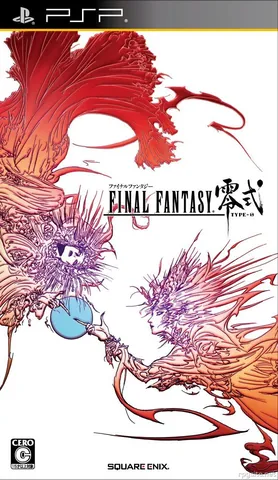
Final Fantasy Type-0 · 2011
-
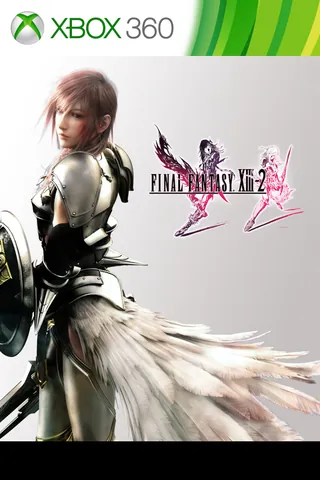
Final Fantasy XIII-2 · 2011
-
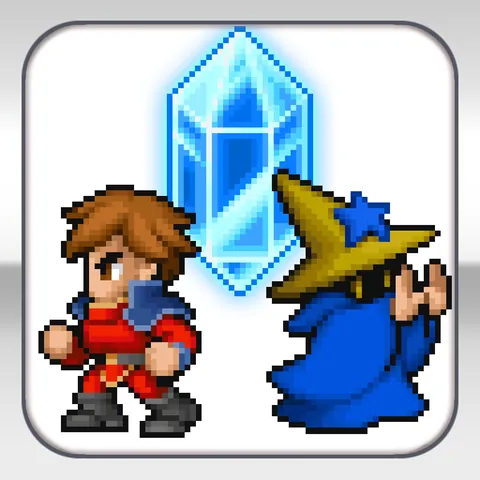
Final Fantasy Dimensions · 2012
-
-
-
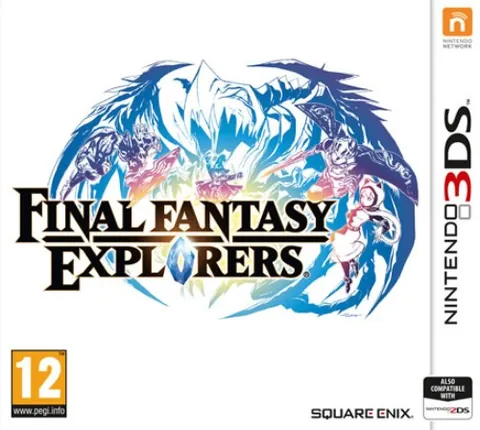
Final Fantasy Explorers · 2014
-
-
Final Fantasy Type-0 HD · 2015
-
Final Fantasy XV · 2016
-
World of Final Fantasy · 2016
-
-
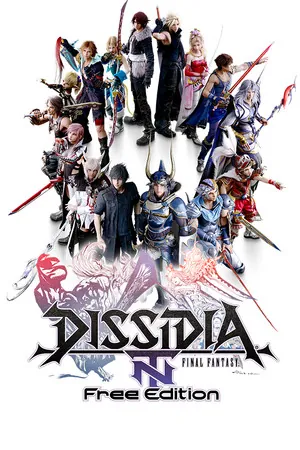
Dissidia Final Fantasy NT · 2018
-
-
-
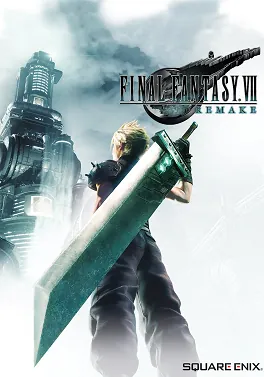
Final Fantasy VII Remake · 2020
-
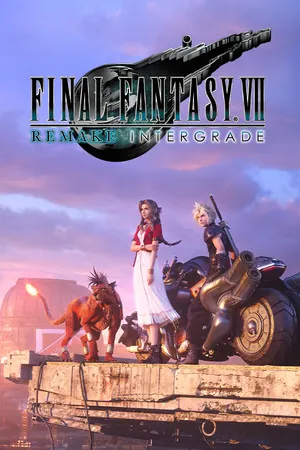
- PS5
- Mobil
-
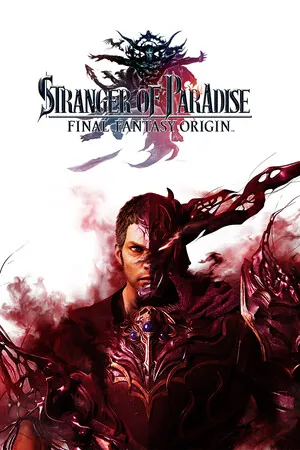
-
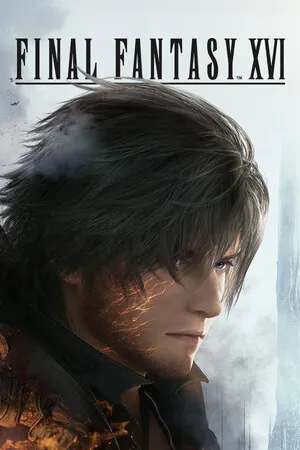
Final Fantasy XVI · 2023
-
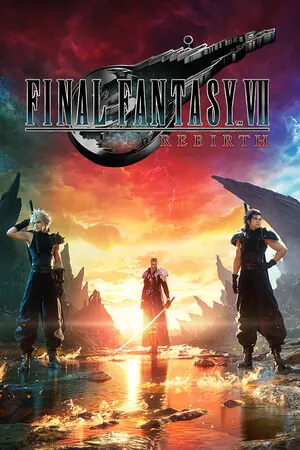
Final Fantasy VII Rebirth · 2024