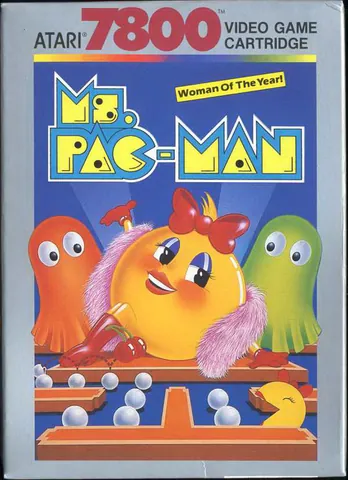
Ms. Pac-Man
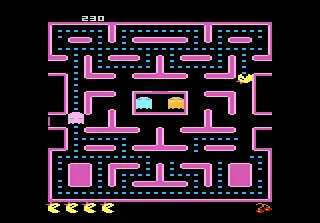
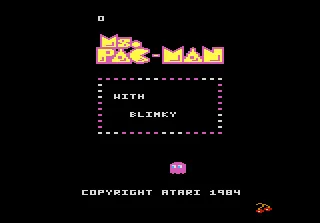
The yellow glutton got a bow, lipstick and, above all, better maze design. Ms. Pac-Man is a rare case of a sequel that surpasses its famous predecessor in many respects, and on the Atari 7800 it belongs among those conversions that didn't have to feel ashamed next to the original.
The foundation remains immortal. You race around a maze, gobble up dots, avoid a quartet of ghosts, and after eating a power pill the roles reverse and the hunters become the prey. But Ms. Pac-Man adds several mazes instead of one, moving fruit that travels across the field, and smarter, less predictable ghost behavior. This eliminated the learned patterns with which players literally cracked the original, so every game is fresher and more thrilling.
The game came about through an interesting detour. It originally started as an unofficial modification of Pac-Man called Crazy Otto by the group General Computer Corporation, which Midway subsequently bought out and, after an agreement with Namco, released as the official Ms. Pac-Man in 1981. It became one of the most profitable arcade games ever produced in the United States, and its cabinets spread to bars and arcades all over the world.
The cultural significance of Ms. Pac-Man is enormous. At a time when game heroes were almost exclusively male or genderless, it offered a distinctly female icon who became a darling of audiences. The character even appeared in an animated series and became a permanent part of 1980s pop-culture inventory.
The Atari 7800 version benefits from better hardware than the older 2600 and offers a snappier, more colorful rendition that comes considerably closer to the arcade original. For owners of the console it was one of the more tempting reasons to acquire the system.
Why play: An improved, more unpredictable Pac-Man with multiple mazes that even today works as a perfect demonstration of how to make an arcade game eternal.
Game 1 of 37 for Atari 7800
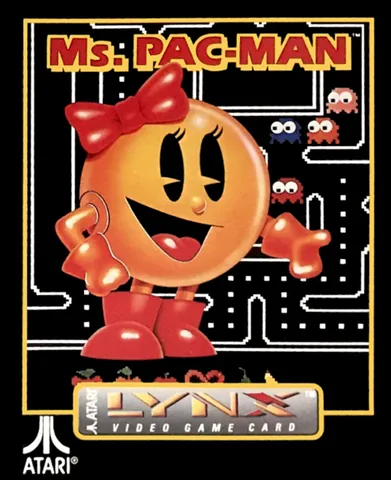
The same title elsewhere (4)
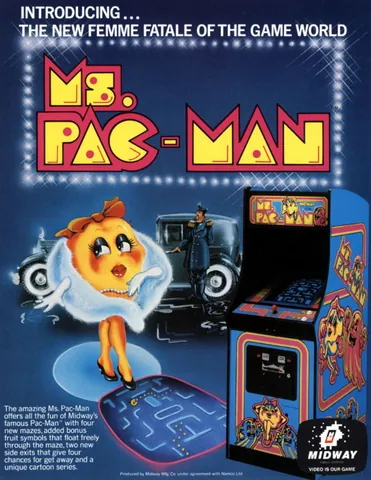
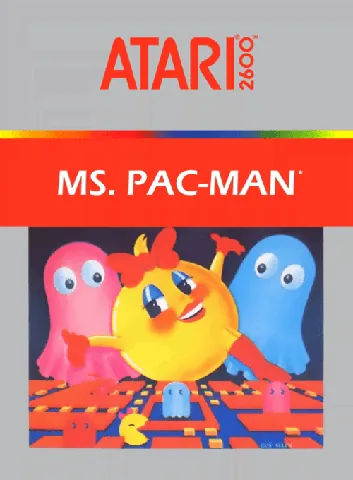
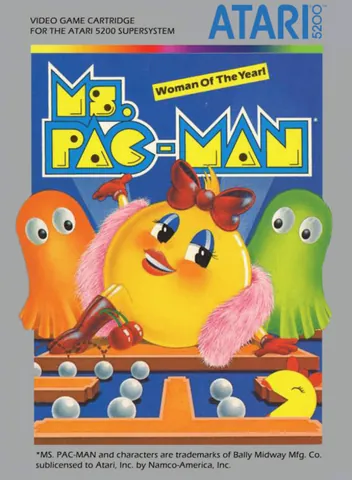
The arcade original offers four distinct mazes, a richer palette and smoothly animated ghosts, which is why it's often called the most complete version of the game. The Atari 2600 port counts among that machine's surprisingly good conversions — unlike the infamously botched Pac-Man port, developers here managed to preserve the gameplay and pace despite blockier graphics and a limited color range. The Atari 5200 had more powerful hardware than the 2600, so its version delivered smoother ghost movement and colors closer to the arcade look, placing it among the best home conversions of its time. Anyone wanting the experience closest to the original should reach for the arcade version; anyone after a solid early-1980s home release will appreciate the Atari 5200.