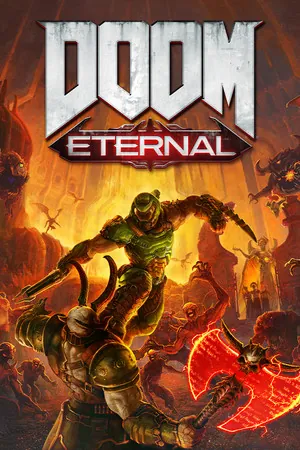
Doom Eternal
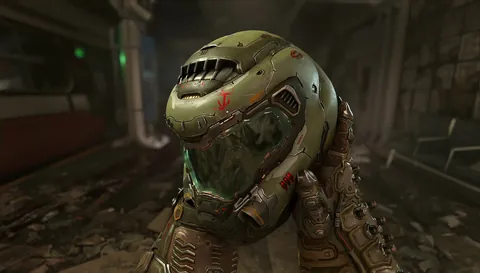
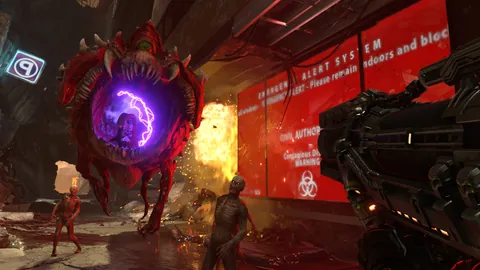
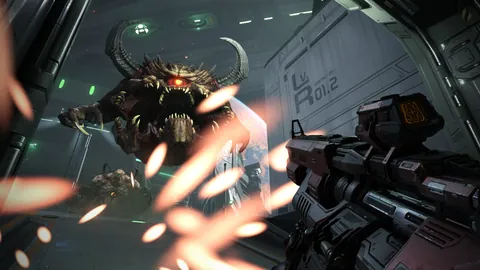
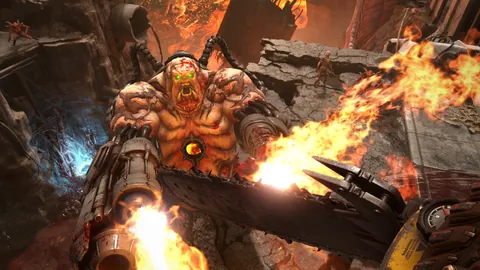
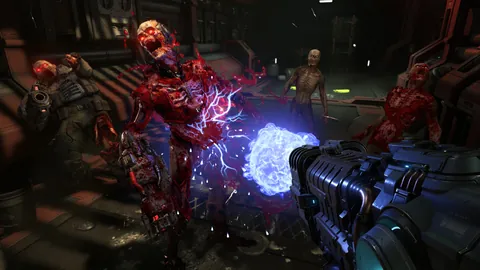
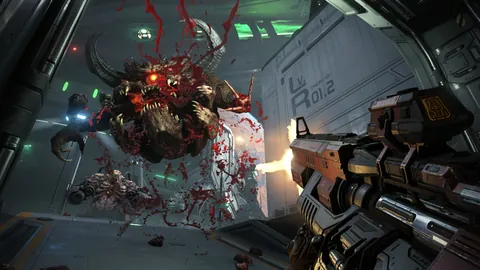
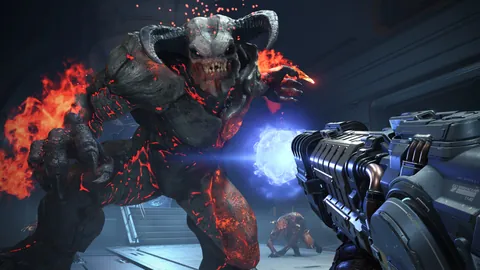
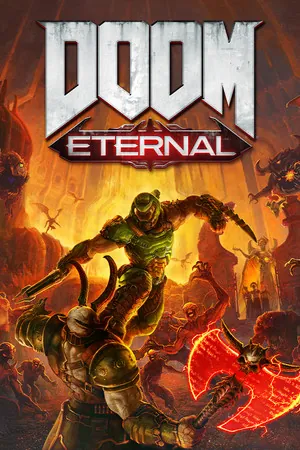
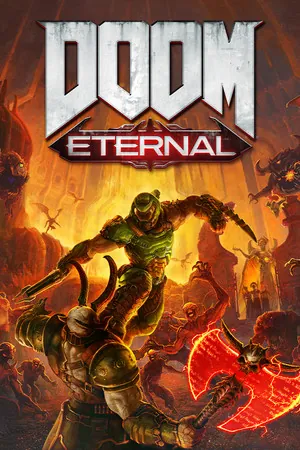
Doom Eternal takes the concept of its 2016 predecessor to an even more extreme, faster, and mechanically more complex place, turning the player into a literal mobile fortress constantly juggling health, ammo, and armor across three interlinked resources. The chainsaw now requires fuel and becomes the key tool for replenishing ammo, the flamethrower mounted on the Doomguy's back generates armor when hitting burning enemies, and Glory Kill finishers remain the main source of health, forcing constant aggressive movement around the arena instead of waiting things out.
Combat is also built around knowledge of specific weak points—many tougher demons can be quickly neutralized by shooting off a particular body part or piece of equipment, turning a fight into a kind of rapid-fire puzzle solved at full speed. The level design opens up to platforming elements for the first time in the series: double jump, dash, and wall-climbing extend the battlefield into the vertical plane, which the player must actively use to keep distance from attacking demons. Between arenas, the game varies the pace with secret rooms, challenges, and collectibles hidden behind dexterity sequences.
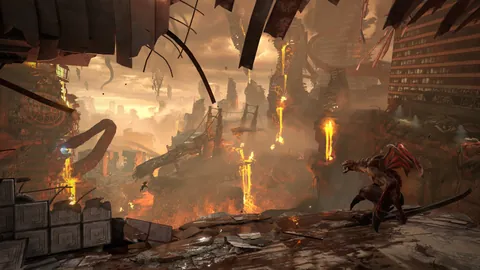
The story, previously an afterthought, this time takes on a surprisingly elaborate mythological scope with its own deep lore, cutscenes, and an extensive database of entries detailing the history of the hellish invasion and the Doom Slayer's own role as a legendary figure. Visually, the game shifted away from gray sci-fi toward more colorful, almost comic-book environments ranging from flooded cities to heavenly fortresses. Mick Gordon's soundtrack once again defined the series' aggressive sound, though its release was accompanied by a public dispute with id Software. The game's difficulty ranks among the toughest in the modern shooter genre, which the hardcore fanbase appreciated even as it mildly discouraged casual players used to the previous game's gentler approach.
Game 29 of 204 for Xbox One