Franchises
Doom
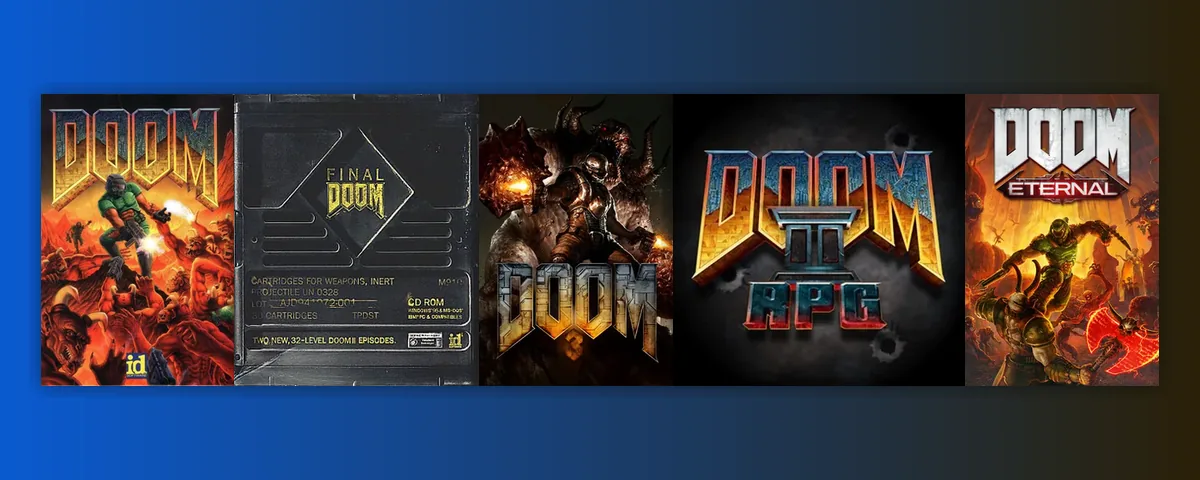
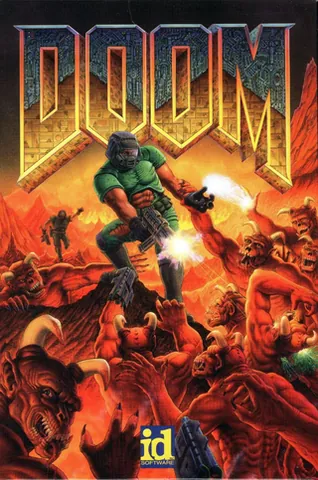
Doom launched in 1993 from id Software and quickly became synonymous with the first-person shooter. Playing a space marine, you fight through Mars bases and Hell itself against hordes of demons, with the game built around fast movement, brutal weapons, and a dark, claustrophobic atmosphere of corridors and labs full of traps and hidden rooms. Beyond a graphics engine that was among the most advanced of its time, the game became famous for its networked multiplayer - deathmatch for several players was one of the first widely shared experiences of its kind and shaped how networked shooters would later be thought about. It spread through the shareware model, giving away the first episode for free, and became one of the main drivers behind the genre's explosion on PC DOS.
Doom II: Hell on Earth followed just a year later, moving the fight from enclosed bases to more open levels set on Earth and adding new, tougher enemies along with new weapons including a double-barreled shotgun. Master Levels and Final Doom followed as add-ons built from levels by outside contributors and fans. The series also spread to consoles very unevenly - the Atari Jaguar received one of the first home versions with solid performance, while the Super Nintendo port had to noticeably cut speed and visuals due to hardware limits. Ports to the 32X, PlayStation, and Game Boy Advance followed, each with a different degree of compromise compared to the PC original. A special case is Doom 64 for the Nintendo 64, a separately developed entry with a darker, slower atmosphere, reworked levels, and its own story that diverged sharply from the PC games and still carries a reputation among fans as an underrated side branch.
After years of silence, 2004 brought Doom 3, which recast the series as survival horror powered by a new engine - emphasis shifted from raw pace to tension, darkness, and jump scares, often forcing players to use a flashlight instead of a weapon, one of the game's most debated design choices. It was followed by the Resurrection of Evil expansion, adding new weapons and enemies. The game later appeared in a combined BFG Edition with improved visuals, the ability to use the flashlight and a weapon at once, and an added bonus campaign. Despite the different approach, it proved the Doom name could work outside its original formula of speed and aggression.
The turning point came with the 2016 reboot, which brought the series back to the fast, aggressive pace of the early games, built around constant momentum, chainsaw kills for ammo, and flashy glory kills that rewarded aggressive play. The game also offered an editor for building and sharing custom levels. Bethesda has published the series since, while development stayed with id Software. The 2020 sequel Doom Eternal pushed the pace further, added platforming and climbing elements, expanded the story with the two-part Ancient Gods add-on, and introduced a competitive online mode called Battlemode. Both games later reached PS4 and PS5. Outside the main line, mobile spin-offs like Doom RPG and Doom II RPG for Java phones translated the series into turn-based form.
Doom is regarded as one of the founding games of the FPS genre - its engine and open WAD level format kicked off a huge modding community that has spent decades building custom levels, total conversions, and new game modes, shaping countless other titles and editors. The original Doom, Doom 3, and the 2016 reboot are often cited as the series' high points, each defining a different generation of players and a different take on pace and atmosphere, while Doom II and Eternal expanded and pushed further the principles the brand was built on.
Entries in the series (9)
-
-
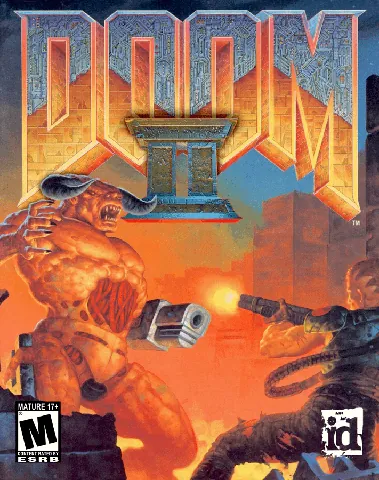
Doom II: Hell on Earth · 1994
-
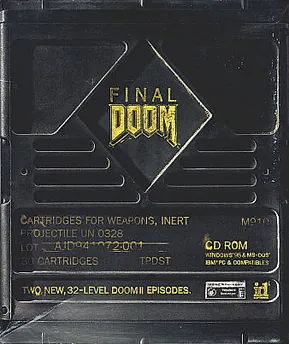
Final Doom · 1996
-
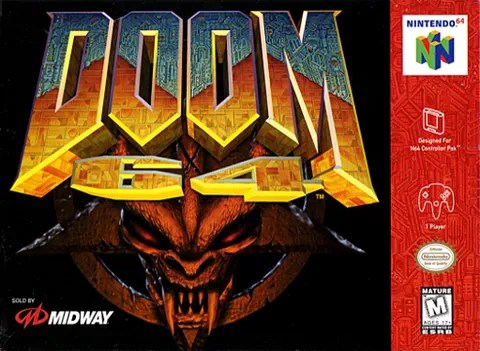
-
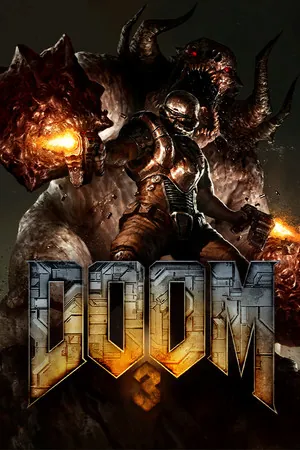
- Java ME
-
Doom II RPG · 2009
-
-