Game studio
id Software
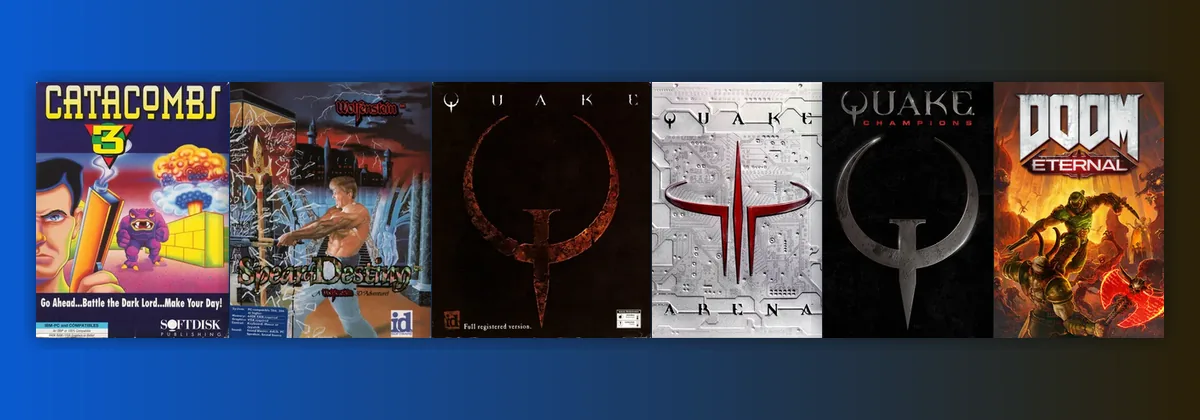
id Software is an American studio that gave birth to the first-person shooter genre and, for many years, determined the direction the action game would take. The name is tied to the trio of Wolfenstein 3D, Doom and Quake — games that progressively defined what an FPS even is, while also pushing the limits of what the hardware of the day could do. For retro players id Software is synonymous with the shareware revolution of the nineties, modem multiplayer, and technology engines that dozens of other companies licensed from the studio. Few studios have shaped the development of the entire games industry as fundamentally as this crew of programmers from Texas.
History
id Software was founded in the early nineties in Texas by a group of people who met while working at the software company Softdisk. After leaving, they founded their own studio, and its very first years showed where it was headed — the platformer series Commander Keen proved that the hardware limits of the PC could be circumvented with clever programming. The turning point was 1992 and Wolfenstein 3D, a game that popularized the first-person perspective and spread across the world through the shareware model.
A year later came Doom, a title that changed perceptions of violence and atmosphere in computer games and popularized both networked multiplayer and modding — players modified the engine and built their own levels before that was common practice. Doom II (1994) expanded the content and the fan base further. In 1996 Quake arrived, pushing the genre into full 3D graphics and introducing online multiplayer over the internet, which made it one of the pillars of the nascent esports scene. The sequels Quake II and Quake III Arena cemented the studio's reputation as a technology leader.
After the turn of the millennium the release pace slowed, but id Software remained an engine of technological innovation — Doom 3 (2004) showcased the power of a new engine built on dynamic lighting. In 2009 the studio was bought by ZeniMax Media, the parent company of Bethesda, and id became part of a larger publishing group. The reboot of the series in the form of Doom (2016) and its sequel Doom Eternal (2020) showed that, even decades later, the studio could still define what fast, brutal action should look like. Along with the rest of ZeniMax, id Software became part of Microsoft in 2021.
Key people
The founding foursome consisted of programmer John Carmack, level designer and game visionary John Romero, artist Adrian Carmack and designer Tom Hall. John Carmack is considered one of the most influential programmers in the history of games — his technical solutions for Wolfenstein, Doom and Quake pushed the limits of what computers of the time could do, and he later moved on to research in virtual reality. John Romero was the studio's public face and the driving force behind the game design of its early titles, though he left the studio in the mid-nineties. Adrian Carmack was responsible for the dark visual style of the classic games.
Today
id Software today operates as an internal studio under Bethesda, and thus within Microsoft, focusing primarily on the Doom series. After the successful 2016 reboot and the sequel Doom Eternal, the studio continues to develop the brand with further entries and expansions, while maintaining its reputation as one of the most technologically advanced developers of action games. Although the founding generation has long since left the studio, the legacy of Wolfenstein, Doom and Quake remains alive — not only through modern sequels, but also through an active community that still creates its own levels and mods for the original titles.
Games by the studio (29)
-
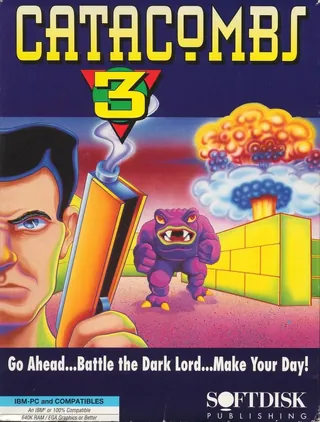
Catacomb 3-D · 1991
-

Spear of Destiny · 1992
-
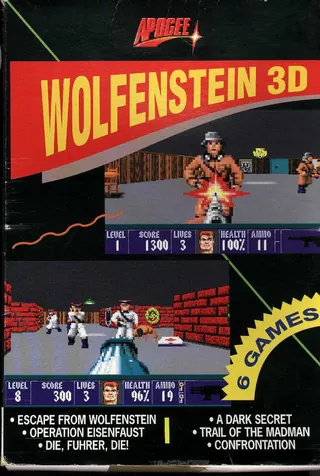
Wolfenstein 3D · 1992
-

-
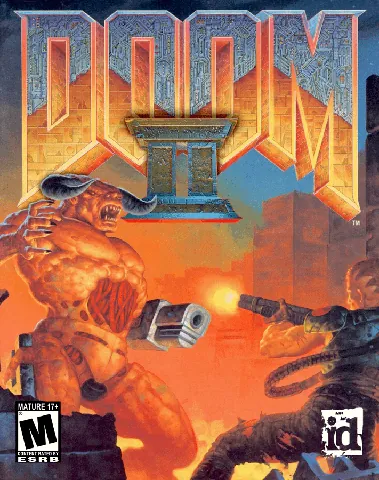
Doom II: Hell on Earth · 1994
-

-

-

Quake III Arena · 1999
-

-

Quake Live · 2010
-

-

Quake Champions · 2017
-