Game studio
Nintendo R&D1
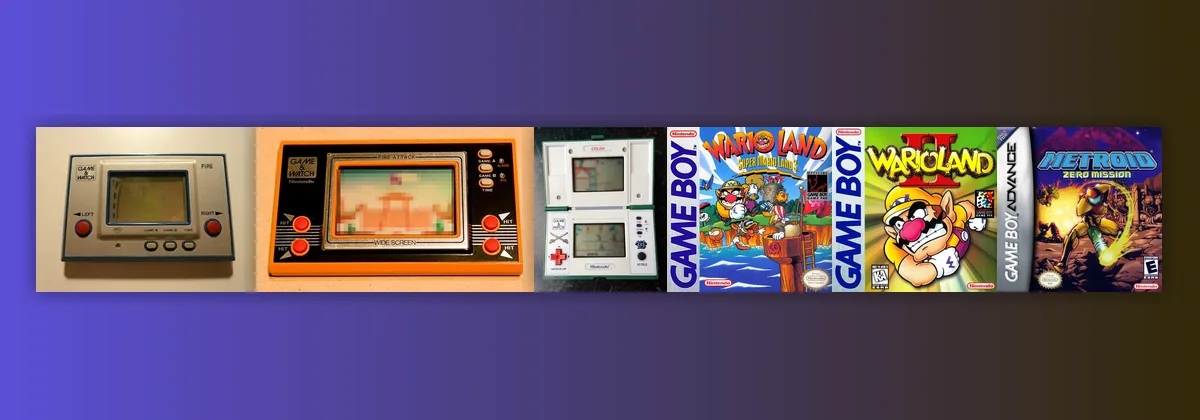
Say Nintendo R&D1 and the eyes of classic fans light up. This internal development division was Nintendo's oldest game studio and was present at the birth of some of the most influential brands in the history of the medium. It was here that Metroid was born, it was here that the Game Boy took shape, and it was here that the crazy universe of Wario later came into being. R&D1 was a place where technical ingenuity met the courage to go against the current, and retro players love it for repeatedly managing to redefine what could be experienced on a game console.
History
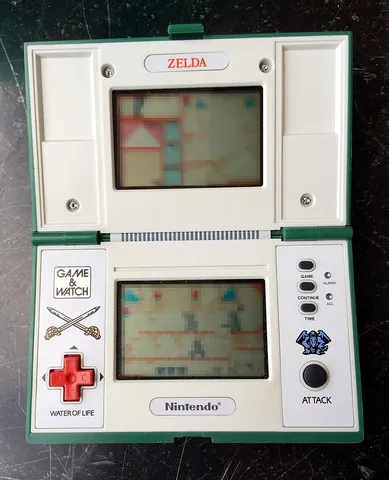
The team's roots reach back to 1970, when the young engineer Gunpei Yokoi joined Nintendo and soon began leading the department that would grow into the Research & Development 1 division. Even before the era of video games, Yokoi made a name with toys and pocket electronics — above all the legendary Game & Watch line, which from 1980 taught the world to play anywhere and foreshadowed the whole philosophy of portable gaming.
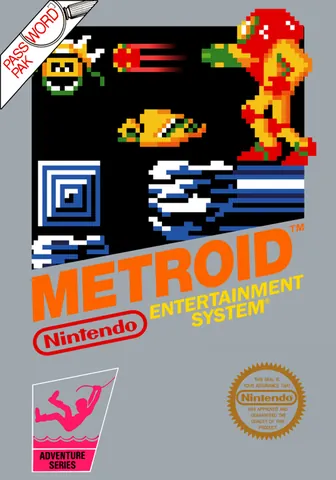
In the eighties, R&D1 threw itself fully into video games. In 1986 came the title Metroid for the Famicom Disk System, a dark and lonely sci-fi expedition that introduced non-linear exploration of an interconnected world and became the foundation of the whole genre we now call metroidvania. Shortly before, in 1986, Kid Icarus was also released, a fantastical platformer about the little angel Pit that shared part of its technology with Metroid and earned its own cult status.
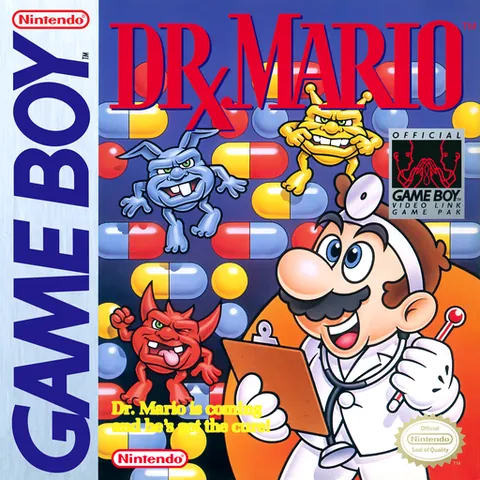
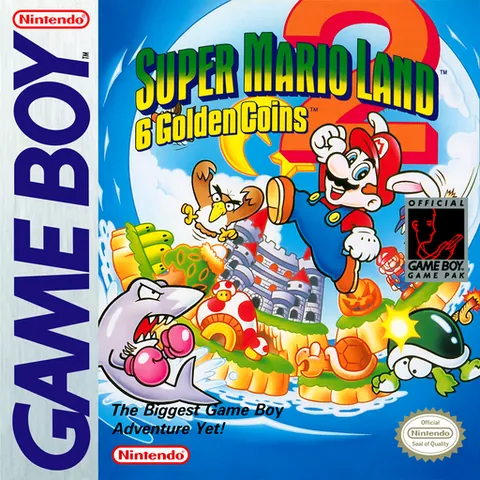
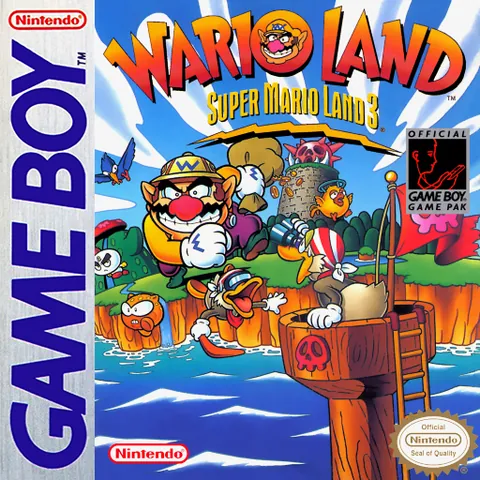
The true peak of Yokoi's career, however, became the Game Boy of 1989. Yokoi's principle of "lateral thinking with withered technology" — using cheap, proven, and economical components in a clever way — gave rise to a handheld console that, despite its black-and-white display, steamrolled its technically more advanced competition. R&D1 then stocked the handheld library with gems: the catchy Dr. Mario, the adventure Super Mario Land 2: 6 Golden Coins, and especially the title Wario Land: Super Mario Land 3 from 1994, which for the first time cast the greedy antihero Wario in the lead role. Samus also arrived on the handheld console in 1991 in the form of Metroid II: Return of Samus.
Key Figures
The heart of the studio was without a doubt Gunpei Yokoi — inventor, designer, and mentor whose influence on the shape of Nintendo is hard to overstate. He raised a number of talents and imprinted on the team its characteristic combination of inventiveness and modesty of means.
Under his wing grew Yoshio Sakamoto, a director and writer who became the longtime face of the Metroid series and later of the WarioWare brand as well. It was Sakamoto who guided Samus through her further adventures and gave the stories of the bounty hunter their distinctive, often oppressive tone.
The graphics and gameplay side of the early games was contributed to by Hiroji Kiyotake, co-author of the design of Samus Aran and the character of Wario. The musical accompaniment to Metroid, which to this day ranks among the most atmospheric in gaming history, was composed by Hirokazu Tanaka — a composer whose electronic sound worlds gave the series its unmistakable identity.
Transformations and Transfers
The fate of R&D1 is inseparably tied to the fate of its founder. After the commercial failure of the Virtual Boy console in 1995, Gunpei Yokoi left Nintendo in 1996 and founded his own company, Koto. He died tragically in a traffic accident in 1997, which was an enormous loss for the entire gaming industry.
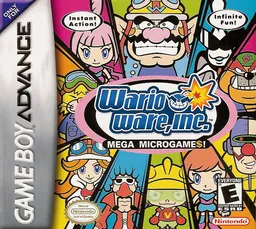
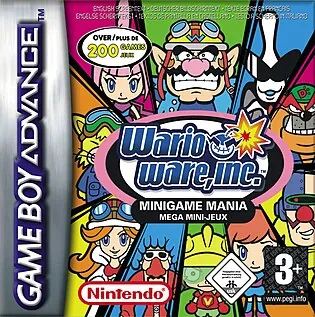
The studio, however, carried on, and in the following years it was above all Sakamoto's team that upheld its legacy. At the turn of the millennium came further jewels: Wario Land 3 for the Game Boy Color (2000) and then, on the Game Boy Advance, the fresh trio of Wario Land 4 (2001), Metroid Fusion, and the remake Metroid: Zero Mission. In 2003, the crazy WarioWare, Inc.: Mega Microgame$! sprang from the R&D1 workshop, kicking off a whole sub-brand of micro-games.
In 2003, Nintendo underwent an internal reorganization of its development departments. R&D1 merged with other teams into the newly created division Nintendo Software Planning & Development (SPD). With that, the independent "R&D1" brand formally ended, but the people and brands it had raised remained loyal to Nintendo.
The Present
As a named division, Nintendo R&D1 no longer exists today — after the 2003 reorganization and the later merging of internal teams, its legacy dissolved into the structures Nintendo knows today (unified since 2015 under Nintendo Entertainment Planning & Development, EPD). But the spirit of the studio lives on. Yoshio Sakamoto still works at Nintendo and oversaw the modern-day returns of Samus, including the acclaimed Metroid Dread of 2021. The brands that R&D1 built — Metroid, Wario, and WarioWare — remain pillars of Nintendo even in 2026. And so, even though the name on the door has vanished, every time you switch on an old Game Boy or Samus once again ventures into a planet's depths, a piece of the genius that this legendary division brought into the world of games resounds within it.
Games by the studio (31)
-
-
-
-
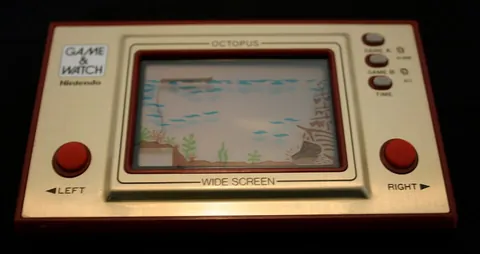
-
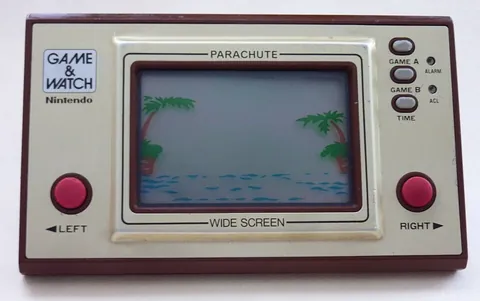
-
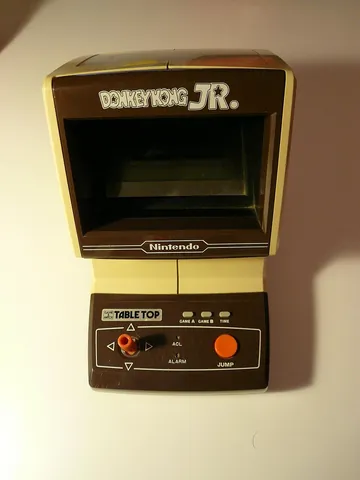
Donkey Kong Jr. (G&W) · 1982
-
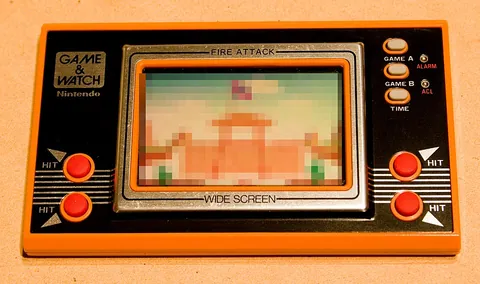
Fire Attack · 1982
-
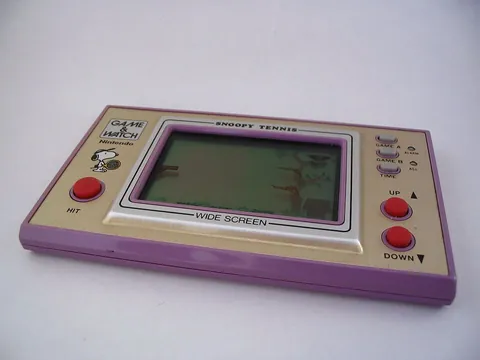
Snoopy Tennis · 1982
-
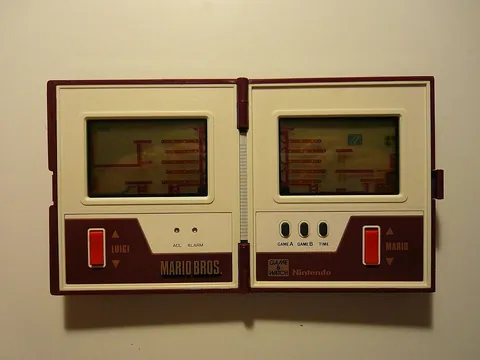
Mario Bros. (G&W) · 1983
-
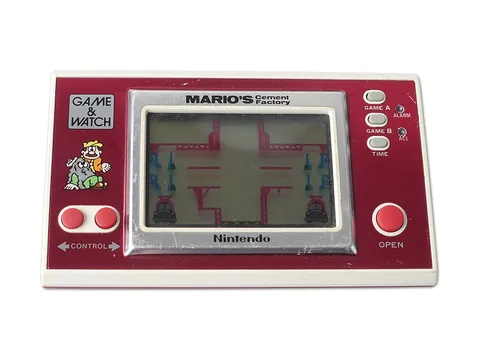
Mario's Cement Factory · 1983
-
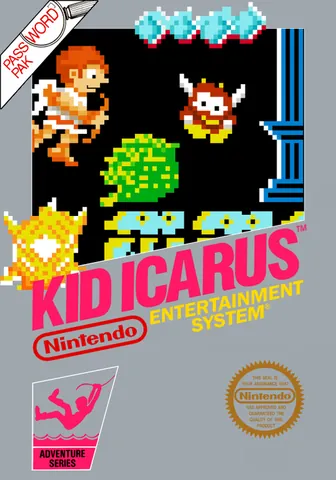
Kid Icarus · 1986
-
-
Zelda (G&W) · 1989
-
-
-
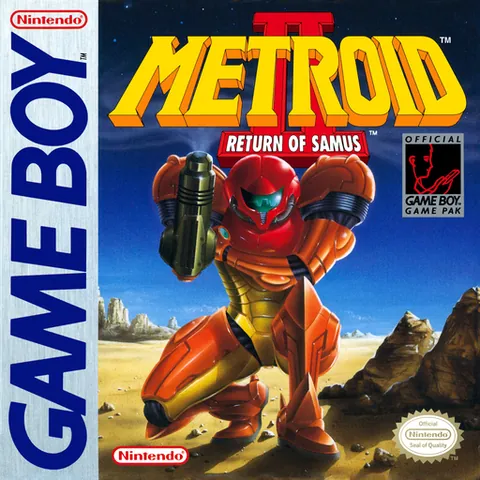
Metroid II: Return of Samus · 1991
-
-
-
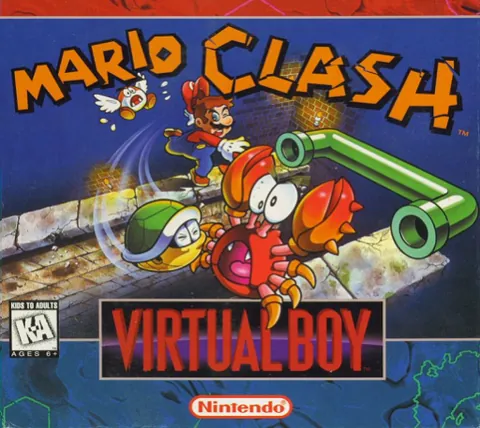
Mario Clash · 1995
-
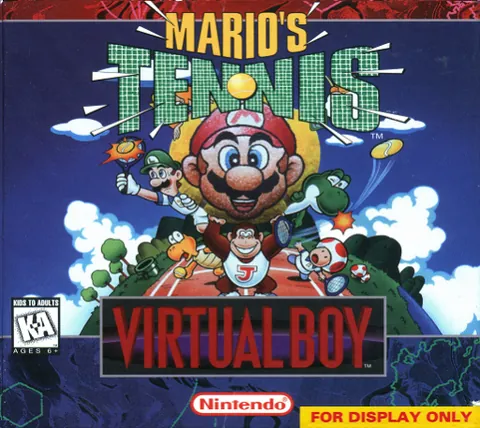
Mario's Tennis · 1995
-
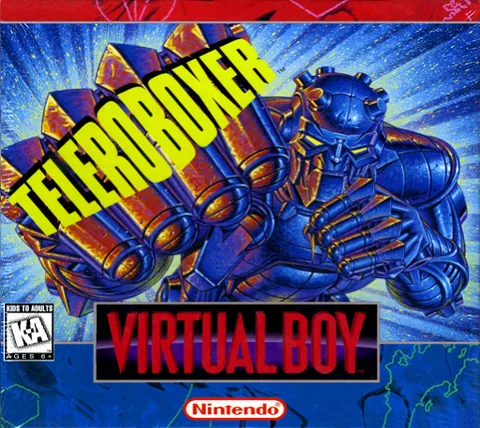
Teleroboxer · 1995
-
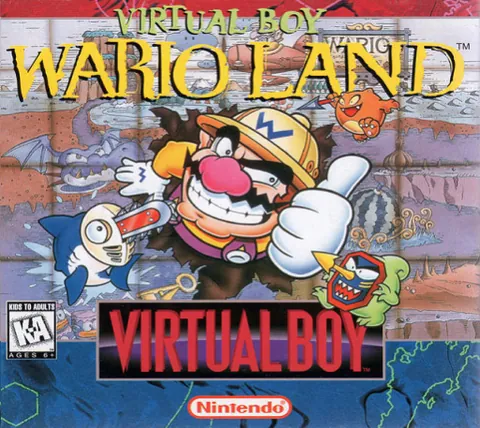
Virtual Boy Wario Land · 1995
-
Mole Mania · 1996
-
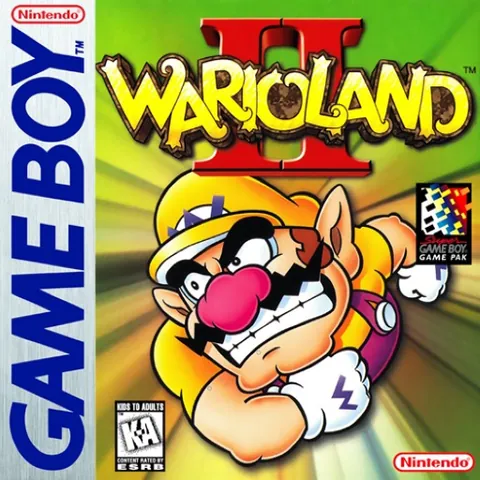
Wario Land II · 1998
-
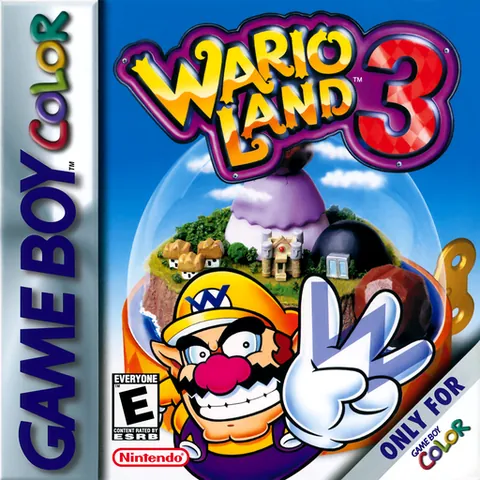
Wario Land 3 · 2000
-
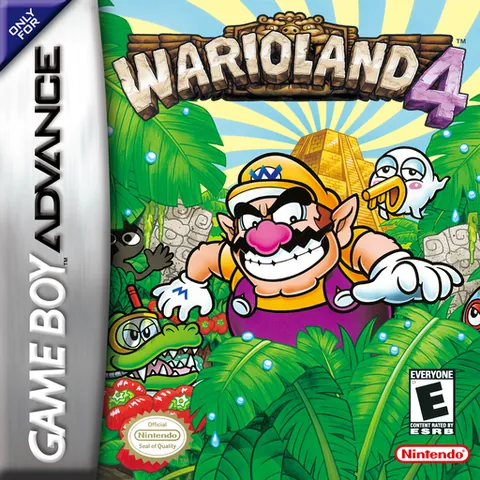
Wario Land 4 · 2001
-
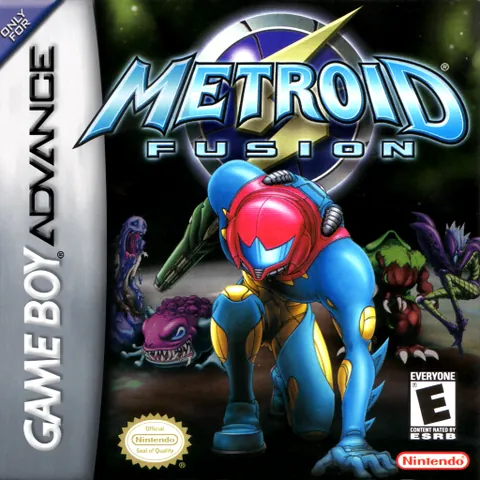
Metroid Fusion · 2002
-
-
-
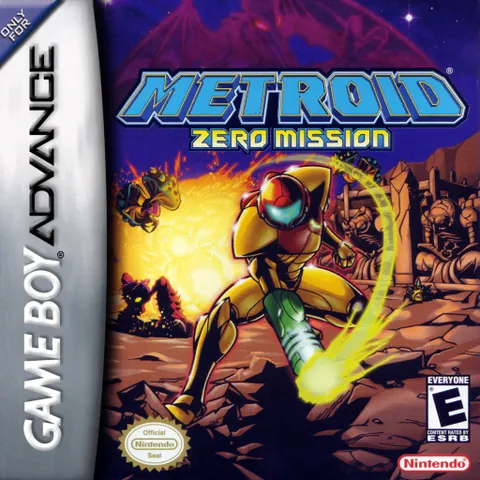
Metroid: Zero Mission · 2004