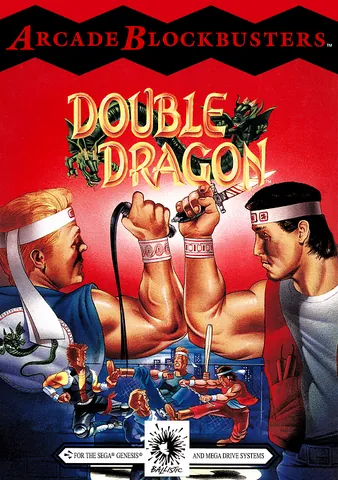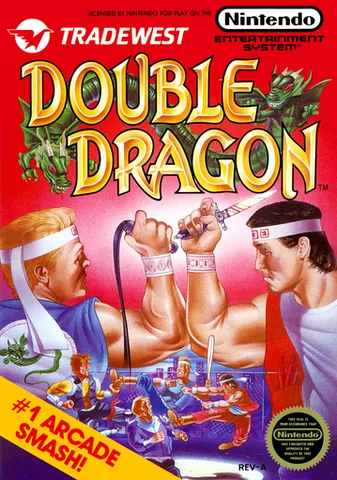
Double Dragon
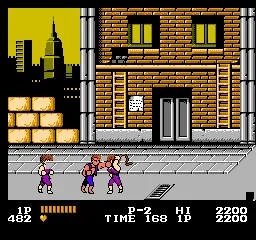
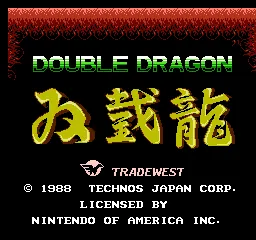
The Black Warriors gang has kidnapped Marian, and only two brothers, kung-fu masters, can fight their way through the city streets to get her back. Double Dragon on the NES brings the legendary beat 'em up from Technos Japan to the eight-bit console and became one of the defining titles of the street-brawler genre.
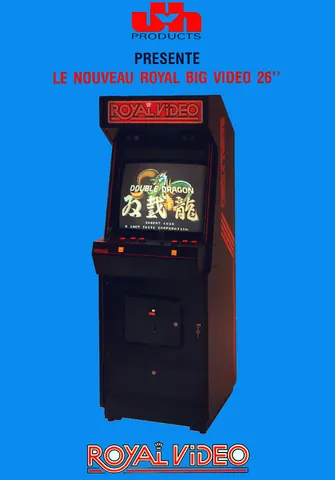
The 1987 original rewrote the rules of arcade brawlers. It brought a rich repertoire of punches, kicks, throws and grapples, plus the ability to pick up weapons like a whip, a barrel, a knife or a rock and turn them against enemies. You advanced through levels full of ever-tougher opponents to the bosses at the end of each chapter. This formula laid the groundwork for later classics such as Final Fight and Streets of Rage.
The NES version earned a peculiar reputation. Because of the console's technical limitations, the game had to sacrifice the classic arcade-style co-op in which two players go through the story together. Instead, the NES port offered a solo campaign complemented by a separate competitive two-player mode and by an experience system where defeating enemies unlocks new punches and techniques. That gave the version its own distinctive identity.
Double Dragon became one of the most significant gaming brands of the eighties and grew into several sequels, an animated series and a live-action film. Its name became synonymous with arcade brawling and inspired an endless line of imitators. For many players it was the very first game in which they grasped the appeal of progressing through levels and dispatching enemies arriving in waves.
Today the NES version is interesting precisely for its differences from the arcade original. It is a distinctive take on the classic that is worth getting to know, whether you are a fan of the series or discovering the roots of the whole genre.
Why play it: The founder of the street-brawler genre in a distinctive eight-bit form with its own progression system and a competitive two-player mode.
Game 47 of 120 for Nintendo NES
The same title elsewhere (9)
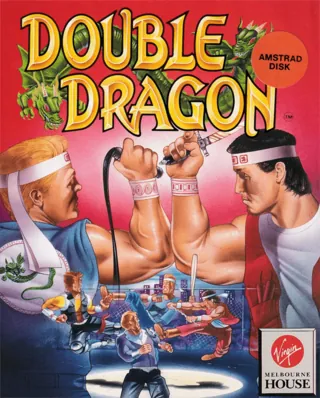
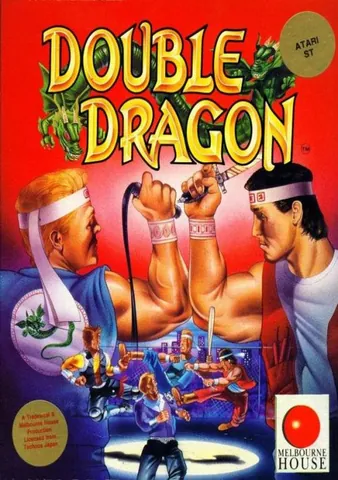
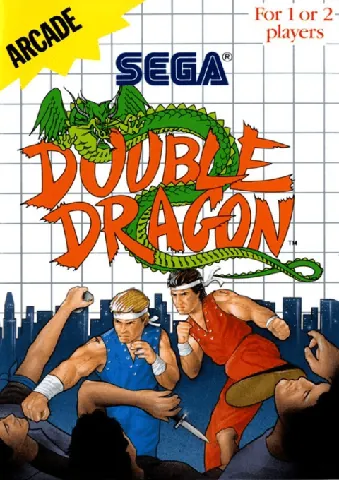
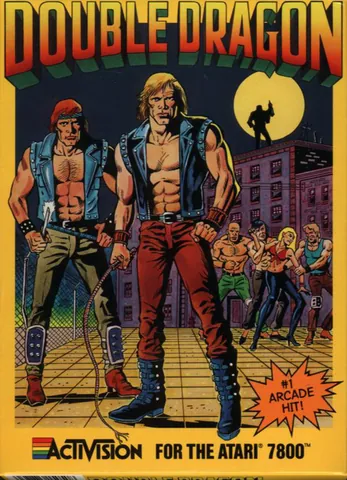
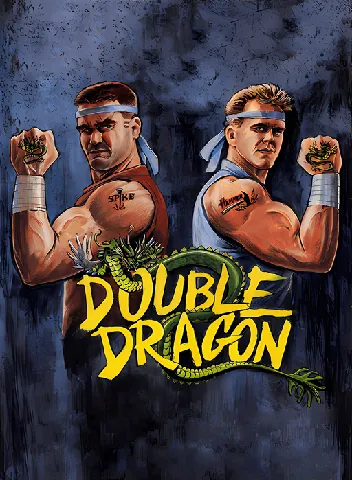
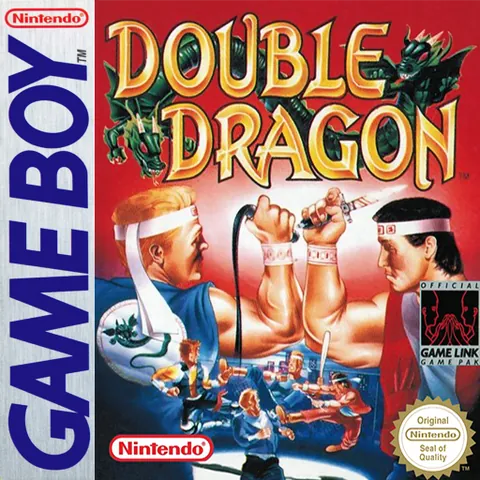
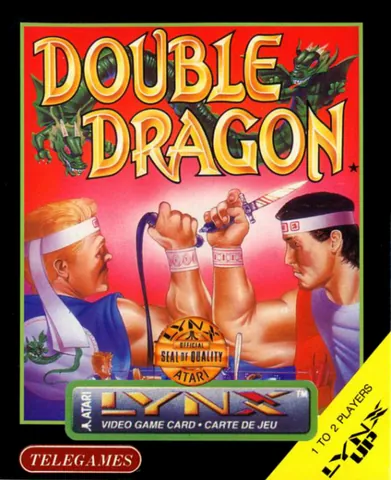
The differences between Double Dragon versions are among the most striking in the genre's early history. The NES version couldn't offer simultaneous two-player action like the arcade due to hardware limits — fights run in alternating turns or a duel mode — but developers compensated with an experience system and new moves, which many players still consider more enjoyable than the arcade. Versions for 8-bit computers like Commodore 64, ZX Spectrum, and Amstrad CPC drew sharp criticism for clunky controls, slow animation, and imprecise hits. Atari Lynx delivered a portable version many rank among the console's best action titles thanks to fluid movement and good sound. SEGA Master System and Mega Drive offered more colorful graphics closer to the arcade spirit, including two-player co-op.