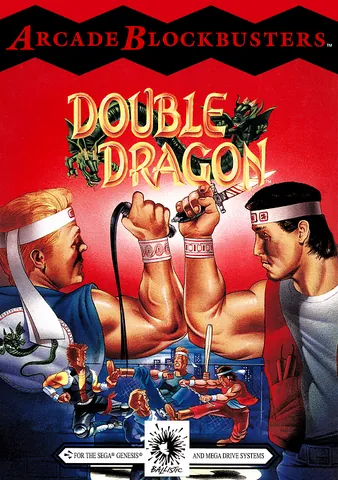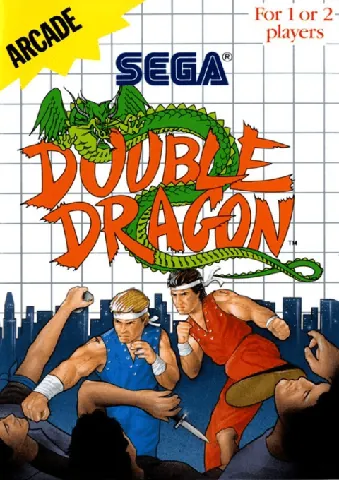
Double Dragon
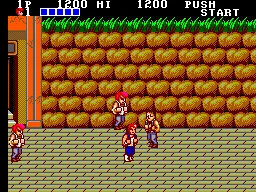
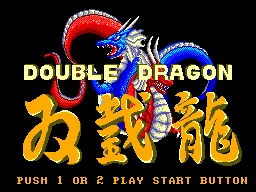
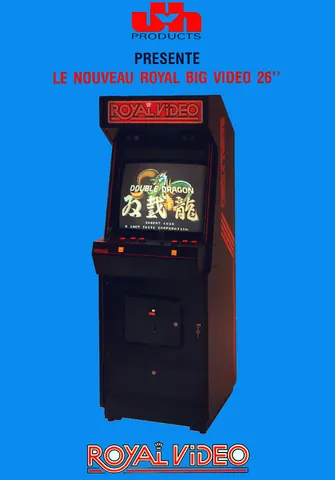
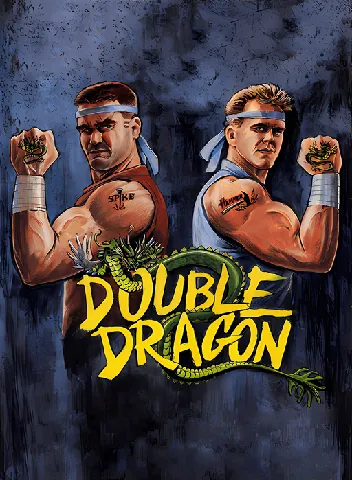
Your girlfriend has been kidnapped by a street gang and you set out to rescue her with fists, kicks and anything you find on the street. Double Dragon by Technos Japan, an arcade smash from 1987, is a work that practically defined the beat 'em up genre and inspired every brawler that came after it.
In the game you control the brothers Billy and Jimmy Lee, martial-arts masters who fight their way through city streets full of thugs. The core of the fun is the variety of strikes — combinations of punches, throws, elbow blows and the ability to grab an opponent's weapon, whether a bat, a whip or a knife. That gave the fights a depth previous games of the genre lacked.
The real revolution, though, was two-player co-op. Walking the streets side by side with a friend, coordinating attacks and clearing the screen together became a formula adopted by dozens of followers from Final Fight to Streets of Rage. Double Dragon laid the cornerstone of an entire era.
The SEGA Master System version is one of many home conversions meant to bring the arcade hit to televisions. The console ports differed in scope and in how much of the two-player mode they preserved, but they tried to deliver the essentials — raw street action and the feeling of fighting through a city full of danger.
Culturally, Double Dragon became a brand that reached beyond games. Sequels, an animated series and a feature film emerged, and the Lee brothers joined the recognisable gaming icons of the late eighties. Its legacy lives on in every modern brawler.
Why play it: To play the founder of an entire genre and experience the roots of the cooperative street action that decades of beat 'em up games stand on.
Game 25 of 67 for SEGA Master System
The same title elsewhere (9)
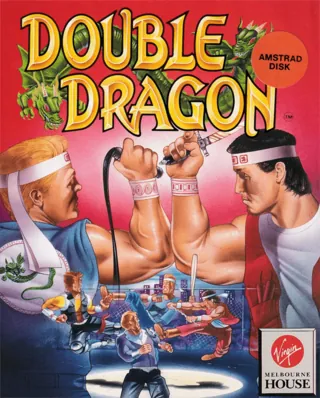
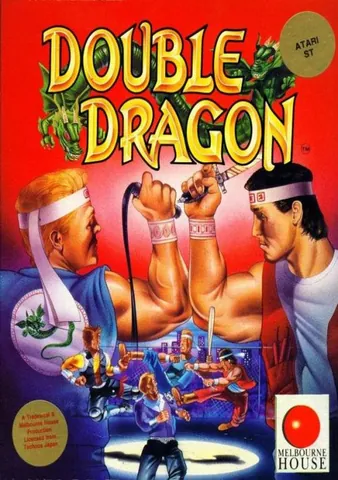
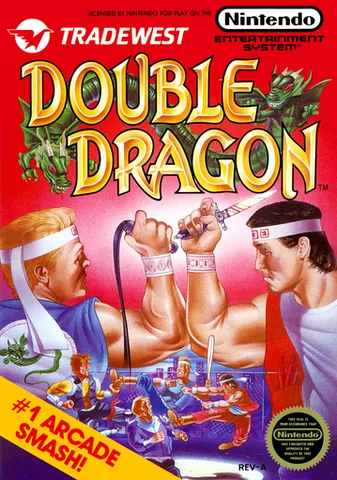
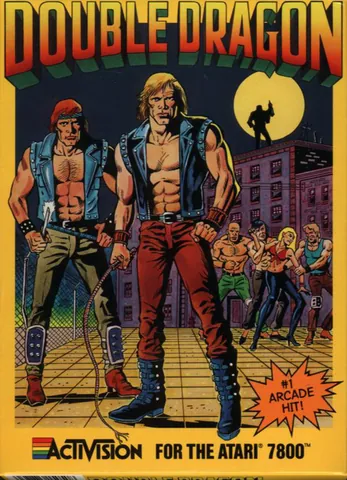
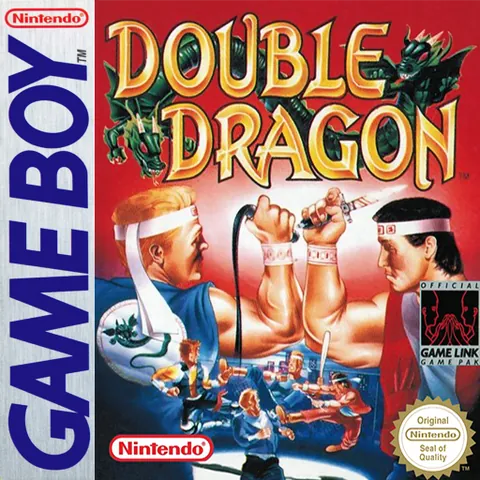
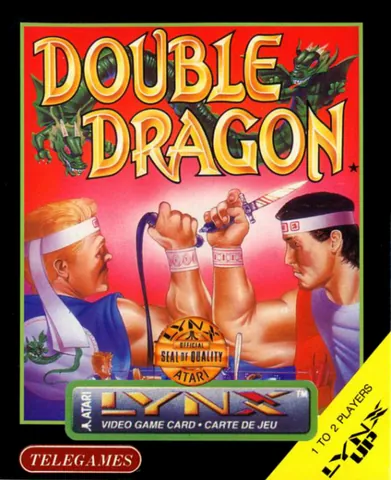
The differences between Double Dragon versions are among the most striking in the genre's early history. The NES version couldn't offer simultaneous two-player action like the arcade due to hardware limits — fights run in alternating turns or a duel mode — but developers compensated with an experience system and new moves, which many players still consider more enjoyable than the arcade. Versions for 8-bit computers like Commodore 64, ZX Spectrum, and Amstrad CPC drew sharp criticism for clunky controls, slow animation, and imprecise hits. Atari Lynx delivered a portable version many rank among the console's best action titles thanks to fluid movement and good sound. SEGA Master System and Mega Drive offered more colorful graphics closer to the arcade spirit, including two-player co-op.