Shadow of the Beast
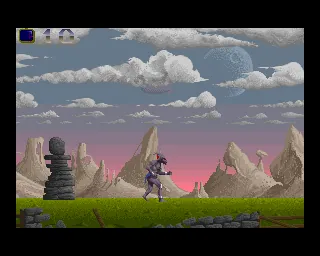
There are games that are played, and games that are shown off. Shadow of the Beast from 1989 belongs to the latter group: when you first launched it on the Amiga, it was not so much about what you were doing as about what you were looking at and hearing. It was a stunning showcase of what the sixteen-bit machine of the day was capable of.
The game's most famous trick is its multi-layer parallax scrolling. The background unfolds into many planes that move at different speeds and create an impression of depth that no one had seen on home computers before. Added to this is the hypnotic, atmospheric music of David Whittaker, which to this day ranks among the most quoted work ever to come out of the Amiga. The audiovisual side was simply on a different level than the competition.
In gameplay terms it is an action platformer in which you travel through a bizarre, dreamlike world as a half-transformed hero and fight through hordes of enemies. And this is where the second side of the legend comes in: the game is notorious for its toughness and mercilessness. The battles are demanding, survival is short, and progress forward requires memorising and hard patience. Many players never reached the ending.
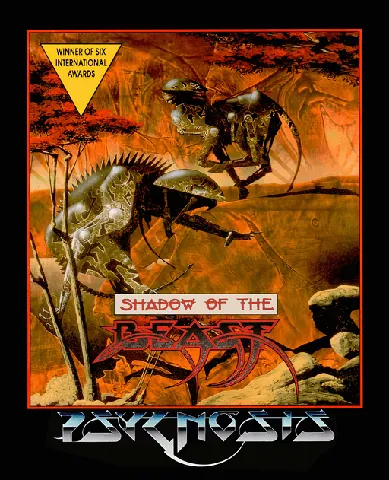
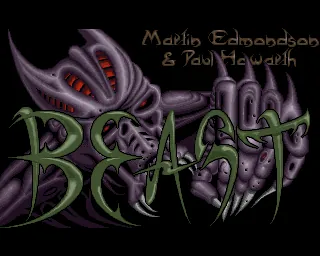
The studio Reflections, led by Martin Edmondson, created a title that was published by Liverpool's Psygnosis, famous for its lavish game covers. Shadow of the Beast became one of the brand's flagship titles and later saw sequels and a range of ports to other platforms, though not always in full Amiga glory.
Today the game is remembered above all as a technical demonstration and a symbol of an era. It is a work that showed how far computer graphics and sound could go, even at the cost of the game experience itself remaining frustrating. Even so, it earned a permanent place in the history of the Amiga.
Why play: For the unforgettable atmosphere, the legendary parallax and the music you will remember for a lifetime, even if the game may never let you go any further.
Game 4 of 121 for Commodore Amiga
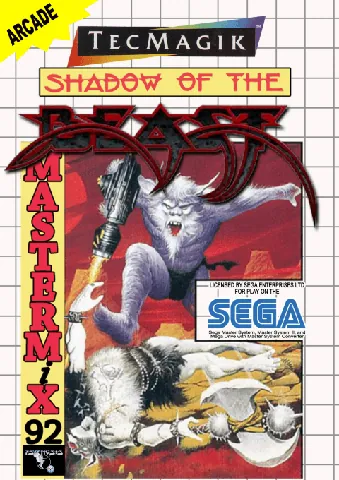
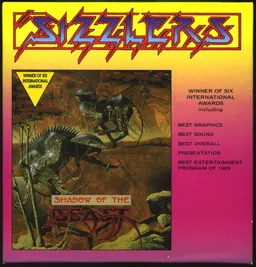
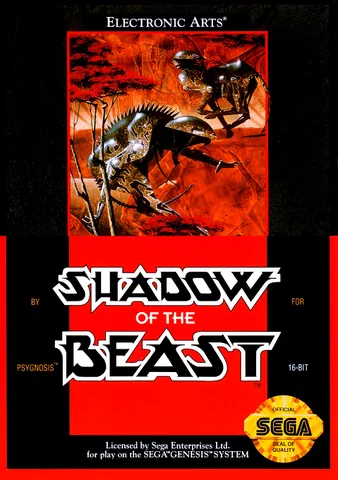
The same title elsewhere (3)
On the Amiga in 1989 the game showed what it could do – smooth multi-layer parallax backgrounds, dozens of colours on screen and David Whittaker's atmospheric soundtrack turned it into a technical showcase, even though gameplay stayed stiff and unforgivingly hard. The Atari ST followed the same concept but its weaker graphics chip meant fewer scrolling layers and rougher colour transitions, leaving the atmosphere flatter. The 8-bit SEGA Master System had to cut the most – palette and background resolution shrank considerably and the parallax was simplified, yet it remained an impressive feat for its time. The SEGA Mega Drive version tried to approach the Amiga original using hardware layers but never quite reached its visual depth. The Amiga remains the best way to experience it today.