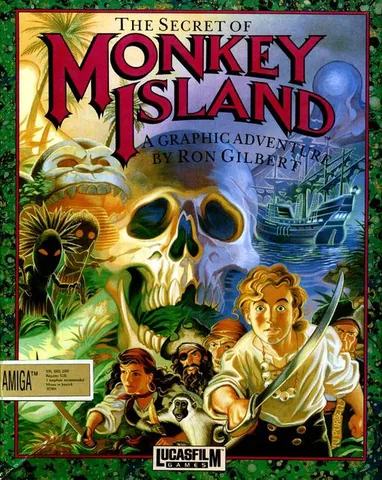
The Secret of Monkey Island
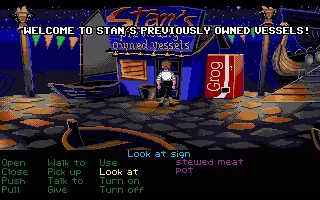
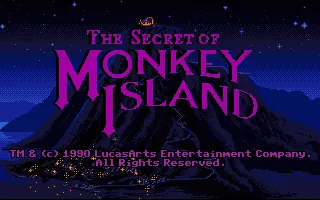
I always wanted to be a pirate. With this sentence begins the adventure of Guybrush Threepwood and one of the best adventure games ever made. The Secret of Monkey Island is a point-and-click gem from the studio LucasArts that shone on the Amiga with its humour, charm and cleverness.
The game takes you into a bizarre, funny world of Caribbean pirates, where the clumsy young man Guybrush tries to become a real sea dog. Gradually you must pass three trials, win the heart of governor Elaine and stand up to the evil ghost pirate LeChuck. The storytelling is brisk, full of puns and parody of the genre.
The gameplay is built on clicking the mouse: you combine verbs like take, use or talk with objects and characters and solve logic puzzles. Monkey Island became famous because, unlike many adventures of the time, you cannot die in the game or get stuck in an unsolvable state, which makes it a pleasantly welcoming experience. Absolutely cult is the insult sword fight, where it is not the sword but the sharp tongue that wins.
Behind the game stands Ron Gilbert together with Tim Schafer and Dave Grossman, and the whole series used the famous SCUMM engine. LucasArts defined the golden era of graphic adventures with this style, and Monkey Island became one of its most beloved brands.
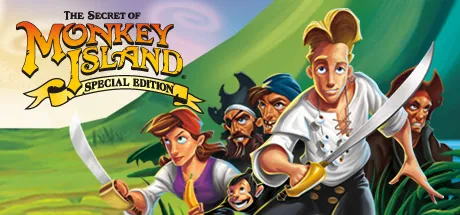
The series continued with a number of sequels and, after decades, also received remastered editions with new graphics and voice acting. Even so, the original game holds its position as one of the peaks of the genre and a benchmark of game humour.
Why play: A funny, clever and ageless adventure with unforgettable characters and an insult sword fight; a must for every lover of point-and-click.
Game 10 of 121 for Commodore Amiga
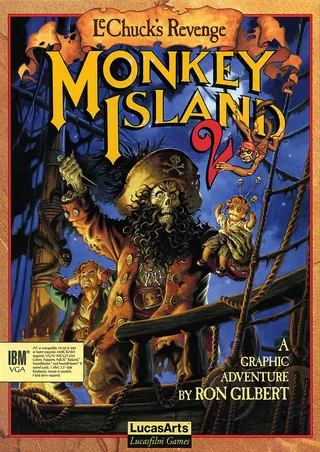
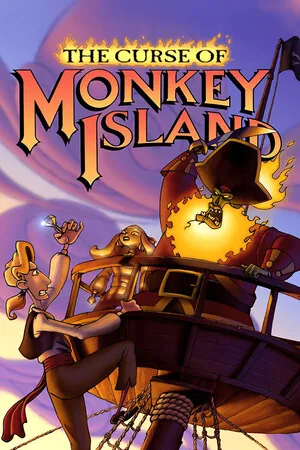
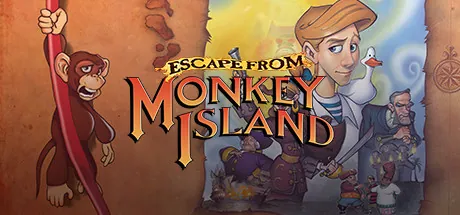
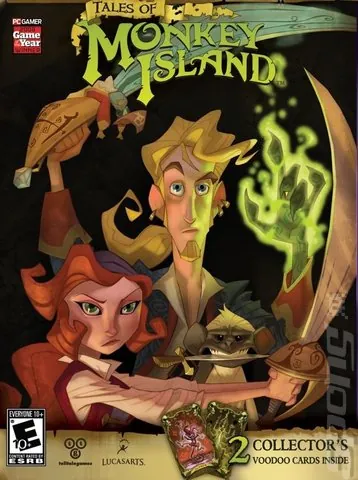
The same title elsewhere (4)
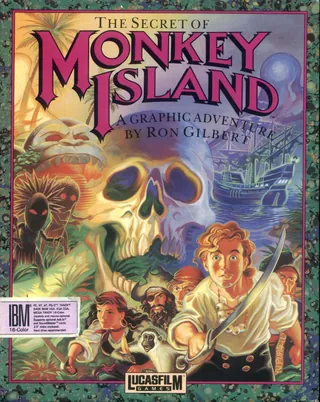
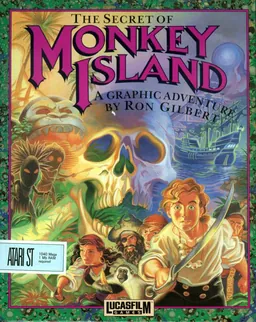
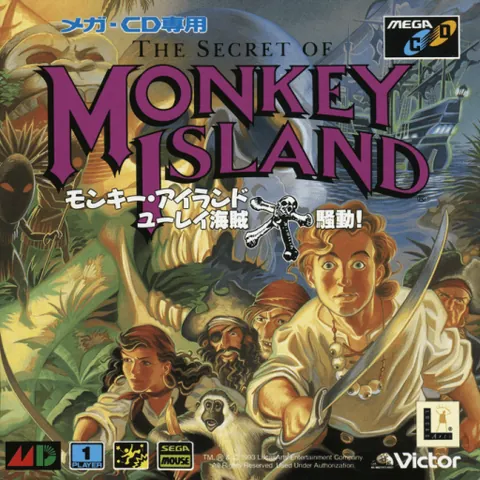
On the Amiga the game shone thanks to a rich colour palette and four-channel tracker music, giving it an atmosphere many fans still consider the best-balanced of all versions. The PC/DOS release depended heavily on the player's hardware: originally simple 16-colour EGA graphics with sound through the PC speaker or an AdLib card, while a later VGA release brought richer colours closer to the Amiga. The SEGA Mega-CD version used the CD medium to add a full orchestral soundtrack in CD-quality audio, which many players regard as the best musical rendition of any version — but mouse control had to give way to a gamepad, making the adventure noticeably less precise and slower to play.