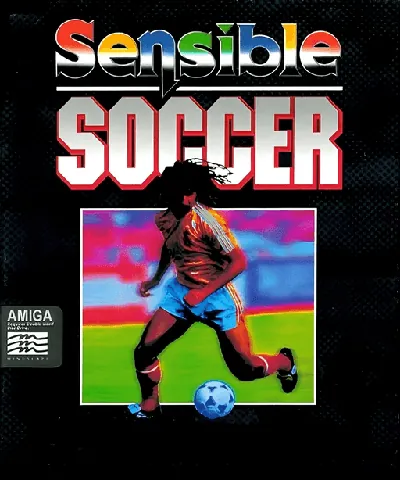
Sensible Soccer
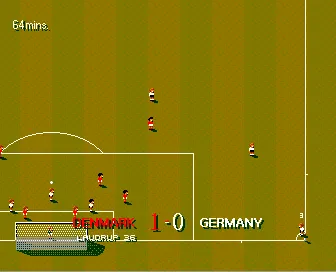
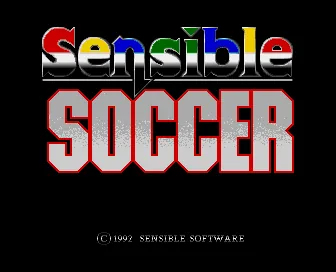
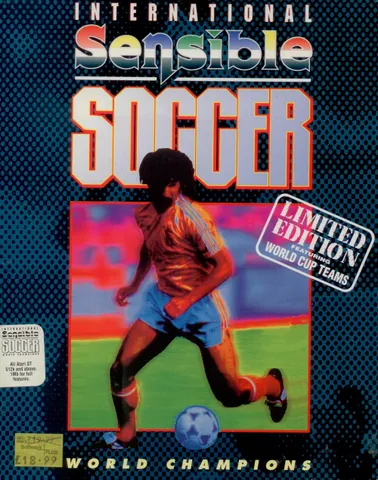
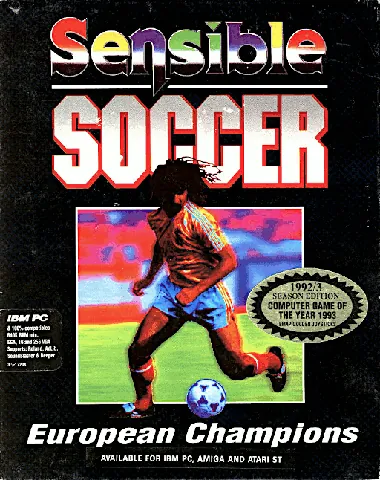
Before the realism of modern football simulations arrived, another king ruled the pitch: Sensible Soccer. This arcade football from 1992 deployed a bird's-eye view, tiny running players and, above all, such clean and immediate fun that it became the definitive form of the game of its era.
At first glance the game looks almost modest: tiny figures, a simple pitch, no grand graphics. But beneath that lies surprisingly deep control. The key is working with swerve, where after playing the ball you can, with a small movement, curve its trajectory and send brilliant crosses and uncatchable shots to the post. The controls are easy to grasp but take years to master.
The result is an incredibly fast, smooth and addictive game that excels above all in multiplayer. Matches against a friend were as fast as lightning and stirred the same passion as real football. It was precisely this immediacy that set Sensible Soccer apart from the competition.
And the competition was fierce. For the throne of the best football game on the Amiga, Sensible Soccer waged a bitter duel with the equally famous Kick Off. Players split into two camps, and debates about which title was better were part of the folklore of the community at the time. Behind the game stood the studio Sensible Software, masters of minimalist design and catchy gameplay.
Sensible Soccer gradually received a range of updated versions and sequels, and to this day it is remembered as one of the peaks of arcade sport. It is proof that fun does not need photorealistic lawns; a perfectly tuned game feel is enough.
Why play: Lightning-fast arcade football with a legendary ball swerve and great multiplayer; a classic that beats many a modern title on pure fun.
Game 8 of 121 for Commodore Amiga
The same title elsewhere (3)
Sensible Soccer was designed first and foremost for the Commodore Amiga, and that 1992 version is generally regarded as definitive — fast, precise control, smooth movement of dozens of tiny players across the pitch, and punchy sound made full use of the Amiga's strengths. The PC/DOS port arrived a year later and brought the game to a wider audience, but performance depended heavily on the specific PC and sound card — on weaker machines it could lose some of the Amiga's smoothness, and joystick or gamepad control wasn't always as natural as on the Amiga. The core game with its simple, easily transferable graphics stayed the same; it's just the Amiga version that's generally seen as the game at its best.