Game studio
LucasArts
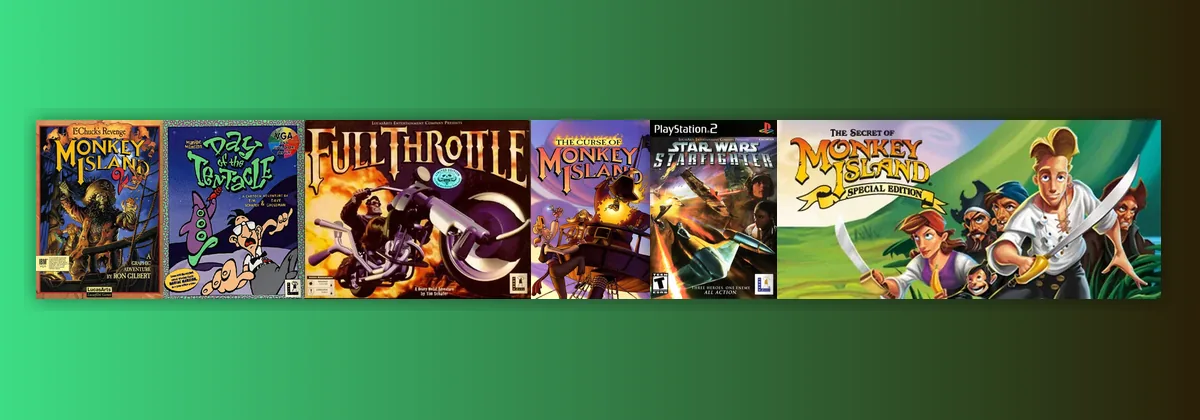
LucasArts was a game studio under George Lucas's empire that became synonymous in the nineties with top-tier graphic adventures. While other studios of that era built on action or simulation, LucasArts became famous for its emphasis on clever humor, elaborate dialogue, and inventive puzzles – its adventures remain among the most-cited examples of the genre to this day. The studio also benefited from access to the Star Wars brand, which it transformed into a range of action and flight games. The combination of its own original series and a powerful film license made LucasArts one of the most distinctive names in the gaming industry of the nineties, and its legacy is still visible in the work of many later studios that carried on the adventure genre. For many years, LucasArts thus represented an exceptional combination of the writers' creative freedom and the technical backing of a major media company – a feat rarely repeated in the game industry.
History
The studio was founded as the game division of George Lucas's production company and benefited from the outset from its proximity to both the film industry and the company's technological resources. It played a key role in the development of so-called point-and-click adventures – in the first half of the nineties it released a string of titles that remain genre classics to this day: the Monkey Island sequels, Day of the Tentacle, Sam & Max Hit the Road, and Full Throttle. These games were known for their emphasis on storytelling, distinctive humor, and puzzles that couldn't be solved by randomly killing off the character as in rival adventures. At the same time, LucasArts developed the Star Wars license, producing not only adventures and action titles but also flight simulators and shooters – among them Star Wars: Dark Forces, one of the successful responses to the wave of Doom-inspired games. Toward the end of the nineties the studio released the adventure Grim Fandango, now considered one of the genre's high points thanks to its unconventional setting and visual style. Gradually, however, the market for classic adventures shrank, and LucasArts shifted its output increasingly toward Star Wars action games, such as the Republic Commando series. Alongside adventures and Star Wars titles, LucasArts also released a number of successful strategy and simulation games throughout the nineties, proving that the studio didn't rely on a single genre but could cover a broad portfolio of gaming experiences. In the following years, the LucasArts brand continued mainly as a publisher and producer of games from external studios, until the company, as part of the Lucasfilm empire's reorganization under Disney, ceased to operate as a development studio.
Key figures
We deliberately do not name specific developers and leading figures, since we would have to rely on uncertain memory – but it remains a fact that LucasArts was known for its adventures being dominated by a strong authorial approach from individual creative teams, which gave games like Monkey Island and Grim Fandango a distinctive and recognizable signature. It is precisely this emphasis on the individual teams' distinctive writing and design signature that remains the main reason players and critics keep returning to LucasArts's classic adventures.
Today
As an independent development studio, LucasArts no longer exists – after Lucasfilm's move under Disney, its development arm was wound down and the Star Wars brand moved to other publishers and studios. Nevertheless, LucasArts's legacy lives on in the form of remasters and remakes of its classic adventures, as well as in the inspiration that creators of narrative games still draw from its titles today. The LucasArts brand itself also remains the property of the Star Wars-centered corporation, so it occasionally still appears at least as a publisher logo on reissues of older titles, even though it no longer has a development team of its own like the one that made it famous in the nineties.
Games by the studio (31)
-
-
-
-
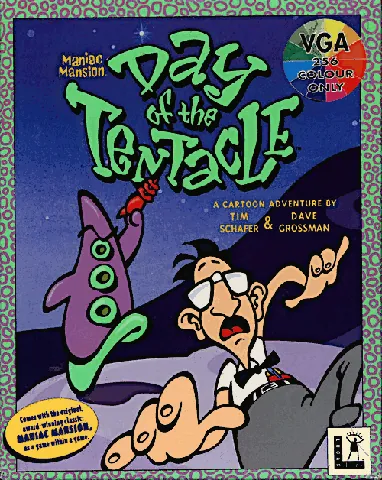
Day of the Tentacle · 1993
-
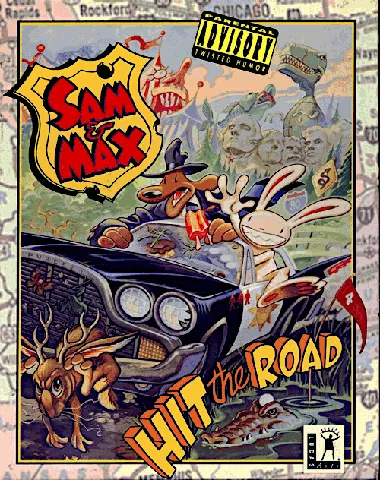
Sam & Max Hit the Road · 1993
-
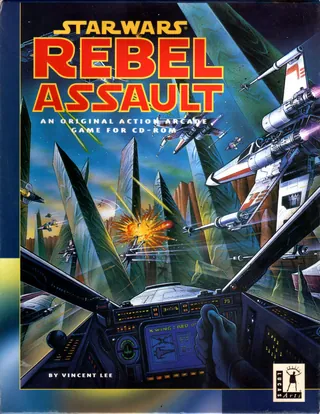
Star Wars: Rebel Assault · 1993
-
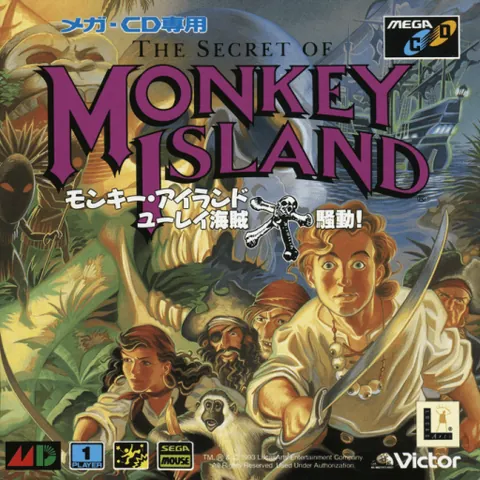
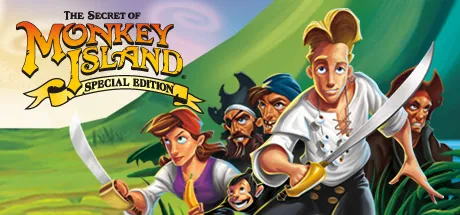
The Secret of Monkey Island · 1993
-
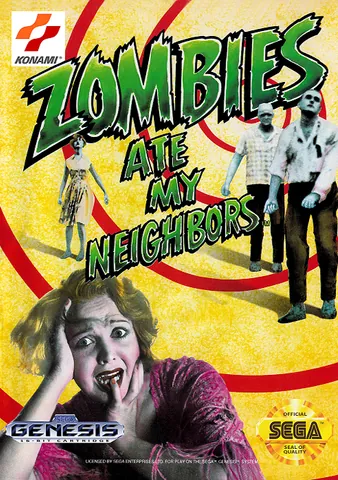
Zombies Ate My Neighbors · 1993
-
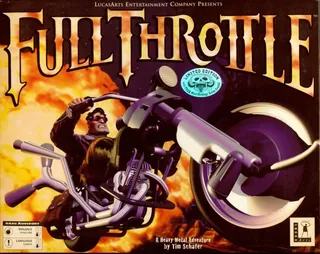
Full Throttle · 1995
-
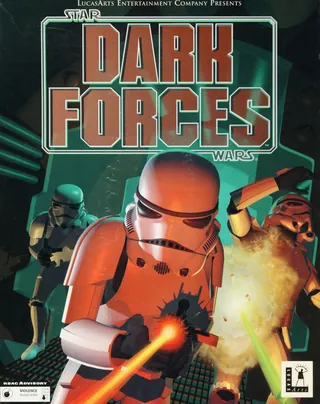
Star Wars: Dark Forces · 1995
-
Star Wars: Rebel Assault II · 1996
-
-
-
-
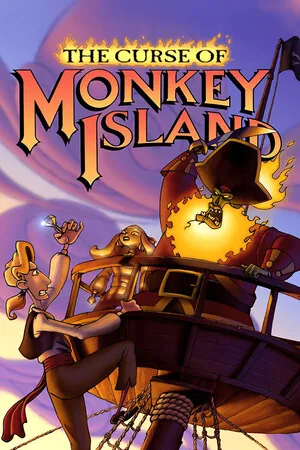
The Curse of Monkey Island · 1997
-
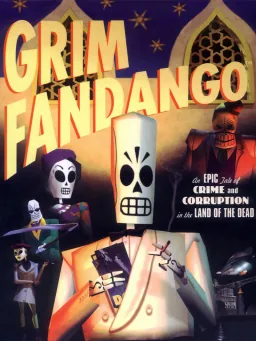
Grim Fandango · 1998
-
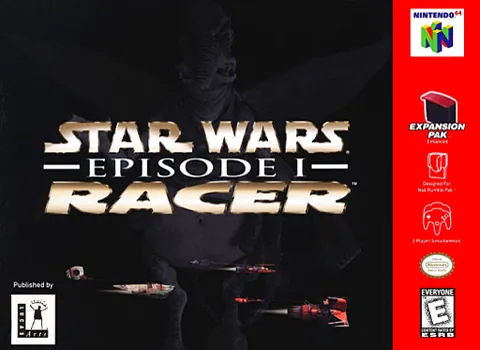
Star Wars Episode I: Racer · 1999
-
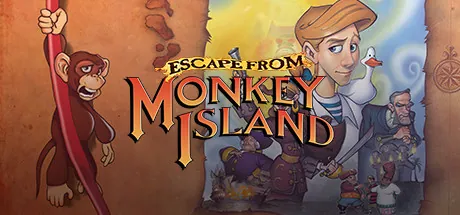
Escape from Monkey Island · 2000
-
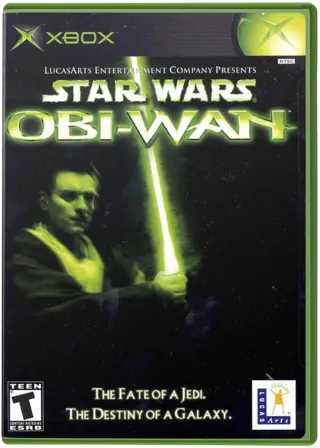
Star Wars: Obi-Wan · 2001
-
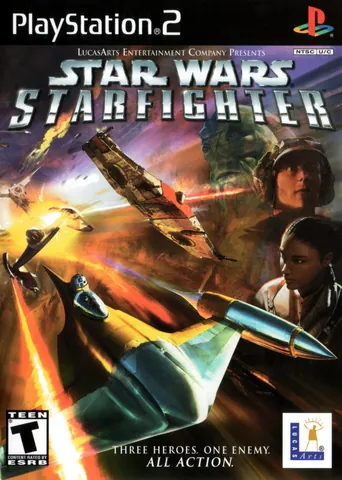
Star Wars: Starfighter · 2001
-
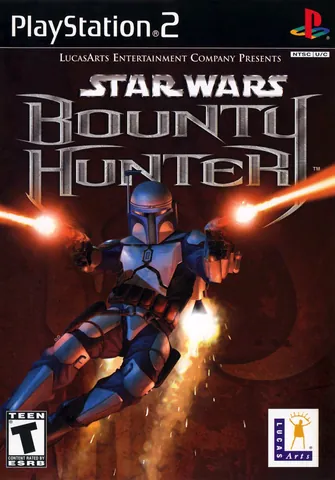
Star Wars: Bounty Hunter · 2002
-
-
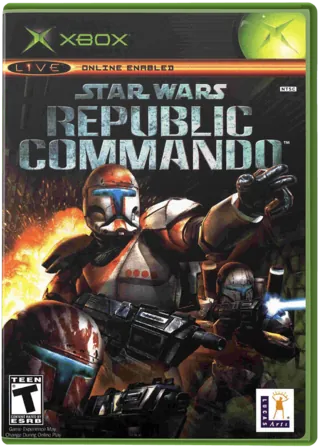
Star Wars: Republic Commando · 2005
-
- Mobil