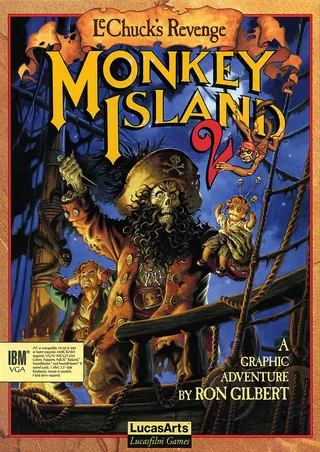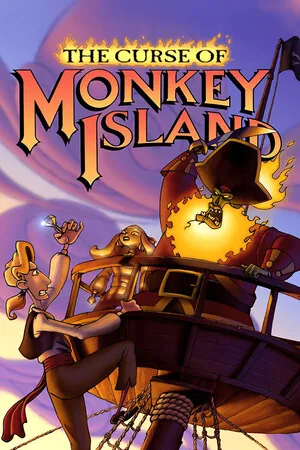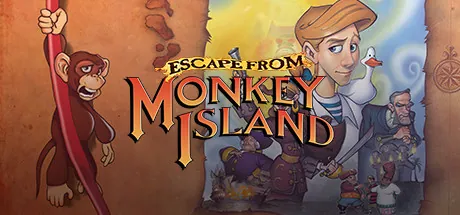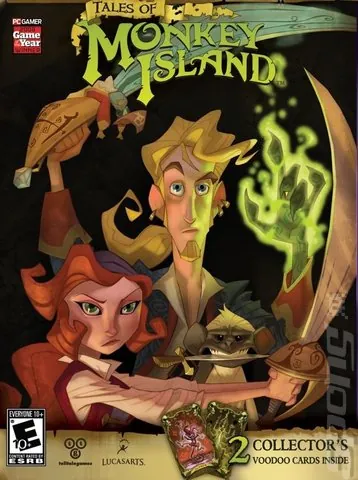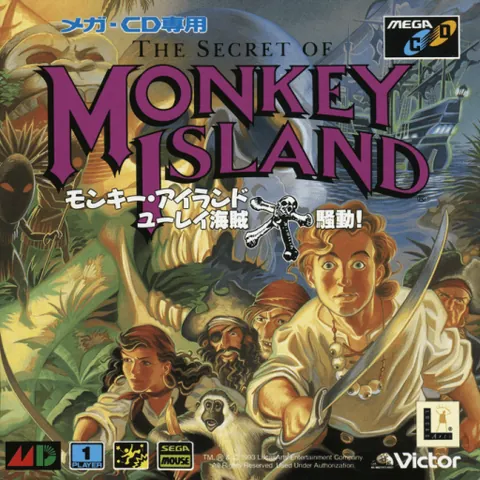
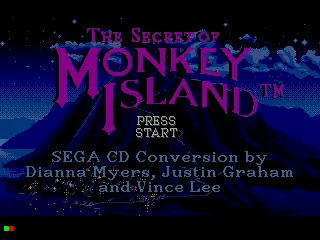
The Secret of Monkey Island
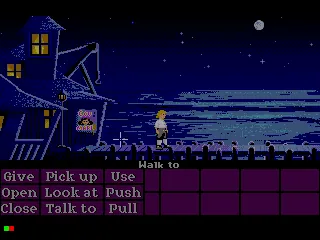
The Secret of Monkey Island is a comedic pirate adventure about Guybrush Threepwood, a young man who wants to be a pirate and instead gets tangled up in the kidnapping of the governor and a feud with the undead Captain LeChuck. The game runs on the classic verb-command system — open, take, talk to, use — with which you combine inventory items and speak to characters through branching dialogue. The puzzles are designed to be solved through reasoning rather than random trial and error, and the series became famous for the fact that the main hero can neither die nor become permanently stuck. An unforgettable quirk is the insult sword-fighting, in which victory goes to whoever has the sharper tongue rather than the sharper blade.
The Mega-CD version uses the disc mainly for sound: the music runs as recorded tracks, so the familiar Caribbean themes sound in genuine instrumental arrangements instead of synthesizer chip music. The graphics are colorful and legible even on a television, cursor control with a gamepad is slower than with a mouse, but the game accounts for that and the verb menu is adapted to buttons. The atmosphere of Mêlée Island, with its tavern, harbor, and odd inhabitants, works because the game never takes itself seriously while still having an internally consistent world in which even absurd solutions make a certain kind of sense.
At the time, this was one of the few truly major computer adventure classics to make it onto a console at all, and for many players it was their first encounter with the genre. The original game's influence on the entire point-and-click genre is fundamental: it set the standard for humor, dialogue trees, and the conviction that players shouldn't be punished for curiosity. Today, Monkey Island is still funny and surprisingly well written, and even on Mega-CD it offers a complete experience — just with a bit of patience needed for cursor movement. The puzzles still hold up logically after all these years, the dialogue can be read aloud without embarrassment, and the whole package remains one of the best introductions to the genre ever made. For owners of the add-on, it was also a rare opportunity to play something at home on television that otherwise belonged exclusively to computers.
Game 23 of 29 for SEGA Mega-CD
The same title elsewhere (4)
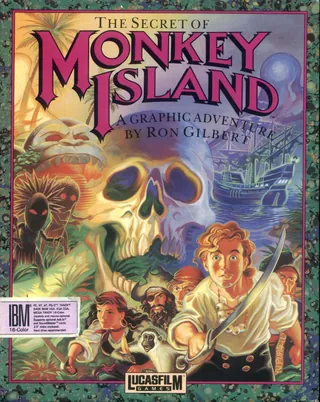
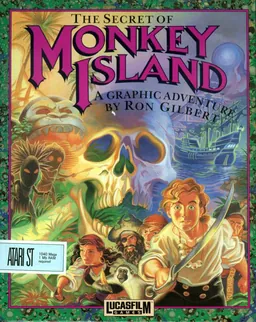
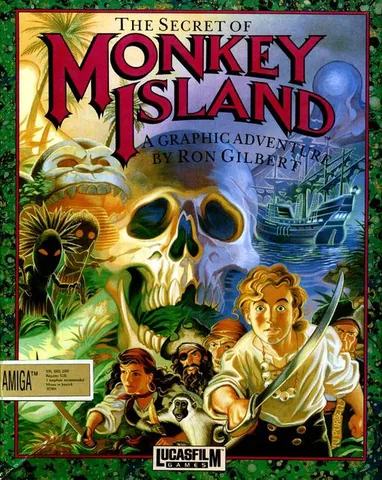
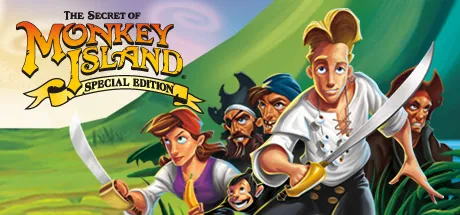
On the Amiga the game shone thanks to a rich colour palette and four-channel tracker music, giving it an atmosphere many fans still consider the best-balanced of all versions. The PC/DOS release depended heavily on the player's hardware: originally simple 16-colour EGA graphics with sound through the PC speaker or an AdLib card, while a later VGA release brought richer colours closer to the Amiga. The SEGA Mega-CD version used the CD medium to add a full orchestral soundtrack in CD-quality audio, which many players regard as the best musical rendition of any version — but mouse control had to give way to a gamepad, making the adventure noticeably less precise and slower to play.