Franchises
Metal Gear
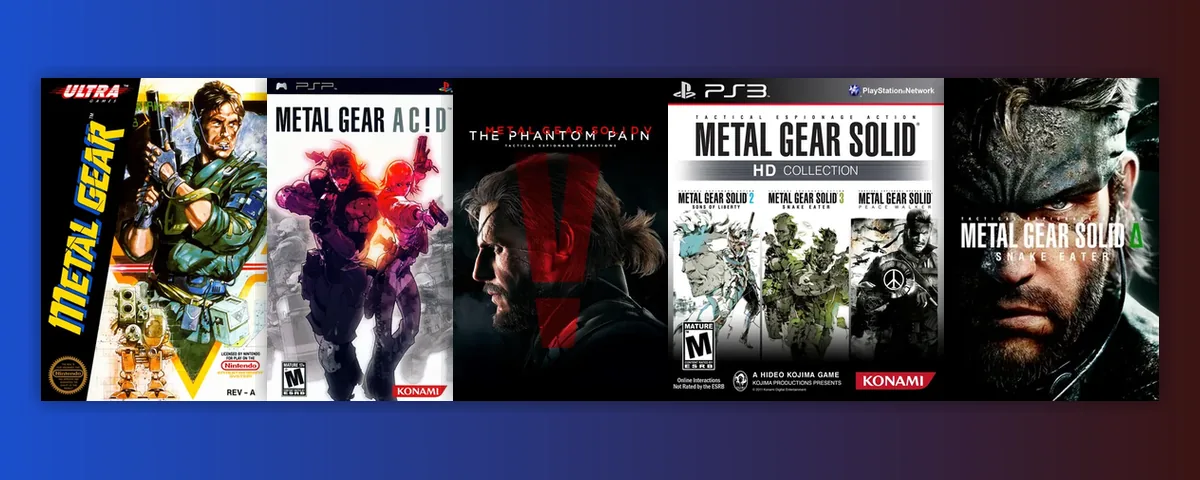
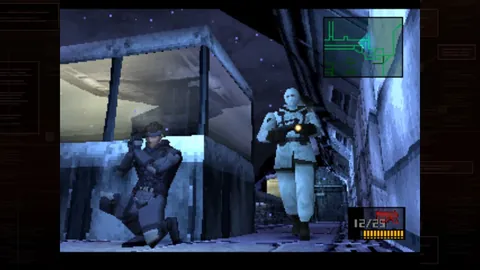
Metal Gear first appeared in 1987 on the MSX2 computer under the direction of Hideo Kojima, and from the start it ran against the grain of the action games of its day: instead of direct confrontation, it forced players to hide, sneak past guards, and stay out of their line of sight, since a straight fight usually meant certain death. This approach, which Kojima later called "tactical espionage action," made the series one of the first true stealth games. A parallel NES port was made without Kojima's direct involvement and differed heavily from the original in both mechanics and story. The sequel, Metal Gear 2: Solid Snake (1990, again MSX2-only in Japan), refined the formula with a radar, different alert states, and richer storytelling, and for a long time remained something Western players mostly knew by reputation rather than firsthand experience.
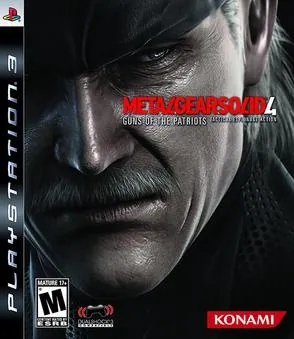
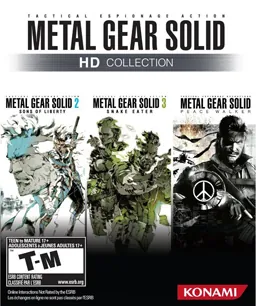
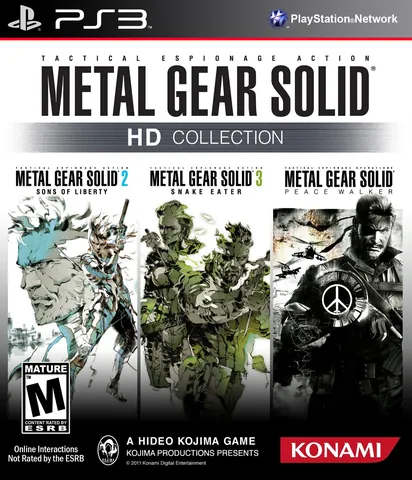
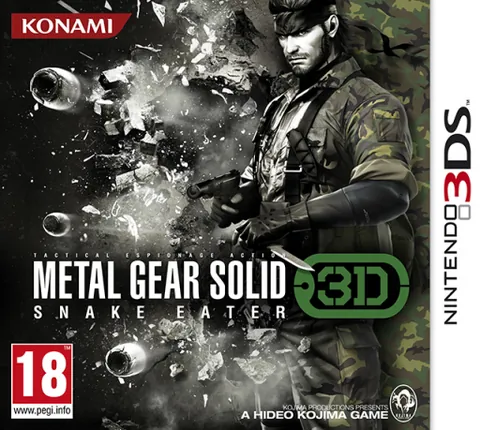
The turning point came with the move to 3D in Metal Gear Solid (1998, PlayStation), which paired stealth mechanics with cinematic storytelling, long cutscenes, and fourth-wall-breaking moments, such as the famous Psycho Mantis boss reacting to the contents of the player's memory card, and it is still widely cited by players and critics alike as the high point of the series and the genre. It was followed by Metal Gear Solid 2: Sons of Liberty (2001), notorious for switching the protagonist midway through the story, Metal Gear Solid 3: Snake Eater (2004), a jungle-set prequel built around camouflage and survival, and Metal Gear Solid 4: Guns of the Patriots (2008) on PlayStation 3, which closed out Solid Snake's long story arc. The series was also defined by a sprawling mythology of clones, nanomachines, and artificial intelligence waging information warfare, plus lengthy, cinematic Codec conversations between characters that became one of its signature traits.
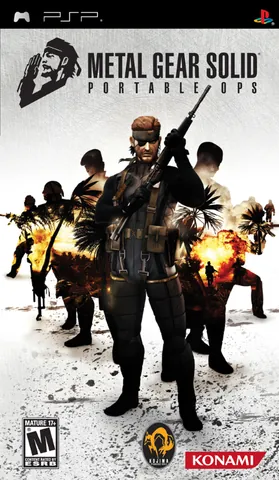
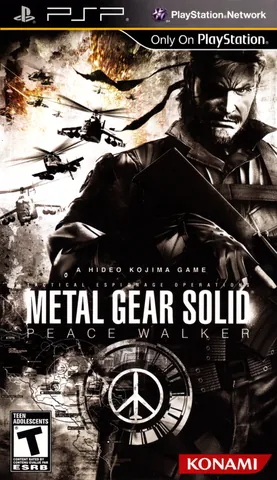
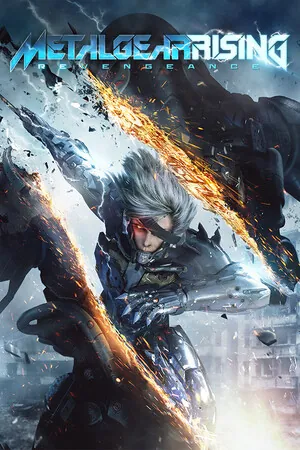
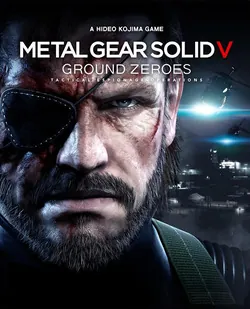
Alongside the main line, the series branched into a number of spin-offs with their own focus. Metal Gear Acid on PSP turned the concept into turn-based card tactics, Metal Gear Solid: Peace Walker (2010) expanded on Big Boss's history and added army management, the open-world Metal Gear Solid V: The Phantom Pain (2015) followed a smaller prelude in Ground Zeroes, and the very different Metal Gear Rising: Revengeance (2013), developed by PlatinumGames, swapped stealth for fast katana-driven action. There were also ports and remakes: Metal Gear: Ghost Babel on Game Boy Color worked as a full-fledged side story, and the remade Metal Gear Solid: The Twin Snakes for GameCube brought the classic back with new graphics and reworked gameplay. The series also had a long life in Japan on PC-98-family computers and later on mobile phones, where standalone episodic entries appeared that never reached other markets.
The year 2015 brought Hideo Kojima's split from publisher Konami, accompanied by public disputes and the closure of the internal Kojima Productions studio, which led to a further spin-off, Metal Gear Survive (2018), made without his involvement, and to years of uncertainty about the brand's future without its creator.
Even so, Metal Gear remains one of the most influential series in video game history: it popularized stealth as a genre in its own right and ambitious cinematic storytelling in games, and it developed recurring themes of nuclear deterrence, genetics, and information manipulation with remarkable consistency across console generations, while characters such as Solid Snake and Big Boss became icons of the entire industry.
Entries in the series (23)
-
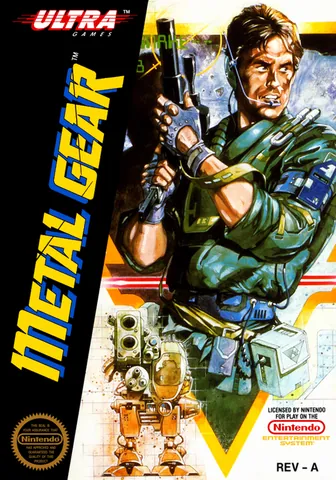
Metal Gear · 1987
-
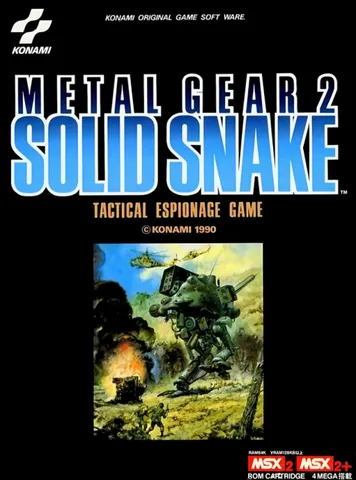
Metal Gear 2: Solid Snake · 1990
-
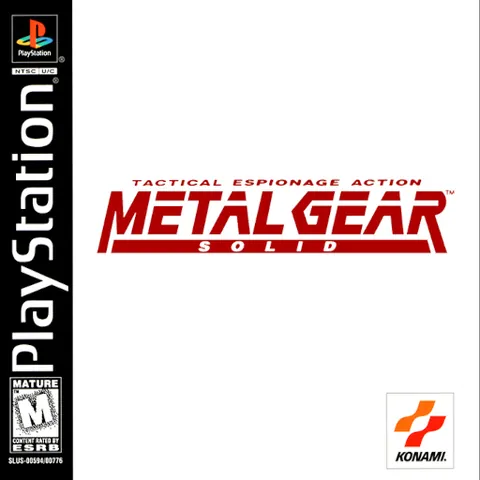
Metal Gear Solid · 1998
-
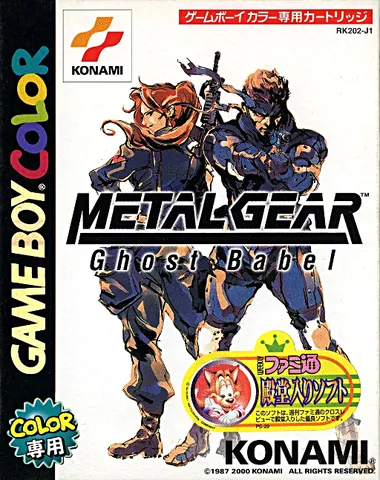
Metal Gear: Ghost Babel · 2000
-
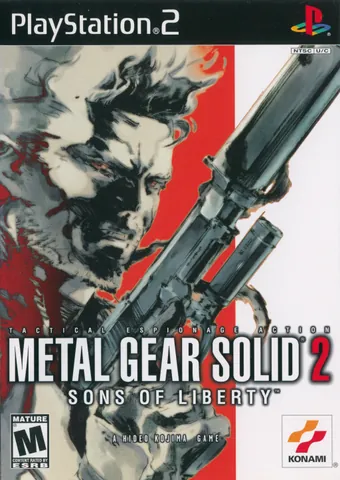
-
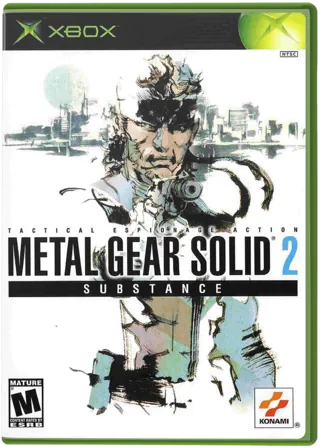
-
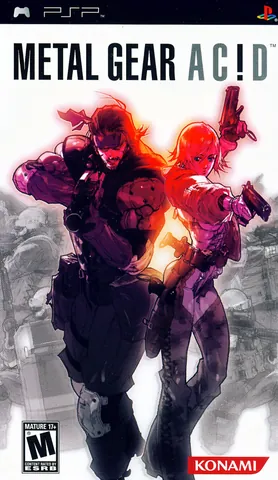
Metal Gear Ac!d · 2004
-
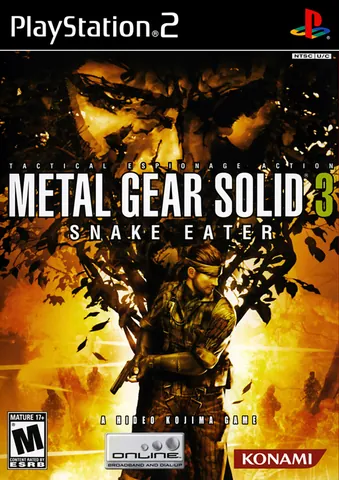
-
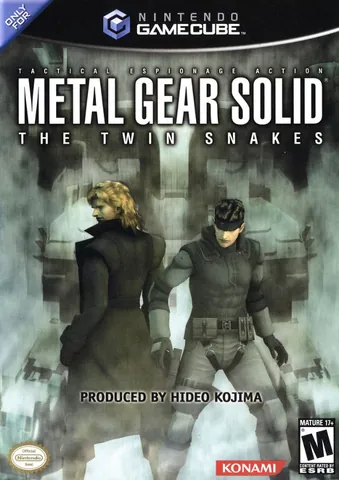
-

Metal Gear Ac!d 2 · 2005
-
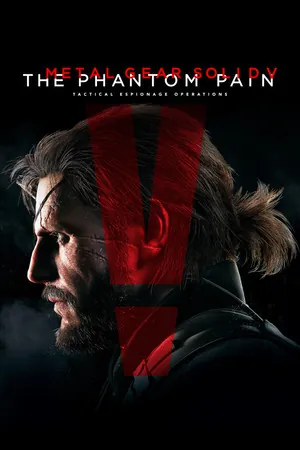
-
-
-
Metal Gear Solid Mobile · 2008
-
-
-
-
-
-
-
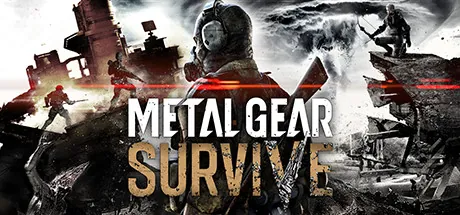
Metal Gear Survive · 2018
-
-