Franchises
Call of Duty
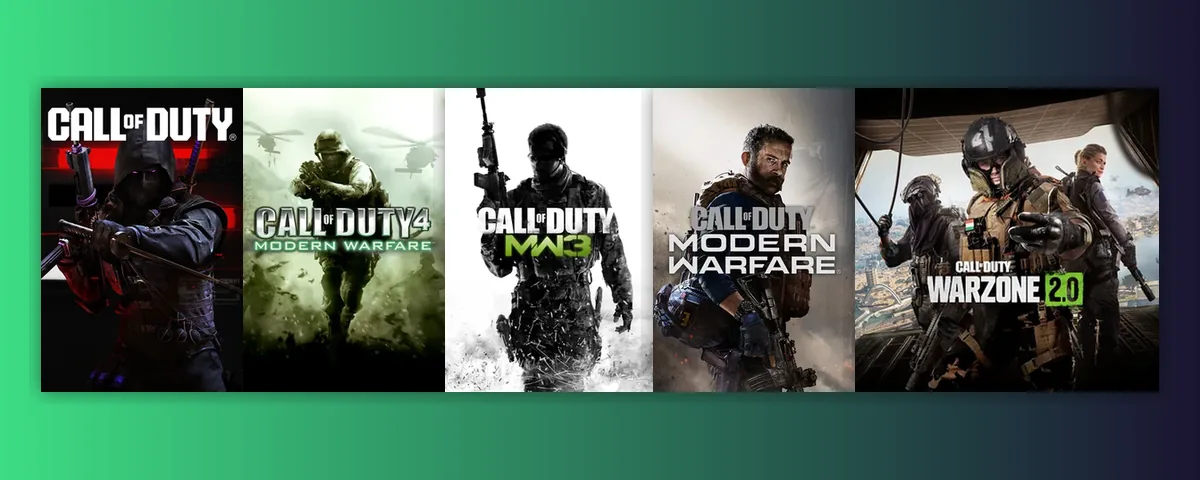
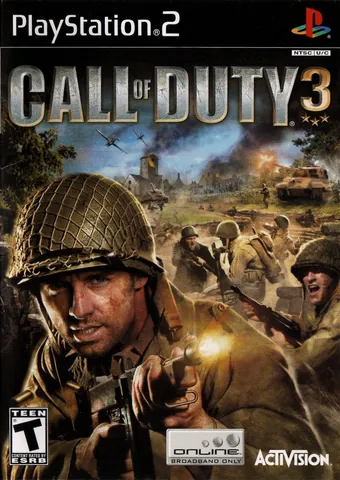
Call of Duty launched in 2003 from Infinity Ward as one more entry in the wave of World War II shooters that followed the success of Medal of Honor, but it stood apart from the start through its cinematic staging, scripted set-pieces, and habit of switching between American, British and Soviet soldiers. The first game's success on PC quickly carried the brand onto consoles too - Call of Duty: Finest Hour and later Call of Duty 3 (2006, the first entry handed to Treyarch) showed the recipe worked away from keyboard and mouse. Meanwhile the PC-based sequel Call of Duty 2 (2005) refined almost everything now associated with the series' WWII era: tense cover-based firefights, dramatic checkpoints, and a cinematic intro for every mission. Four years after its debut, though, the WWII setting was running dry and the series needed a new push.
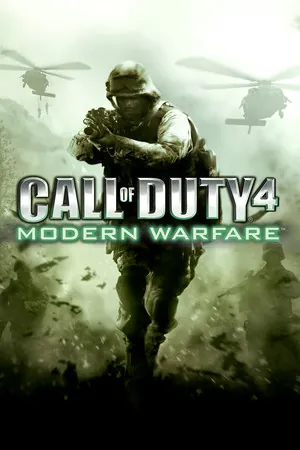
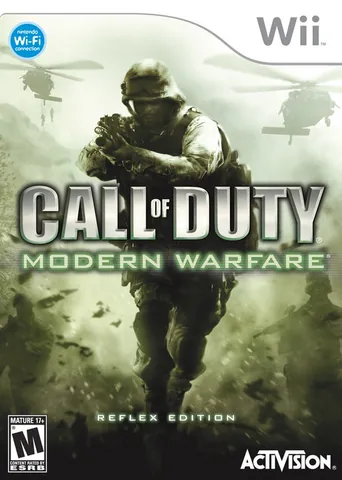
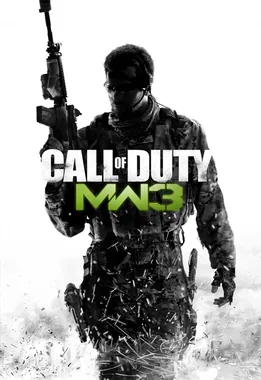
That push was Call of Duty 4: Modern Warfare (2007), which left the historical battlefield behind for a present-day setting built around characters like Captain Price and Sergeant Soap MacTavish. Its gripping, cinematically staged campaign paired with a multiplayer built on killstreaks, perks and custom loadouts became the template every rival shooter was measured against for years. The sequel Modern Warfare 2 (2009) pushed the tone further still - most notably through its controversial No Russian mission - and together with Modern Warfare 3 (2011) closed out the story around the villain Makarov. Many players still consider the Modern Warfare trilogy the series' high point.
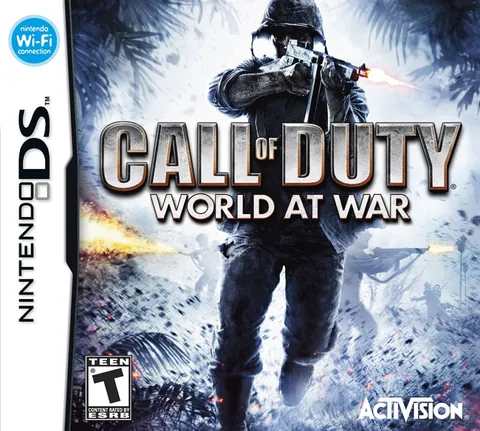
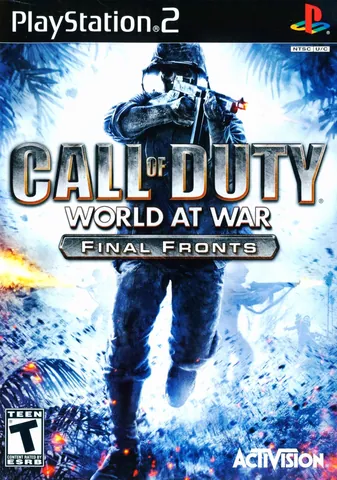
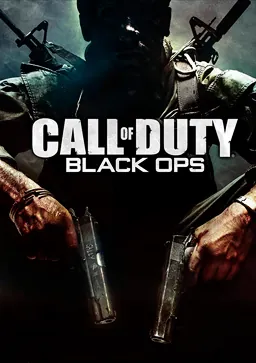
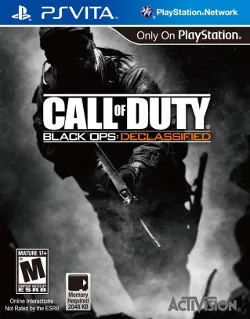
Alongside Infinity Ward, Treyarch began building its own line: World at War (2008) returned to WWII while introducing the beloved co-op Zombies mode, which carried into the whole Black Ops series, steeped in Cold War aesthetics and conspiracy plots. Black Ops II (2012) went further still, offering a branching story and a near-future setting. Infinity Ward, meanwhile, went through the departure of part of its founding team, while Sledgehammer Games joined the franchise from Advanced Warfare (2014) onward with exosuits and a more futuristic take on combat. The run of sci-fi entries peaked with Infinite Warfare (2016), which met a cool reception from part of the fanbase and pushed the publisher to pull the series back to its roots with Call of Duty: WWII in 2017.
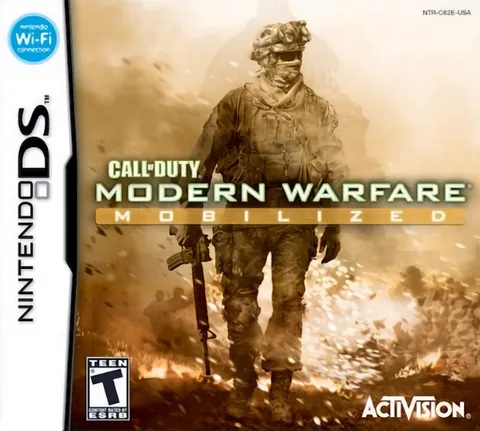
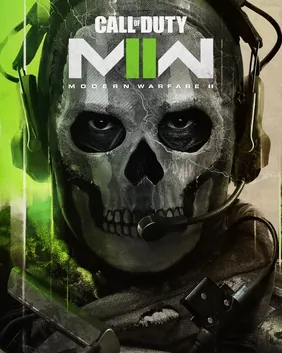
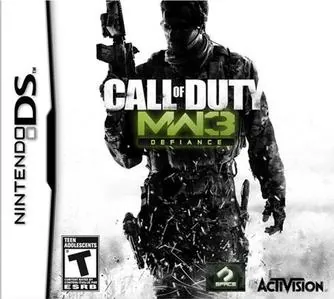
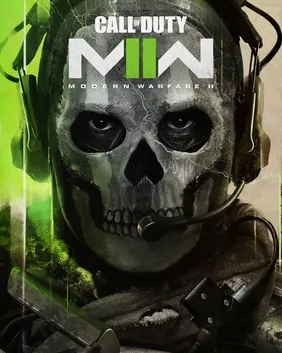
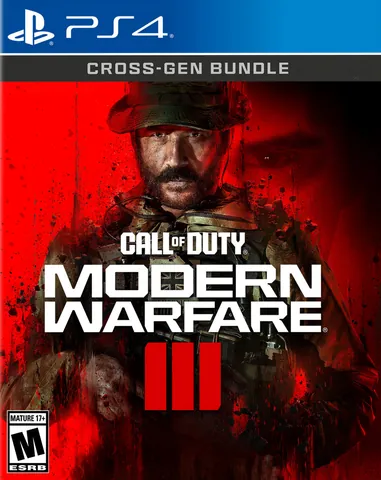
The series gradually branched out beyond home consoles and PC as well: stripped-down versions appeared on Nintendo DS, the mobile Call of Duty: Mobile reached an entirely new audience, and 2020 brought the free-to-play battle royale Warzone, which fundamentally reshaped how Activision monetizes the brand. The same year saw Black Ops Cold War, followed a year later by Vanguard, again set in WWII, while Infinity Ward launched its own soft reboot of Modern Warfare in 2019, continued by Modern Warfare II and Modern Warfare III in 2022 and 2023. Warzone, meanwhile, became the space where weapons and characters from every current entry mix together at once.
The yearly release cycle, the brand being shared between three studios, and increasingly prominent microtransactions have drawn plenty of criticism from both players and press. Yet Call of Duty remains one of the most-played and best-known game franchises of all, and its multiplayer formula - loadouts, perks, killstreaks and a prestige system - has shaped nearly the entire online shooter genre, from Battlefield to today's battle royale titles.
Entries in the series (34)
-
Call of Duty · 2003
-
Call of Duty: Finest Hour · 2004
-
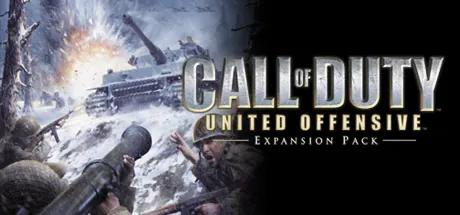
-
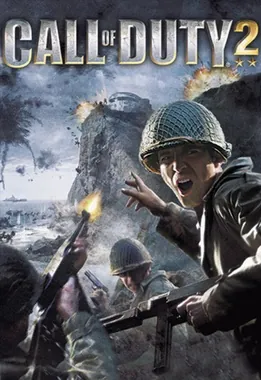
Call of Duty 2 · 2005
-
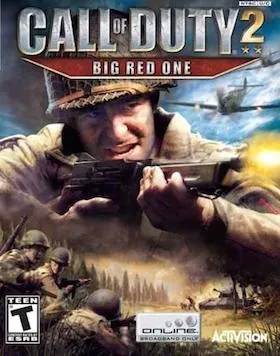
Call of Duty 2: Big Red One · 2005
-
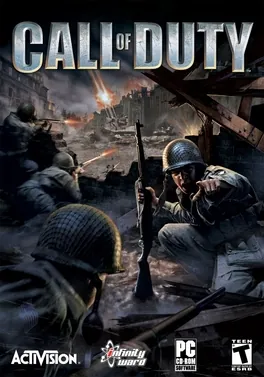
Call of Duty: Big Red One · 2005
-
-
-
-
-
-
-
-
-
-
-
-
-
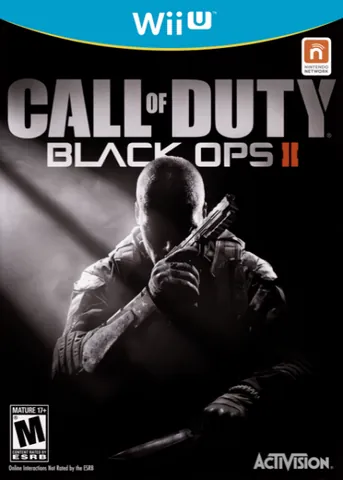
Call of Duty: Black Ops II · 2012
-
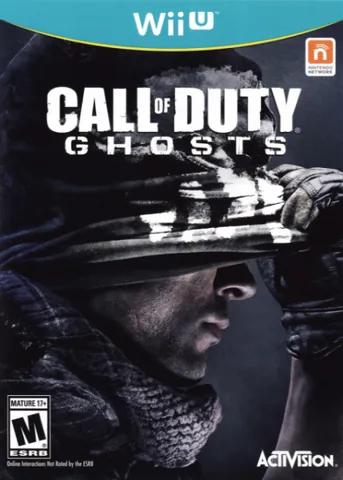
-
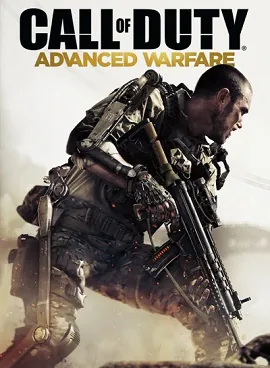
-
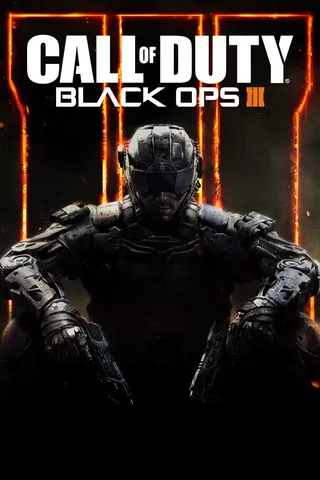
-
-
Call of Duty: WWII · 2017
-
Call of Duty: Black Ops 4 · 2018
-
Call of Duty: Mobile · 2019
-
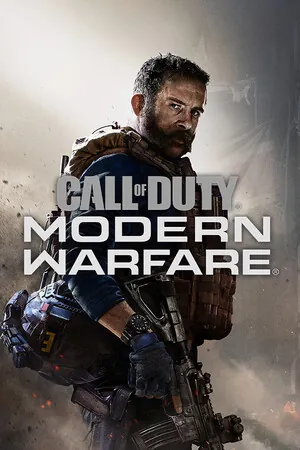
Call of Duty: Modern Warfare · 2019
-
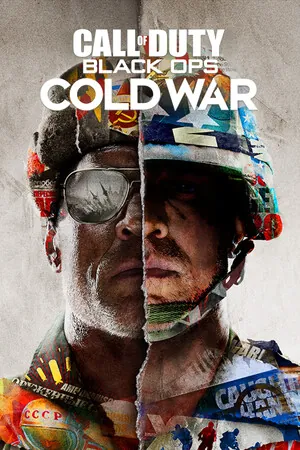
-
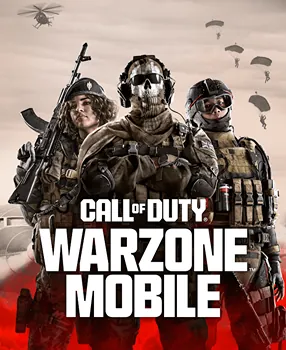
Call of Duty: Warzone · 2020
-
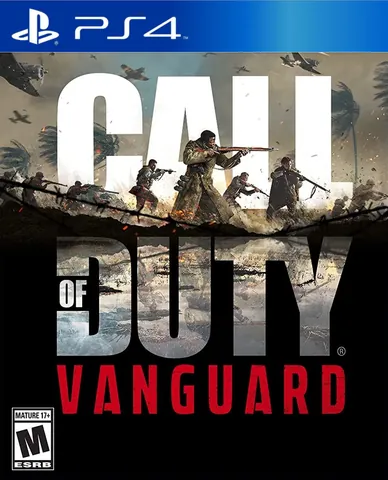
-
-
-
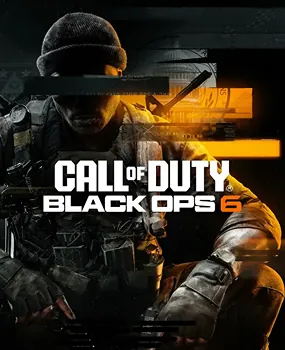
Call of Duty: Black Ops 6 · 2024
-