Franchises
Castlevania
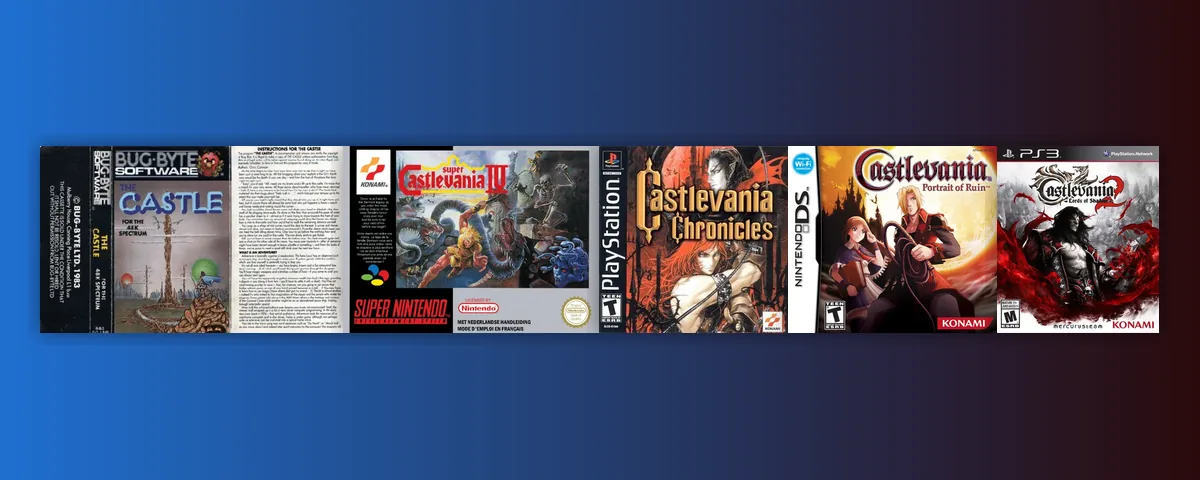
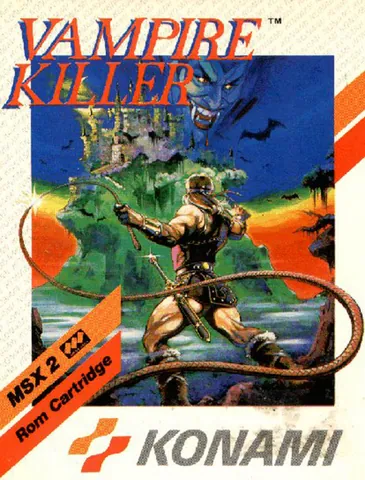
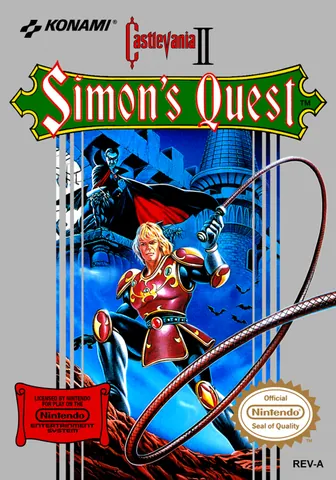
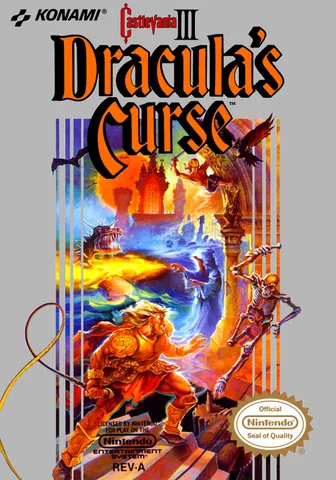
Castlevania debuted in 1986 on the Famicom Disk System (best known in the West through its later NES release) and built from the start on a gothic atmosphere drawn from classic horror films: the player, a vampire hunter from the Belmont clan, advances through linear stages of Dracula's castle, whip in hand against skeletons, bats and other monsters. Konami brought the series into arcades as early as 1987 with Haunted Castle, and the sequels Castlevania II: Simon's Quest and Castlevania III: Dracula's Curse on NES further developed the formula of a tightly designed action-platformer built around rhythm and judging distance. The series also found its way onto handhelds and home computers through titles like Castlevania: The Adventure on Game Boy and the European Vampire Killer on MSX2.
A key stepping stone was Castlevania: Rondo of Blood (1993) for the PC Engine - highly regarded in Japan, though it took years to reach the West, where players mostly knew it through the simplified Castlevania: Dracula X for Super Nintendo. The decisive break came with Castlevania: Symphony of the Night (1997) on PlayStation, a direct follow-up to Rondo of Blood: it replaced linear stage-by-stage progression with a single interconnected castle to explore freely as Alucard, Dracula's son, enriched with RPG elements such as experience levels, item collecting and multiple endings. Many consider this shift the series' peak, and alongside the Metroid games it gave rise to a genre now known as the metroidvania.
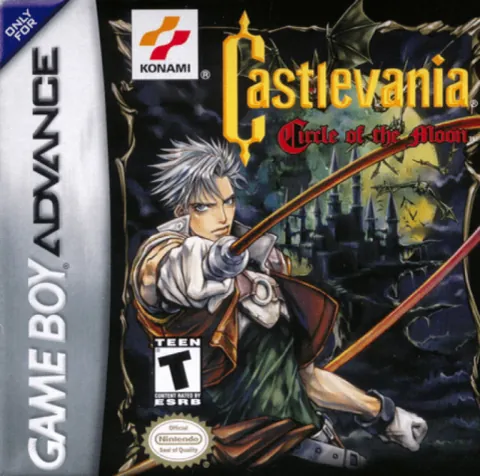
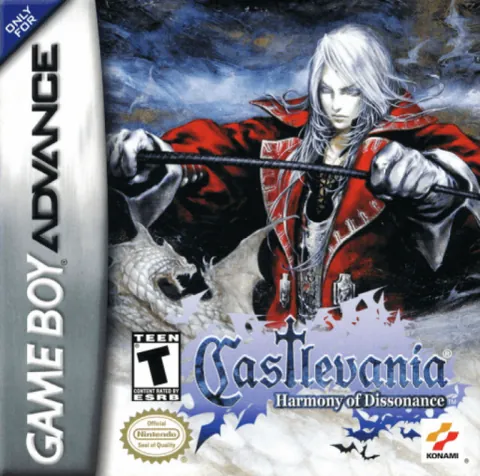
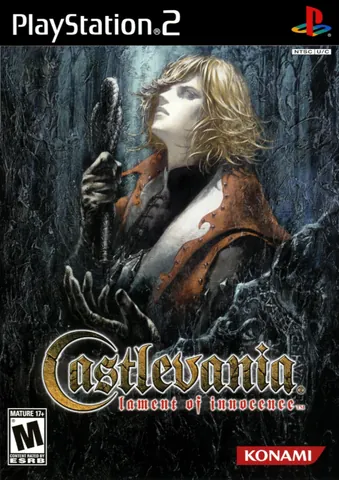
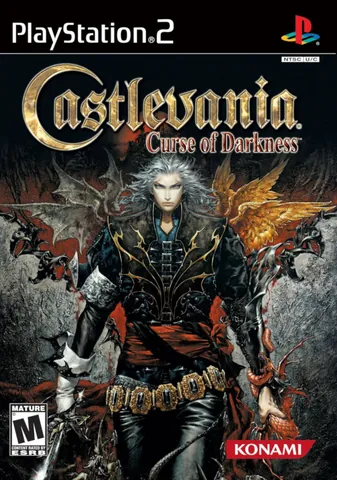
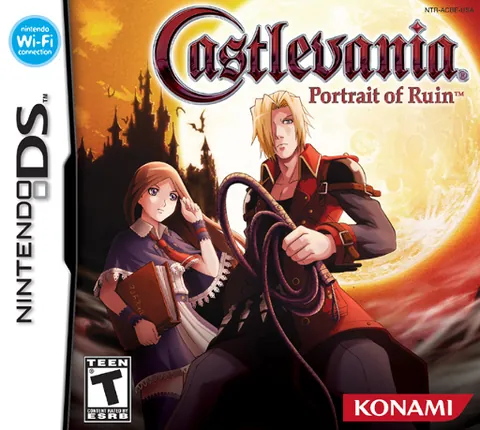
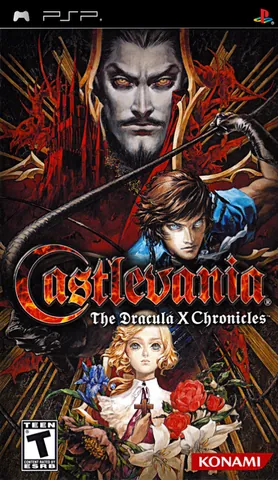
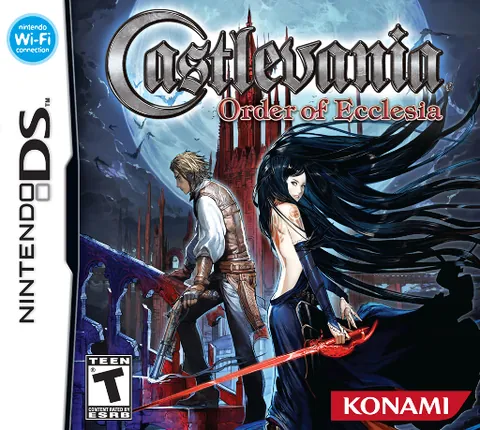
The Symphony of the Night template was then carried forward for years, mainly on handhelds under producer Koji Igarashi: Circle of the Moon, Harmony of Dissonance and Aria of Sorrow on Game Boy Advance each introduced their own spin on the ability system, including Aria of Sorrow's enemy soul-collecting, and their successors Dawn of Sorrow, Portrait of Ruin and Order of Ecclesia on Nintendo DS rank among the best-received entries in the whole brand. This era kept the series alive while parallel attempts at 3D on home consoles, such as Castlevania 64 or Lament of Innocence, met only a lukewarm reception, and it also brought a look back at its own history - the PSP remake Castlevania: The Dracula X Chronicles (2007) made the long-unavailable Rondo of Blood accessible again alongside a new version of Symphony of the Night.
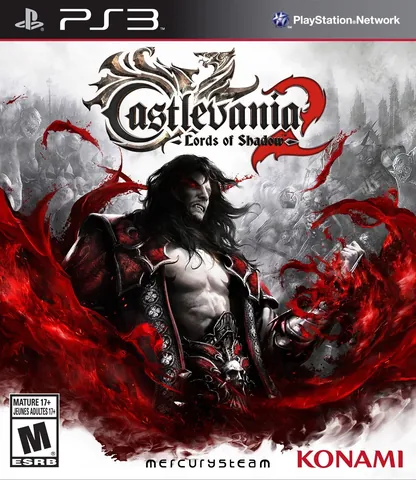
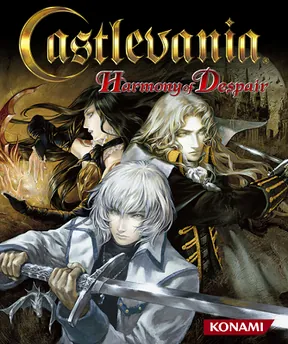
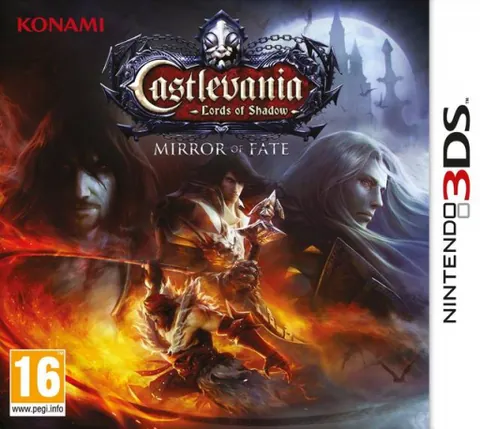
In an effort to finally succeed in 3D, Konami turned to a reboot late in the decade: Castlevania: Lords of Shadow (2010), from the Spanish studio MercurySteam, offered its own dark, fairy-tale-like take on the mythology, with actor Robert Carlyle in the lead role, and was followed by Mirror of Fate and Lords of Shadow 2. Around the same time came the cooperative experiment Harmony of Despair (2010), built around an arena assembled from locations visited in earlier games. After 2014, though, new releases essentially stopped and the brand went quiet for several years, until the 2017 Netflix animated series Castlevania introduced it to viewers who had never played the original games.
Despite those swings, Castlevania remains one of the most influential horror-themed game franchises: it defined gothic aesthetics in action games, lent its name to the entire metroidvania genre, and inspired countless independent developers who still return to its vision of exploring a castle.
Entries in the series (28)
-
-
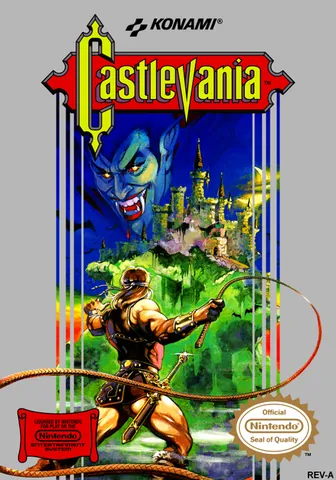
Castlevania · 1986
-
-
-
-
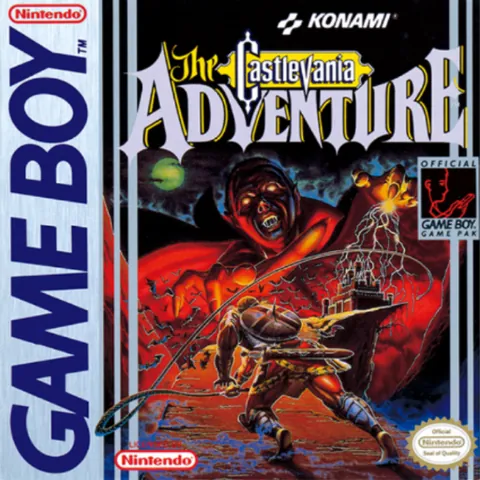
Castlevania: The Adventure · 1989
-
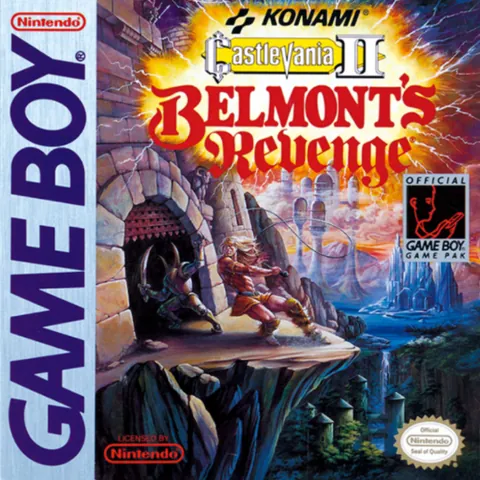
-
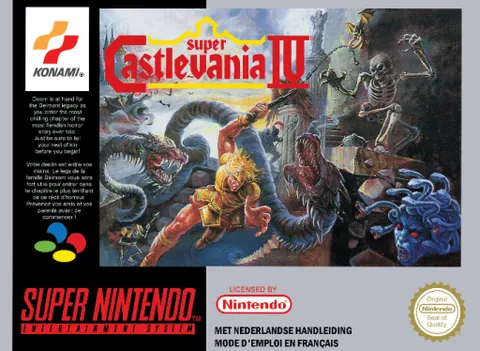
Super Castlevania IV · 1991
-
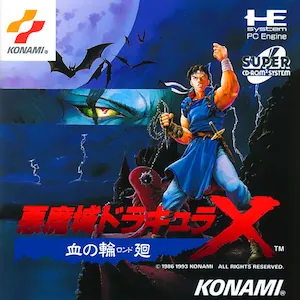
-
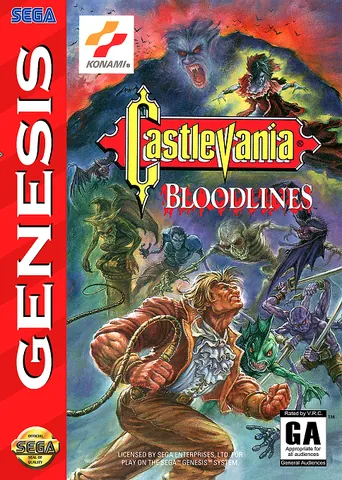
Castlevania: Bloodlines · 1994
-
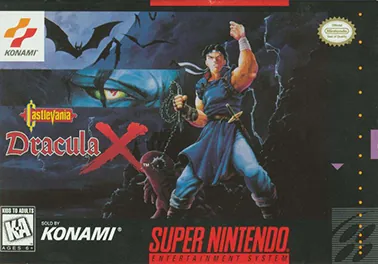
Castlevania: Dracula X · 1995
-
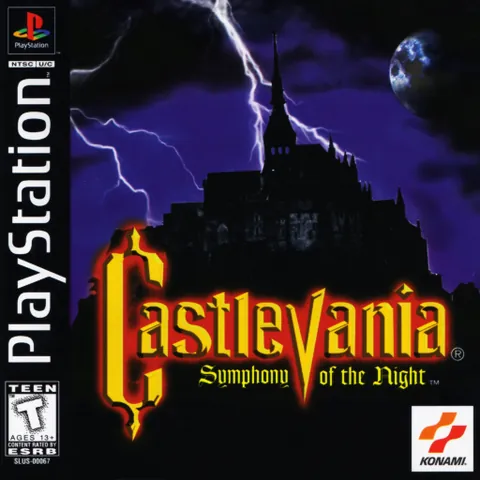
-
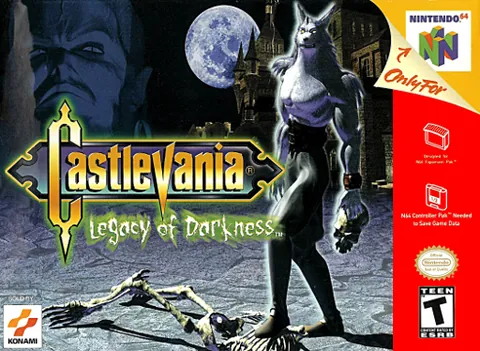
-
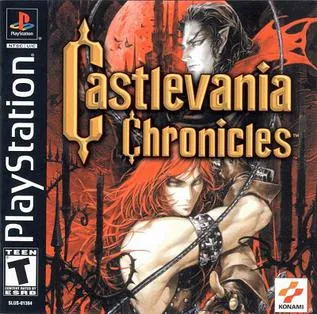
Castlevania Chronicles · 2001
-
-
-
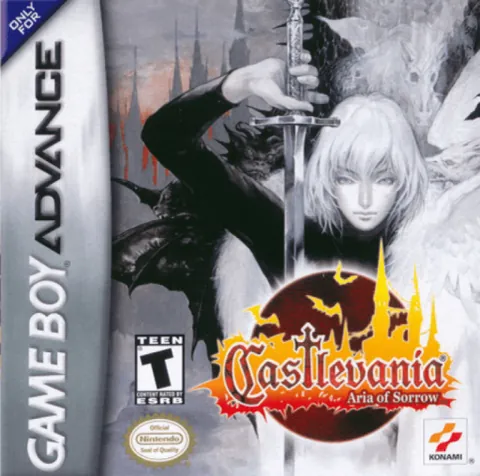
Castlevania: Aria of Sorrow · 2003
-
-
-
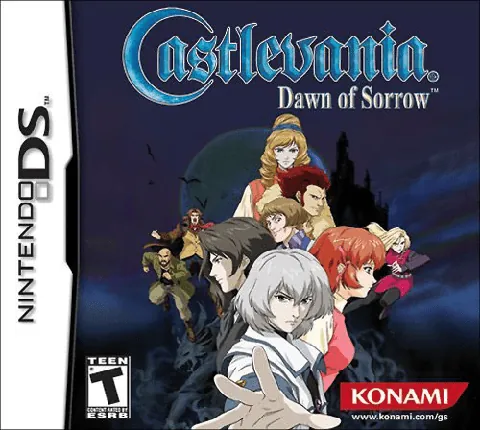
Castlevania: Dawn of Sorrow · 2005
-
-
-
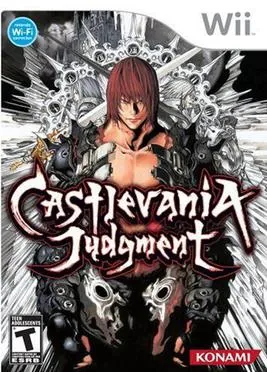
Castlevania Judgment · 2008
-
-
-
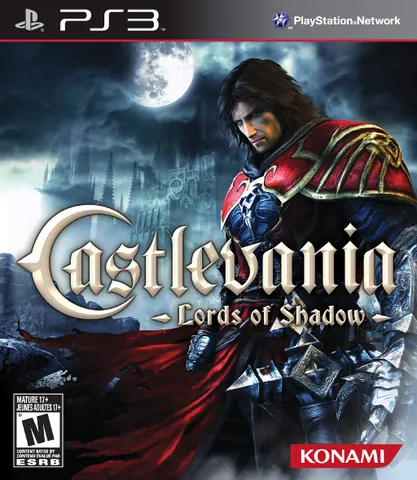
Castlevania: Lords of Shadow · 2010
-
-