Game studio
Ubisoft
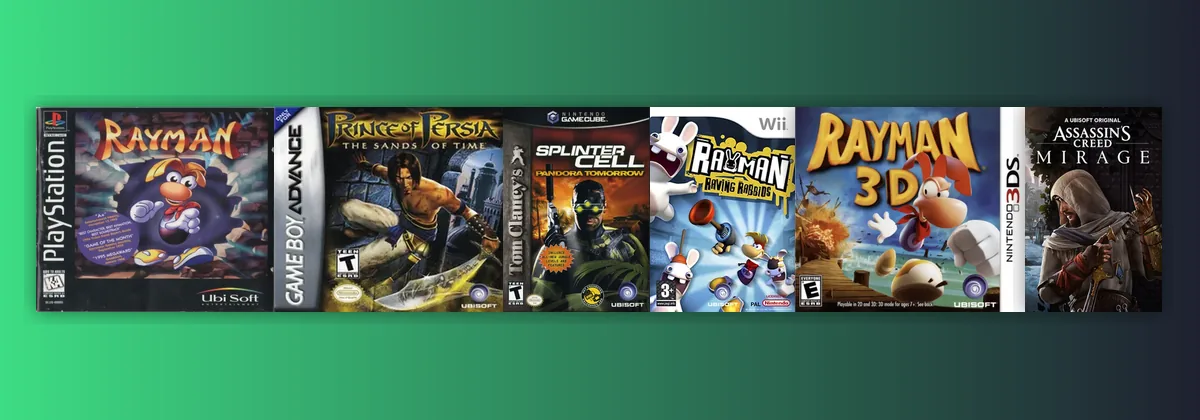
Ubisoft is a French gaming giant that rose from a family business in the Breton countryside to become one of the largest publishers and developers in the world. Over its history it has created or owned dozens of brands that have shaped gaming across generations — from the platformer Rayman, through the action-adventure Beyond Good & Evil, the espionage series Tom Clancy's Splinter Cell, to later major franchises such as Assassin's Creed or Far Cry. A special place in its history belongs to the Rayman studio and its creator Michel Ancel, whose games ranked among the technically and artistically most ambitious projects of their time. Ubisoft has also long built a reputation as a company that invests in new gaming concepts, even though not all of them become commercial hits.
History
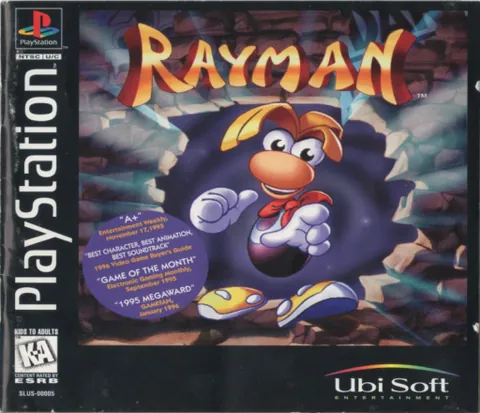
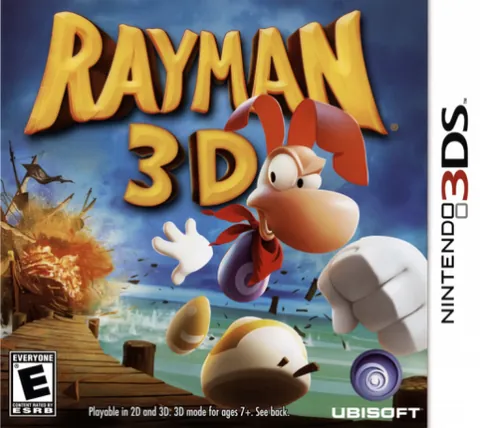
Ubisoft was founded in 1986 by the Guillemot brothers in Carentoir, Brittany, initially as a smaller distribution company for computer software. During the nineties the company rapidly grew to include its own development studios and became a publisher with international reach. A turning point came in 1995 with the release of the platformer Rayman, designed by the young designer Michel Ancel — the game stood out for its hand-drawn graphics and the imaginative world of a legless, armless hero, and became one of Ubisoft's flagship titles on the original PlayStation. Rayman subsequently also appeared on the Game Boy Color and Game Boy Advance, kicking off a series that has endured for the company to this day.
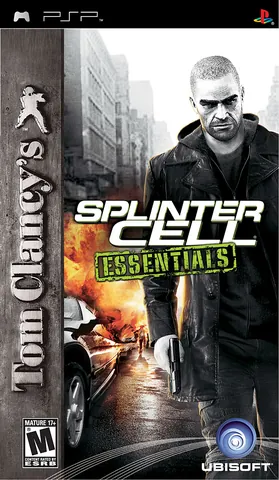
In 1997 Ubisoft opened a studio in Montreal, which over the years became one of its largest development centers and was behind key series such as Splinter Cell or, later, Assassin's Creed. The year 2003 brought two major titles at once — the sequel Rayman 3: Hoodlum Havoc and the action-adventure Beyond Good & Evil, again from the workshop of Michel Ancel, which despite its modest commercial success became a highly critically acclaimed and still-cited cult game today. Around the same period the espionage series Tom Clancy's Splinter Cell also took off, through which Ubisoft built a reputation as a studio capable of competing with the largest American publishers. In the following decades the company underwent a massive expansion, acquiring smaller studios around the world and building up a whole range of major brands, thanks to which it remains to this day one of the very few truly global game publishers.
Key figures
Since its founding the company has been led by the Guillemot family, five brothers from Brittany, with Yves Guillemot remaining a longtime CEO and the public face of the company to this day. It was precisely this family leadership that helped the company withstand repeated attempted hostile takeovers by other major publishers during the 2000s and 2010s. The creative direction of Ubisoft's early era was significantly shaped by Michel Ancel, who created both Rayman and Beyond Good & Evil and ranked among the most distinctive European game designers at the turn of the millennium — his games were characterized by a distinctive visual style and an emphasis on the atmosphere of the fictional world rather than on pure action. Ancel later worked on further projects at Ubisoft before stepping away from active game development in 2020.
Present
Today Ubisoft remains one of the largest game publishers in the world, with studios on several continents, though in recent years it has faced financial difficulties, a decline in share value, and criticism over delays and fluctuating quality on some of its major titles. As a result, the company is seeking strategic partners and reconsidering the structure around its strongest brands in order to keep pace with both the competition and its own shareholders. Older series from the nineties and early 2000s, such as Rayman or Beyond Good & Evil, are kept in players' minds today more through re-releases, collections, and references in newer games than through genuinely new installments, even though the name Beyond Good & Evil 2 has appeared in the company's announcements for a number of years now. Despite all the turbulence, Ubisoft remains a company whose brands — from Rayman to the later major franchises — helped shape the face of European game development at the turn of the millennium.
Games by the studio (27)
-
-
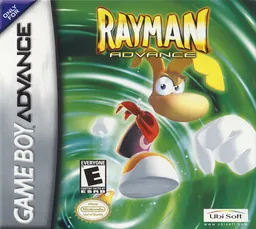
Rayman Advance · 2001
-

Silent Hunter II · 2001
-
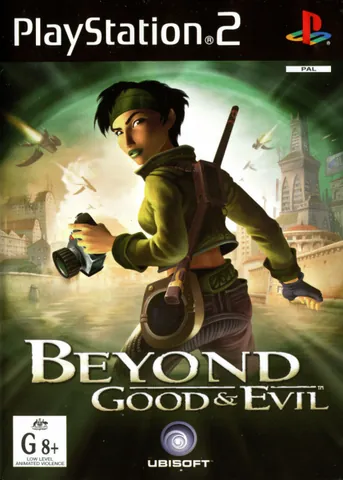
Beyond Good & Evil · 2003
-
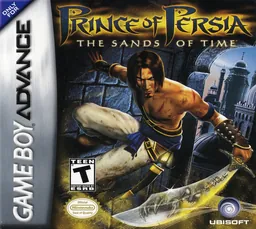
-
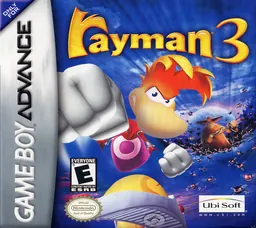
Rayman 3: Hoodlum Havoc · 2003
-

Tom Clancy's Splinter Cell · 2003
-
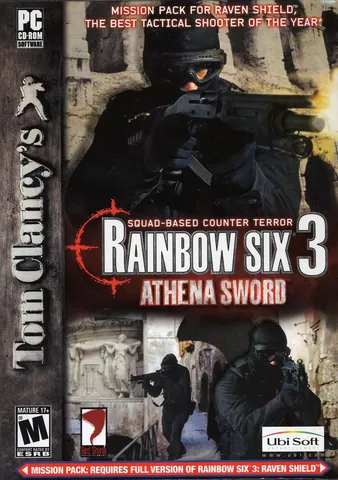
-
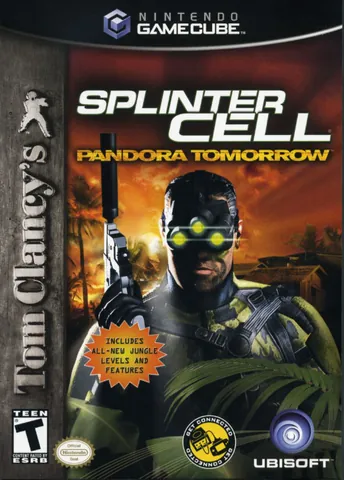
-
-
-
Rayman Raving Rabbids · 2006
-
-
-
-
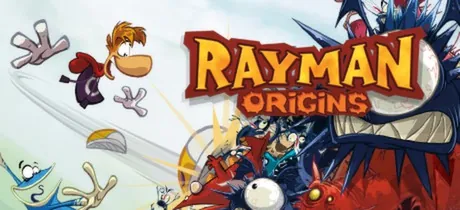
Rayman Origins · 2011
-
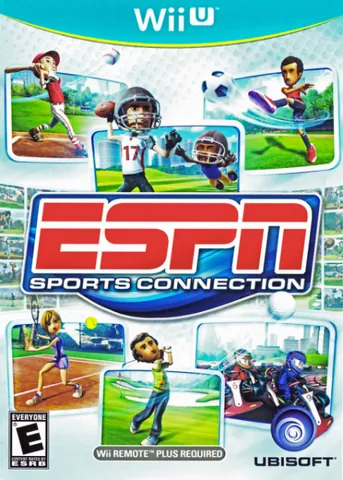
Sports Connection · 2012
-
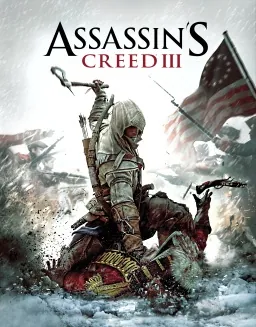
Assassin's Creed III · 2013
-
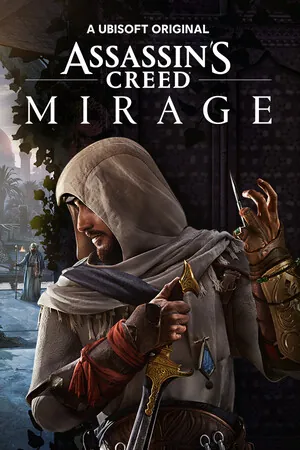
Assassin's Creed Mirage · 2025